REVIEW · KYOTO
KYOTO Tea Ceremony with kimono near by Imamiya Jinjya Shrine
Book on Viator →Operated by CAREN · Bookable on Viator
A kimono and tea master in one calm hour. This Kyoto experience pairs kimono dressing with a guided tea ceremony in a small setting near the Daitoku-ji temple area, so it feels like a real ritual instead of a quick show.
The part I really loved most was getting instruction that’s more than performance: you learn the meaning of kimono patterns, hear the story of tea culture, and then try brewing your own cup. On the explanation side, guides and interpreters like Akira (noted for extra historical details) can make the etiquette feel clear and practical. One drawback to think about: once you’re in kimono, you’ll have less freedom of movement and you’ll be sitting for the ceremony, so plan for a slower pace.
In This Review
- Key highlights you’ll actually care about
- Kimono Choice Sets the Tone for the Whole Experience
- From Caren Meeting Point to the Ceremony Space by Daitoku-ji
- Nishijin Kimono Dressing and Hair Styling: Fast, Detailed, and Photo-Friendly
- The Tea Master’s Demonstration: What You Watch and What It Means
- Seasonal Sweets and Tea Etiquette: The Social Rules of a Quiet Room
- Your Turn: Brewing Tea Yourself (Yes, You Really Do It)
- Price in Perspective: What $99.49 Is Buying You
- Practical Tips to Make the Kimono Day Go Smoothly
- Who This Tea Ceremony Is Best For (and Who Might Want Something Else)
- Pairing It With Imamiya Jinja Shrine and Other Kyoto North Plans
- Should You Book This Kyoto Tea Ceremony?
- FAQ
- How long is the Kyoto tea ceremony experience?
- Where do I meet for the tour?
- Is a mobile ticket used?
- How many people are in the group?
- What’s included in the experience?
- Is the ceremony location near public transportation?
- What’s the cancellation policy?
- FAQ
- What if the weather is bad?
- When do I get confirmation?
- Do I get to participate or only watch?
- Is transportation provided?
- Is there a minimum number of travelers?
Key highlights you’ll actually care about
- Pick your kimono color and pattern in Nishijin before you get dressed
- Hair styling + assistance putting on the kimono (often a multi-step, layered process)
- A tea master with 30 years of study runs the ceremony step-by-step
- Seasonal sweets and manners lessons so you know what you’re doing and why
- Try the tea yourself after watching the demonstration
- Small group size (max 12) plus photo help for a relaxed, personal feel
Kimono Choice Sets the Tone for the Whole Experience
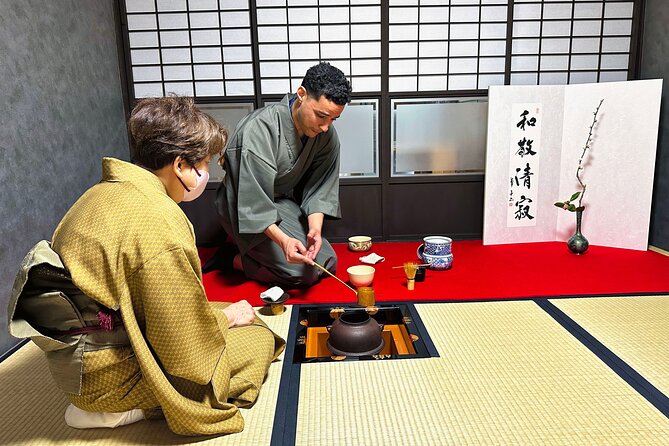
Even if you’ve never done tea ceremony before, this one starts in a way that gets you mentally ready: you choose a kimono you genuinely like. The program pulls from a kimono collection in Nishijin, Kyoto (the city’s famous textile and weaving area). You’ll pick a color and pattern based on your preference, then the staff helps with the styling work so you’re not figuring it out alone.
I like this opening because it turns the day from passive sightseeing into active participation. You’re not just watching someone else perform. You’re becoming part of the scene, and that makes the tea ritual feel more grounded. It also makes photos easy to love—because the outfit choice is personal, not generic.
There’s also a cultural payoff here: the guide talks about the meaning of different kimono patterns and how they connect to Japanese aesthetics. You’ll get more out of the ceremony if you understand that the clothes aren’t decoration only; they’re part of the visual language.
You can also read our reviews of more tours and experiences in Kyoto.
From Caren Meeting Point to the Ceremony Space by Daitoku-ji
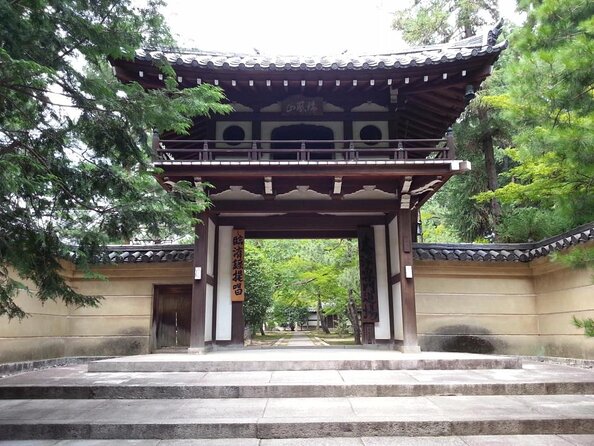
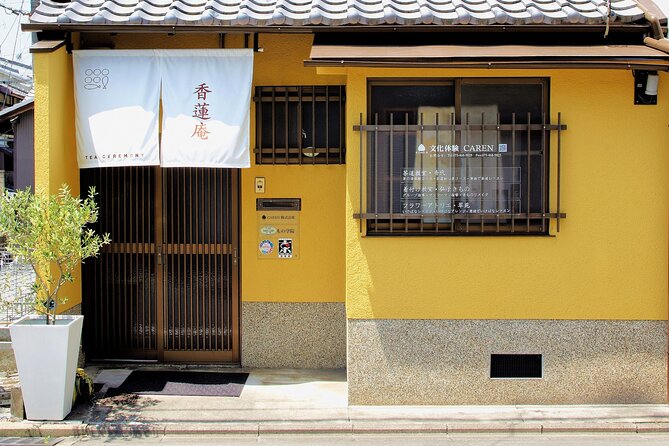
You meet at Tea Ceremony – Caren (74-4 Murasakino Daitokujichō, Kita Ward, Kyoto, 603-8231). It’s near public transportation, and you’ll handle check-in with a mobile ticket. The group stays small (maximum 12), which matters because dressing and instruction can become chaotic in larger crowds.
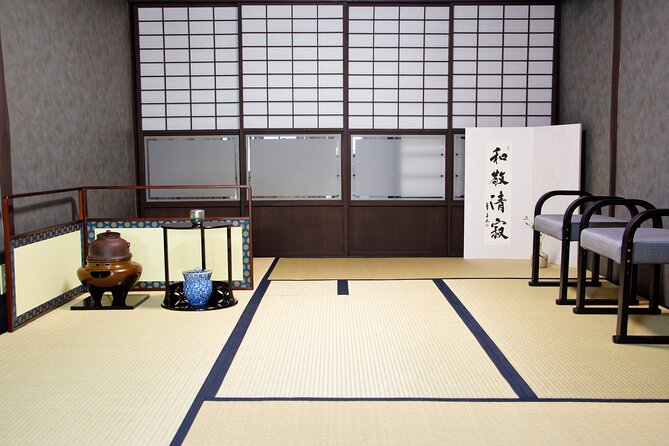
From there, the program flows toward a traditional tea room setting that’s located near Daitoku-ji Temple, an area deeply connected to Japanese tea culture. The ceremony room is described as used for three generations—so you’re not in some brand-new studio that could be anywhere in the world.
One more practical detail: the tea space can feel a bit old/low-key, and they’ll try to ease the fatigue from your day in Kyoto. That’s good news because a ceremony like this asks you to slow down and sit. If you’re tired from temples or long lines, the staff’s comfort-focused approach helps.
In some sessions, there’s also a short walk involved to reach the ceremony setting in the temple area. Either way, it stays simple: you’re not navigating Kyoto streets while trying to look dignified in a kimono.
Nishijin Kimono Dressing and Hair Styling: Fast, Detailed, and Photo-Friendly
Let’s be honest: kimono is complicated. The dressing process is multi-step and layered, and the benefit of this program is that staff take care of the work. You get assistance putting it on, and you can expect hair styling before the ceremony. In past sessions, hair was styled efficiently into an updo for women, and both men and women were handled with professionalism.
This is where the experience earns its price in a very concrete way. You’re not just renting a costume; you’re getting guided fitting so the final look feels correct. And the staff doesn’t rush you out the door without context. They help you settle so you can focus on the ceremony itself.
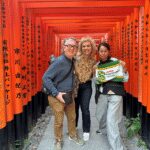
Then comes the photo moment. There’s usually a simple photo shoot where you can pose while dressed. The staff also helps you with how to stand and how to angle for pictures, which is surprisingly helpful if you’re not used to traditional clothing photos. If you care about getting great shots without awkward guesswork, this part is built for you.
Tip that will save time: think about the color tone you want before you arrive. When you walk in indecisive, the selection moment can take longer than you expect.
The Tea Master’s Demonstration: What You Watch and What It Means
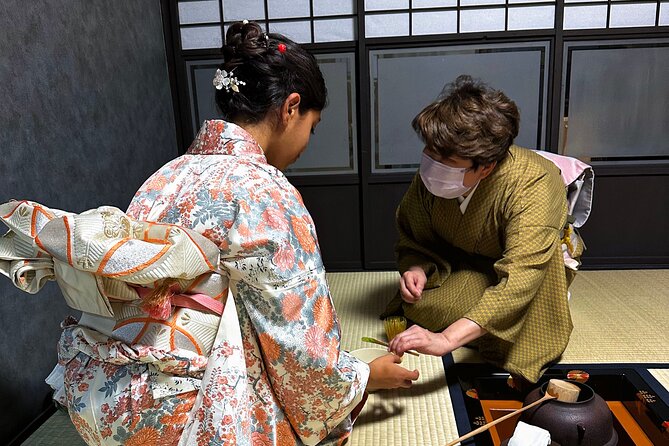
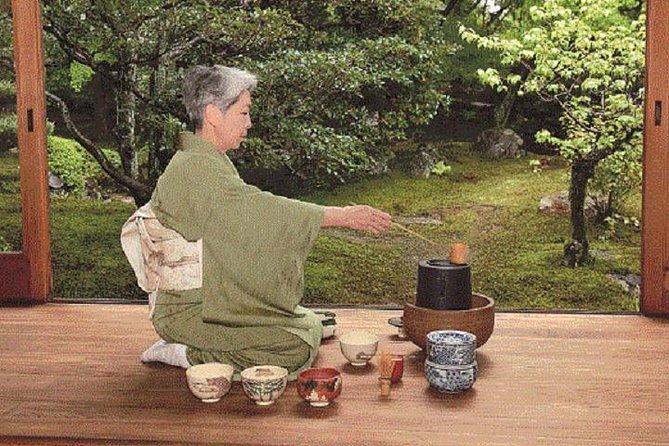
After you’ve been dressed, you move into the tea ceremony itself. A tea master—reported as having 30 years of training—demonstrates the steps of a traditional Japanese tea ceremony. This matters because watching a skilled practitioner explains the ritual in a way photos never can.
The guide also provides commentary on the history of tea ceremonies, plus the etiquette that goes with the experience. You’ll learn how manners fit into the flow: when to move, how to handle utensils, and what the host is communicating through pacing and gestures. It’s not only etiquette for tourists. It’s the logic behind why the room goes quiet and why everyone sits a certain way.
If you’re the type who likes cultural context, you’ll probably appreciate the extra background. In past sessions, interpreters such as Akira were noted for adding details beyond the basics—for example, sharing history about elements like the tea ceremony fan. That kind of side information makes the experience feel more like cultural learning and less like a script.
One practical note: the ceremony isn’t long. You should expect a focused 1 hour 30 minutes total (approx.), so the instruction stays tight and you won’t be stuck through something endless. But within that time, you’ll still see the full sequence, sip tea, and get your own turn.
Seasonal Sweets and Tea Etiquette: The Social Rules of a Quiet Room
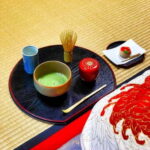
Tea ceremony is often described as calm, and that calm is intentional. Between tea preparation and sipping, there are moments that train your attention. You’ll have a cup of tea paired with seasonal sweets. This pairing helps explain the rhythm of the ceremony: you slow down, taste something a bit seasonal, then move into the tea itself.
The guide discusses Japanese manners during the ceremony, which helps you understand what you’re seeing instead of just copying motions. You’ll learn how respect is expressed through stillness, through careful handling of objects, and through how you respond to the host’s actions.
This is also where the small-group setup becomes useful. In groups that are too big, you feel rushed. Here, you’re more likely to get a smoother experience where the guide can explain without shouting and you can follow along without losing your place.
If you want to carry something home, pay attention to the etiquette points that connect to daily behavior: the idea that being thoughtful in small ways is part of the culture, not just the event.
Your Turn: Brewing Tea Yourself (Yes, You Really Do It)
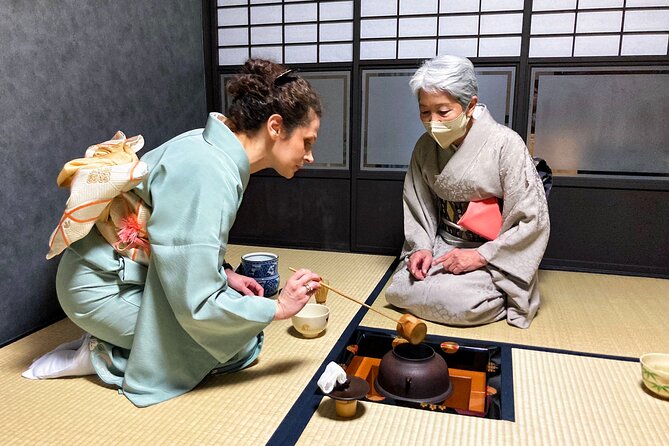
One of the most praised parts is that you don’t just sit there. You get a chance to prepare your own tea after the demonstration. This is a big value-add because it turns the ceremony into a skill you try, even if you’re not perfect at it.
Your ability to brew your own cup is also where the whole thing becomes memorable. You’ll feel the difference between watching someone move carefully and doing the same actions yourself. And since you’ve already been taught the purpose of each step, you can understand where mistakes happen—without feeling lost.
The guide typically explains what you’re doing while you try it, and you’ll get help if needed. In past sessions, participants even described getting encouraged to perform the ceremony themselves, even if they were not experienced.
Bottom line: if you want an activity in Kyoto that gives you more than a photo, choose one that includes hands-on participation. This one clearly does.
Price in Perspective: What $99.49 Is Buying You
At $99.49 per person, you’re paying for more than matcha. You’re paying for a staff-heavy experience with three major components:
- Kimono dressing and hair styling support
Getting the outfit right takes time, and staff attention is part of that cost.
- A professional instructor and a tea master demonstration
A tea master’s years of practice aren’t cheap, and that teaching time matters.
- A small group setting plus guided translation/commentary
With a maximum of 12 people, you’re less likely to feel like you’re being processed.
So yes, it’s not a budget activity. But it’s also not just a ticket to watch. The value is in the combination: outfit + context + instruction + participation (including brewing your own tea) + photo assistance.
If your trip has only one cultural workshop where you want to feel hands-on, this is the kind of choice that can feel worth the money.
Practical Tips to Make the Kimono Day Go Smoothly
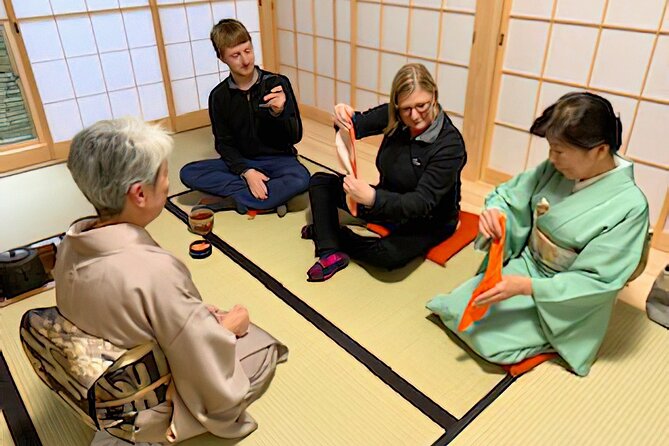
A kimono day is different from a normal sightseeing day, so plan with that in mind.
- Wear easy clothes for changing time. You’ll be assisted with the kimono and hair, so you’ll want to avoid anything fussy.
- Go in with a color preference. You’ll be asked to choose a kimono and staff will move quickly once you decide.
- Expect to sit for the ceremony. Even if you’re comfortable, treat it like a seated performance.
- Bring patience for layered dressing. Multi-person dressing and styling can take longer than you assume, especially at the start.
- Wear shoes you can slip on/off easily. You’ll likely be adjusting footwear before and after the ceremony steps.
Also, don’t worry if you’re nervous. Several people described first-guessing whether it would be touristy. What tends to change minds is the serious attention to detail: careful dressing, calm pacing, and instruction that respects the ritual.
Who This Tea Ceremony Is Best For (and Who Might Want Something Else)
This experience is a great fit if you want a cultural activity that’s both meaningful and structured. It’s also a strong option for:
- Couples who want a shared memory with photos and hands-on participation
- Families, including older kids and teens, because the flow is clear and the experience feels special rather than lecture-heavy
- People who love photos but also want context, not just a costume moment
It might be less ideal if you don’t want to sit for a traditional-style ceremony, or if you’re uncomfortable with wearing formal clothing and limited movement. If that’s you, consider whether the kimono portion would feel like stress instead of joy.
Pairing It With Imamiya Jinja Shrine and Other Kyoto North Plans
The name for this experience calls out Imamiya Jinjya Shrine, and even if the ceremony location is near Daitoku-ji Temple, it can still work well as part of a north Kyoto day. Think of it as a cultural anchor: you can start with tea and kimono, then spend the rest of your day exploring nearby shrines, gardens, and temple grounds.
If you’re planning multiple stops, treat this ceremony as the calm middle. Kyoto can be fast and crowded; a tea ritual is the break that refreshes your attention.
If you like contrast in your itinerary, this is a nice pairing: temple quiet in the ceremony space, then shrine energy outside.
Should You Book This Kyoto Tea Ceremony?
I’d book it if you want a single activity that hits multiple goals: real kimono dressing, a professional tea master experience, and hands-on tea brewing, all within a manageable 1 hour 30 minutes. The small group size (max 12) and the photo support also make it feel smooth rather than stressful.
Skip it only if kimono and seated rituals aren’t your thing. Otherwise, this is one of those Kyoto experiences where the memory lasts because you learned something, not just because you wore something.
FAQ
How long is the Kyoto tea ceremony experience?
It lasts about 1 hour 30 minutes.
Where do I meet for the tour?
You meet at Tea Ceremony – Caren, 74-4 Murasakino Daitokujichō, Kita Ward, Kyoto, 603-8231, Japan.
Is a mobile ticket used?
Yes, it uses a mobile ticket.
How many people are in the group?
The experience has a maximum of 12 travelers.
What’s included in the experience?
It includes coffee and/or tea, plus instruction from a professional instructor.
Is the ceremony location near public transportation?
Yes, the activity is near public transportation.
What’s the cancellation policy?
Free cancellation is available up to 24 hours in advance for a full refund.
FAQ
What if the weather is bad?
The experience requires good weather. If it’s canceled due to poor weather, you’ll be offered a different date or a full refund.
When do I get confirmation?
Confirmation is received at the time of booking.
Do I get to participate or only watch?
You watch the tea master demonstrate, and you also get the opportunity to brew your own cup of Japanese tea.
Is transportation provided?
No private transportation is included.
Is there a minimum number of travelers?
Yes. If the minimum isn’t met and the experience is canceled, you’ll be offered a different date/experience or a full refund.