REVIEW · KYOTO
Private eBike Tour Exploring Fushimi with Torii Red Gate Ride
Book on Viator →Operated by KCTP · Bookable on Viator
Torii trails, minus the foot-slogging. This private Kyoto e-bike ride links the famous Torii red gates at Fushimi-Inari with quieter temple time and a scenic cruise back toward Kyoto Station. You get an approved English-speaking guide and a route designed for moving through Kyoto’s lanes without wrestling traffic.
I especially liked the guide-style: friendly energy, good explanations, and help with photos when you want that one perfect shot. The tour also runs in the kind of weather Japan loves to throw at you, so rain gear matters and you should expect a damp, but still doable ride.
In This Review
- Key highlights you’ll feel right away
- Why an e-bike works for Torii gates and Kyoto temples
- Meeting at Kyoto Station’s cycle terminal and starting smoothly
- Nintendo Original Building stop: a quick detour with Kyoto context
- Sanjusangendo Temple: calm inside a hall of thousand statues
- Tofuku-ji Temple: a brief Zen photo pause
- Fushimi Inari-taisha: torii gate paths with an English guide
- Kamo River ride back to Kyoto Station: where the tour relaxes
- Price and value: what $111.05 gets you in real terms
- The guide factor: calm, humor, and smart photo help
- Who this tour is best for (and who should rethink it)
- Should you book this Kyoto e-bike Torii tour?
- FAQ
- How long is the Kyoto e-bike tour?
- Is this a private tour?
- How many people can be in the group?
- Can a solo traveler book?
- What’s included in the price?
- Do I need to bring snacks?
- Does the tour run in rain?
- Where do we meet and where does it end?
- How long are the main temple stops?
- What are the child requirements?
- What if I need to cancel or change my booking?
Key highlights you’ll feel right away
- Private group size up to 6 makes the pace calmer and the stops more flexible.
- E-bikes do the heavy lifting on Kyoto’s side streets, so you spend energy on temples, not hills.
- Sanjusangendo’s thousand Buddha statues with guided context inside the halls.
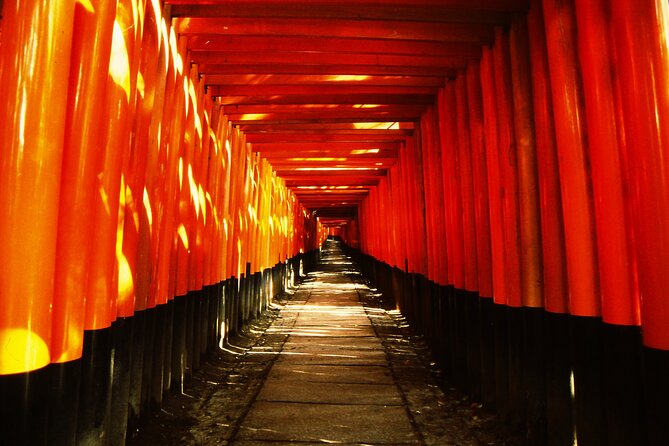
- Fushimi Inari’s torii gate walk guided so you’re not stuck figuring out the flow.
- Kamo River embankment ride for wildlife, nature, and a breather back toward the station.
- Guide support that goes beyond the script, including moments where guides like J Jay have spent personal time helping with a small medical issue.
Why an e-bike works for Torii gates and Kyoto temples
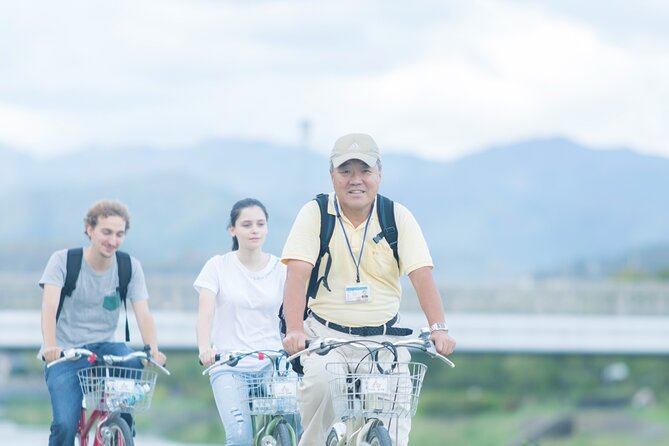
Kyoto can be a walking city if you plan well. But if you want to hit multiple sacred spots in one half-day, cycling is the cheat code. You glide through side streets where cars aren’t constantly hunting you, and you save your legs for the moments you actually want to stand still: the shrines, the corridors, the views.
An e-bike also changes the vibe. You’re not just rushing from photo spot to photo spot. You’re able to keep a leisurely pace while still covering distance between places like Sanjusangendo, Tofuku-ji, and Fushimi Inari. That means less time in transit, more time where you can slow down and pay attention.
The biggest practical win is timing. The tour is built around short, focused visits—then time on the bike to connect everything—so you’re less likely to get worn down before you reach the Torii red gate path.
You can also read our reviews of more cycling tours in Kyoto
Meeting at Kyoto Station’s cycle terminal and starting smoothly
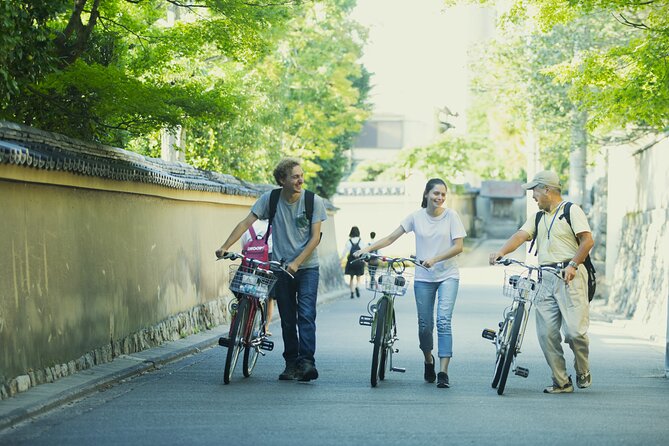
You begin at Kyoto Cycling Tour Project at the Kyoto Station Cycle Terminal (552-13 Higashiaburanokōjichō). It’s close to transit, which matters because Kyoto can eat time if you’re coming from another area.
The tour loops back to the same place at the end. That simple design is underrated. You don’t have to think about where you’ll end up, or how you’ll get back to your base. You also get a cycling map, so you can keep the route in your head as you go.
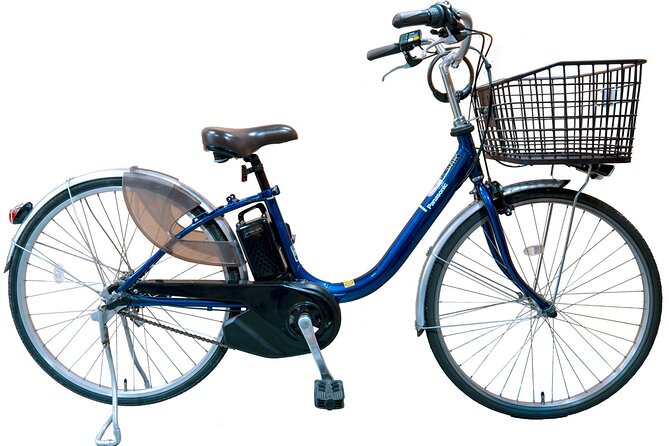
One more thing I’d treat as real value: your tour includes helmet use and accident insurance, plus a rain poncho. That setup lets you focus on the sites instead of worrying about what gear you forgot.
Nintendo Original Building stop: a quick detour with Kyoto context
The ride-by at the Nintendo Original Building is brief—about 10 minutes—and free. It’s not the kind of stop that eats your day, but it adds a helpful layer to Kyoto beyond only temples.
This is where you get a peek at how Kyoto’s famous brand of tradition sits next to modern corporate history. You’ll pass the former offices tied to one of Kyoto’s well-known companies, and the guide helps connect the dots so it doesn’t feel like a random roadside photo stop.
If you prefer tours that stick strictly to sacred sites, you might skip over this portion emotionally. Still, it’s a short reset point that keeps the ride from feeling like nonstop temple time.
Sanjusangendo Temple: calm inside a hall of thousand statues
Sanjusangendo is the soul-slowing stop. You spend about an hour here, and admission is included. The guide stays with you inside and explains the history and meaning, so you’re not just walking past rows of statues wondering what you’re looking at.
The standout feature is the famous sight of a thousand Buddha statues. That number sounds abstract until you’re in the halls. The scale plus the repetition has a way of quieting your mind—especially since the tour gives you a guided route through the older corridors.
A practical note: this is an indoor time chunk inside a temple complex. You’ll want comfortable shoes and a calm pace. If you tend to rush in museums, plan to slow down here.
The tour structure helps: you’re on an e-bike before and after, so you’re not trapped in the foot-walking marathon that can happen when you try to do this all on your own.
Tofuku-ji Temple: a brief Zen photo pause
Next comes Tofuku-ji, with about 15 minutes on the ground. Admission is free, and the goal is simple: take photos at a quiet, imposing Zen temple.
This stop is intentionally short, so you don’t burn time when your energy is already being spent mentally at Sanjusangendo. Think of it as a change of mood. You get visual heaviness and stillness without turning your tour into a full-day temple crawl.
If you’re the type who hates “stop by, snap, move on” experiences, you may feel this one goes fast. But the flip side is that you preserve energy for Fushimi Inari, where the walking path is the star.
You can also read our reviews of more private tours in Kyoto

Fushimi Inari-taisha: torii gate paths with an English guide
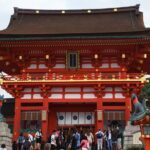
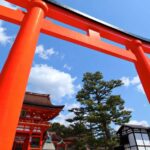
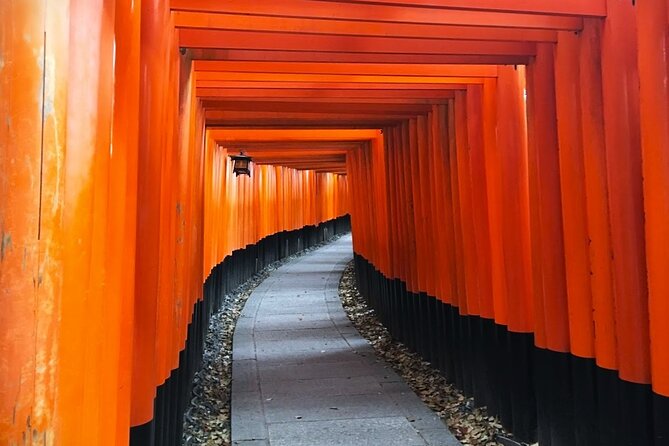
This is the headline: Fushimi Inari-taisha Shrine and its Torii red gate paths. You get about an hour here, and admission is free. The guide takes you along the gate paths and explains what the shrine represents, so the walk feels meaningful instead of purely scenic.
You can walk through the famous torii red gates, and the explanation helps you understand why the place has such weight in Japanese religion and culture. Also, because you’re on a guided plan, you’re less likely to lose time wandering in circles or getting stuck waiting behind heavy clusters.
A tour like this won’t turn every moment into a private scene. That said, the bike route and the scheduled stops help you avoid the worst congestion compared with trying to stitch everything together yourself.
Tip for the gates: when you’re inside the torii path, pause more often than you think you need. The view lines and repeating color are what make this place work as a series, not just one big shot.
Kamo River ride back to Kyoto Station: where the tour relaxes
After the shrine time, you get back on the bikes for the return. One of the best parts is the ride along the peaceful embankment by the Kamo River with wildlife and nature you can spot along the way.
This leg is a breather. The energy shifts from sacred sites to a softer Kyoto rhythm—some green, some birdlife, and a calmer pace that’s perfect after a more intense temple stop.
It also acts like a gentle “cool down” before you reach the station area again. You’re still moving, but you’re not burning energy climbing hills or rushing between big landmarks.
Price and value: what $111.05 gets you in real terms
At $111.05 per person for a 3 hours 30 minutes tour, this isn’t a bargain bike rental. It’s priced like a guided experience with transportation value baked in.
Here’s what makes it feel fair:
- Guide time at multiple sites, including inside Sanjusangendo where the guide explains significance.
- E-bike + helmet provided, plus rain poncho so the tour stays on schedule even when skies open.
- Accident insurance included, which is practical peace of mind for a road-and-traffic environment.
- Admission costs covered for key parts of the route (Sanjusangendo included; other stops are free).
- A route designed to connect places efficiently within a half-day.
If you were to do this alone, you’d pay for e-bike access, sort out timing, and still scramble for the explanations that make temples click. That’s where the guide pays off most: you’re not just seeing sites, you’re learning how to read them as you walk.
The guide factor: calm, humor, and smart photo help
The most consistently praised part of this experience is the human one: the guides. Names you might encounter include Kaz, Yuichi, Tibor, Kas, and J Jay (also referred to as JJ), along with Y Yagyu. The style is friendly, energetic, and ready to answer questions—plus a sense of humor that keeps temples from feeling like homework.
Photo help is another big plus. Guides have a knack for positioning you and taking the shot, so you’re not stuck balancing your phone and your footing on busy shrine approaches.
And there’s real confidence here: in at least one case, a guide (J Jay) spent about two hours of personal time helping with a small medical emergency and then helped the person navigate the next steps. That doesn’t mean you’ll need anything like that. It does mean you’re booking people who take care of you when something goes off script.
If you’re traveling with kids, that patience shows up too—one guide (Tibor) was praised for being kind and patient while keeping the tone fun for younger riders.
Who this tour is best for (and who should rethink it)
This is a strong fit if you want:
- A guided way to see Fushimi Inari plus other major Kyoto temples in one run
- An experience that favors calm pacing over sprinting
- A practical option for travelers who don’t want to walk the full distance between sites
You might rethink it if:
- You expect a fully free-form itinerary with lots of extra downtime. The stops are structured by design.
- You dislike riding in rain. The tour operates in rain, and roads can feel slick.
- You’re traveling solo. The format doesn’t accept one-person bookings.
Should you book this Kyoto e-bike Torii tour?
I’d book it if your goal is to see Fushimi Inari’s torii gates and still enjoy Sanjusangendo and Tofuku-ji without turning your day into a marathon. The e-bike does the work between stops, and the guide adds meaning so the shrine walk feels grounded.
I would pass if you only want temple sites and nothing else, or if you’re very uncomfortable riding in wet conditions. In those cases, a walking-only option might match your style better.
If you’re flexible, pack for rain, bring a good attitude, and plan to pause often inside the torii path. This is the kind of tour that makes Kyoto feel both sacred and doable.
FAQ
How long is the Kyoto e-bike tour?
It runs for about 3 hours 30 minutes, including the time cycling between locations.
Is this a private tour?
Yes. It’s private, so only your group participates.
How many people can be in the group?
A guide can accept a minimum of 2 and a maximum of 6 guests per guide. For groups of 7–12, an extra guide can be arranged at no extra fee.
Can a solo traveler book?
No. One-person participants are not accepted.
What’s included in the price?
Included items are the e-bike, helmet, rain poncho, licensed or certified English-speaking guide, original cycling map, accident insurance, and admissions for Sanjusangendo. Other listed stops have free admission.
Do I need to bring snacks?
Snacks are not included, so you may want to plan accordingly.
Does the tour run in rain?
Yes, the tour operates in rain.
Where do we meet and where does it end?
You start at Kyoto Cycling Tour Project at the Kyoto Station Cycle Terminal. The tour ends back at the same meeting point.
How long are the main temple stops?
Sanjusangendo is about 1 hour, Tofuku-ji is about 15 minutes, and Fushimi Inari-taisha is about 1 hour. The Nintendo Original Building stop is about 10 minutes.
What are the child requirements?
Children must be at least 10 years old, at least 145 cm tall, and able to ride a bicycle safely on the road unassisted.
What if I need to cancel or change my booking?
This experience is non-refundable and cannot be changed for any reason. If it’s canceled because the minimum number of travelers isn’t met, you’ll be offered a different date or a full refund.