REVIEW · KYOTO
Gyoza Cooking Class in Kyoto: Traditional Japanese Dumplings
Book on Viator →Operated by Japan food entertainment Ltd · Bookable on Viator
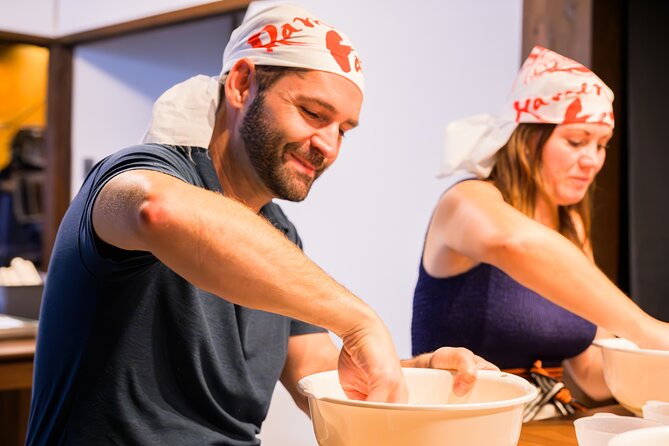
A Kyoto townhouse turns dinner into a hands-on craft. This gyoza cooking class teaches you how to make dumplings from scratch and pair that skill with a bit of Japanese and samurai-era context. You work at a station, choose your filling, and cook using a professional baking machine.
I love that the class is small, with a maximum of 20 travelers, so it feels like a real workshop instead of a factory line. I also like that you leave with more than a photo: you get cooking tools during the session and an apron souvenir that makes it easy to keep going at home.
One thing to consider: the price is not cheap for 1 hour 30 minutes, and there’s no private transportation included, so you’ll need to plan how to get to the meeting point.
In This Review
- Key highlights before you go
- A Kyoto Townhouse Workshop for Gyoza Making
- What You Learn: Wrappers, Fillings, and the Art of Wrapping
- The Cooking Part: Using a Professional Baking Machine
- The Samurai Armor Photo Moment That Actually Fits the Setting
- Small-Group Rhythm: How the Class Usually Feels
- How Many Gyoza You’ll Make
- Instructors Who Actually Teach (Not Just Explain)
- Price and Value: Is $118.19 Fair for 1.5 Hours?
- Practical Logistics at the Nakagyo Townhouse Meeting Point
- Who This Class Fits Best
- Should You Book This Gyoza Class?
- FAQ
- FAQ
- How long is the Gyoza cooking class?
- Where is the meeting point in Kyoto?
- Is there an English-speaking instructor?
- What is included in the class?
- Do I need private transportation to get there?
- Can I choose what goes in my gyoza?
- Do you teach how to make gyoza wrappers too?
- Do we use a cooking machine during the class?
- Is samurai armor included?
- What’s the cancellation policy?
Key highlights before you go
- Choose your own filling so your gyoza actually reflects your tastes
- Wrap the dumplings yourself, including making the wrappers from scratch
- Cook with a professional baking machine for more consistent results
- Optional samurai armor photos for a memorable Kyoto keepsake
- Small-group format with a maximum of 20 travelers
- English-speaking instruction with a friendly, step-by-step pace
A Kyoto Townhouse Workshop for Gyoza Making
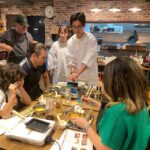
Kyoto has a way of making even a simple meal feel special. This class takes place in a traditional townhouse setting, which matters because it slows everything down just enough for learning. You’re not watching; you’re doing.
The tone is practical. You’ll start with an overview, get set up at your station, and move through the steps in order: filling, wrappers, wrapping, then cooking. The structure is friendly for beginners, and that’s a big reason this works so well as a short evening activity.
Also, the small size helps. With up to 20 people, you’re more likely to get clear guidance when you’re shaping dumplings and not feel rushed. If you’re coming with kids or teens, that attention is a real plus.
You can also read our reviews of more cooking classes in Kyoto
What You Learn: Wrappers, Fillings, and the Art of Wrapping
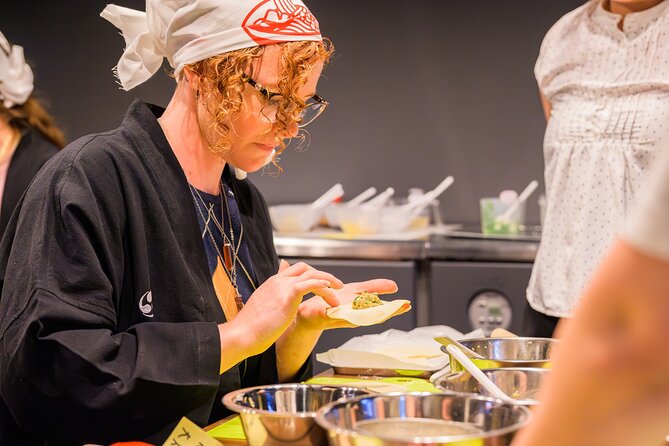
This is a gyoza class built around one core skill: making dumplings you can repeat later. The process is hands-on from the first steps, including making the wrappers from scratch. That’s not just a fun detail. It’s what turns gyoza from a restaurant order into a home recipe.
You’ll also choose your favorite filling, which changes the experience from person to person. Some people like a straightforward classic approach; others want something more personal. Either way, the class keeps the method teachable so you’re learning technique, not just following one script.
Then comes the wrapping. This is where the class earns its value. You learn how to shape gyoza so they cook properly and hold together. Wrapping sounds fiddly until someone shows you the exact way to fold, press, and finish the edge, and that’s what you get during the session.
The Cooking Part: Using a Professional Baking Machine
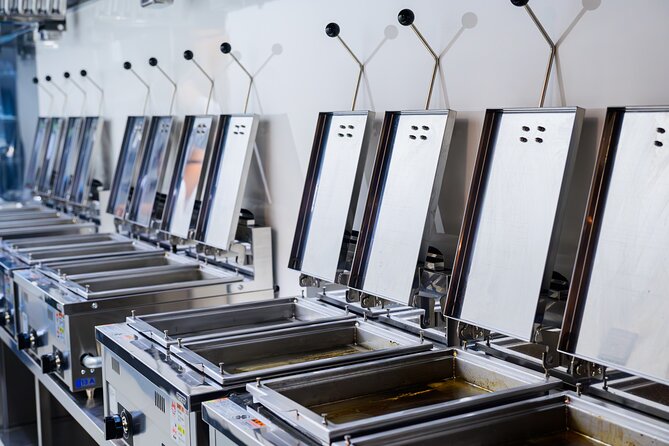
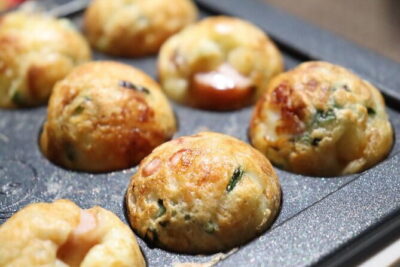
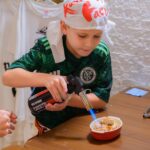
The cooking step is one of the biggest “why this is worth it” reasons. You’ll learn how to cook your gyoza perfectly using a professional baking machine, which means you’re not guessing temperatures or timing on a random home pan.
Gyoza can be tricky for first-timers because the texture depends on proper cooking. The machine helps standardize the process, so your dumplings come out closer to what you expect. You’ll feel the difference between raw dough and cooked gyoza right away, too.
Expect to spend time actively cooking, not just waiting around. The class moves at a pace designed to keep you producing dumplings through the end.
The Samurai Armor Photo Moment That Actually Fits the Setting
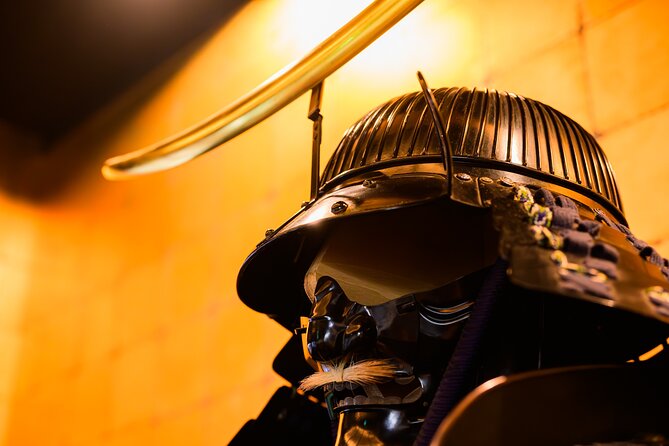
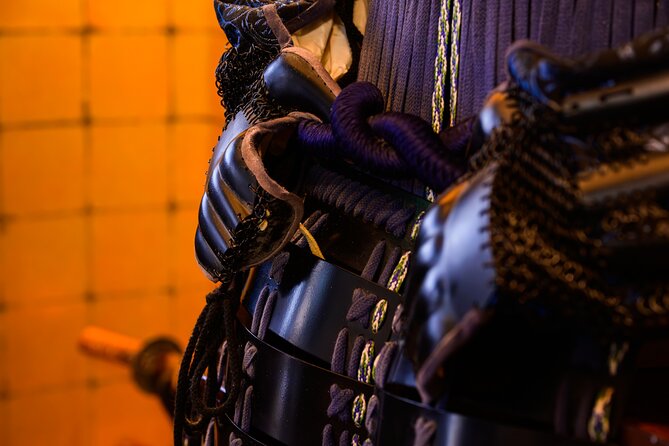
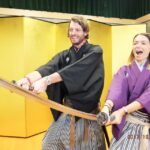
After you finish cooking, you have the option to dress up in samurai armor for photos. Optional is the key word here. You can participate if it sounds fun, or skip it if you’d rather just enjoy the food and head out.
What makes this part work is the contrast. You’re in a Kyoto townhouse learning a practical Japanese dish with a bit of samurai culture context. Then, right after, you can step into a visual piece of that theme for a few minutes. It’s a simple way to add a memorable moment without turning the whole evening into a costume show.
You’ll also get a sense of why samurai imagery stays so common in Japan’s cultural storytelling: it’s not only about armor; it’s about identity, discipline, and the idea of practice. Even if you skip the costume, the cooking steps still follow that same “do it carefully” vibe.
Small-Group Rhythm: How the Class Usually Feels
This is advertised as about 1 hour 30 minutes (approx.), and the way it’s set up usually means you’re doing multiple steps in that window. In real life, classes can run a little long when people take their time learning the folds, so I’d plan on something close to that, not a hard 90-minute clock.
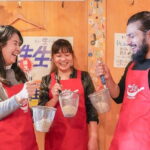
One more detail that helps your expectations: you work at a personal station setup. That matters for both speed and comfort. You’re handling your own wrappers and dumpling filling, and you’re not forced to share tools or space.
If you’re trying to figure out whether this is “worth it for a short time,” here’s the practical answer: the session is long enough to teach a full mini-cooking loop (wrap → cook), not just a quick demo.
You can also read our reviews of more tours and experiences in Kyoto

How Many Gyoza You’ll Make
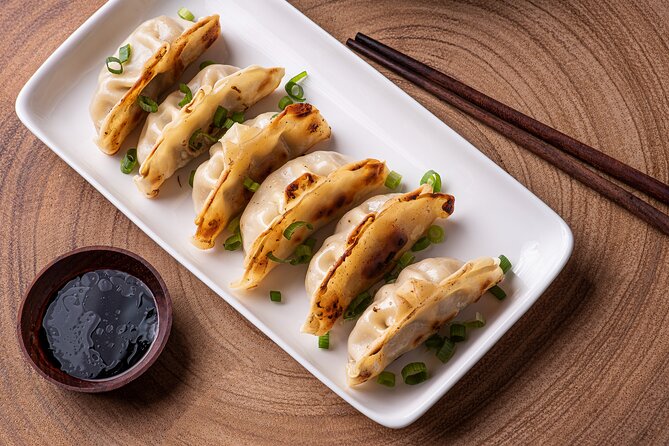
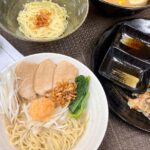
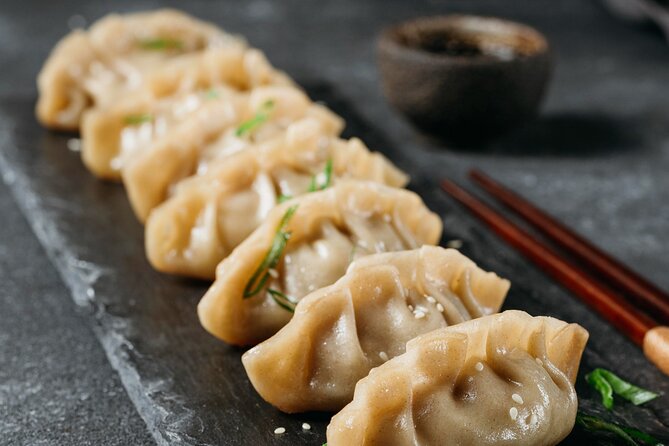
You’ll make a batch of gyoza during the class, and many people report ending up with around 10–12 gyoza per person. That’s a good amount. It’s enough to feel productive, and it gives you something real to taste without leaving you with a tiny snack.
You’ll also get that satisfying feeling of consistency: you start with separate pieces—filling, dough, wrapper—and end with finished dumplings you made yourself. That’s the kind of skill that sticks.
Instructors Who Actually Teach (Not Just Explain)
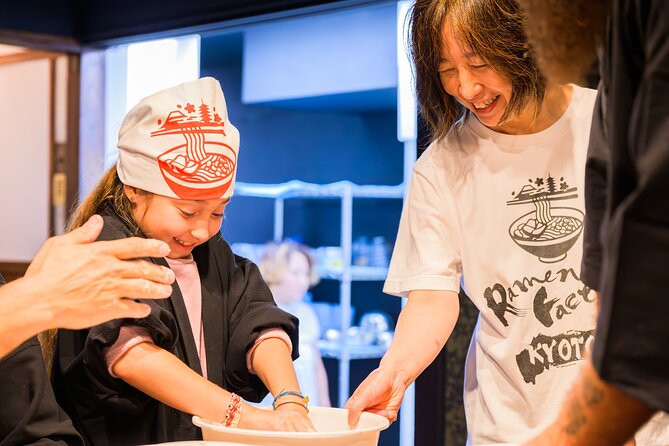
A major part of the quality here is the instructors. Several names come up in the experience feedback, including Hama, Maya, and Ryo. The consistent thread is friendly, clear instruction in English.
What I like about that teaching style is that it makes the steps easier to follow even if you’re new to Japanese cooking. You’re not overwhelmed with vocabulary. You’re guided through what your hands should do next.
And it’s not only about cooking. Some classes also share basic background on gyoza and Kyoto. That gives context for why the technique matters instead of making it feel like random food craft.
Price and Value: Is $118.19 Fair for 1.5 Hours?
At $118.19 per person, you’re paying for several things at once: an English-speaking instructor, tools, a professional cooking setup, and a structured lesson that gets you from zero to finished dumplings. You’re also paying for the setting—Kyoto townhouse style—and the fact that the group stays small.
Is it a bargain? No. But it’s not overpriced in the way some “experience-only” classes are. You’re leaving with real cooking skills and a souvenir apron, which turns the price from an evening expense into a thing you can use later.
Here’s my value check for you:
- If you want a hands-on skill you’ll repeat, the price makes more sense.
- If you only want a quick taste or a photo, you may decide it’s too expensive for what you want.
- If you’re traveling with kids or teens, the hands-on structure can feel like better value because everyone participates.
Practical Logistics at the Nakagyo Townhouse Meeting Point
You’ll meet at 230-1 Kamimyōkakujichō, Nakagyo Ward, Kyoto, 604-0025, Japan. The good news is it’s near public transportation, so you’re not locked into private taxi costs.
A key note: private transportation isn’t included, so plan your route ahead. Kyoto stations and neighborhoods can feel confusing at first, and you’ll save stress by mapping your way to the exact meeting point before you go.
You’ll also finish back at the meeting point. That helps if you’re pairing the class with dinner plans afterward.
The class uses a mobile ticket, and you should get confirmation at booking time. That’s useful when you’re hopping between activities in a city with frequent schedules.
Who This Class Fits Best
This is a great match if you want an evening that’s equal parts food and skill-building. It’s also ideal when you don’t want to commit a full day to cooking.
I’d especially recommend it for:
- Families looking for a structured activity kids can actually do
- Teens and adults who like learning technique, not just eating
- Food lovers who want a Kyoto experience that’s practical, not only sightseeing
- Travelers who like a small-group format with a friendly English-speaking instructor
If you’re the type who gets impatient with hands-on tasks, this may feel slow because it takes time to wrap and cook. But if you enjoy making things with your hands, you’ll likely find the pacing satisfying.
Should You Book This Gyoza Class?
I think you should book this class if your goal is a memorable Kyoto night that leaves you with a repeatable cooking skill. The combination of wrapper-making, learning the wrapping method, and cooking with a professional machine is the real reason this works. Add the small group size and the optional samurai armor photos, and it becomes a strong value for the right traveler.
Skip it or think twice if $118.19 feels too steep for a lesson that lasts about 1 hour 30 minutes and you’d rather spend that budget on food tastings or a longer sightseeing day. Also, if you hate planning transit, factor in that transportation to the meeting point isn’t included.
FAQ
FAQ
How long is the Gyoza cooking class?
It’s listed as about 1 hour 30 minutes (approx.).
Where is the meeting point in Kyoto?
The meeting point is 230-1 Kamimyōkakujichō, Nakagyo Ward, Kyoto, 604-0025, Japan.
Is there an English-speaking instructor?
Yes. The class includes an English-speaking instructor.
What is included in the class?
You’ll get the instructor and cooking tools provided for the class.
Do I need private transportation to get there?
Private transportation is not included, so you’ll need to arrange your own way to the meeting point.
Can I choose what goes in my gyoza?
Yes. You can choose your favorite filling.
Do you teach how to make gyoza wrappers too?
Yes. You’ll make gyoza wrappers from scratch.
Do we use a cooking machine during the class?
Yes. You’ll cook using a professional baking machine.
Is samurai armor included?
Samurai armor is optional for dressing up and photos.
What’s the cancellation policy?
You can cancel for free up to 24 hours in advance for a full refund.