REVIEW · KYOTO
Private Cooking Class Udon in Kyoto Japan
Book on Viator →Operated by 創作料亭出雲 Kyoto Izumo · Bookable on Viator
Udon tastes better when you made it. In Kyoto, you’ll learn to form noodles in a 120–130-year-old traditional home near Kyoto Station, with local teachers guiding every step.
I especially loved the setting and the people. You’re surrounded by antique furniture and artifacts, and the lesson is run by local Kyoto teachers like Tanaka-san and Hisayu who keep things friendly and patient.
One thing to plan for: the class is hands-on, but you don’t boil the udon yourself, so the boiling and part of the hot-food work is handled by the staff.
In This Review
- Key highlights you’ll care about
- A 130-year Kyoto House Near Kyoto Station (and Nishi Honganji)
- Getting Started: Aprons, Prepped Tables, and the Teacher-led Rhythm
- How You Actually Make Udon: From Saltwater to Cutting
- Timing reality check
- After Class Lunch: Tempura Set, Dashi, and Your Own Noodles
- Where you eat
- Local Teachers Make It Work (Tanaka-san and Hisayu)
- Price and Value: $60.43 for a Private Midday Skill
- Who Should Book This Udon Class (and Who Might Pass)
- Should You Book This Private Udon Workshop?
- FAQ
- FAQ
- Where is the meeting point for the class?
- What time does the experience start?
- How long does the udon class take?
- Is this experience private?
- Do we make tempura during the class?
- Do I boil the udon noodles myself?
- What do you do right after the class?
- Who teaches the class?
- Is the instruction provided in English?
- What is the cancellation policy?
Key highlights you’ll care about
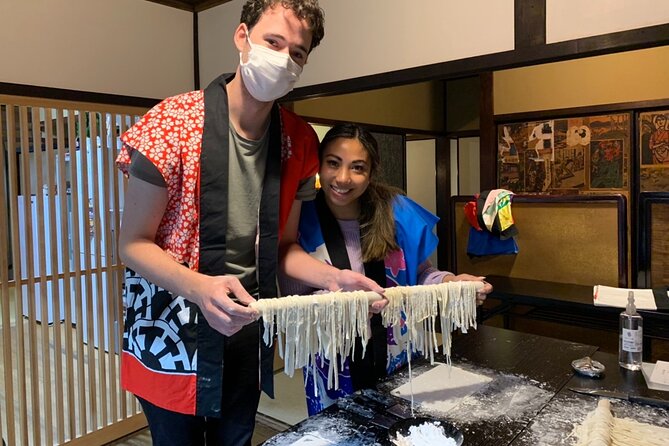
- Kyomachiya-style classroom in a historic Japanese house close to Nishi Honganji Temple
- Handmade udon steps from saltwater and kneading through cutting and cooking readiness
- Private class where only your group participates
- Eat immediately after in the on-site meal area with tempura and dipping broth
- Family-friendly pace, since the hot boiling is done for you
A 130-year Kyoto House Near Kyoto Station (and Nishi Honganji)
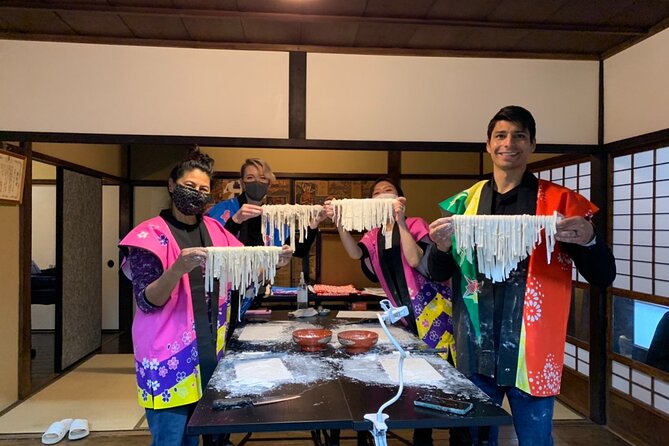
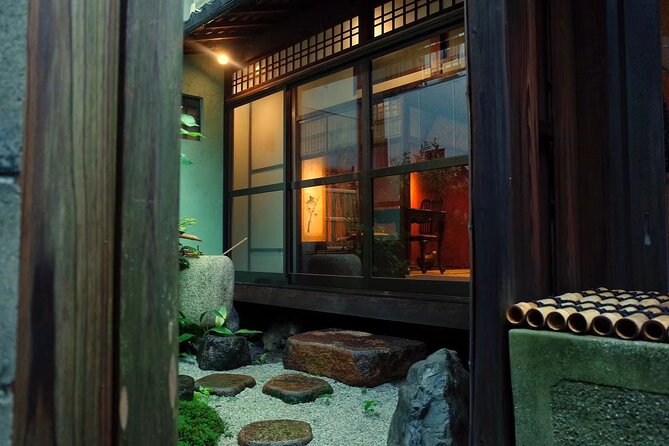
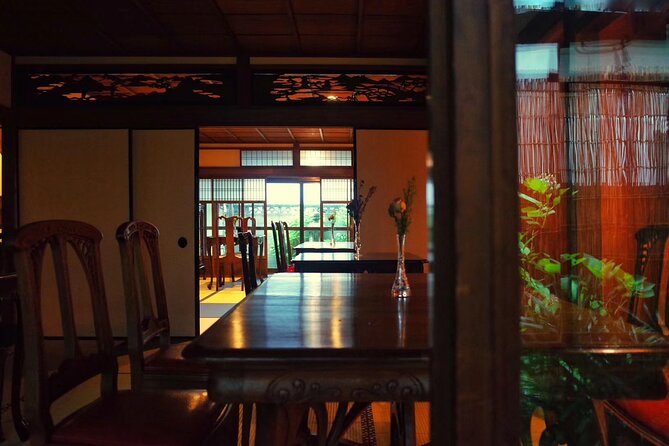
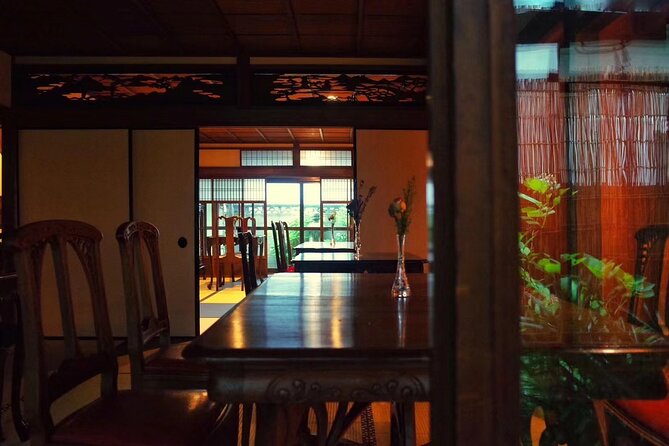
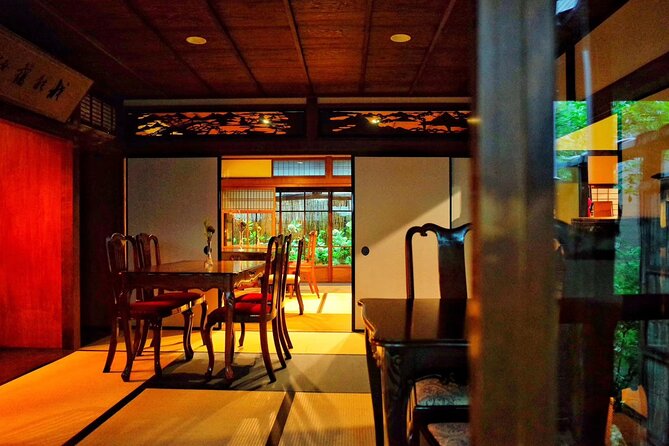
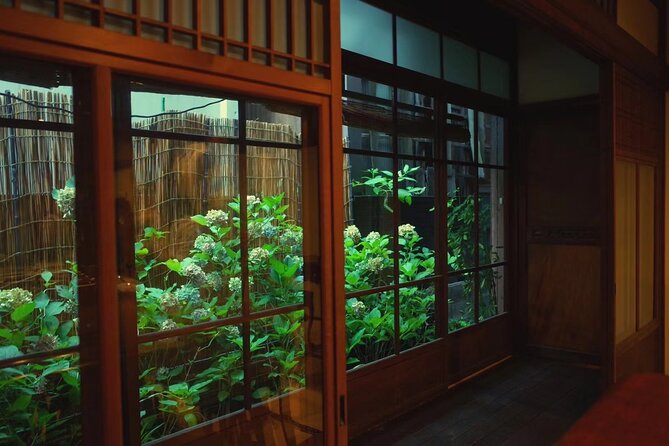
This udon class takes place in a renovated traditional Japanese house dating back roughly 120–130 years. It’s the kind of place where you can feel the age in the wood, the antiques, and the careful way everything is arranged. The location is also practical: it’s about a 12-minute walk from Kyoto Station and roughly 2 minutes from Nishi Honganji Temple, which makes it easy to slot into a day without hauling across town.
The space is set up like a classroom inside the historic home. Expect antique furniture and artifacts that are over 110 years old, plus traditional music during the experience. For me, that combination matters because it turns “a cooking class” into something more grounded—you’re not just following steps in a modern kitchen. You’re learning in a room that feels like Kyoto did decades (and centuries) ago.
There’s also a natural flow: you make the noodles upstairs in the classroom setting, then you transition to eating right after. That matters if you’re hungry midday, or if you’re doing this with kids who lose patience fast when lunch keeps getting pushed back.
You can also read our reviews of more private tours in Kyoto


Getting Started: Aprons, Prepped Tables, and the Teacher-led Rhythm
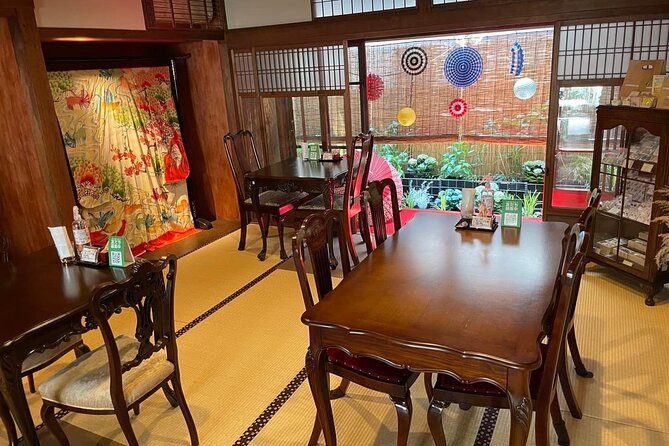
You’ll meet at 364 Momijichō, Shimogyo Ward, Kyoto (near Kyoto Station). The session starts at 12:00 pm, so it’s designed as a lunch-time experience rather than an evening event.
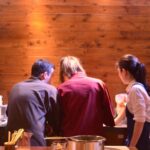
Once you begin, the instruction style is clear and hands-on. In the way the class is run, ingredients are laid out and work surfaces are spaced out enough for everyone in your group to actively participate. The teacher demonstrates the steps and then guides you through them—done in English, with support from a staff member (in at least some classes, a young adult daughter assists).
Two things I like about this teaching style:
- You’re not just watching. You’re physically making the dough and shaping noodles.
- The teacher keeps a steady pace and gives direct help when you need it—especially reassuring if you’ve never made udon before.
If you want a smoother experience, wear comfortable clothes and expect to get a little flour on you. It’s cooking class logic, not a fashion show. Also, go in with the mindset that you’re learning technique, not chasing perfection. Udon is forgiving as you practice, and the staff’s goal is for you to feel confident repeating it at home.
How You Actually Make Udon: From Saltwater to Cutting
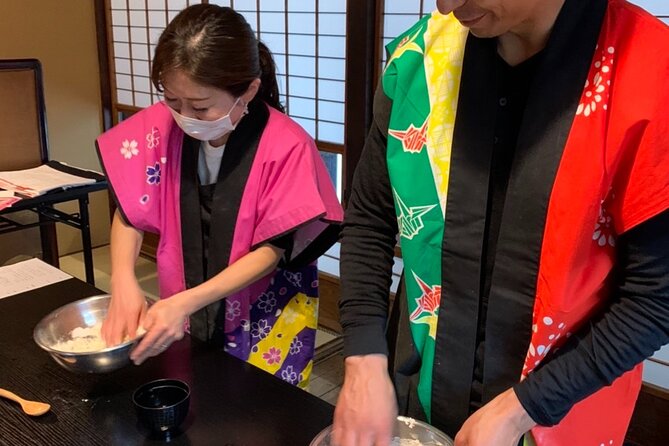
This is the part that most people book for, and it’s also where the time flies. The class walks through a sequence of noodle-making steps, including:
- Making saltwater
- Rinse the water
- Footsteps
- Mature
- Stretch the fabric
- Knife cut
- It’s boiling
That list looks formal, but the real experience feels practical. You’ll work dough through kneading and stretching, then cut it into noodle shapes. The “Footsteps” step is one of those Kyoto-food moments that turns technique into an event—something fun you remember later, especially if you’re traveling with kids.
One key point for your expectations: the class is structured to be family-friendly. You’ll make the udon, but you won’t be doing the boiling part yourself. The hot boiling and some of the cooking work are handled by the staff, which keeps the process safer and smoother.
Also, you’ll get the basic noodle recipe so you can try again at home. In practice, what you’re taking away isn’t just a single batch of noodles—it’s an approach: how to handle the dough, how to stretch and cut, and how the final texture should feel.
Timing reality check
The class is listed as about 1 hour. But if you include eating and settling in, plan for a longer block. Many people end up staying after the main lesson to enjoy the meal and chat for a bit. That’s not a problem—just don’t schedule another activity so tightly that you feel rushed.
After Class Lunch: Tempura Set, Dashi, and Your Own Noodles
Once your udon is ready, you get to relax and eat. The experience is set up so you’re not making noodles just for the demonstration—you actually taste what you made.
In the meal portion, the tempura is provided as a separate set. You do not make tempura yourself. That keeps the cooking class focused: your effort goes into the noodles, while the staff handles the rest.
The lunch setup typically includes:
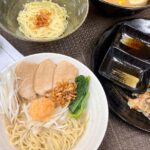
- A serving of the udon you made
- Tempura vegetables (served as part of the meal)
- Dashi dipping broth
- Fresh toppings like grated ginger and minced green onion
- Plenty to make it feel like a real Kyoto lunch, not a tiny snack
In some classes, there’s also a more playful touch. One review mentions learning a udon dance, and honestly, that kind of silliness is exactly what makes cooking classes memorable. It turns a skill session into a shared moment.
You can also read our reviews of more cooking classes in Kyoto


Where you eat
You eat after class at the on-site restaurant area associated with the Kyomachiya-style setup. The space is designed for a comfortable pause right after the hands-on work, which is ideal when you’re hungry and your hands are still slightly floury.
Local Teachers Make It Work (Tanaka-san and Hisayu)
Cooking is one thing. Teaching is another. This class clearly puts effort into instruction, and the staff are local to Kyoto with a deep understanding of Japanese culture.
If you’re wondering what English support looks like, it’s demonstrated step-by-step. Tanaka-san, in particular, is described as friendly and upbeat, with clear instructions and patience during hands-on work. Hisayu is also named as a teacher who keeps the class fun and supportive.
There’s also usually a bit of cultural framing. You’ll learn context around udon, including that the noodles originated in China (as explained during the experience). That turns your learning from purely practical into something you can connect to what you’re seeing in Kyoto outside the class.
If you want the cultural angle, pay attention during the explanations and don’t just sprint to the cutting board. If you want the practical angle, ask questions about texture—how dough should feel, how noodles should look when cut, and what to aim for next time.
Price and Value: $60.43 for a Private Midday Skill
At $60.43 per person for a private activity, the big question is value: is it worth it versus eating udon somewhere or doing a group class?
Here’s how I’d judge it:
- You’re paying for privacy. It’s only your group, which means you get more direct attention and a calmer pace. That matters if you’re traveling with kids, teens, or anyone who wants hands-on help without waiting.
- You’re paying for a historic setting and a full noodle-making process. Not everyone offers an actual handmade udon workflow. This one focuses on the steps that create the noodles from scratch.
- You get lunch right after. The included meal elements—your udon plus tempura vegetables and dashi—turn the class into an experience you can feel in your stomach, not just a lesson with a small tasting.
It’s also a popular option: it’s booked on average 16 days in advance, which is your hint that midday slots can fill. If you’re set on doing it, don’t wait until the last minute.
Is $60.43 cheap? No. But the price feels fair when you compare it to the cost of a private, hands-on food experience in Kyoto that also feeds you afterward.
Who Should Book This Udon Class (and Who Might Pass)
This experience works especially well for:
- Families with kids, because the process is structured to be child friendly, and the staff handle boiling so younger participants aren’t dealing with dangerous heat
- Teens and adults who want a clear, learnable cooking skill you can repeat at home
- People who want something Kyoto-authentic without needing a half-day commitment
It may be less ideal if you:
- Want to cook everything yourself. You make the udon, but you don’t boil the noodles, and tempura is provided rather than made by you.
- Are looking for a longer cooking course. The class itself is about one hour, so it’s focused and quick rather than slow and elaborate.
If you’re the type who likes hands-on travel—learning a technique, eating what you made, and leaving with a recipe—this is a strong match.
Should You Book This Private Udon Workshop?
Book it if you want a practical skill in a real Kyoto setting, not just a meal with a quick demo. The best reasons are straightforward: the historic house, the hands-on udon steps, and the fact that you eat your own noodles right after with a tempura set and dashi broth.
Skip or consider alternatives if your dream class includes full cooking control (including boiling) or if you want a longer multi-part culinary itinerary. This one is designed as a compact lunch-time experience—fun, focused, and well run.
If you’re planning around the 12:00 pm start and you’re okay with flour on your clothes, this private class is a very smart use of a Kyoto afternoon.
FAQ
FAQ
Where is the meeting point for the class?
The meeting point is at 364 Momijichō, Shimogyo Ward, Kyoto, 600-8345, Japan.
What time does the experience start?
The start time is 12:00 pm.
How long does the udon class take?
It’s listed as about 1 hour.
Is this experience private?
Yes. Only your group participates.
Do we make tempura during the class?
No. A separate tempura set is provided for the meal, so you don’t need to make tempura.
Do I boil the udon noodles myself?
No. The class is described as one where you make the udon but do not boil them yourself.
What do you do right after the class?
You can relax and enjoy the udon you made by yourself in the on-site meal area.
Who teaches the class?
The teachers are local to Kyoto, and names like Tanaka-san and Hisayu are mentioned.
Is the instruction provided in English?
English instruction is described as being used during the class.
What is the cancellation policy?
Free cancellation is available up to 24 hours before the start time for a full refund. If canceled less than 24 hours before, the amount paid is not refunded.