REVIEW · KYOTO
Authentic knife making experience at a blacksmith in Kyoto
Book on GetYourGuide →Operated by Kendo Experience · Bookable on GetYourGuide
Hot steel, real hammering, and a take-home knife. This rare Kyoto experience turns you into a short-term smith, with instructor Mao walking you through traditional steps for making a Japanese kitchen blade. You’re not watching a demo from the back of a room—you’re learning the rhythm of the forge and leaving with a usable souvenir.
I love that you’ll start by getting kitted out in traditional blacksmith attire, which makes the whole session feel serious (in a fun way). I also like how the workshop is built for real outputs: you go all the way from red-hot steel to sharpening stones and a final finish, and the studio team helps you get something you can actually use. One consideration: the work is physical and hot, and the session involves danger-level material handling, so come ready to follow instructions closely and accept that this is not a sit-and-watch activity.
In This Review
- Key Points Before You Go
- Why This Kyoto Knife Workshop Feels Like Craft, Not Tourism
- Getting There: Yase-Hieizan Exit, Sakyo-ku, and Two Studio Locations
- Your 3-Hour Flow: From Check-In to Your Finished 13–15 cm Knife
- 1) Check-in and meet the instructor
- 2) Change into traditional blacksmith attire
- 3) Tool talk and safety basics
- 4) The forging process explained
- 5) Heat: get the steel glowing
- 6) The highlight: forging the blade with guided hammering
- 7) Cooling and refining
- 8) Sharpening: stones and grinders
- 9) Polishing and final finish
- 10) Take-home time
- The Forging Work: Heat, Angles, and Why This Is Rare in Kyoto
- Sharpening and Finish: What “Looks Good” Means for a Knife’s Real Use
- What You Take Home: Knife + Packing That Actually Helps
- Instructors, Language, and the Small-Group Advantage
- Price and Value: Is $154 Worth a Handmade Knife in Kyoto?
- Tips to Make the Session Easier (and More Fun)
- Bring socks
- Stretch before you hammer
- Decide early if you want a handle
- Plan extra time for studio location
- Expect heat and take it seriously
- Who Should Book This Knife-Making Workshop
- Should You Book? My Practical Take
- FAQ
- How long is the knife-making experience in Kyoto?
- What size knife will I make?
- Where do I meet, and what if the studio location changes?
- What should I bring?
- Is prior knife-making experience required?
- What languages are available?
- Can kids join?
- Are alcohol or drugs allowed?
- What’s included in the price?
Key Points Before You Go
- A knife you can actually use: your finished blade is about 13–15 cm and comes in a box and bag.
- Traditional steps, not a shortcut: forging, cooling/refining, sharpening, then polishing.
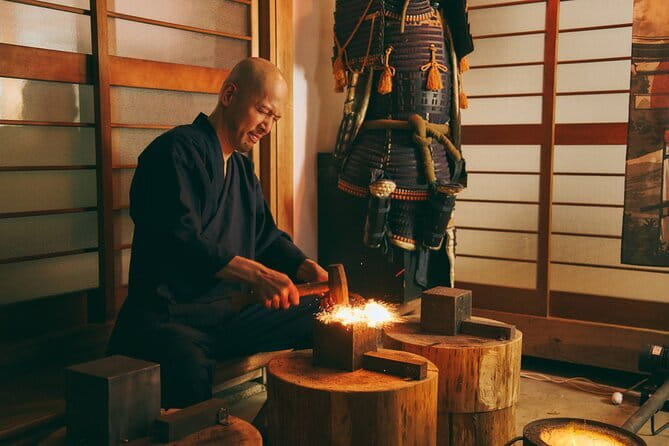
- Instructor-led hammering: you’re taught hammer angle and rhythm while working near heated steel.
- Convenient Kyoto access: the meeting point is about a one-minute walk from Yase-Hieizan Exit on the Eizan Electric Railway.
- Sessions include real craft extras: some groups report cooling breaks and small add-ons while you wait, like throwing star time and end-of-class snacks/drinks.
Why This Kyoto Knife Workshop Feels Like Craft, Not Tourism
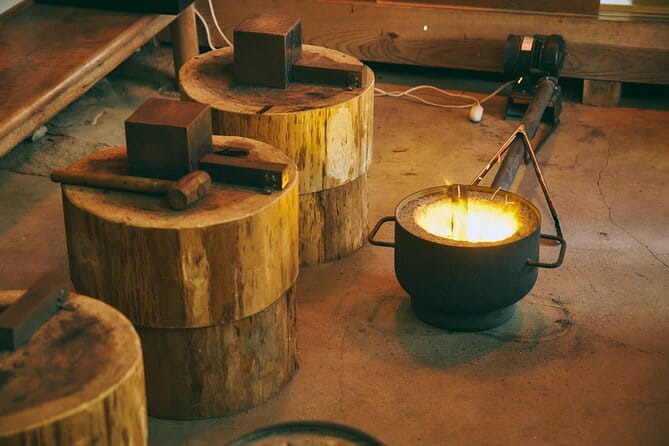
Kyoto is full of polite culture experiences, the kind where you learn a little and buy a little. This one works differently. You spend your time doing the hard part—handling tools, working near heat, and building a blade shape with your own strikes.
What makes it stand out is the full process arc. The workshop doesn’t just show you “the idea of forging.” It takes you through the sequence that matters: heat, hammer work, cooling and refining, sharpening, and then the final polish. By the end, you have something giftable and practical, not a decoration that stays in a drawer.
And there’s the big “why now?” factor: blacksmithing is extremely rare even in Japan. In a country known for craft, you’re still getting something unusual here—hands-on work that you’ll almost never see unless you go looking for it.
You can also read our reviews of more tours and experiences in Kyoto.



Getting There: Yase-Hieizan Exit, Sakyo-ku, and Two Studio Locations
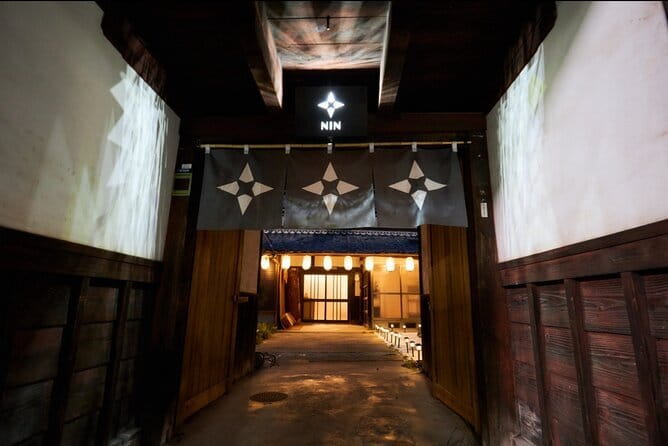
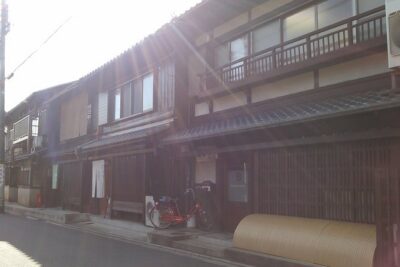
Location is a major plus. The meeting point is Studio Shinobi YASE (168-1 Yase-no-secho, Sakyo-ku). It’s a one-minute walk from the Yase-Hieizan Exit of the Eizan Electric Railway. That’s the kind of “no-stress start” that matters when you’re visiting multiple neighborhoods in one day.
There’s also a detail that can confuse first-timers: the class can run out of two studios in Sakyo-ku—Studio NIN Yase or Studio NIN Kendo. Your staff will message you before your visit to confirm which location you should attend. A few people noted that it’s easy to end up at the wrong studio if you rely only on directions, so treat that message as your truth.
If you’re deciding between train and taxi, choose based on your patience level. The studio recommends coming by train, and taxis are available if you prefer direct door-to-door. Either way, give yourself extra time to account for the studio-location switch.
Your 3-Hour Flow: From Check-In to Your Finished 13–15 cm Knife
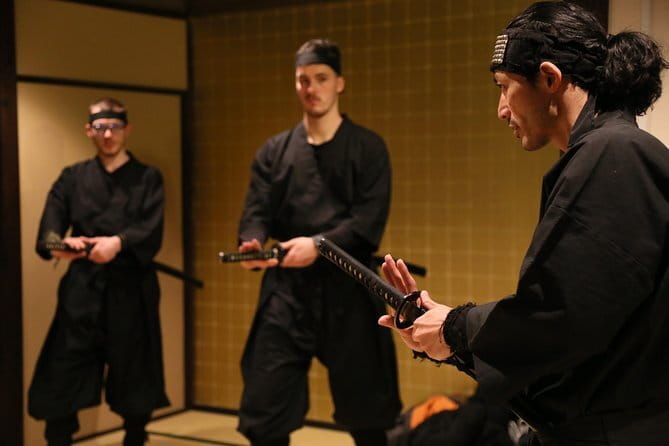
This workshop is timed tightly: 3 hours total. It feels fast while you’re working, but you still cover every major step that turns raw steel into a knife you can take home.
Here’s how the session runs, step by step:
1) Check-in and meet the instructor
You arrive at the studio and meet your instructor. Mao is listed as the lead professional knife smith with over 10 years of experience, and other instructors may support depending on the session. In real class feedback, names like Taka, Mits, Atsushi, and Daiki come up as part of the teaching team. Translation and encouragement are part of the package—classes can be English or Japanese.
2) Change into traditional blacksmith attire
You’ll put on a craftsman’s uniform used by Japanese smiths. This isn’t just for photos. It’s a cue that the studio expects real work, and it helps you feel like you’re inside a working craft space rather than at a polished tourist workshop.


3) Tool talk and safety basics
Before heat and hammering, you’ll learn how to handle the key blacksmithing tools: hammers, tongs, grinders, and the setup around them. They emphasize clear safety guidance so you’re not guessing. You’re working with equipment in a studio designed for it, but you still have to follow instructions like a grown-up.
4) The forging process explained
Mao explains the traditional techniques behind Japanese kitchen knives and walks you through what each phase does. You’re not just copying moves—you’re learning what the steel needs at each stage.
5) Heat: get the steel glowing
The raw iron is placed into the furnace and heated until it glows red-hot. This is where the experience goes from “hands-on” to “real forging.” You’ll see the process at the moment when timing and control matter.
6) The highlight: forging the blade with guided hammering
This is the main event. Under close guidance, you repeatedly strike the glowing steel with a hammer. You’ll learn the correct hammer angle, the rhythm of effective strikes, and how to stay safe while working near the heated material.
This part is physical. Some people said it’s more tiresome than expected. That’s normal. Think of it as strength + accuracy practice.
7) Cooling and refining
After shaping comes cooling and checking the shape. Then you refine rough edges and prepare the blade for sharpening. This stage is where your knife starts looking like a blade instead of a block.
8) Sharpening: stones and grinders
You learn sharpening using sharpening stones and grinders. If you’re a beginner, this is the section that makes you feel capable fast, because the team’s instruction is practical and hands-on.
9) Polishing and final finish
You polish the blade to a clean, elegant finish. You also get time for photos and video throughout the process, not just at the end.
10) Take-home time
Your finished knife—about 13–15 cm long—can be taken home. You also receive packing support in a box and bag, which is a big deal for gifts (and for flying home without stress).
The Forging Work: Heat, Angles, and Why This Is Rare in Kyoto
Most “make something in Japan” experiences are craft-adjacent. This one is craft-central. You are literally shaping steel through force and timing.
What you’ll notice is how precise the hammering guidance is. The instructor teaches hammer angle and rhythm, because random strikes don’t build a clean blade. The goal isn’t perfection on your first go—it’s learning why the process works.
And the temperature is serious. One piece of class feedback mentions working with steel around 800 to 900 °C. That helps explain why safety checks and tool handling matter so much. You’re not just swinging a hammer for fun—you’re learning the controlled movement that blacksmiths use to shape metal.
If you want a souvenir that feels earned, this is it. You don’t buy a knife and call it a day. You build one.
Sharpening and Finish: What “Looks Good” Means for a Knife’s Real Use
Sharpening is where the experience shifts from shaping to function. Using sharpening stones and grinders, you learn how an edge comes to life.
Finish details matter too. Some session feedback highlights a Kurouchi finish, a rustic look tied to the forge aesthetic, and it’s also said to help with anti-rust properties. So if you’re tempted to “make it silver and shiny,” remember that the charm is part of the design. Your blade’s finish isn’t just decoration—it’s part of how the makers protect and present the knife.
One practical note: the knives you make aren’t mass-produced. Even if you follow every instruction, your final results reflect your hands and timing. That’s not a downside. It’s exactly why the knife feels personal.
What You Take Home: Knife + Packing That Actually Helps
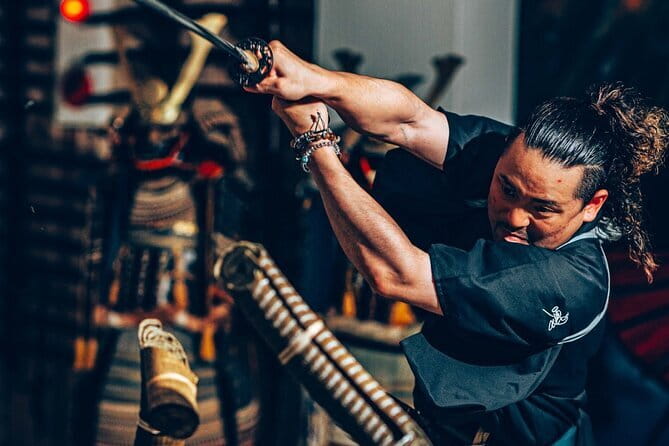
By the end, you’ll take a knife roughly 13–15 cm long. That size hits the sweet spot for a lot of everyday kitchen tasks and gift-giving. It’s also manageable for travel, especially since you get packaging support.
Included in the experience:
- Costume
- Towel
- Water
- Tools and materials
- Box and bag
Those last two—box and bag—are more valuable than they sound. A handmade knife can be a pain to transport without proper protection, so having packing built into the workshop is part of the real value.
Gift tip: if you’re buying for someone who cooks, this is more meaningful than most souvenirs. You’re handing them an object tied to a specific place, a specific process, and your own effort.
Instructors, Language, and the Small-Group Advantage
The class runs with small group availability, which changes the whole feel. It’s easier to get quick corrections when someone can see your angle and adjust before you build bad habits.
Mao is the lead professional knife smith in the program outline. In session experiences, you’ll also see names like Taka and other team members (Mits, Atsushi, Daiki) credited for guiding, correcting, and keeping the tone upbeat. The consistent theme is patient instruction—clear steps, active help, and a focus on getting you to a finished knife.
Language support is practical: the workshop offers English and Japanese. That’s enough to keep you moving through tool handling and sharpening without feeling lost.
Price and Value: Is $154 Worth a Handmade Knife in Kyoto?
$154 for a 3-hour workshop sounds specific, and it is. The value comes from what’s included and what you leave with.
Here’s the math that matters:
- You’re paying for instruction from multiple craft professionals.
- You’re using real tools, materials, and a controlled studio setup.
- You take home the result: a functional knife about 13–15 cm.
- Packing (box + bag) is included.
If you were to buy a decent knife “because it’s Japan,” you’d spend time shopping, comparing, and worrying about whether you got good value. Here, you’re buying the experience of making something useful, and the output is part of the price.
One more value angle: this is rare blacksmithing. You’re paying not just for labor, but for access to a skill that’s hard to experience firsthand.
A consideration on pricing: larger knives require over 5 hours and cost more than $400. This session is a refined 2.5-hour format within the listed 3-hour duration structure, designed around getting you a take-home knife you can manage in time.
Tips to Make the Session Easier (and More Fun)
You can make this smoother with a few simple moves.
Bring socks
This is the one item you’re specifically told to bring. Don’t show up in bare feet or random shoes planning to wing it. Socks are part of studio readiness.
Stretch before you hammer
One class note is blunt: stretch before attending. Your arms and shoulders will thank you. It’s not just “try it once.” You’ll hammer repeatedly.
Decide early if you want a handle
Some feedback mentions you can choose whether your knife has a handle, and the handled version costs 5000 yen extra (paid in cash or credit card/Apple Pay). If you think you want a handle, decide early so it doesn’t become a last-minute scramble.
Plan extra time for studio location
Because there are two Sakyo-ku studios and staff will message your exact location, plan buffer time. If you’re rushing, you’ll feel it.
Expect heat and take it seriously
This is a hands-on forge. Some people mention cooling aids like frozen neck coolers and the studio has air conditioning. Even with that, you’re still working around intense heat. Take breaks when advised and follow tool instructions exactly.
Who Should Book This Knife-Making Workshop
This fits best if you:
- Want a hands-on craft experience instead of a museum-style activity
- Like practical souvenirs you’ll actually use
- Enjoy learning by doing, even if you’re a beginner
- Want something different from the usual Kyoto checklist
It’s also a solid family option depending on ages. One review credits a session with a 13-year-old, but the workshop rules say children under 15 must be accompanied by a guardian. If anyone in your group is near that age boundary, ask and plan carefully.
It is not for everyone. The experience is not suitable for people over 95, and it involves work that can be dangerous if safety rules are ignored. If you have concerns about heat, physical effort, or tool handling, choose another type of activity.
Should You Book? My Practical Take
Yes, you should book it if you want a Kyoto souvenir with real value: a functional knife, made by your own hands, tied to a craft that’s genuinely rare. The price makes sense when you consider the included materials, the full forging-to-sharpening workflow, the packing, and the skill access.
I’d skip or rethink it if you’re looking for something low-effort, purely scenic, or mostly instructional. This workshop asks you to work—at a forge pace, with heat and tools—so you’ll enjoy it most if you’re comfortable with that tradeoff.
If you do book, bring socks, stretch, and take the safety talk seriously. Do those three things and you’ll end the session with something you can use and actually remember.
FAQ
How long is the knife-making experience in Kyoto?
The workshop duration is 3 hours.
What size knife will I make?
Your finished knife is about 13–15 cm long.
Where do I meet, and what if the studio location changes?
You meet at Studio Shinobi YASE (168-1 Yase-no-secho, Sakyo-ku), about a one-minute walk from the Yase-Hieizan Exit of the Eizan Electric Railway. The workshop can run from Studio NIN Yase or Studio NIN Kendo, and your staff will message you prior to your visit to confirm which studio you should attend.
What should I bring?
Bring socks.
Is prior knife-making experience required?
No prior experience is required. You’ll be guided step by step by the instructor and staff, including during hammering and sharpening.
What languages are available?
Instruction is available in English and Japanese.
Can kids join?
Children under 15 must be accompanied by a guardian. The workshop is not suitable for people over 95.
Are alcohol or drugs allowed?
No. Alcohol and drugs are not allowed.
What’s included in the price?
Included items are costume, towel, water, tools, materials, box, and bag.