REVIEW · KYOTO
Home style Ramen and Homemade Gyoza in Kyoto
Book on Viator →Operated by Nariko's Kitchen · Bookable on Viator
Ramen, gyoza, and knife work in a Kyoto home. This hands-on class with Nariko’s Kitchen turns you from hungry tourist into someone who can make Japanese food that actually holds up at the table. I love that the focus is home-style technique, not just watching and sampling.
Two standout parts for me are the broth-making and the gyoza skins. You’ll learn to build the ramen soup using simple ingredients (including dried fish for the broth), then make gyoza wrappers from scratch and season and shape them before you eat. It’s also a genuinely small class size (max 8), which keeps instruction personal.
One important consideration: it is not vegetarian, and you also do not make ramen noodles here. If you need a vegetarian meal or you’re expecting to roll out ramen noodles, you’ll want to pick a different cooking experience.
In This Review
- Why Nariko’s Kyoto ramen-and-gyoza class feels different
- What you make: ramen soup, gyoza wrappers, and cucumber pickles
- Ramen soup (broth-focused)
- Gyoza with homemade skins (wrappers from scratch)
- Cucumber pickles (simple, fast side magic)
- The real itinerary: how a 3.5-hour cooking session plays out
- Small group energy in a clean Kyoto home kitchen
- What makes the recipes useful back home
- Price and value: what $118.92 really buys you
- Who should book this class (and who should skip it)
- Perfect if you want hands-on ramen-and-gyoza skills
- Great for couples and small groups
- Families with kids age 10+
- Skip if you need vegetarian food or ramen noodles
- Practical tips before you go
- Should you book Nariko’s home-style ramen and gyoza class?
- FAQ
- Where is the class meeting point, and what time does it start?
- How long is the experience?
- Is this class vegetarian-friendly?
- Do you make ramen noodles in this class?
- Can children participate?
- How big is the group?
- What happens if I cancel?
Why Nariko’s Kyoto ramen-and-gyoza class feels different
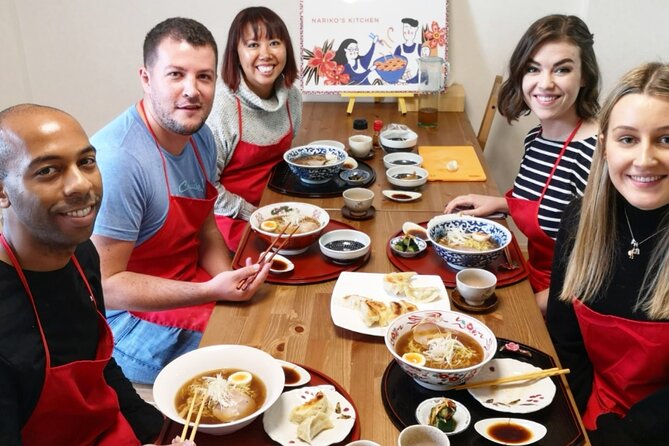
This is the kind of activity that makes sense on a trip day when you want something local but still practical. You’re in a private home kitchen in Kyoto, not a loud demo room, and you’re doing the work alongside the instructor.
Nariko runs the class with a clear, step-by-step flow—so even if you’ve never held a chef’s knife in Japan, you’re not left floundering. The small-group setup also makes it easier to ask questions and learn the little decisions that separate ok dumplings from dumplings that taste right.
What you make: ramen soup, gyoza wrappers, and cucumber pickles
You’re not just eating Japanese comfort food. You’re learning how it’s put together.
You can also read our reviews of more tours and experiences in Kyoto.
Ramen soup (broth-focused)
The class centers on making ramen using Nariko’s mother’s recipe for the soup. A key detail: the broth uses dried fish, which is very common in ramen. You’ll learn how this ingredient fits into the flavor base, and you’ll taste how the broth changes as it comes together.
Worth noting for your planning: since dried fish is part of the broth, the class can’t be made without it. If vegetarian is a must for you, this won’t work.
Gyoza with homemade skins (wrappers from scratch)
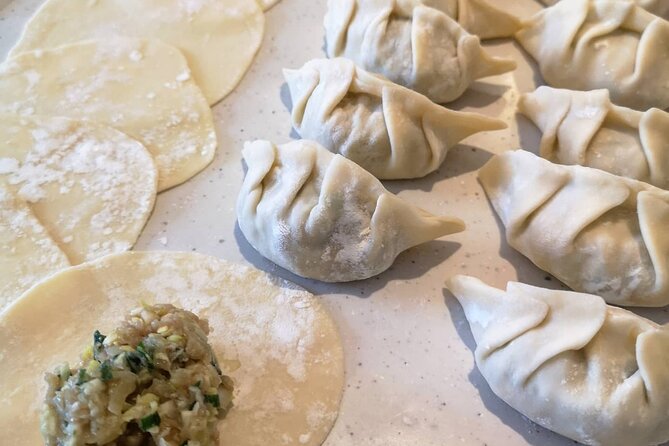
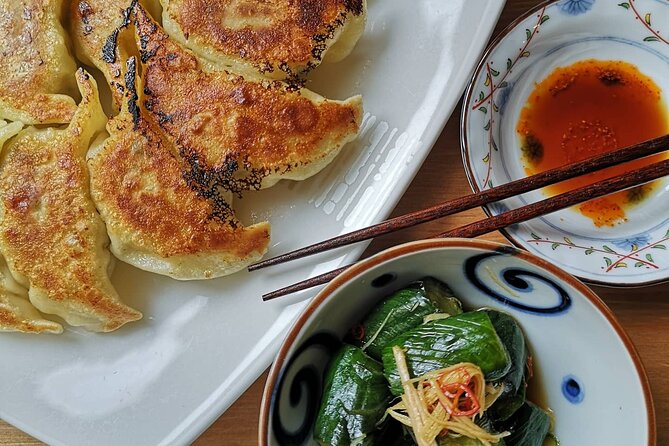
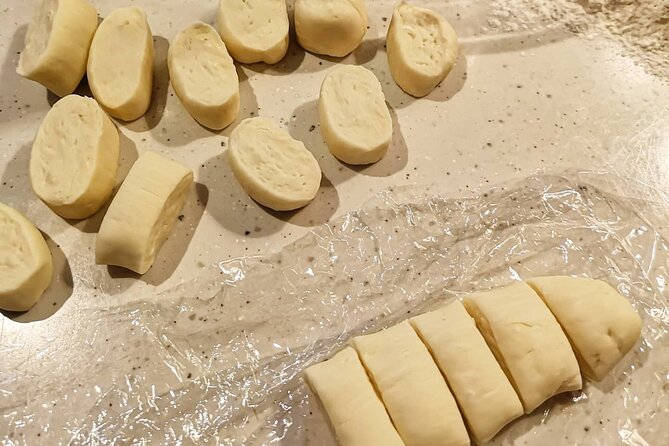
You’ll make gyoza the old-school way: homemade wrappers/skins, then fill and shape dumplings. You won’t just buy ready-made dough and call it a day. This is the part where the hands-on payoff feels biggest because you can see your work turn into food you’ll eat.
Also, you’ll be using a knife during the class. That’s why the minimum age is set at 10 and why children are expected to be able to use a knife.
Cucumber pickles (simple, fast side magic)
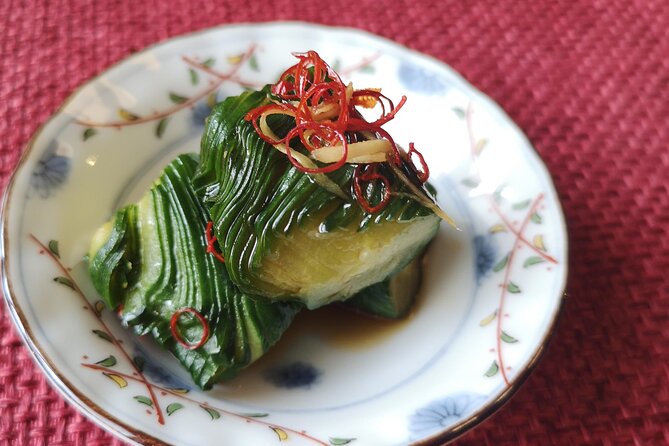
You also make cucumber pickles. This matters because pickles aren’t just a side dish—they’re a contrast. Crunchy, tangy notes help cut through richer flavors from broth and dumplings, and you’ll likely find you eat more because the menu has balance.
The real itinerary: how a 3.5-hour cooking session plays out
The class runs about 3 hours 30 minutes and starts at 10:00 am. It ends back at the same meeting point, so you’re not dealing with a long transfer or a complicated end location.
Here’s what the timing tends to feel like, based on how the class is structured:
1) Set-up and ingredient prep
You’ll start in the kitchen with ingredients ready, then begin prep work. Expect technique-first instruction, not just a checklist.
2) Broth and flavor building
While one part of the menu is more “hands-off,” you still learn the logic: what you’re trying to achieve with each stage of the soup, and how dried fish contributes to depth.
3) Gyoza wrappers and filling
This is the most active section. You’ll handle dough for the skins, then work on assembling the dumplings. You’ll learn how to cut or slice vegetables and how to handle portions so the final dumplings don’t fall apart.
4) Pickles
While dumplings work through their own timeline, you’ll handle the cucumber pickles—often the kind of task that teaches you flavor seasoning without feeling like chemistry homework.
5) Cook and taste your meal
After you’ve made the components, you get to taste what you made. And yes, you eat the results, not just sample a tiny bite.
Small group energy in a clean Kyoto home kitchen
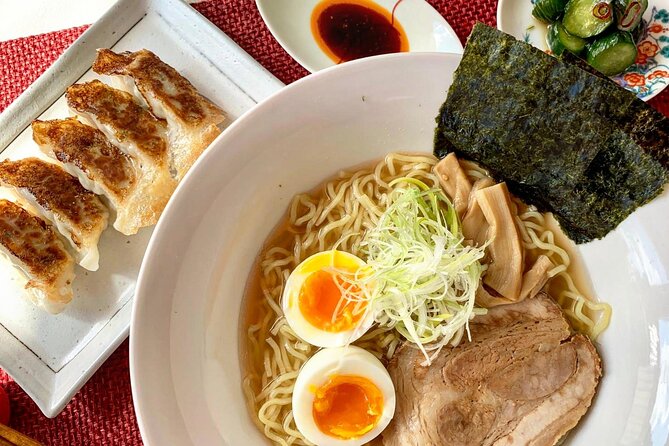
This class caps at 8 people, and only participants can attend. That limitation changes the whole feel of the experience. You’re not squeezed in with strangers while the instructor tries to manage a crowd.
I also like that the teaching style supports beginners. Multiple people note how patient the instruction is and how Nariko includes everyone in the steps—so you’re not stuck watching someone else do everything. It’s hands-on, and it stays calm.
The setting itself matters too. The kitchen is described as very clean and well set up for teaching, and the home environment feels comfortable. That matters when you’re doing knife work and dough work, because you want a space that feels safe and organized.
What makes the recipes useful back home
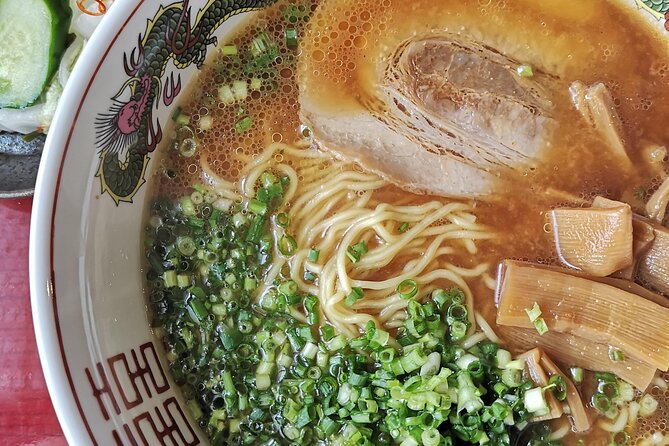
A cooking class only feels worth it if you can repeat it later. This one helps because it’s built on transferable skills.
You’ll learn:
- How ramen soup flavor is constructed using a typical dried-fish base
- How to make gyoza wrappers/skins instead of relying on packaged dough
- How to shape dumplings so they hold together
And you get recipes after the class. That’s the part that turns the experience from a single-day fun event into something you can recreate at home when your cravings hit and you want a real project.
One more practical plus: the class doesn’t try to cover everything Japanese cooking. It focuses. That makes it easier for you to remember the steps that matter, and it makes your takeaway more likely to actually end up on your dinner plan.
Price and value: what $118.92 really buys you
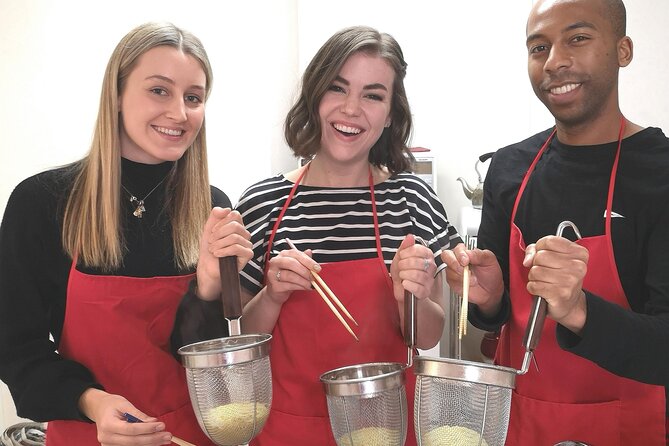
At $118.92 per person, this isn’t the cheapest thing on a Kyoto calendar. But it also isn’t a token tasting.
You’re paying for:
- A private-home setting (not a mass class)
- A structured, step-by-step lesson with real knife-and-dough work
- Broth-making plus gyoza wrappers from scratch
- A meal built from what you cook, plus cucumber pickles
- A small group experience (max 8), which increases instructor attention
For me, the value comes from the “do it yourself” format. If you’ve ever taken a cooking class where you chop for five minutes and then eat someone else’s masterpiece, you’ll understand the difference here. This class is centered on making the core items that define the meal.
Who should book this class (and who should skip it)
Perfect if you want hands-on ramen-and-gyoza skills
If you like the idea of cooking back home—rather than collecting photos—this is a strong match. The broth focus plus wrapper-making gives you real technique, not just flavor tips.
Great for couples and small groups
The small group size makes it easy to connect with Nariko and with other classmates without chaos. Many people mention how charming and civilized the meal feels afterward, which lines up with the home-kitchen setup.
Families with kids age 10+
Children must be older than 10 and able to use a knife. If you’ve got a kid who’s curious and capable, this can be a fun family project day.
Skip if you need vegetarian food or ramen noodles
This class cannot be made vegetarian because dried fish is used in the soup. And you won’t make ramen noodles—only the soup and gyoza.
Practical tips before you go
Here are a few things that will help you enjoy the class more:
- Arrive on time for the 10:00 am start. The session is only about 3.5 hours, so schedule slippage matters.
- Plan on knife work. Wear something comfortable and practical for a kitchen environment.
- If you have dietary needs, tell Nariko before you book. The policy is clear that some requests may not be possible.
- If you’re traveling light, remember you’ll need to bring any essentials you like for a cooking class day (water, comfort items). The tour info confirms you’ll receive a mobile ticket, but it doesn’t say anything about lockers or extras.
Also: since the meeting point is near public transportation, you can keep your Kyoto plan simple. You don’t need a car or a long taxi hop to get here.
Should you book Nariko’s home-style ramen and gyoza class?
If you want a Kyoto experience that feels genuinely Japanese but still gives you something practical afterward, I think this one is a good bet. The big strengths are the from-scratch gyoza wrapper work, the ramen broth lesson, and the small group attention that makes the whole thing feel friendly rather than rushed.
Book it if:
- You’re excited to cook, not just taste
- You want recipes and skills you can repeat at home
- You’re traveling with a partner, friends, or older kids (10+)
Skip it if:
- Vegetarian cooking is required
- You were hoping to make ramen noodles here
- You’re looking for a spectator-style activity
FAQ
Where is the class meeting point, and what time does it start?
The class starts at 5-6 Matsugasaki Rokunotsubochō, Sakyo Ward, Kyoto, 606-0915, Japan. The start time is 10:00 am.
How long is the experience?
It runs about 3 hours 30 minutes.
Is this class vegetarian-friendly?
No. The ramen soup uses dried fish, and the class can’t be made vegetarian.
Do you make ramen noodles in this class?
No. You make ramen soup, but the class does not include making ramen noodles.
Can children participate?
Participants must be older than 10, and children should be able to use a knife.
How big is the group?
The class has a maximum of 8 travelers, and only participants can attend due to limited space.
What happens if I cancel?
This experience is non-refundable and cannot be changed for any reason. If you cancel, the amount you paid is not refunded.