One quiet hour can change your whole day. This Jusho-in Zen Experience puts you in a real temple space for guided zazen, then follows it with matcha and seasonal sweets in the view of a garden tied to a famous painter. The big draw for me is the chance to learn Zen practice face-to-face with Eitetsu Nishida, the 16th generation abbot of Jusho-in, not just watch from the sidelines.
Two specific things I like a lot: the structure of the day (you get two focused zazen sessions instead of a quick demo), and the way the tea portion connects practice to daily life, not just to taste. One thing to consider first: sitting still for 20 minutes at a time can be tough if your legs don’t like it—this tour provides chairs, but it’s still a meditation format, not a casual stroll.
In This Review
- Key Highlights You Should Care About
- Why Jusho-in Feels Like a Reset in Kyoto
- Getting There: Meeting at the North Gate and Walking In
- Zazen With Eitetsu Nishida: Two 20-Minute Sessions That Actually Teach
- The Follow-Up Sermon: Zen Philosophy in Plain Language
- Matcha and Seasonal Sweets: How Tea Becomes Part of Practice
- The 400-Year Garden: Watching the Seasons While You Breathe
- A Photographer Captures the Moment Without Turning It Into a Show
- Practical Expectations: What Timing and Group Style Feel Like
- Who This Is For (and Who Might Find It Tricky)
- Price and Value: Is $109 Worth Two Hours of Temple Practice?
- My Go/No-Go Advice: Should You Book This Zen Experience?
- FAQ
- How long is the Kyoto Zen Experience in a Hidden Temple?
- What happens during the zazen meditation?
- Is matcha and tea included?
- Who leads the experience?
- Does the tour run if it rains?
- If I can’t sit cross-legged, is there support?
- Is it recommended to wear a rented kimono?
- When do I receive the photos and is cancellation refundable?
Key Highlights You Should Care About
- Two rounds of zazen (20 minutes each) with calm guidance, so you can actually try the practice instead of rushing it
- Eitetsu Nishida’s abbot-level teaching on Zen philosophy and meditation etiquette
- Matcha served with seasonal Japanese sweets plus an explanation of the tea’s history and spirit
- A garden attributed to Eitoku Kano that stays the same and shifts beautifully with the seasons
- A photographer captures your moments with SLR photos sent to you a few days later
- Rain or shine, structured time in a temple setting that helps you slow down fast
Why Jusho-in Feels Like a Reset in Kyoto
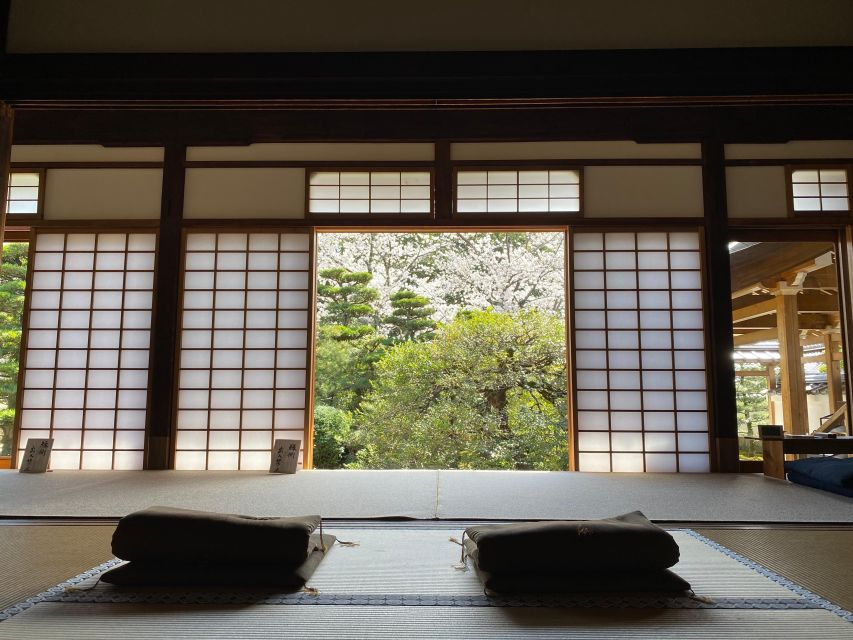
Kyoto can be loud. Even when you’re trying to stay respectful, the crowds and constant walking can grind your focus down. This experience is built for the opposite feeling: quiet attention, slow breathing, and a direct look at how Zen practice is done with your body, not just your thoughts.
Jusho-in sits inside the Myoshin-ji complex, which is Japan’s largest Zen temple. Jusho-in itself was founded in 1599 and is one of 46 sub-temples in the complex—so you’re not just visiting a single building. You’re entering a place with layers of routine and history that still function as a living temple, not a museum set.
The garden is a big part of that calm. It’s attributed to Eitoku Kano, a 16th-century painter, and it’s said to have remained unchanged since its creation. In other words, you’re not looking at a trendy photo spot that got rebuilt for Instagram. You’re looking at a space designed to be lived with—spring blossoms, summer greenery, autumn leaves, and winter snow.
You can also read our reviews of more tours and experiences in Kyoto.
Getting There: Meeting at the North Gate and Walking In
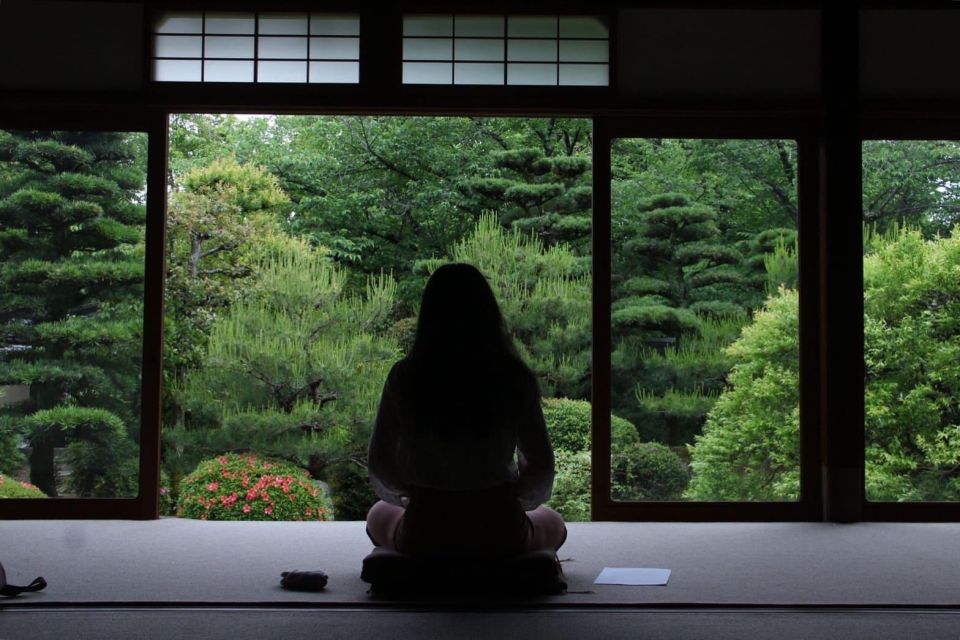
You’ll meet at the north gate of Myoshin-ji, with the listed starting option at 18 Taniguchisonomachi (北総門). From there, you walk with a guide to Jusho-in. That short transfer matters more than it sounds. It acts like a buffer. You’re moving from street noise to temple rhythm before the meditation begins.
No hotel pickup is included, so plan to handle your own arrival and timing. The good news: it’s simple and focused. You’re not solving a bus schedule, then another station, then a maze of side streets.
Wear what lets you sit comfortably. There are no special costume rules. Still, I’d treat this like “dress for stillness,” not sightseeing. You also shouldn’t bring weapons or sharp objects, and alcohol and drugs are off the table. It’s a temple setting, so keep it practical.
Also note: it runs rain or shine. That’s not a problem if you’re prepared with layers. It is a reminder that the experience is meant to be practiced in real conditions, not only the perfect weather-day version.
Zazen With Eitetsu Nishida: Two 20-Minute Sessions That Actually Teach
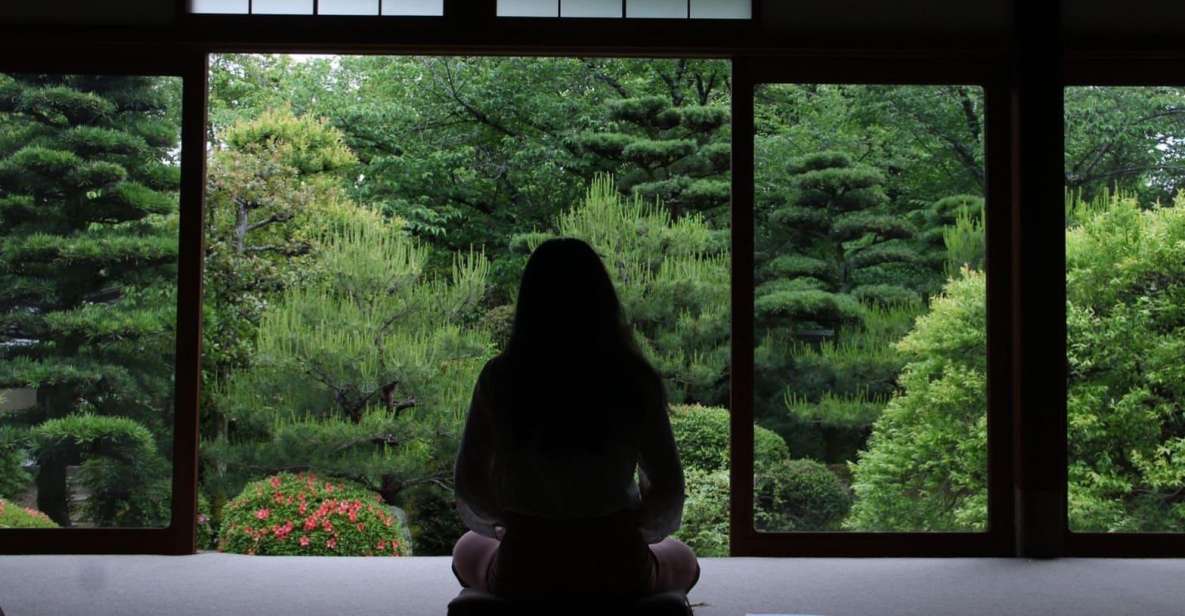
The main event is zazen meditation, guided at Jusho-in. You’ll do two separate blocks of 20 minutes each. That’s long enough to learn something real about what your mind does when it’s asked to stop chasing thoughts.
Eitetsu Nishida leads the practice as the 16th generation abbot. He’s also got an interesting background: he previously worked as a national public servant for 10 years before becoming a monk, and he completed rigorous training lasting three and a half years. People often assume temple teachers are distant. Here, the tone is reported as cheerful and approachable, including a reported love for animals.
Zen—specifically Rinzai Zen in this context—emphasizes direct experience over heavy reliance on written texts. Rinzai is also known for its intense practices aimed at sudden enlightenment (satori). You don’t need to chase “spiritual fireworks” to get value from this. What you’re really learning is how Zen treats attention: not as a mood, but as a training of posture, awareness, and patience.
Here’s the practical part you should remember: you’re likely to feel awkward at first. Many people think meditation should feel calm immediately. It doesn’t. Your job is to notice what happens—discomfort, restlessness, boredom—and return to the practice again and again.
If you need it, chairs are available. Seating is assigned in order of reservations, so earlier booking often means you’ll feel more comfortable with your placement. And if you’re wearing a rented kimono, you might find it harder to sit. The guidance here is clear: they don’t recommend rental kimono for comfort during meditation.
The Follow-Up Sermon: Zen Philosophy in Plain Language
Before or around the seated practice, you’ll hear the chief priest’s sermon as part of the experience. This isn’t just background “religion talk.” The goal is to give you a framework so you can make sense of what you’re doing during zazen.
Zen philosophy can sound abstract until you connect it to action: sitting, breathing, and the etiquette around stillness. The Rinzai tradition’s emphasis on direct experience matters because it keeps the lesson grounded. It’s not asking you to memorize doctrines first. It’s asking you to try the practice and learn from what you notice.
One small translation tip: the tour is in English with a live guide. If the chief monk’s English is harder to follow at moments, the guide and translator support the meaning. Don’t worry about perfect comprehension in every sentence. The tone, pacing, and body cues carry a lot of the teaching too.
Matcha and Seasonal Sweets: How Tea Becomes Part of Practice
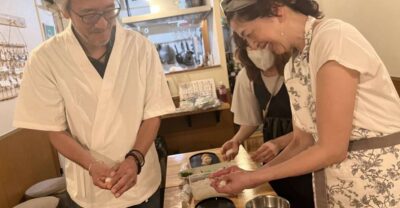
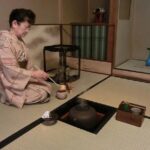
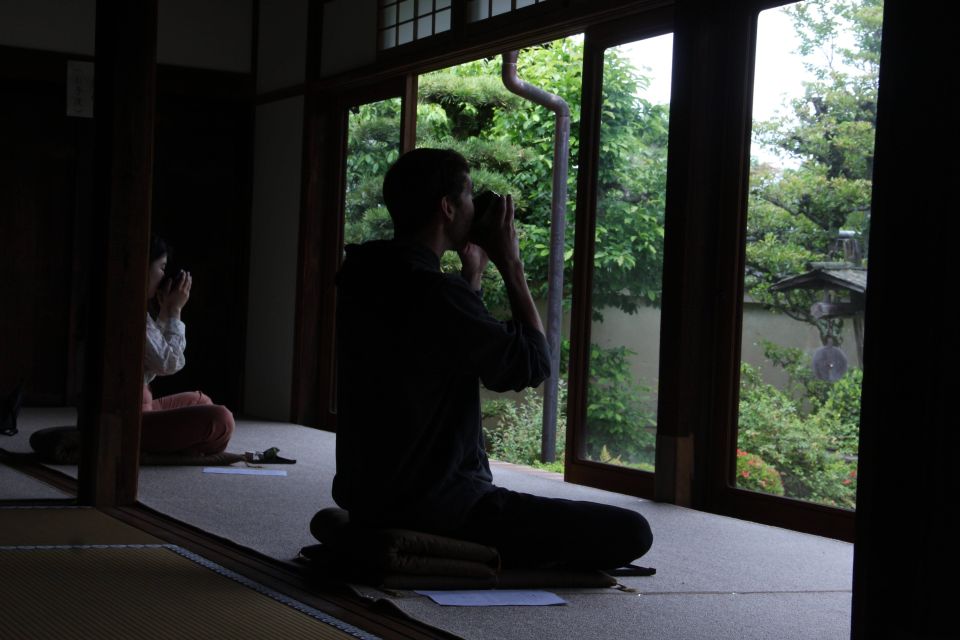
After zazen, you shift from sitting still to tasting something carefully. You’ll learn how to enjoy matcha, including its history, with Eitetsu Nishida guiding this part of the program.
This is where the experience becomes more than meditation. Matcha is not presented as a trendy drink. The tea portion is designed to help you feel the connection between Zen and tea practice—how attention turns into appreciation, and how taking something slowly changes how it lands in your body and mind.
You’ll be served Japanese tea and sweets, described as traditional and seasonal. Then you’ll drink matcha while you appreciate the garden. That combination works because your eyes get something to rest on, and your senses have a gentle task after the stillness.
One detail worth highlighting: this is not a rushed “sip and go” stop. The format gives you time to understand the tea portion as a cultural practice with its own etiquette.
If you’ve had matcha before, you may still find yourself surprised by the difference between drinking matcha casually and receiving it as part of a ritual. The sweets are meant to pair with the tea, not to fill empty space. You’ll likely appreciate the pacing more than the flavor novelty alone.
The 400-Year Garden: Watching the Seasons While You Breathe
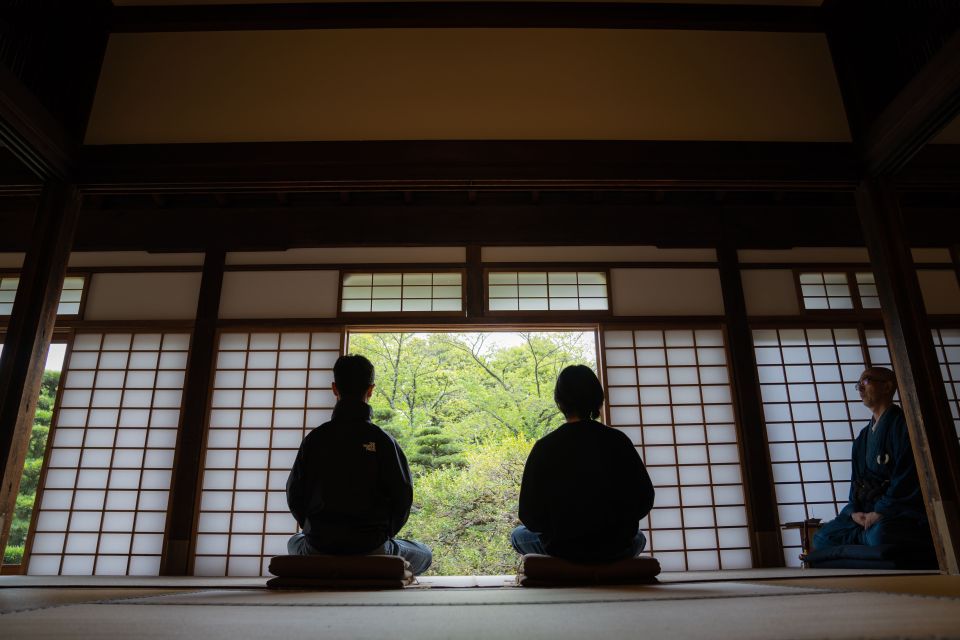
The garden at Jusho-in is tied to Eitoku Kano and is described as unchanged since its creation. That matters because you’re not looking at a constantly redesigned attraction. The space is meant to hold the same structure while the seasons add new layers.
Here’s what you can expect to feel: the garden gives your mind an anchor after meditation. When you sit in silence, your thoughts have a habit of turning into noise. Then you transition to a view that changes slowly—leaves, blossoms, winter outlines—and suddenly you have something gentle to focus on without needing to “do” anything.
The garden’s seasonal pattern is clear: cherry blossoms in spring, fresh greenery in summer, autumn leaves, and snow in winter. So even if you’re not there during a specific “peak” bloom, the place is still doing its job. It stays a calm background for attention.
If you like culture that feels lived-in rather than staged, this garden timing is a big reason the experience gets such strong feedback. It gives you a visual pause that matches the internal pause.
A Photographer Captures the Moment Without Turning It Into a Show
Meditation needs space. That’s hard when someone tries to turn your visit into a photo session with constant interruptions. This experience includes a photographer using a single-lens reflex camera, capturing moments during your time at the temple.
After the tour ends, you receive the photo data a few days later as a keepsake. That’s a thoughtful approach. You can focus on sitting and tasting without worrying about lining up shots yourself.
The practical side: expect that the photos are meant to document your experience, not to turn you into a performer. The structure of the day supports that. You’re given clear moments where pictures happen, and then you’re back to practice and reflection.
Practical Expectations: What Timing and Group Style Feel Like
This is about 2 hours total. That’s short enough to fit into a Kyoto schedule without stealing your whole day, but long enough to do something meaningful. Two zazen sessions alone take up most of that time, with time for learning and tea afterward.
The tour is a live guided experience in English. It also notes that private or small groups are available. If you’re sensitive to crowd energy, small-group time is a big advantage. Temple etiquette is easier when you’re not squeezed with dozens of people shifting around you.
Seating is assigned in the order of reservations. So if you know you’ll need chair support or a specific setup, don’t leave it to the last minute.
Bathrooms are available, which sounds minor until you’re actually planning your morning around a calm temple schedule.
Who This Is For (and Who Might Find It Tricky)
This tour is open to all ages. It’s also a good fit for you if you want something quieter than the typical Kyoto rush. If you’re looking for a break from constant walking and crowd noise, this is one of the most direct ways to reset.
It’s also well suited to first-timers. Even if you’ve never tried meditation, you’re guided through the basics and the etiquette of sitting. You’re not thrown into silent confusion with no support.
Where it can be tricky:
- If you cannot sit upright comfortably, you’ll want to use the chair option. Chairs are available, but it’s still a seated practice.
- If you were planning to wear a rented kimono, the guidance says it can be difficult to sit and meditate comfortably. You’ll likely get more out of the session in normal clothes that allow you to settle.
If you go expecting it to feel like a spa moment, you’ll be disappointed. This is steadiness training. The stillness is the point.
Price and Value: Is $109 Worth Two Hours of Temple Practice?
At $109 per person, the value depends on what you want from Kyoto. If you want another checklist temple stop with a souvenir photo, you’ll find cheaper options. But if you want an organized, respectful practice session with teaching, temple entry, tea, and photos, this price makes sense.
Here’s what’s included:
- Guide and temple entry ticket
- Chief priest’s sermon
- Japanese tea and sweets (matcha experience)
- Photographer coverage with SLR photos sent a few days later
You’re paying for time with a temple leader and for the structure that makes the experience work: translation support, organized seating, and a clear flow that doesn’t leave you guessing what to do next.
Also, it’s only about two hours. You’re not paying for a half-day of transit or for a long, unfocused tour that tries to cram too much in. You’re paying for one focused practice cycle plus tea.
One more value angle: Kyoto is full of places where you can see Zen aesthetics. This experience tries to teach the practice behind it. That difference is what makes the experience worth your time and money.
My Go/No-Go Advice: Should You Book This Zen Experience?
Book it if you want a calm Kyoto morning with real practice time—two rounds of zazen, guided instruction, and a matcha lesson that ties back to attention. You’ll love this most if you’re curious about Zen beyond aesthetics, and you’re okay with the idea that stillness doesn’t automatically feel easy.
Don’t book it if you’re looking for a casual walk-through or if you know you can’t handle sitting upright for 20-minute blocks, even with chair support. It’s also not wheelchair accessible, even though chairs are available for those needing assistance during zazen.
If you’re on the fence, think about this simple question: do you want Kyoto to feel like motion, or do you want a real pause built into your schedule? If you choose pause, this one fits.
FAQ
How long is the Kyoto Zen Experience in a Hidden Temple?
The experience lasts about 2 hours, including explanations of zazen and the matcha/tea portion.
What happens during the zazen meditation?
You’ll take part in two sets of 20-minute zazen sessions with guidance as part of the experience.
Is matcha and tea included?
Yes. After zazen, you’ll learn about matcha and enjoy Japanese tea along with traditional seasonal sweets.
Who leads the experience?
The practice includes guidance from the chief priest at Jusho-in, specifically Eitetsu Nishida, the 16th generation abbot.
Does the tour run if it rains?
Yes. The experience takes place rain or shine.
If I can’t sit cross-legged, is there support?
Chairs are available for those needing assistance during zazen. The tour is not wheelchair accessible.
Is it recommended to wear a rented kimono?
They don’t recommend rental kimono for this meditation, because it can be difficult to sit comfortably.
When do I receive the photos and is cancellation refundable?
A photographer takes SLR photos during the experience, and you receive the photo data a few days later. Full refunds are available for cancellations up to 24 hours before the tour.