REVIEW · KYOTO
Kyoto Highlights 7-Hour Private Guided Tour
Book on GetYourGuide →Operated by WaRaiDo Guide Networks · Bookable on GetYourGuide
Kyoto can feel like a lot at once. This 7-hour private guided tour keeps it manageable by bundling major sights into one smooth day. I like that you can pick a northwest or southeast route, so you’re not stuck doing stops that don’t match your interests. The one drawback to plan around: you’ll be on the move for a full 7 hours, with food and drink left out of the package.
What makes this tour especially useful is how it turns big-name places into something you can actually connect—temples aren’t just photos, and markets aren’t just crowds. I also love the practical touch that the tour includes transportation plus a 1-day bus pass you can use after the guided portion. The pace is described as relaxing in the feedback, but it’s still a curated day, so you’ll want sensible shoes and a flexible attitude.
In This Review
- Key Things That Make This Kyoto Private Tour Worth It
- Picking the Northwest or Southeast Route in Kyoto
- Northwest Kyoto: Bamboo Grove, Ryoanji, Golden Pavilion, and a Bonus Decision
- Bamboo Grove
- Ryoanji’s Rock Garden (Rock Garden)
- Golden Pavilion (Kinkaku-ji)
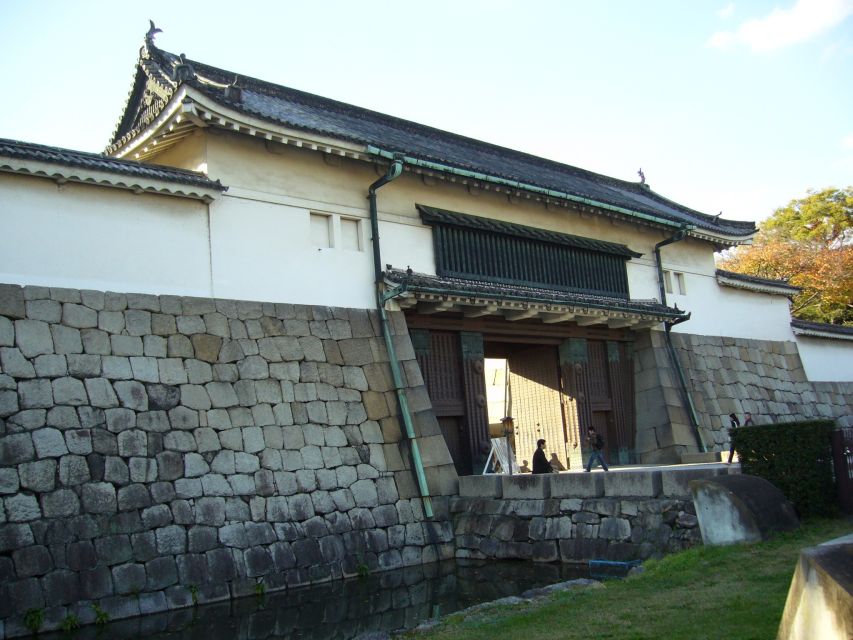
- Nijo Castle OR Nishiki Market
- Northwest route timing and end point
- Southeast Kyoto: Sake Brewery, Fushimi Inari, and the Higashiyama Temple Climb
- Sake Brewery Stop
- Fushimi Inari Taisha
- Sanjusangendo Temple
- Kiyomizudera Temple
- Ninenzaka or Sannenzaka Slopes
- What’s Included (and What You’ll Need to Pay For)
- The hidden win: transport plus a bus pass
- Getting Started at JR Kyoto Station Without Losing Time
- A Private Guide You’ll Actually Use
- Ending Near Gion: What to Do With Your Late Afternoon
- Price and Value: Why $215 Can Make Sense for a Private Day
- Should You Book This Kyoto Private Tour?
- FAQ
- FAQ
- What time does the tour start and end?
- Are there different routes, and what do they include?
- Is this tour private?
- What’s included in the price?
- What isn’t included?
- Where does the tour meet, and where do I end up?
- Can I cancel or pay later?
Key Things That Make This Kyoto Private Tour Worth It
- Private, licensed guide on a set route: clear direction plus context that helps you make sense of what you’re seeing
- Two smart itinerary options: northwest for bamboo, rock garden, and Golden Pavilion energy; southeast for Fushimi Inari and classic Higashiyama temples
- Temple entrance fees included: less hassle when you’re standing at ticket counters
- Transportation handled, bus pass included: you can keep moving on your own after the tour
- Ends near Gion around 16:00: timed well for an evening stroll or a Gion night plan
Picking the Northwest or Southeast Route in Kyoto
This tour runs for 7 hours and starts at 09:00 from Hotel Granvia Kyoto in the JR Kyoto Station building. You choose an itinerary when you book—northwest-bound or southeast-bound—and your guide shapes the day around 4 major must-see attractions.
That choice matters more than it sounds. Kyoto’s big sights cluster by neighborhood. If you pick the wrong direction, you can waste time backtracking. Here, you’re essentially choosing a themed half-day corridor of the city. It’s also great for repeat visitors: if you take the other route later, the tour can become your “Kyoto hits” sampler.
If you’re wondering which route matches your vibe, use this simple guide:
- Want gardens, castle walls, and Kyoto’s famous temple icons? Go northwest.
- Want shrine drama, incense-and-stone-stairs streets, and classic temple silhouettes? Go southeast.
You can also read our reviews of more guided tours in Kyoto
Northwest Kyoto: Bamboo Grove, Ryoanji, Golden Pavilion, and a Bonus Decision
The northwest route is built around Kyoto’s most recognizable visual hits, but it’s not just a checklist. It’s a contrast day: nature, then quiet temple geometry, then glittering gold, then either a castle viewpoint or a market stroll.
Bamboo Grove
Your day starts with the Bamboo Grove. The value here is not only the scenery—it’s the built-in mood shift. Kyoto’s bamboo areas tend to slow you down. When a guide frames what you’re looking at, the grove stops being just a quick stop for pictures and becomes a setting that explains why people travel to Kyoto in the first place.
A practical tip: plan for shade and uneven ground. Even if the grove looks easy, walking through it is still walking, and your feet will notice after a few hours.
Ryoanji’s Rock Garden (Rock Garden)
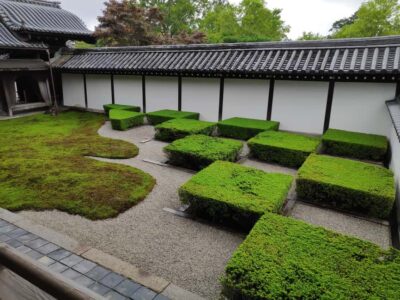
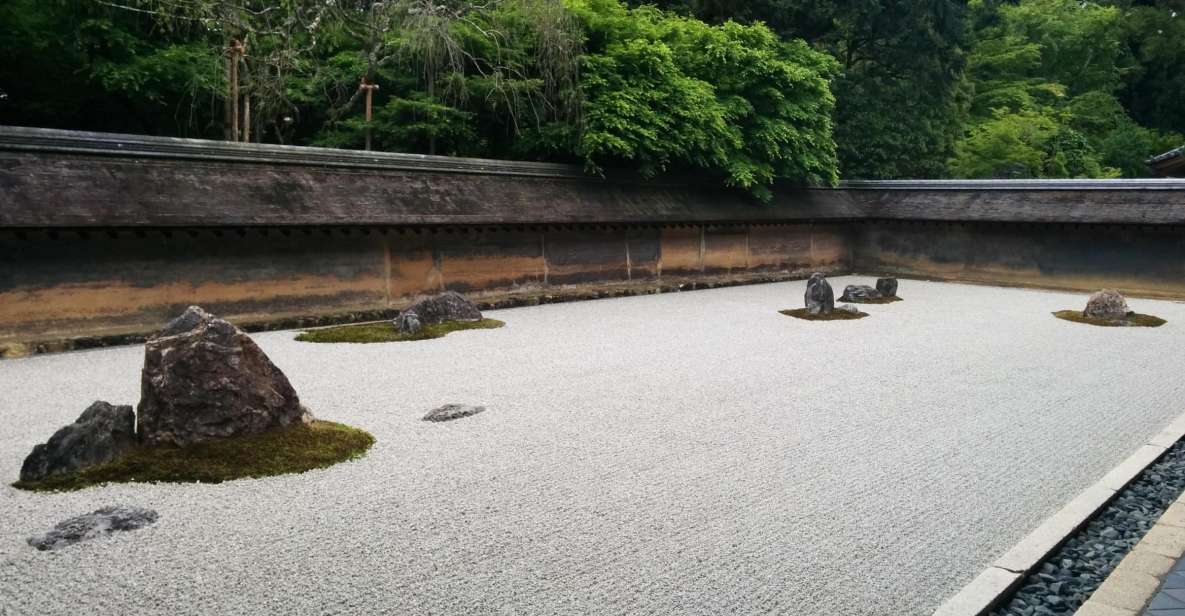
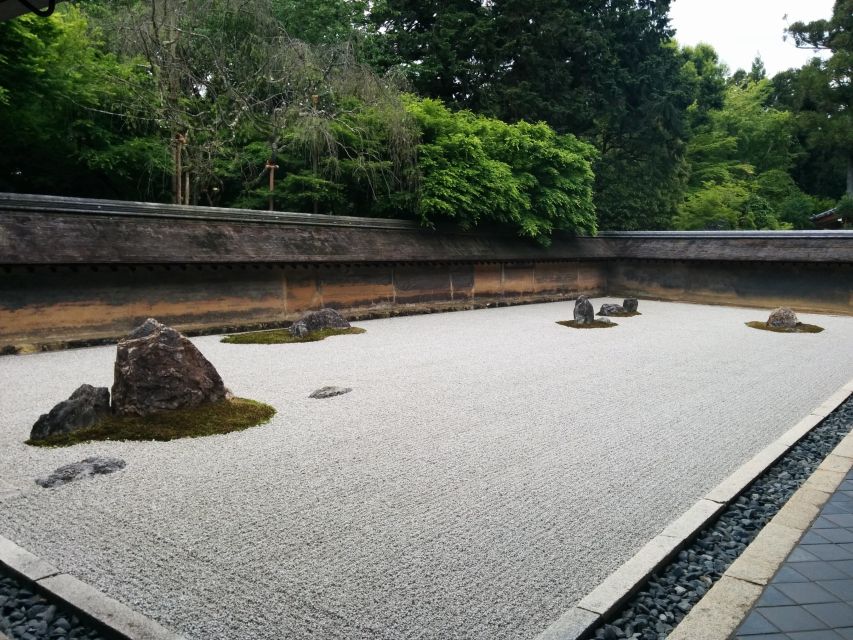
Next is the Rock Garden at Ryoanji Temple. This is one of those places where your brain needs a little permission to look slowly. A good guide can help you understand the idea behind the garden without making it feel like homework. In feedback from the guides, context is a recurring win—people enjoy being able to connect what they see to the era and cultural thinking behind it.
If you like quiet spaces, this is a strong middle-of-the-day anchor. If you hate sitting still, don’t worry—you can still enjoy it, just give yourself a moment to reset.
Golden Pavilion (Kinkaku-ji)
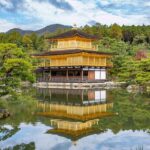
Then comes the Golden Pavilion. This is Kyoto’s showstopper for a reason: it’s bright, photogenic, and visually unforgettable. What elevates it on a private tour is how you’re not just rushing to the front viewpoint. With time guided well, you can look around more than one angle and notice the way the setting supports the building.
Keep in mind: it can get busy. Your guide’s job is to help you keep your day from turning into a queue marathon.
You can also read our reviews of more private tours in Kyoto
Nijo Castle OR Nishiki Market
Your northwest itinerary ends with one of two options:
- Nijo Castle, or
- Nishiki Market
This is a smart design choice, because these two stops serve different needs.
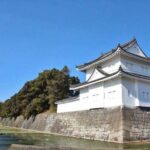
Nijo Castle works best if you want Kyoto’s power history and the feel of a fortress-era residence. Castle time usually means more walking and more looking at structures, gates, and defensive layouts.
Nishiki Market works best if you’re hungry for everyday Kyoto. It’s market energy: smaller lanes, snack stops, and a feel for what locals notice in daily life. Note: food isn’t included on this tour, so if you choose Nishiki, budget for bites and drinks on your own.
Northwest route timing and end point
You’ll finish the day around 16:00 near the Gion area, which gives you a nice transition from sightseeing to evening streets.
Southeast Kyoto: Sake Brewery, Fushimi Inari, and the Higashiyama Temple Climb
The southeast route feels like Kyoto’s highlight reel of shrines and famous temple streets. It also includes a break from pure sightseeing: a stop at a sake brewery that helps you shift gears from stone and incense to something more sensory and cultural.
Sake Brewery Stop
The sake brewery stop is an excellent choice if you want Kyoto beyond temples. Sake in Japan isn’t just a drink; it’s tied to local craft, tradition, and seasonal thinking. Even if you don’t do a tasting, the visit gives you a sense of how production fits into Japanese daily culture.
Because food and drinks aren’t included, you’ll still want to plan any purchases yourself. But a brewery visit usually gives you better context for what you might try later in town.
Fushimi Inari Taisha
Next is Fushimi Inari Taisha, the shrine famous for its endless torii gates. This is where the route becomes more than a photo stop. If your guide explains the shrine’s purpose and why the gates are so important, you’ll look differently at the entire walk, not only the most famous viewpoint.
Practical note: wear shoes you can walk in comfortably. The ground can be uneven, and the shrine approach can feel longer than it looks.
Sanjusangendo Temple
Then you’ll reach Sanjusangendo Temple. This stop tends to impress people because it feels like structure meets devotion in a very specific way. A private guide helps you understand what you’re looking at, especially if you don’t speak Japanese.
This is a good spot to slow down. Even if you move quickly, the temple’s atmosphere asks you to pause.
Kiyomizudera Temple
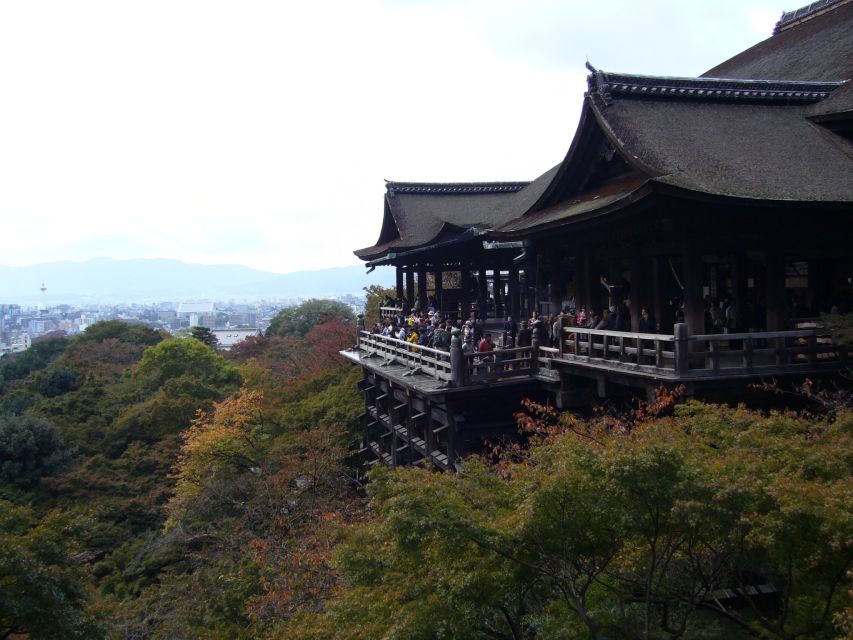
Now it’s time for Kiyomizudera Temple, one of Kyoto’s most famous silhouettes. This is the kind of place where your brain wants a story: why it’s built here, why it matters, and what you’re meant to notice.
If you like scenic viewpoints, this stop fits your interests. If you dislike crowds, just be ready for busier moments and lean on your guide for timing.
Ninenzaka or Sannenzaka Slopes
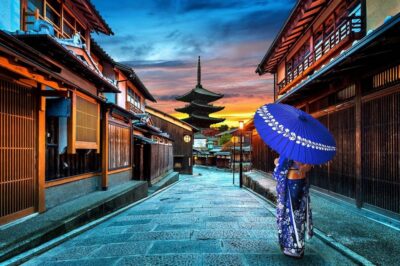
To close out the southeast day, you’ll walk the Ninenzaka or Sannenzaka slope. This is Kyoto street drama: stone lanes, traditional streetscape, and the atmosphere people expect when they think of Higashiyama.
This stop also sets you up perfectly for the evening, since you’ll finish near Gion later. The slopes are a great reminder that Kyoto isn’t only monuments—it’s also the streets between them.
What’s Included (and What You’ll Need to Pay For)
This tour includes several things that quietly make your day smoother.
Included:
- Pick-up at a centrally located meeting point
- Private licensed guide
- Entrance fee for temples
- Transportation
- 1-day bus pass for use after the tour as well
Not included:
- Food and drinks
- Hotel pick-up and drop off
That inclusion list is a big part of the value. When you’re visiting temples and shrines, entrance fees and local transit can stack up quickly. Here, you’re paying for a guide-led plan plus the logistics needed to reach your sights.
The hidden win: transport plus a bus pass
One of the practical benefits that shows up in feedback is how helpful guides are for navigating local systems. You also get a bus pass that can help you keep sightseeing after your route finishes. That’s smart because Kyoto days don’t end cleanly at 16:00—you’ll likely want dinner nearby or a short walk elsewhere.
Getting Started at JR Kyoto Station Without Losing Time
Meeting point details can vary based on the option, but the tour’s timing anchor is clear: it starts at 09:00 from Hotel Granvia Kyoto in the JR Kyoto Station building. That’s convenient. Kyoto Station is a hub where you can arrive by train from many directions, and it’s easier to meet there than in a scattered neighborhood.
You’ll want to build in a little buffer so you don’t sprint through your morning. Private tours work best when you’re not already stressed before you step outside.
A Private Guide You’ll Actually Use
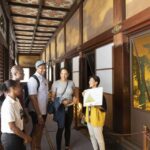
This tour is private, and the difference is real. A group tour can feel like you’re being herded. A private guide changes the whole flow: you can ask questions, you can adjust your pace, and you’re not stuck watching everyone else’s photo habits.
The reviews point to guides who bring strong context and a friendly, helpful approach. Names that have come up include Mie (praised for historic context and engaging one-on-one conversations), Choco/Choca (praised for a fun, memorable day and even helping with local navigation), and Mei (praised for being exceptionally fun and informative).
You’ll also appreciate the “friend who knows the city” vibe: one-on-one conversations can reduce confusion later when you’re trying to find your way around Kyoto independently.
Ending Near Gion: What to Do With Your Late Afternoon
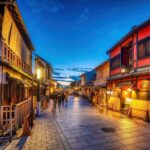
The tour wraps at 16:00 near Gion, the geisha district area. That timing is excellent. You can do two things right away:
- Keep walking the streets while daylight is still decent.
- Save your energy for an evening plan.
The experience provider also recommends adding a Night Walk in Gion, which makes sense because Gion’s atmosphere shifts after the sun starts to lower. If you’re already ending nearby, it’s an efficient add-on.
If you don’t do a night walk, you can still benefit from the timing. Gion is one of those places where the details reward slower wandering, especially after a guided day.
Price and Value: Why $215 Can Make Sense for a Private Day
The price is $215 per person for the 7-hour private experience. At first glance, it sounds steep. But when you break down what’s included, the number starts to look more reasonable.
You’re getting:
- A private licensed guide for a full 7 hours
- Transportation during the day
- Entrance fees for temples
- A 1-day bus pass you can use afterward
Food is on you, and you’ll also handle your own hotel transfer since hotel pick-up and drop off aren’t included. Still, the big cost drivers—guide time, transport, and entry tickets—are covered.
This tour tends to be best value when:
- You want a private setup rather than sharing time with strangers
- You want to hit top sites without spending your brain on transit math
- You’re trying to make a short Kyoto stay feel complete
If you love planning and hate schedules, you might not need a private day. But if you want a reliable path through Kyoto’s main neighborhoods, this is the kind of package that keeps your day from turning into logistics work.
Should You Book This Kyoto Private Tour?
Book it if you want a clean, guided way to see Kyoto’s biggest icons without wrestling with routes all day. The northwest option is great for bamboo, the rock garden mood, Golden Pavilion impact, and either castle time or market energy. The southeast option is ideal if you want shrine spectacle at Fushimi Inari plus classic temples and Higashiyama slopes.
I’d skip it if you:
- Want a fully flexible day with no fixed sightseeing blocks
- Prefer food-focused travel where you’d rather stop where your stomach directs you
- Are traveling with very limited walking tolerance, since temples and slopes do involve steady footwork
FAQ
FAQ
What time does the tour start and end?
It starts at 09:00 from Hotel Granvia Kyoto in the JR Kyoto Station building and ends at 16:00 near the Gion area.
Are there different routes, and what do they include?
Yes. You choose either a northwest-bound or southeast-bound itinerary. Northwest includes stops such as the Bamboo Grove, Ryoanji Temple Rock Garden, Golden Pavilion, and either Nijo Castle or Nishiki Market. Southeast includes a Sake Brewery, Fushimi Inari Taisha, Sanjusangendo Temple, Kiyomizudera Temple, and Ninenzaka or Sannenzaka slope.
Is this tour private?
Yes, it’s a private tour with a private licensed guide.
What’s included in the price?
The tour includes pick-up at a centrally located meeting point, a private licensed guide, temple entrance fees, transportation, and a 1-day bus pass usable after the tour.
What isn’t included?
Food and drinks are not included, and hotel pick-up and drop off are also not included.
Where does the tour meet, and where do I end up?
The exact meeting point may vary by option, but the tour starts at Hotel Granvia Kyoto in the JR Kyoto Station building. The tour ends back near the meeting point area around 16:00 near Gion.
Can I cancel or pay later?
You can reserve and pay later. For cancellations, the tour data notes that you can cancel up to 24 hours in advance for a full refund, and it also describes cancellation fees if you cancel closer to the tour date.
Do you want me to tailor the recommendation to your travel style—more temples and quiet gardens, or more shrine streets and photo stops?