REVIEW · KYOTO
Kyoto & Uji: Full Day Sightseeing Tour from Osaka or Kyoto
Book on Viator →Operated by F Trip · Bookable on Viator
Golden rooftops and tea-town strolls in one day. I like the way this tour hits Kinkaku-ji and Byōdō-in without forcing you to plan a whole day of logistics, and I also like the on-your-own time to wander in Kyoto’s classic streets; the main catch is you’ll pay separate temple admissions (about 1600 yen) and you need to be okay with a long day.
The basics are tidy: you ride in an air-conditioned vehicle and get a mobile ticket, so you spend less time wrangling papers and more time moving. With a max group size of 45, the pace stays human, and your guide helps with meeting points and timing.
I also appreciate the “do this, then explore a bit” rhythm—stop times are clear, and you’re not trapped in constant group walking. Even in heavy rain later in the afternoon, the tour still worked out, and the guide kept things organized (one guide, John/Jone, coordinated via WhatsApp with area maps and meeting details).
In This Review
- Key points before you go
- Why this Kyoto-and-Uji day tour is a smart use of limited time
- How the 9-hour schedule actually feels (and why time windows matter)
- Price and what you truly get for $57.90
- Kinkaku-ji (Golden Pavilion): the first wow moment, without overthinking
- Kiyomizu-dera and Sannenzaka/Ninenzaka: temple views plus old-street atmosphere
- Yasaka Koshindo: the short stop that adds color (and a quirky detail)
- Uji River: the reset from Kyoto crowds to riverside calm
- Uji Shrine’s rabbit theme: a quick, memorable cultural wink
- Byōdō-in (Phoenix Hall): the UNESCO centerpiece in Uji
- Byōdō-in Omotesandō: green tea shopping time that feels practical
- Transportation comfort and the guide factor (the difference between a good day and an annoying one)
- Rain and crowds: how to keep your day pleasant
- Who should book this tour, and who should skip it
- Should you book this Kyoto & Uji day tour?
- FAQ
- How long is the Kyoto & Uji full day sightseeing tour?
- What’s included in the tour price?
- What isn’t included?
- Which stops require paid admission tickets?
- Is the tour from Osaka or Kyoto?
- How large is the group?
- What’s the cancellation policy?
Key points before you go
- A focused 9-hour circuit across Kyoto and Uji: 8 famous stops, with set time windows.
- Mobile ticket convenience, plus an air-conditioned ride that helps on travel days.
- Temple admissions are separate for Kinkaku-ji, Kiyomizu-dera, and Byōdō-in (1600 yen).
- Plenty of self-exploration time at major sights, not just bus-to-bus sightseeing.
- Guides may be multi-language (John was reported speaking English, Mandarin, and Japanese).
- Max 45 travelers, which usually keeps the experience from feeling like a stampede.
Why this Kyoto-and-Uji day tour is a smart use of limited time
Kyoto is one of those places where “just see the highlights” can be either brilliant or chaotic. This tour leans toward brilliant. In about 9 hours, you cover Kyoto’s best-known sights (temples and historic streets) and then switch to Uji, the smaller town tied to green tea and the Uji River.
What makes the day feel efficient is the mix of styles:
- Big, iconic temple stops where you’ll want photos and context.
- Classic strolling streets where you can slow down and just absorb the atmosphere.
- Then a reset into Uji, where the pace naturally feels more local.
The route works best when you’re juggling other plans—like you only have one day in Kyoto, you’re coming from Osaka, or you don’t want to spend your first morning mapping train lines and timed entrances.
You can also read our reviews of more tours and experiences in Kyoto


How the 9-hour schedule actually feels (and why time windows matter)
This is built around short, clear stop durations:
- Kinkaku-ji: ~40 minutes
- Kiyomizu-dera: ~1 hour
- Sannenzaka & Ninenzaka: ~1 hour
- Yasaka Koshindo: ~30 minutes
- Uji River: ~20 minutes
- Uji Shrine: ~20 minutes
- Byōdō-in: ~30 minutes
- Byōdō-in Omotesandō: ~30 minutes
That structure is the whole point. Long Kyoto walks can be exhausting, and Kyoto crowds can be unpredictable. These time windows help you see a lot without feeling like you’re permanently sprinting.
Also, the tour includes a guide and an air-conditioned vehicle. That matters because travel days in Japan often come with walking outside in heat or rain. Your “buffer” is the ride between areas, and it’s a lot easier to enjoy the stops when you’re not also stressed about transport.
Price and what you truly get for $57.90
The listed price is $57.90 per person. That buys you the guided day and the vehicle (air-conditioned), plus the overall route management. What it does not include is lunch, and it also excludes entry tickets for three major temples.
Here’s the practical part:
- Not included: lunch
- Not included: Kinkaku-ji, Kiyomizu-dera, Byōdō-in tickets (1600 yen total)
So your real cost is the tour price plus temple admissions plus whatever you choose for lunch and snacks. Is that good value? For many people, yes—because you’re paying for:
- A guide to connect the dots between Kyoto and Uji
- A direct, planned route that’s hard to stitch together quickly on your own
- A comfortable bus that reduces the “between places” friction
If you already know you’ll visit all three of those paid temples anyway, this tends to pencil out well versus buying transport day tickets, fighting transfers, and losing time to navigation.
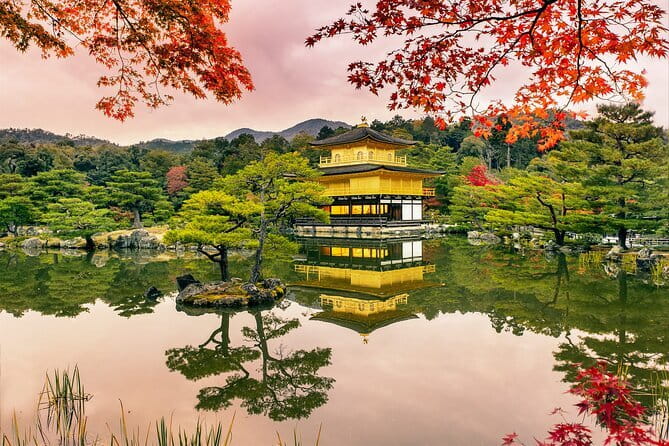
Kinkaku-ji (Golden Pavilion): the first wow moment, without overthinking
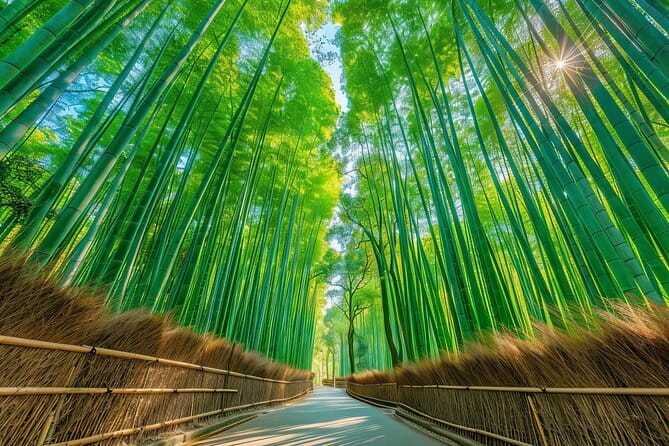
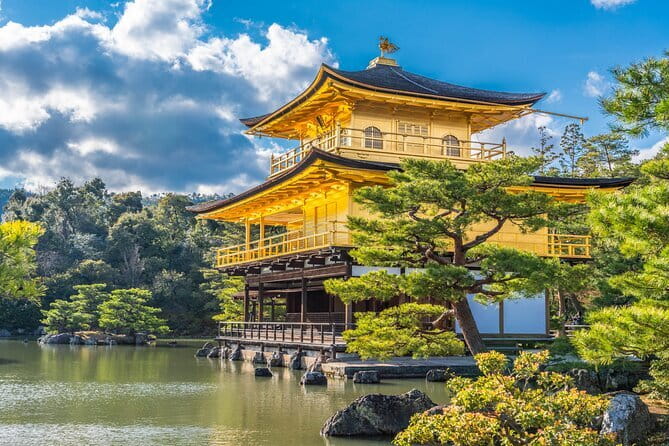
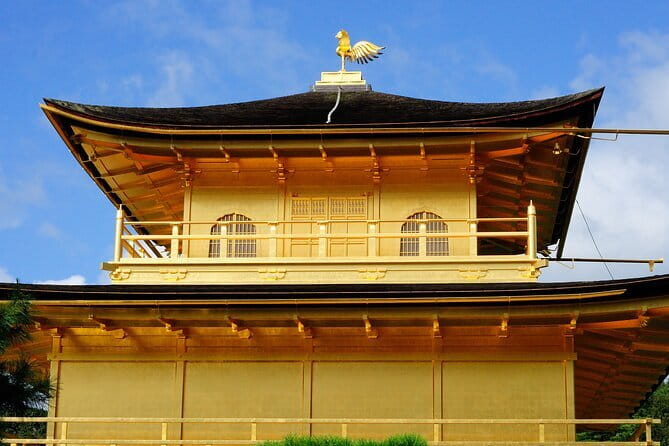
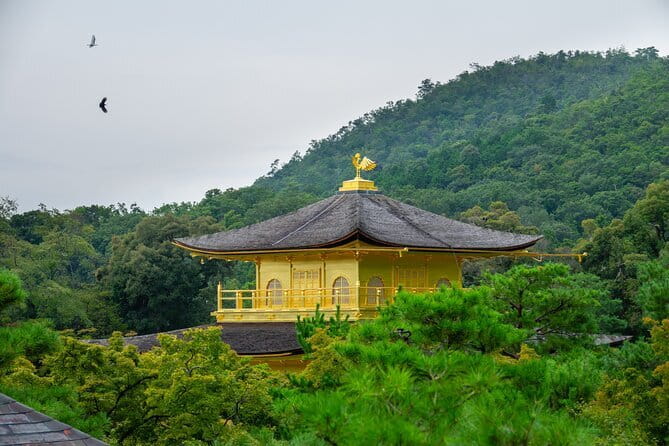
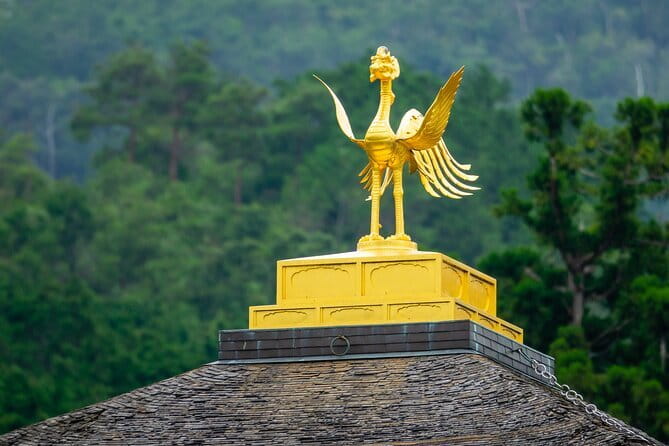
Kinkaku-ji is a Zen Buddhist temple and a UNESCO World Heritage site, famous for its golden exterior and serene gardens. Even if you’ve only seen one photo online, seeing it in person hits different—mostly because it’s instantly recognizable and visually strong.
This stop is about 40 minutes. That’s a good amount of time for:
- Quick orientation with the guide’s context
- Photos from the main viewpoint area
- A bit of garden wandering without having to commit your whole morning
Ticket note: entry isn’t included. You’ll want to plan on adding the cost for Kinkaku-ji to your day budget.
Drawback? If you’re the type who could happily spend two hours at one temple, 40 minutes may feel short. But for most first-timers, the time is just right: you get the big signature experience, then move on while your energy stays high.
Kiyomizu-dera and Sannenzaka/Ninenzaka: temple views plus old-street atmosphere
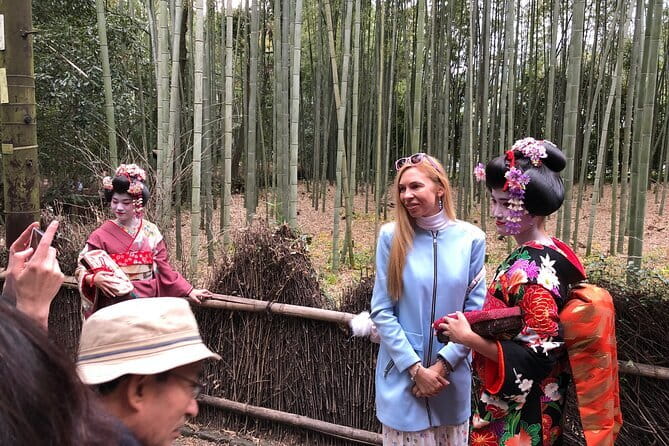
Next comes Kiyomizudera, one of Kyoto’s most celebrated temples. It’s part of the Historic Monuments of Ancient Kyoto UNESCO listing, and the site is associated with its founding in 780 (the grounds connect to the Otowa Waterfall area).
This stop is about 1 hour, which works because Kiyomizu-dera isn’t just one photo spot. You’re looking at layered temple spaces and viewpoints. One hour is enough to get oriented and enjoy the temple without feeling like you missed everything.
Then you transition into the classic neighborhood vibe: Sannenzaka and Ninenzaka. These are sloping streets lined with traditional-style buildings that have thrived since ancient times—exactly the kind of street you want to stroll slowly, not rush through.
This block is about 1 hour. I like this pairing because it gives you contrast:
- One hour of temple intensity and views
- One hour of street-level atmosphere where you can pop into small shops and slow your pace
Ticket note: Kiyomizudera admission is also not included.




Yasaka Koshindo: the short stop that adds color (and a quirky detail)
After the historic streets, you’ll make a shorter stop at Yasaka Koshindo (officially Daikokusan Kongoji Temple Koshindo). The standout detail here is the colorful “monkeys”—the place is known for these eye-catching sculptures you’ll spot as you’re moving along the area.
This stop is about 30 minutes and it’s positioned like a palate cleanser: you’re still in “old Kyoto” territory, but the focus shifts from grand temple architecture to smaller, playful visual features.
This is a good stop if you want variety. If you’re only interested in the absolute biggest UNESCO icons, you might feel this is lighter than the others. But it’s often exactly the kind of stop people remember because it breaks the pattern.
Admission is free for this stop.
Uji River: the reset from Kyoto crowds to riverside calm
Then the day shifts to Uji, starting with Uji River. This river is notable because it originates from Lake Biwa, the largest lake in Japan, and it served as an important waterway linking areas since ancient times.
The stop here is about 20 minutes. That’s just enough time to:
- Pause and take in the direction of the river valley
- Snap a few photos
- Let your brain switch gears from temple/street mode to “town mode”
Because it’s a short stop, you’re not relying on it as a full attraction. It works best as a breathing space before the next two Uji-focused cultural stops.
Admission is free for this stop.
Uji Shrine’s rabbit theme: a quick, memorable cultural wink
Next is Uji Shrine, with a theme centered around rabbits. The idea shows up in lantern and ema designs with a white, red-eyed bunny image.
This stop is about 20 minutes. Again, it’s not trying to be a giant time investment. It’s a small, specific cultural detail that gives you something you won’t get at every Kyoto temple.
If you like your cultural stops to have a distinct visual hook, this is the one. If you prefer only major monuments, you might treat it as a short bonus stop and focus on the next big highlight.
Admission is free for this stop.
Byōdō-in (Phoenix Hall): the UNESCO centerpiece in Uji
Byōdō-in Temple is one of Japan’s best-preserved national treasures and a UNESCO World Heritage site. The star attraction is the Phoenix Hall, and the description you’ll hear centers on its wing-like corridors.
This stop is about 30 minutes. In that half-hour, you’re typically doing the essential “see the hall, understand why it’s special, take photos, and then move on” sequence.
Ticket note: admission for Byōdō-in is not included (part of that 1600 yen total you’re planning for).
This is the moment that makes Uji feel like more than just a side trip. Kyoto can feel heavy with grand temples. Byōdō-in gives you a different kind of iconic: a single standout structure that defines the experience.
Byōdō-in Omotesandō: green tea shopping time that feels practical
After the temple, you’ll finish with Byōdō-in Omotesandō, a street known for green tea production and shops selling tea and tea-related products.
This stop is about 30 minutes, which is plenty for:
- Grabbing tea snacks or gifts
- Trying a tea-flavored item if you want
- Comparing souvenir options without turning the afternoon into a shopping marathon
Admission is free here because it’s a street market area. And because lunch isn’t included, this kind of stop can be helpful for food and drink planning—though you’ll still want to decide what to do for lunch earlier in the day.
Transportation comfort and the guide factor (the difference between a good day and an annoying one)
The included air-conditioned vehicle matters more than it sounds. A day that long can feel long if you’re stuck waiting outside or dealing with unclear meeting points. This tour is built to reduce that friction.
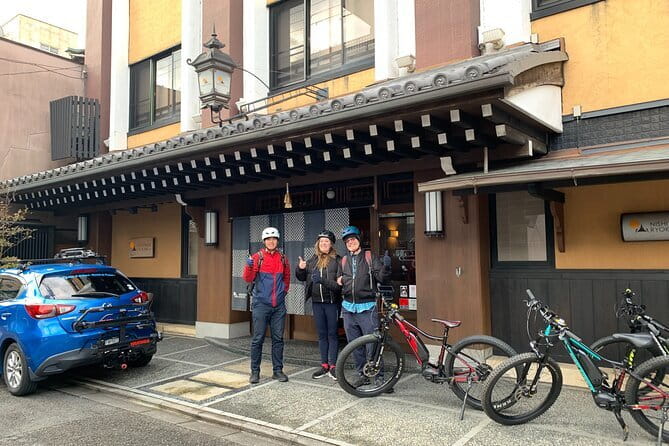
The guide is also a real part of the value. In one recent experience, John spoke in English, Mandarin, and Japanese, and he shared check-in/return times plus area maps through WhatsApp. That’s the kind of practical help that keeps you from wandering off at the wrong time, especially around larger temple complexes.
One more thing I’d watch: make sure you note if you’re traveling with a stroller or large luggage. The tour info specifically asks you to indicate this when booking, which suggests it can help them plan the best vehicle setup for your group.
Rain and crowds: how to keep your day pleasant
One of the more reassuring bits from real-life experience is that even with heavy rain later in the afternoon, the tour still worked out. That doesn’t mean rain won’t affect visibility or comfort, but it suggests the structure can handle weather.
Your best move is simple:
- Bring a rain layer you can actually tolerate while walking temple paths.
- Aim to be flexible with photos; wet weather can ruin certain angles, but it can also make gardens and streets look different.
If you’re planning your one-day Kyoto strategy, this kind of weather resilience is worth something. Temple schedules and visibility can change fast, and you don’t want your entire itinerary to collapse because of a downpour.
Who should book this tour, and who should skip it
This is a strong match for:
- First-timers who want Kyoto highlights + Uji tea country in one day
- People with limited time (one day in Kyoto is basically the sweet spot)
- Anyone who prefers a guided plan when the geography gets tricky
It might be less ideal for:
- People who want a slow, deep temple immersion without timed stops
- Anyone who hates paying extra for admissions on top of the base price
- Travelers who need a long, unstructured lunch break (since lunch isn’t included)
Should you book this Kyoto & Uji day tour?
I think you should book it if your goal is straightforward: see the best-known Kyoto sights and then get a dose of Uji without spending your day thinking about routes, timing, and tickets. The pricing makes sense when you factor in the included guide and transport, and the separate temple admissions are clearly stated upfront.
If you’re the kind of traveler who wants total freedom and unlimited time at one location, consider booking individual tickets instead. But if you want a well-paced, guided overview—temples, classic streets, and tea-town highlights—this is a practical way to make the most of a single day.
FAQ
How long is the Kyoto & Uji full day sightseeing tour?
It’s about 9 hours (approx.).
What’s included in the tour price?
The tour includes an air-conditioned vehicle and a guide, plus you receive a mobile ticket.
What isn’t included?
Lunch is not included, and admission tickets for Kinkaku-ji, Kiyomizu-dera, and Byōdō-in Temple are not included (1600 yen).
Which stops require paid admission tickets?
Kinkaku-ji, Kiyomizu-dera, and Byōdō-in Temple require tickets. The other listed stops are free.
Is the tour from Osaka or Kyoto?
Yes, it’s described as a full-day tour from Osaka or Kyoto.
How large is the group?
The tour has a maximum of 45 travelers.
What’s the cancellation policy?
You can cancel for a full refund if you cancel at least 24 hours in advance of the experience’s start time.