REVIEW · KYOTO
Kyoto: Private Tea Ceremony at local home with tea master
Book on GetYourGuide →Operated by Kangetsu Kyoto · Bookable on GetYourGuide
Matcha and manners, in a real Kyoto home. This private tea ceremony near Nijo Castle turns an hour into a quiet, respectful look at how Kyoto slows time—right in someone’s living space.
I love the focus on ceremony details: how the tea room is set, what each utensil does, and why every motion matters. I also like the food quality—Uji, Kyoto matcha plus two seasonal sweets made to order.
One possible drawback: the rules are strict. No shorts, no hats, no perfume, and you’ll be asked not to wear jewelry or record—so plan your outfit and mindset accordingly.
In This Review
- Key highlights you’ll actually care about
- A one-hour pause near Nijo Castle
- Finding Sakura 日本文化体験 and getting there without stress
- What happens the moment you step into the tea room
- Utensils and etiquette: the stuff you’ll use again
- Uji matcha: served properly, taught carefully
- Seasonal sweets made to order (and why that matters)
- Q&A and reflection: turning steps into understanding
- Price and value: what $101 per person is buying you
- Rules you must follow (so the experience stays smooth)
- Who this suits best (and who might feel mismatched)
- A realistic timing note for your schedule
- Should you book this private Kyoto tea ceremony?
- FAQ
- How long is the Kyoto private tea ceremony?
- Where is the meeting point?
- What is included?
- Is this a private group?
- What languages are offered?
- Can you accommodate dietary needs and allergies?
- What should I wear or bring?
- Is it suitable for children?
Key highlights you’ll actually care about
- Central location near Nijo Castle and Kyoto Imperial Palace, easy to fit into a sightseeing day
- Certified tea master based in Kyoto, with English/Japanese support for clear explanations
- Hands-on matcha: you’ll learn the steps, not just watch
- Uji matcha served in a proper bowl, paired with two seasonal sweets made to order
- Diet and access-friendly: stated accommodations for Halal, Vegan, allergies, and wheelchair access
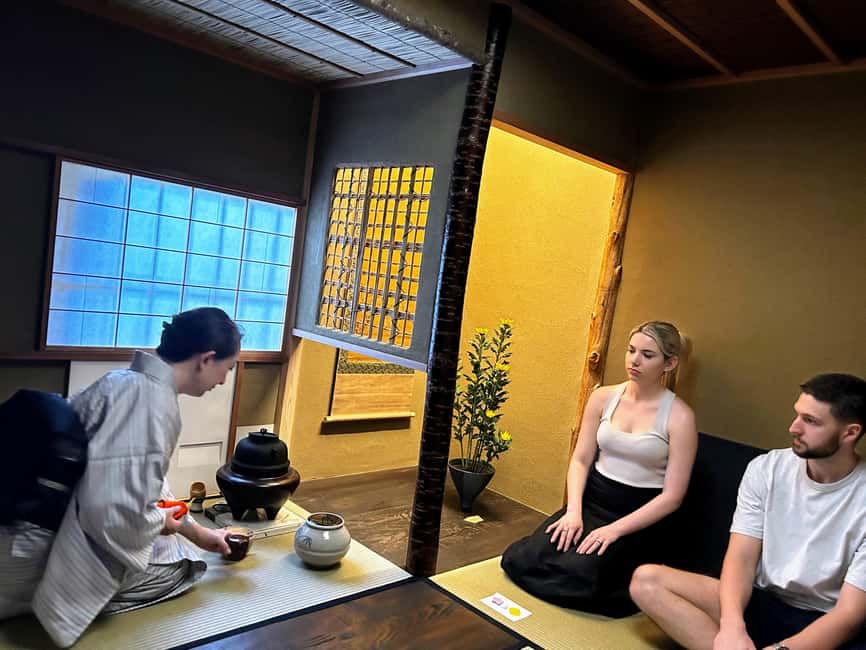
- Private group in a local home setting, with a calm, respectful atmosphere
A one-hour pause near Nijo Castle
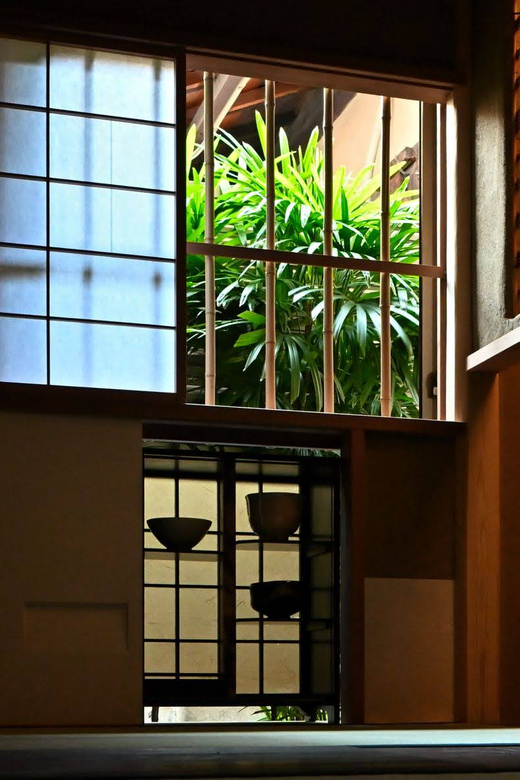
Kyoto can feel like you’re sprinting from shrine to shrine. This tea ceremony is different. It’s one hour that asks you to slow down on purpose—folding cloth, mindful pouring, and quiet attention to tea and sweets.
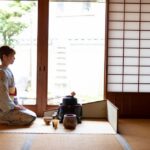
The setting matters, too. You’re not in a big, staged venue. You’re in a local home with a tea room atmosphere where the host treats the ceremony like a living tradition, not a performance.
You’ll get a certified tea master who lives and is based in Kyoto, so explanations land in context. You don’t just learn the steps—you learn what they’re for, and how Japanese respect shows up in something as simple as making tea.
You can also read our reviews of more private tours in Kyoto

Finding Sakura 日本文化体験 and getting there without stress
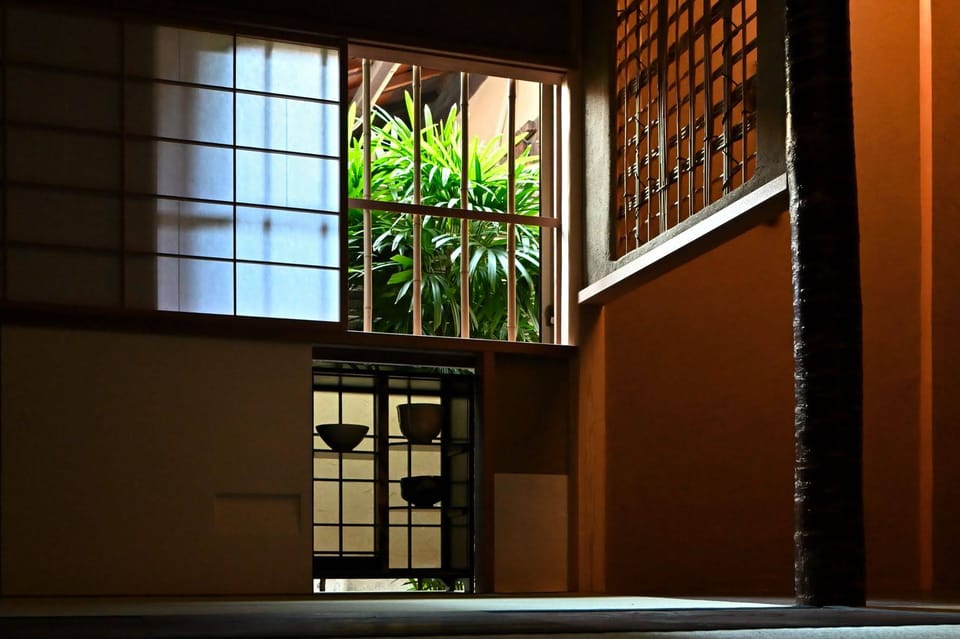
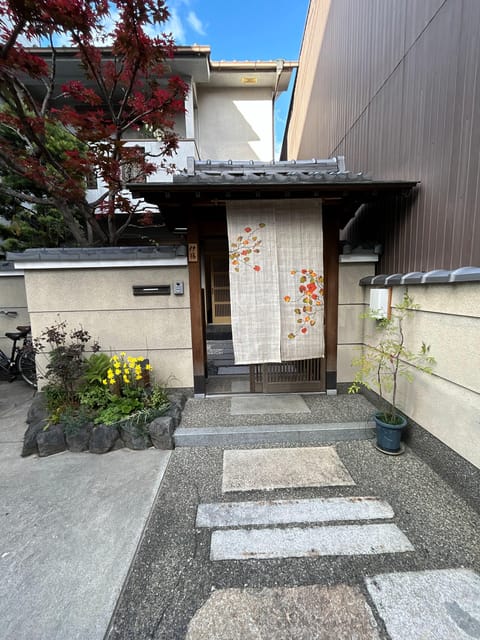
Meeting point is さくら 日本文化体験, and the location is very practical for planning. It’s about:
- 3 minutes on foot from Nijo Castle and from the Kyoto subway Nijojomae station
- 3 minutes on foot from the Kyoto city bus Nijojomae stop
- About 15 minutes on foot from Hankyu Shijo station
- Roughly 10 minutes by taxi from JR Kyoto station
That’s a big deal. Tea ceremonies are best when you arrive calm. You don’t want to fight crowds at the last second while you’re trying to remember which shoes you can’t wear indoors.
What happens the moment you step into the tea room
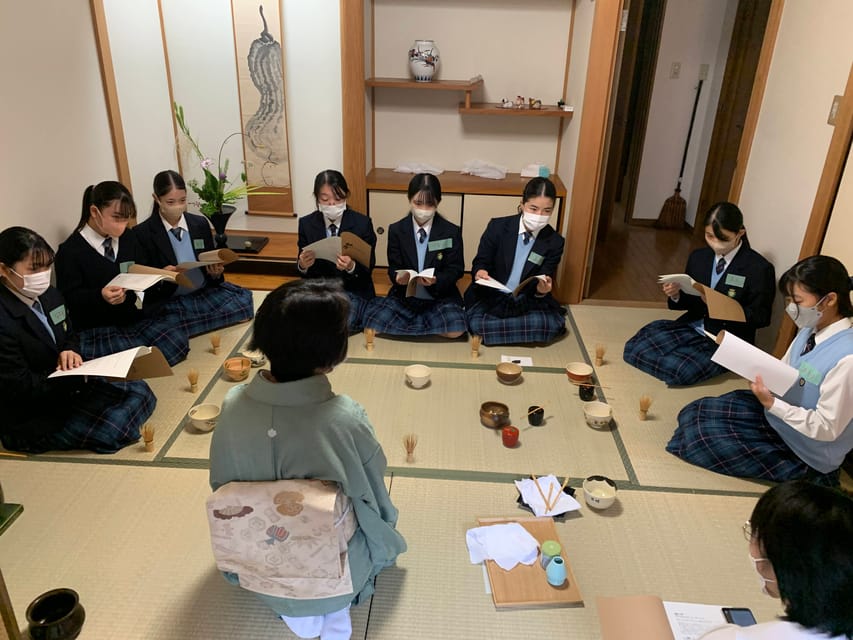
The flow is structured, and you can tell it’s designed for first-timers as well as repeat fans.
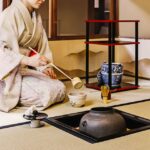
After you’re welcomed, you’ll start with an overview of Japanese tea ceremony. The tea master—English and Japanese support is available—guides you through the “why,” not just the “what.” Then you’ll enter the tea room and see how respect and tranquility show up in the small actions.
You can expect explanations around:
- how ceremonial cloth and setup work
- how to handle the tea bowl
- what the tea master is doing and why, step-by-step
- how the host manages seasonality through tea and sweets
It’s also a learning rhythm. You’re not stuck listening the whole time. There’s a demonstration, then you get hands-on with matcha preparation.
Utensils and etiquette: the stuff you’ll use again
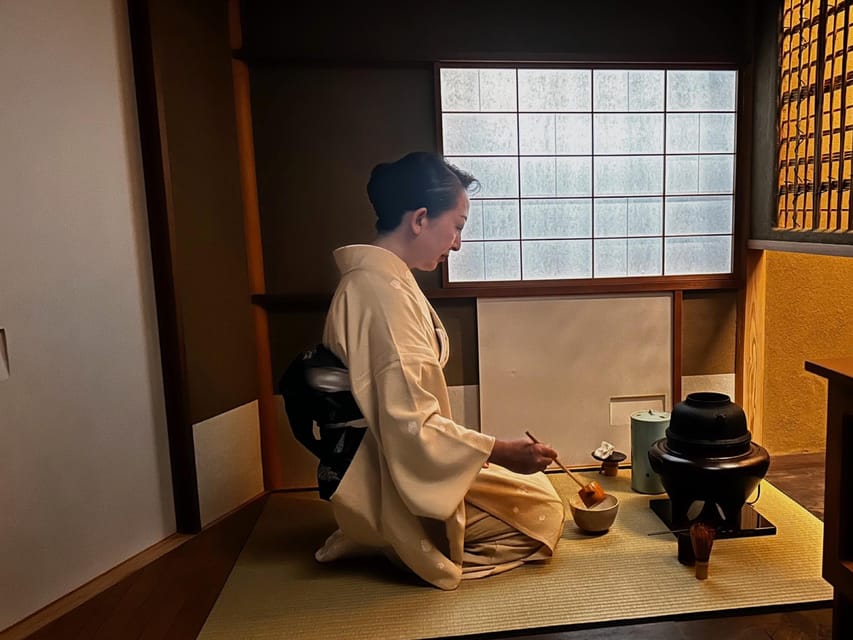
A good tea ceremony teacher doesn’t just teach a trick. This one walks you through the tools and the manners that go with them.
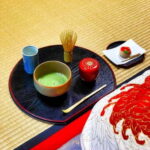
You’ll get clear explanations about common utensils such as:
- tea bowl (chawan)
- tea whisk (chasen)
- tea scoop (chashaku)
You’ll also learn etiquette for handling the bowl and enjoying the tea—how to hold it and what the ceremony expects from you.
And yes, these rules can feel a little strict, but that’s the point. The ceremony is built on restraint and attention. You’re training your body to slow down, so your mind follows.
Small practical note: since shoes aren’t allowed indoors, you’ll want to arrive ready for socks and comfortable clothes. The room setup is part of the experience.
Uji matcha: served properly, taught carefully
This experience includes a bowl of matcha and time to practice making it yourself. The matcha is described as high-quality and sourced from Uji (Kyoto).
You’ll see a demonstration first, then you’ll follow along during your own preparation. That hands-on portion is where the ceremony becomes personal. Watching is one thing. Whisking matcha is another. You start noticing textures, timing, and how the foam forms.
Also, the matcha isn’t just there for caffeine. It becomes the center of the lesson:
- how the ceremony shapes taste
- how hospitality and pacing affect your experience
- why the utensils and motions matter to the final cup
If you usually drink tea on the go, this is the moment it becomes something slower and more sensory.
Seasonal sweets made to order (and why that matters)
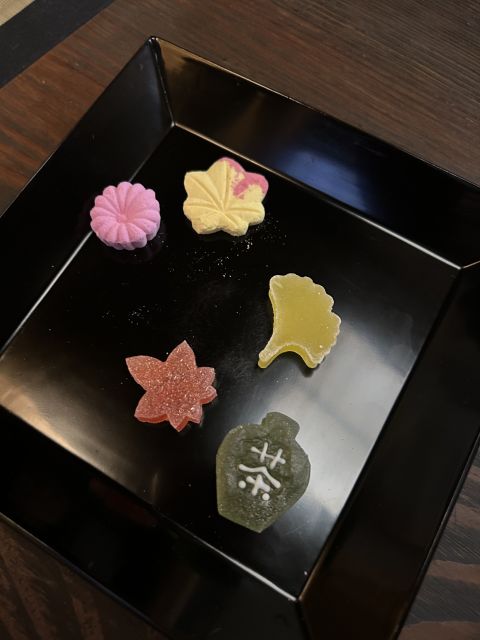
Tea is only half the story. You’ll be served two types of seasonal Japanese sweets made to order.
Seasonality matters in Kyoto culture, and it shows up here in a very direct way: sweets change with the time of year, which keeps the tea ceremony from feeling repetitive. The goal is balance—sweetness that pairs with matcha without overpowering it.
You’ll also get the cultural context during the ceremony. That’s helpful because Japanese sweets aren’t just dessert. They can be designed with texture, color, and seasonal symbolism in mind.
If you’re picky about food, don’t worry—you’ll have options based on dietary needs (Halal, Vegan, and allergies are mentioned as accommodated). The key is to tell them what you need before the ceremony.
Q&A and reflection: turning steps into understanding
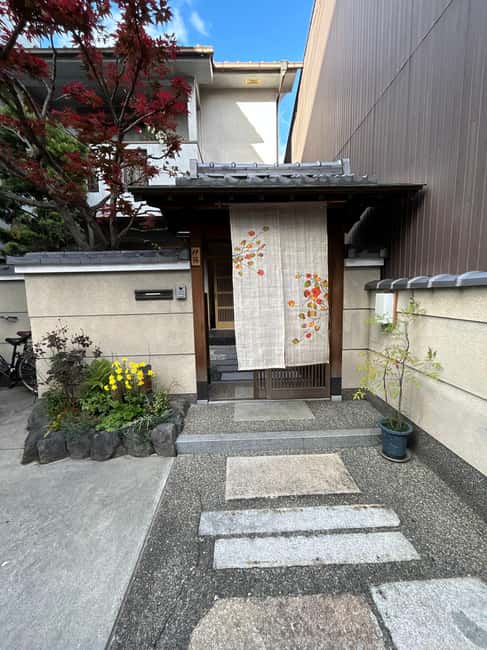
After the demonstration and your hands-on matcha prep, there’s time for questions and reflection.
This is where you can make the experience stick. You might ask about:
- what you noticed during setup
- how to remember utensil names
- etiquette questions (the ones you were too polite to guess at)
- how the ceremony connects to everyday Japanese manners
You’ll leave with more than a few photos-worth of moments. You’ll walk away with a framework for what to look for next time you see tea culture in Kyoto.
Price and value: what $101 per person is buying you
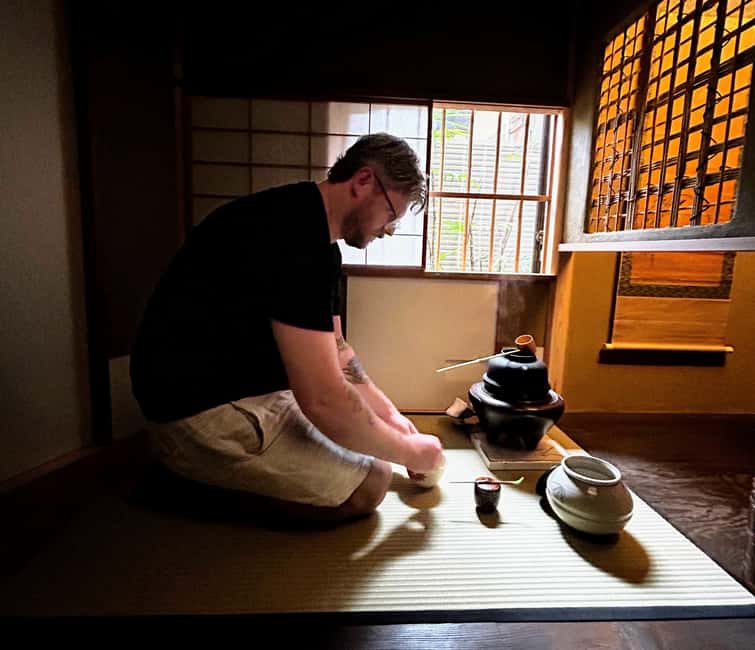
At $101 per person for about one hour, you’re paying for a private, home-based experience with a certified tea master, high-quality matcha, and seasonal sweets.
Here’s what makes it feel worth it:
- Private group time means the teacher can explain at your pace
- A certified tea master gives context you won’t get from a quick show-and-tell
- Uji matcha and proper serving add real value (not just a token tasting)
- You get two seasonal sweets plus at least one guided hands-on matcha moment
Could you find cheaper tea experiences in Kyoto? Probably. But if you care about accuracy, calm instruction, and a more “real home” feeling, the structure here supports that.
Rules you must follow (so the experience stays smooth)
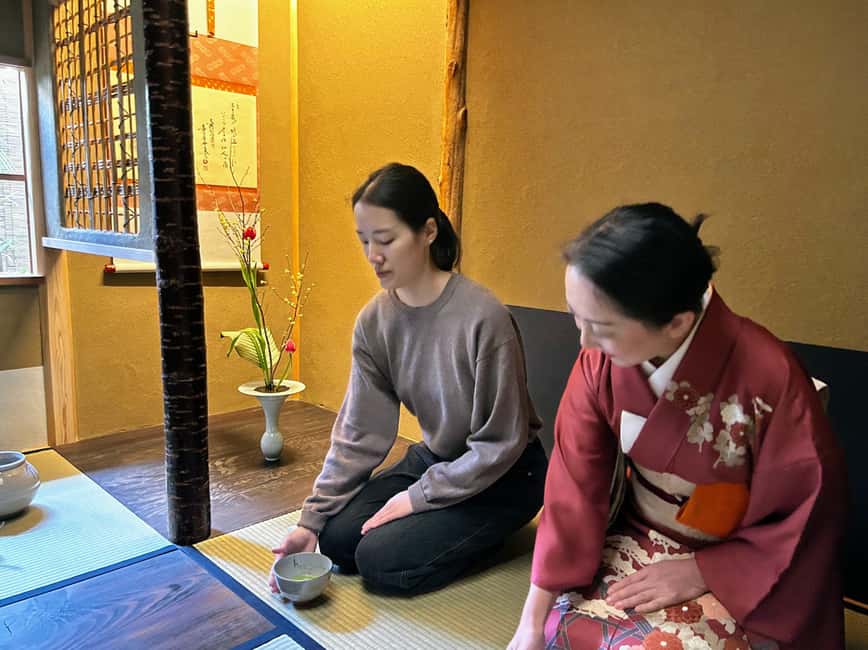
This ceremony has clear boundaries. They’re not meant to be difficult; they protect the tea room atmosphere.
Things you should plan for:
- Bring comfortable clothes
- Wear long pants or a long skirt
- Wear socks (and if you don’t have them, socks are available for purchase)
- No shorts, no short skirts, no sleeveless shirts
- No hats
- No jewelry
- No shoes indoors
- No perfume
- No video recording and no audio recording
- No smoking or vaping
- Avoid strong fragrances
That last one is bigger than it sounds. If your perfume or lotion is strong, it can affect others in a small, enclosed tea room. When you’re aiming for calm, scent can be a loud distraction.
Also note: the ceremony isn’t suitable for children under 13, so keep that in mind if you’re traveling with family.
Who this suits best (and who might feel mismatched)
This is a strong fit if you:
- want a calmer, more cultural Kyoto moment than temples-on-tempo
- enjoy learning through careful steps and respectful etiquette
- like private instruction, especially if you’re a first-timer
- want Uji matcha and seasonal sweets paired in a thoughtful way
It may feel mismatched if you:
- don’t want to follow dress rules (no shorts, no sleeveless)
- rely on recording or strong scent products
- need kid-friendly programming (it’s not suitable under 13)
If you’re traveling with dietary restrictions, it helps that accommodations for Halal, Vegan, allergies, and LGBTQ needs are explicitly mentioned. Just make sure you share details clearly before you arrive.
A realistic timing note for your schedule
The ceremony is listed as 1 hour. That’s enough time for explanation, etiquette practice, matcha preparation, and sweets, plus some Q&A.
One practical consideration: if you’re trying to stack this right between tight tours, buffer a bit. Tea pacing is slow by design, and the room experience depends on getting everyone settled.
Should you book this private Kyoto tea ceremony?
Yes—if you want a calm, respectful experience taught properly, this is a great use of time. The private home setting, the certified tea master based in Kyoto, and the combination of Uji matcha + two seasonal sweets make it feel like more than a “show.”
Skip it only if the ceremony rules are a dealbreaker for you (especially dress code, perfume/scent, jewelry, and no recording). If you can follow those basics, you’ll get an hour that teaches you how Kyoto people slow down—and how tea becomes culture, not just a drink.
FAQ
How long is the Kyoto private tea ceremony?
The experience lasts 1 hour.
Where is the meeting point?
You meet at さくら 日本文化体験. It’s about 3 minutes on foot from Nijo Castle and the Kyoto subway Nijojomae station.
What is included?
You’ll receive 2 cups of matcha, 2 kinds of Japanese traditional dried sweets, and a certification from a tea master.
Is this a private group?
Yes, it’s a private group experience.
What languages are offered?
Instruction is available in English and Japanese.
Can you accommodate dietary needs and allergies?
The experience states it can accommodate Halal, Vegan, and various allergies, and it also notes support for LGBTQ guests.
What should I wear or bring?
Bring comfortable clothes, long pants or a long skirt, and socks. Socks are also available for purchase if you don’t have them.
Is it suitable for children?
It’s not suitable for children under 13.