REVIEW · KYOTO
Private Tour Kyoto-Nara w/Hotel Pick Up & Drop off from Kyoto
Book on Viator →Operated by Unemoto LLC · Bookable on Viator
A day like this feels built for getting your bearings fast. You’ll ride in an air-conditioned car with hotel pick-up/drop-off and hit the Kyoto and Nara icons in one go, with stops that range from temples to bamboo and deer. It’s the kind of plan that helps you spend energy on sights, not on figuring out routes.
I especially liked the private pacing. With guides like Ben, Ben-like energy from guides who adjust on the fly, and others including Dan and Yui, you can generally slow down where you care and speed up where you don’t. I also like that the day is packed but not random: Todai-ji, Fushimi Inari, Kinkaku-ji, Arashiyama, and Nara Park fit together like a greatest-hits album of the region.
One thing to consider: temple admission fees are not included for Todai-ji and Kinkaku-ji, and lunch is on you. If you want very detailed historical narration, the experience can vary depending on whether you get more of a driver/host style vs. a licensed guide style.
In This Review
- Key things to know before you go
- One van, two cities: what you gain with hotel pick-up
- Todai-ji and Nara Park: big Buddha energy, deer at ground level
- Fushimi Inari: the torii walk with breathing room
- Kinkaku-ji Golden Pavilion: plan your time for the ticketed part
- Arashiyama Bamboo Forest plus the Kimono Forest: two photo styles in one zone
- How the private guide works (and why it can feel like a taxi)
- Food and breaks: what lunch means for your timing
- Price and value: what you’re paying for, and what costs extra
- Who this tour suits best
- Should you book this Kyoto–Nara private day?
- FAQ
- How long is the private Kyoto–Nara tour?
- What time does the tour start?
- Is hotel pick-up and drop-off included?
- What is included in the price?
- Are temple admission fees included?
- Is this tour private or shared with others?
- What if weather is poor?
Key things to know before you go
- Hotel pick-up and a single vehicle means fewer transfers and more time walking
- A classic route that connects Kyoto to Nara without you planning trains or buses
- Nara Park deer time is short but memorable (30 minutes on the schedule)
- Fushimi Inari gets its own chunk (about 1.5 hours) for the torii walkway experience
- Kinkaku-ji and Todai-ji tickets cost extra (¥600 each, not included)
- Guide depth can vary, so ask for the kind of guiding you expect
One van, two cities: what you gain with hotel pick-up
This is a full-day day trip built around convenience. You start at 8:30am, and you’re picked up and dropped back off, which is a big deal in Kyoto where hopping between neighborhoods can eat half a day.
You’ll be in an air-conditioned vehicle with parking fees, fuel surcharge, and toll fees covered. That matters because Kyoto traffic and parking aren’t exactly a fun hobby. Here, the goal is simple: you get delivered close to each sight, then you walk, photograph, and regroup.
Duration is about 6 to 10 hours, depending on how your route flows and how much time you spend inside or outside each stop. The schedule is structured enough to see the highlights, but it’s private, so the day doesn’t have to feel like a cattle call.
You can also read our reviews of more private tours in Kyoto
Todai-ji and Nara Park: big Buddha energy, deer at ground level
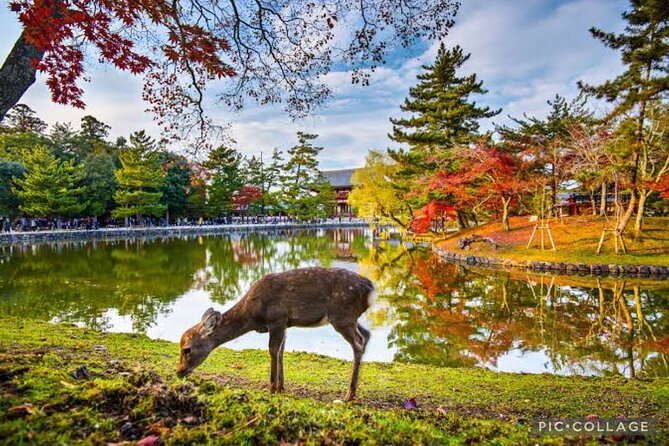
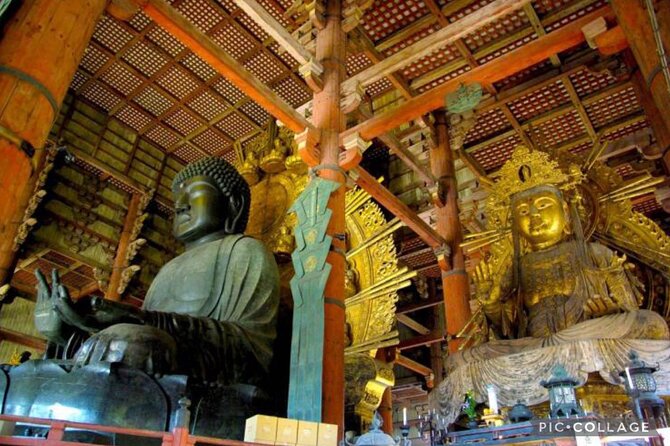
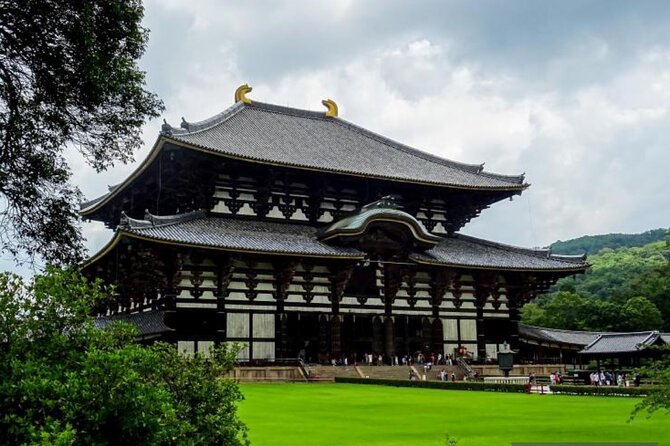
Your Nara portion centers on Todai-ji Temple, the “Eastern Great Temple,” a Buddhist complex tied to the UNESCO listing for the Historic Monuments of Ancient Nara. You’re given about 1 hour 30 minutes there, and since admission isn’t included, you’ll want to plan for the ticket cost upfront. (Todai-ji is ¥600 per person for the listed categories.)
Why this stop works in a private format: Todai-ji is huge in scope and detail, and it’s the kind of place where having time to look around without rushing makes a difference. In a group tour, you might feel tugged along; here, you can linger near the main highlights and then step out to reset.
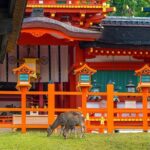
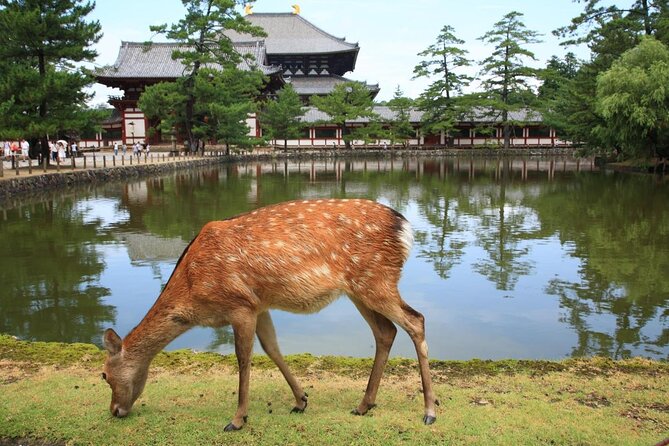
After that comes Nara Park for about 30 minutes. The park covers 660 hectares and is famous for free-roaming deer. Feeding them is part of the experience, and even when you only have a short window, the deer moment is often the most “wow, we’re really here” memory from the day.
A practical note: deer are wild animals. Keep an eye on bags and snacks, follow whatever rules your guide suggests on the ground, and don’t treat it like a petting zoo. Quick turns are normal here, so use the short time to enjoy the interaction and then move on before you’re tired.
Fushimi Inari: the torii walk with breathing room
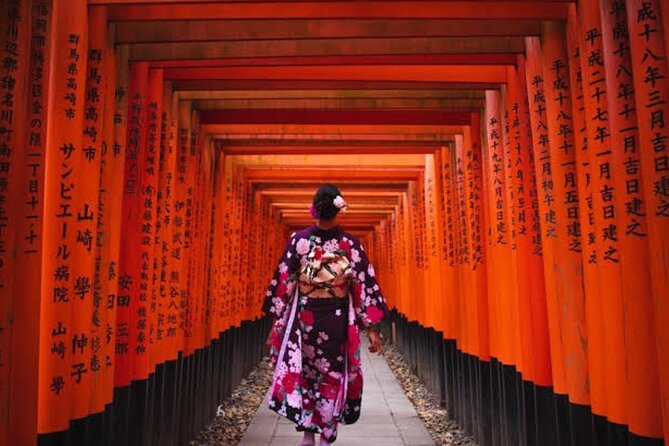
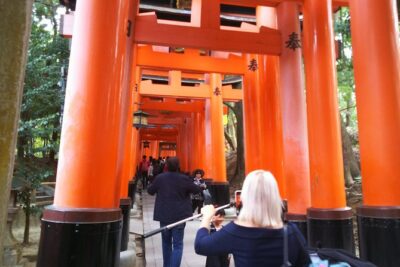
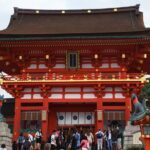
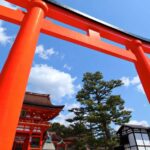
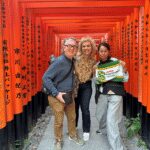
Next you’ll head to Fushimi Inari-taisha Shrine, one of Japan’s most recognizable shrine experiences. You get about 1 hour 30 minutes, and admission here is free.
The torii paths can be popular, and even when the crowds thin out, the walk is still the point. That’s why timing matters. A private day helps you avoid the feeling of being swept along with no choice about pace. You can stop for photos, take a few minutes to watch how people move through the tunnels of gates, and then continue when you’re ready.
Also, this is a good mental break in the itinerary. After Nara’s temples and deer, Fushimi Inari is a different vibe—more walking, more shifting viewpoints, and a strong sense of place even if you don’t read every sign.
If you’re the kind of traveler who likes to move at your own rhythm, this stop is often where you’ll feel the benefit most.
Kinkaku-ji Golden Pavilion: plan your time for the ticketed part
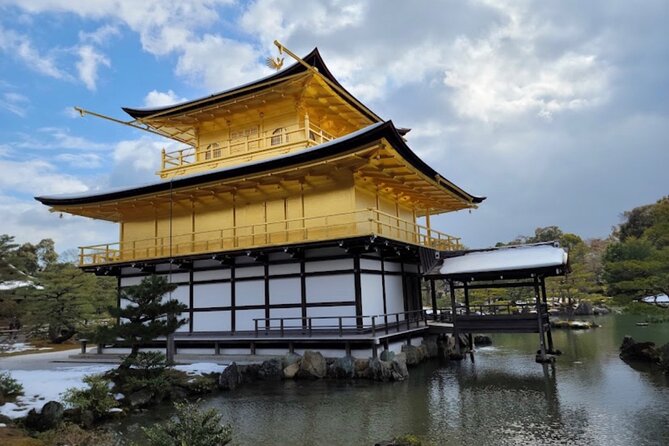
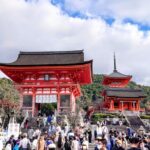
Then it’s Kinkaku-ji Temple, famous for the Golden Pavilion, a pagoda that houses sacred relics of the Buddha. The schedule gives you about 1 hour, and the admission ticket is ¥600 per person (for the listed categories), not included.
In one day, Kinkaku-ji is sometimes the stop people rush because it feels like one photo and you’re done. In reality, it’s worth using the full hour. The pavilion sits in a designed space, and the viewing points reward slower looking—especially if you want a range of angles without constantly repositioning yourself.
A private tour also helps here because you can step back, rest your legs for a minute, and then return for a cleaner photo line if you need it. You won’t always get that option on a fixed, timed group tour.
Arashiyama Bamboo Forest plus the Kimono Forest: two photo styles in one zone
Kyoto’s second half is built around Arashiyama. You get two related stops:
1) Arashiyama Kimono Forest: This is an art installation around the Arashiyama terminal station of the Keifuku Randen Tram Line. It’s made of 600 clear acrylic cylinders, each about 2 meters tall. It’s free and scheduled for about 30 minutes.
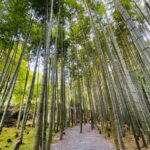
2) Arashiyama Bamboo Forest: The classic bamboo grove, usually the cooling-off moment of the day. This is about 1 hour and also listed as free.
What I like about stacking these together: they give you two different “Kyoto looks.” The Kimono Forest is a modern, geometric photo stop. The bamboo forest is quieter and more atmospheric, with those rustling sounds you associate with Arashiyama.
If you’re trying to avoid decision fatigue, this pairing works. You can do quick photos at the Kimono Forest, then switch your mode to the slow walk and shade of the bamboo.
How the private guide works (and why it can feel like a taxi)
One of the most important things to understand is what “private tour” means here. This experience includes an English speaking driver/host, plus transportation and vehicle costs. But guide depth can vary.
The reviews you’ll find for this type of setup often split into two experiences:
- Some guides act more like true narrators—explaining sights, sharing cultural context, and helping with timing.
- Others focus on logistics and basic orientation, which can feel more like a very nice taxi service if you expected a fully licensed guide style.
In a positive example, guides such as Christine, Dan, Dave, Yui, Yoshimura, and Reo are mentioned for being patient, helpful, and good at making the day flow—sometimes even adjusting plans or helping with comfort. One standout detail: Dave was described as showing up quickly with umbrellas when rain hit, which is the kind of small service move that saves your day.
In a negative example, some people felt the day lacked explanation and that their guide wasn’t providing much beyond driving. That mismatch is usually about expectations: how much you want historical detail vs. how much you just want a smooth route.
My advice: if you care a lot about deep explanations, message ahead and ask what kind of guiding you’ll receive. The operator’s own clarification in response to a complaint makes the difference between an experience guide style and a national licensed guide style.
If what you want most is efficient sightseeing plus flexibility, a driver/host format can be a great fit. If you want a walking textbook, you’ll need to confirm the level of guiding.
Food and breaks: what lunch means for your timing
Lunch is not included. In a day that runs roughly 6 to 10 hours, that matters more than you’d think.
Here’s why: if lunch selection is left entirely to you, your day can stretch. But if your host suggests where to eat locally, you can keep momentum and avoid getting stuck in an obvious tourist trap. In the reviews, people mention guides helping with lunch choices, including sit-down spots like soba and more local-style restaurants.
So plan this way:
- Assume you’ll spend part of the day eating and recharging.
- If you have dietary needs, tell your host early so they can steer you toward something workable.
- Don’t schedule another big plan right after the tour; you may feel pleasantly tired, not wiped out, but you’ll still want a cooldown.
Price and value: what you’re paying for, and what costs extra
At $350.16 per person, this tour is not cheap, but it’s also not built like a super-budget bus trip. You’re paying for a private vehicle, hotel pick-up/drop-off, and all the driving costs like parking, tolls, and fuel surcharge.
Where the math shifts is what’s extra:
- Todai-ji admission: ¥600 per person (not included)
- Kinkaku-ji admission: ¥600 per person (not included)
- Lunch: not included
So you should assume at least ¥1,200 total in ticket costs for the two temple admissions, plus your meal. Convert that mentally into “part of the price” and the $350 starts to look less shocking.
Then there’s the quality factor. Many people rate the tour very high, especially when their guide is flexible and good with English explanations. But some complaints boil down to value mismatch—people felt it was too expensive for the amount of guiding they received, or felt the day ran late or started later than agreed.
My take: this is good value if you want a smooth, efficient day, you like the listed stops, and you confirm the type of guiding you’re expecting. It’s less good value if you mainly wanted deep history storytelling without paying extra.
Who this tour suits best
This is a strong match if:
- You’re time-limited and want Kyoto and Nara highlights in one day
- You hate figuring out transit logistics
- Your group prefers walking the sights rather than standing in crowded buses
- You’d like a guide to adjust pace based on your comfort level (people mention accommodations like mobility needs)
It might be less ideal if:
- You want a licensed, in-depth guide experience by default
- You’re extremely price-sensitive and prefer group tours
- You’re expecting lunch and admissions to be bundled into the tour cost
Because the day is structured with set stop times—like 30 minutes at Nara Park and about 1 hour at Arashiyama Bamboo Forest—it’s best for travelers who like highlights rather than slow, hour-by-hour wandering with no plan.
Should you book this Kyoto–Nara private day?
I’d book it if your top goals are the big icons—Todai-ji, Nara deer, Fushimi Inari, Kinkaku-ji, and Arashiyama—and you want the day to run on easy mode. The private transport and hotel pick-up are genuinely worth it here, especially if you’re juggling energy, jet lag, or simply don’t want to calculate routes.
Before you click confirm, do two things:
- Budget the extra ¥600 + ¥600 for the temple admissions and plan for lunch
- Message ahead if you want a more detailed, national licensed guide style, not just an English-speaking driver/host
If you do that, this can be a memorable one-day mix of Kyoto’s spiritual stops and Nara’s deer chaos, with enough flexibility to keep it from feeling like a checklist.
FAQ
How long is the private Kyoto–Nara tour?
The tour runs about 6 to 10 hours total.
What time does the tour start?
It starts at 8:30am.
Is hotel pick-up and drop-off included?
Yes. The experience offers hotel pick-up and drop-off.
What is included in the price?
Included features are private transportation, an English speaking driver/host, an air-conditioned vehicle, and costs like parking fees, fuel surcharge, and toll fees.
Are temple admission fees included?
No. Todai-ji Temple (¥600 per person) and Kinkaku-ji Temple (¥600 per person) admission tickets are not included. Lunch is also not included.
Is this tour private or shared with others?
It’s private. Only your group participates.
What if weather is poor?
This experience requires good weather. If it’s canceled due to poor weather, you’ll be offered a different date or a full refund.