REVIEW · KYOTO
KYOTO Explore Top Highlights by Private Walking Tour
Book on Viator →Operated by Japan Private Tours · Bookable on Viator
One day in Kyoto, tailored to you. This private walking tour lets you steer the day: you share what you want to see and eat, the guide drafts an itinerary, and you can adjust during the walk if your pace changes. I like that it’s private (up to 6 people) and that you get a customised route instead of a rigid checklist.
What I also really liked is the human touch—guides like Marin and Shinji are known for making the day run smoothly and even helping with practical stuff like finding a cash machine for yen. One caution: language quality can vary by guide, and there’s at least one account where English was harder to follow, so if communication matters, plan to be clear about what you want from the day.
In This Review
- Key highlights worth knowing
- Entering Kyoto’s best-known areas without wasting time
- Price and value: $192 per group (up to 6)
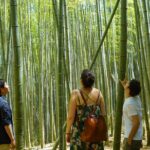
- Stop 1: Arashiyama Kimono Forest and the bamboo forest walk
- Stop 2: Kinkakuji (Golden Pavilion) with a short, focused visit
- Stop 3: Fushimi Inari Taisha’s short torii course
- Stop 4: Nishiki Market Shopping District (and lunch if you can handle crowds)
- Stop 5: Gion + Ninenzaka/Sanenzaka street time for street scenes and possible geisha sightings
- Stop 6: Kiyomizudera Temple and the steep stairs-and-shops approach
- Guides: tailoring, photo skills, and the small fixes that make a day smoother
- What’s included vs not included (and how to budget for yen)
- Getting the most out of the day: my practical checklist
- Who this private Kyoto highlights tour suits best
- FAQ
- FAQ
- How much does the Kyoto tour cost, and how many people are in a group?
- How long is the tour?
- Is the tour private?
- What’s included in the price?
- What entrance fees should I expect to pay separately?
- Can I cancel and get a refund?
- Should you book this private Kyoto highlights tour?
Key highlights worth knowing
- You set the itinerary: tell the guide your must-sees and food, then you’ll review a draft before finalising.
- Real flexibility during the day: if you’re faster (or slower), the plan can bend.
- Photo help is part of the job: some guides take great photos and point out ideal viewpoints.
- Four famous areas in one go: Arashiyama, Kinkakuji, Fushimi Inari, and the Higashiyama streets.
- Crowds are built in: Nishiki Market and the Gion/Higashiyama lanes can be tight—go with comfy shoes.
Entering Kyoto’s best-known areas without wasting time
Kyoto is famous for a long list of “must-sees,” but the real challenge is time. You can spend half a day figuring out routes and transit lines, then arrive at the next stop tired and annoyed. This tour is built to avoid that.
Since it’s private, you’re not stuck moving at someone else’s pace. You’ll walk through major sights (Arashiyama, Kinkakuji, Fushimi Inari, Nishiki Market, Gion, and Kiyomizudera), but the flow is supposed to match your energy level. The provider also notes the itinerary can be adjusted during the day, so if you’re enjoying one area and want a bit more time—or you want to cut a section short—you can.
Another smart touch: pickup is offered, and the tour uses a mobile ticket. That matters in Kyoto where meeting points and transit can get confusing. Also, because this is “near public transportation,” you’re less likely to feel stranded if you need a quick reroute.
You can also read our reviews of more walking tours in Kyoto


Price and value: $192 per group (up to 6)
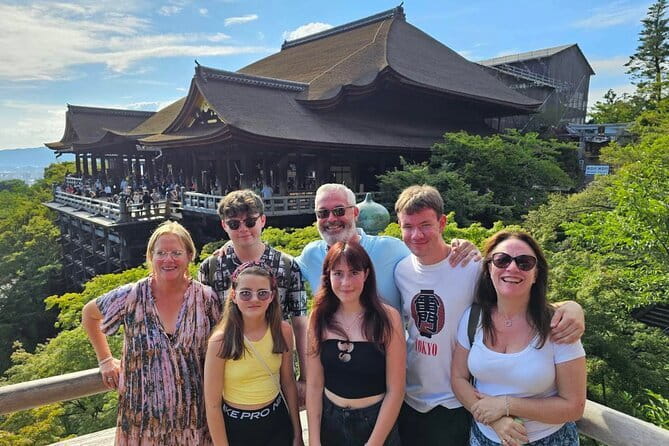
The price is $192 per group, up to 6 people, for about 8 hours. That’s not cheap if you’re traveling solo. But it can turn into a fair deal if you’re splitting it with family or friends.
Here’s the value math in plain terms:
- If you’re 2 people, you’re effectively paying about $96 each for a full day.
- If you’re 4 people, it drops to about $48 each.
- If you’re 6 people, it’s about $32 each.
That matters because Kyoto entrance fees and transit add up. Plus, the guide fee is included, and you’re not just buying “someone to walk with you”—you’re buying decisions: where to go first, how long to spend in each spot, and how to handle the crowd pressure.
Also, this kind of tour gets booked ahead. The average booking lead time is 32 days, so if you’re traveling in peak season, you’ll want to lock it in sooner rather than later.
Stop 1: Arashiyama Kimono Forest and the bamboo forest walk
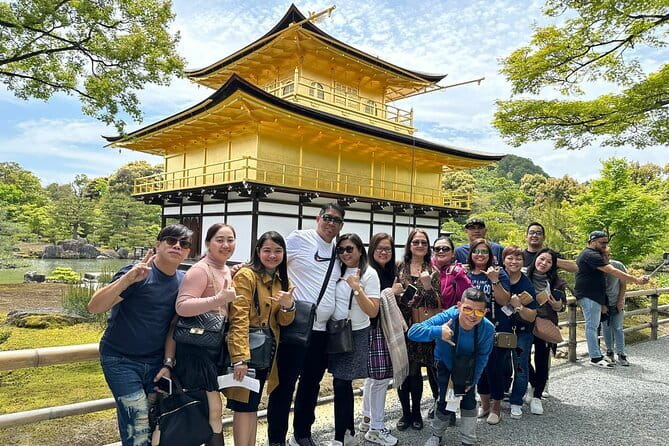
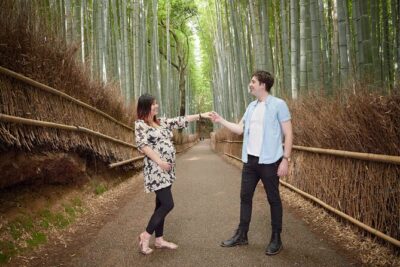
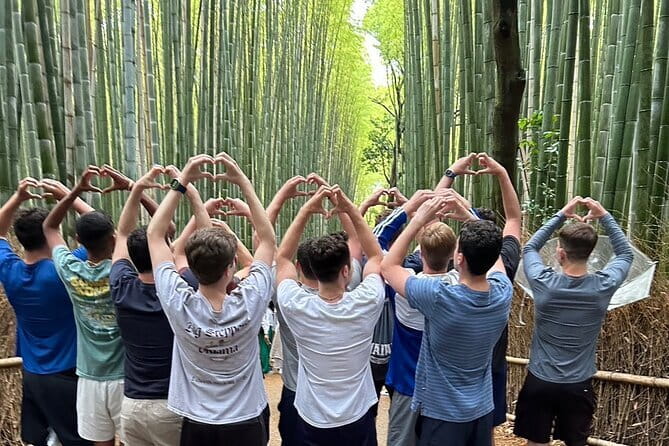
The day starts with Arashiyama Kimono Forest, then you head into the area leading toward the bamboo forest. The itinerary sets this as about 1 hour for this first section, and admission isn’t included.
Why this stop works:
- It’s often the first “wow” moment of the day, because you can feel the mood shift as the bamboo area comes into view.
- Starting here helps you catch better conditions before the later Kyoto crowd wave hits harder in other zones (especially around Higashiyama and central districts).
What to watch:
- This is a walking day. Even when the time window is short, you’ll want supportive shoes. Arashiyama lanes and paths can involve uneven ground.
If you care about photos, this is one of the easiest places for a guide to point you to better angles—bamboo scenes can look flat if you’re standing in the wrong spot.
Stop 2: Kinkakuji (Golden Pavilion) with a short, focused visit
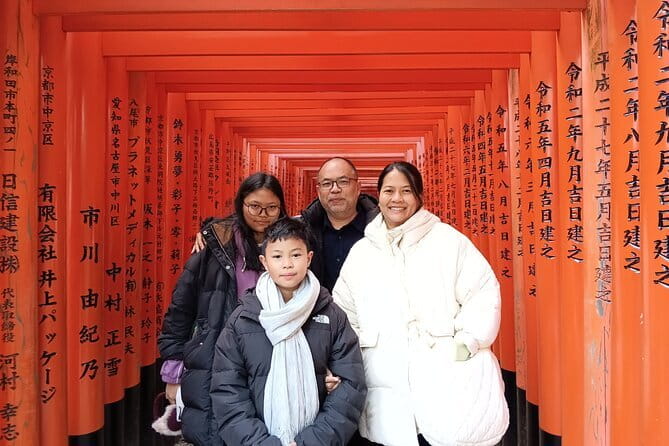
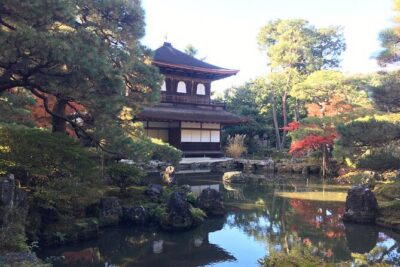
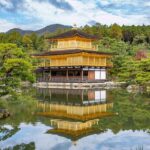
Next is Kinkakuji Temple, the Golden Pavilion. The schedule allows about 30 minutes, and admission isn’t included. The tour notes that the area includes very old bonsai trees—over 600 years old—and you’ll reach the site by bus or train.
This stop is where your guide’s “use your time” skills really matter. Thirty minutes sounds short, but if you’re hit by long lines or you drift into the wrong viewing spots, it evaporates.
What I like about pairing Kinkakuji here:
- The tour doesn’t try to make you spend half your day at one temple.
- It sets you up to keep moving through Fushimi Inari and into the market and Gion/Higashiyama areas later.
Cost note: Kinkakuji’s entrance fee is listed as 500 JPY and isn’t included. So budget for that separately.
Stop 3: Fushimi Inari Taisha’s short torii course
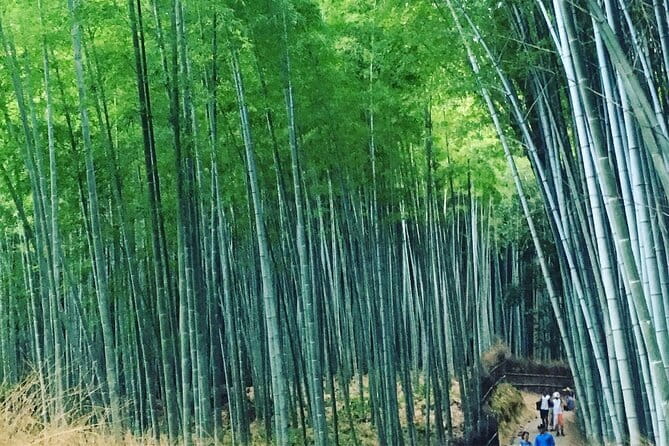
After Kinkakuji, you go to Fushimi Inari Taisha Shrine. The tour notes the whole walking course is about 2 hours, but you’ll do a short course that takes under 30 minutes. The admission here is free.
Why the short course is a smart move:
- Fushimi Inari can swallow your day if you keep climbing.
- A shortened torii walk still gives you the core visual experience—rows of torii gates—without turning it into a marathon.
This is also one of the best places to practice a simple travel habit: slow down for details. Inari shrine areas have constant visual variety—torii lines, stone paths, and small shrine moments—so even a brief walk feels like it has texture.
Time and comfort note: the short course is under 30 minutes, but you’ll still want to move carefully. Stone paths and stairs add up when you’re stacking multiple Kyoto stops in one day.
You can also read our reviews of more private tours in Kyoto

Stop 4: Nishiki Market Shopping District (and lunch if you can handle crowds)
Then comes Nishiki Market, about 1 hour. Admission is free, and the itinerary points out that it’s famous for Kyoto kitchen items. It also offers a lunch option here if you don’t mind standing and crowded lanes.
This stop is great for anyone who wants “Kyoto flavors” without planning a restaurant in advance. You’ll see lots of snacks and packaged items—perfect for building a picnic-style meal or just grazing.
Possible drawback:
- If you hate crowds, Nishiki can feel like sensory overload. The tour specifically flags that it can be standing-room crowded.
My advice: treat Nishiki like a tasting mission. Pick 2–3 things you really want, then keep moving. If you try to eat a full sit-down lunch there, the market energy can wear you down.
Stop 5: Gion + Ninenzaka/Sanenzaka street time for street scenes and possible geisha sightings
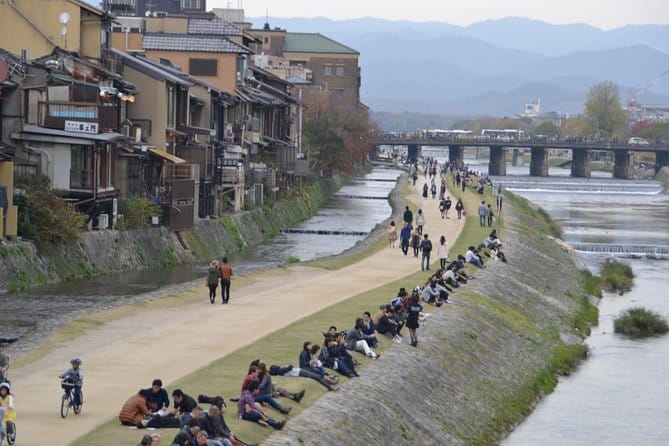
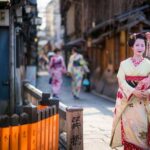
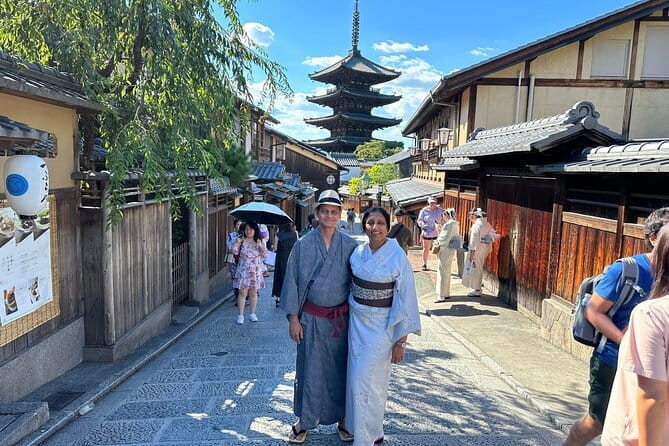
Next is Gion, with about 3 hours allocated, and the itinerary suggests you’ll walk from there toward Ninenzaka and Sanenzaka up to the area near Kiyomizudera. Admission is free for these included street sections.
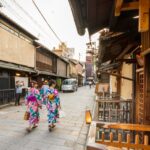
The goal here is not just sightseeing—it’s atmosphere. Gion lanes, the stone-step streets nearby, shopfronts, and the general old-town feel are what make Higashiyama evenings (and daytime walks) special.
The tour also says there’s a chance to spot geisha. I’d treat that as a hope, not a guarantee. Kyoto’s cultural traditions are visible in certain areas, but appearances depend on timing and local schedules.
What I like about the route:
- It staggers your time so you don’t go from market crowds straight to a long temple climb without a break.
- You get time to pause for photos and slow down for street-level details.
What to be ready for:
- These neighborhoods involve stairs and uneven stone lanes in places. If your group includes kids, plan breaks and go slower than you think you need to.
Stop 6: Kiyomizudera Temple and the steep stairs-and-shops approach
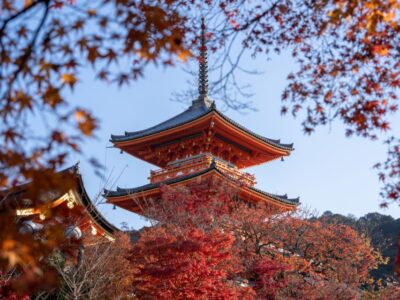
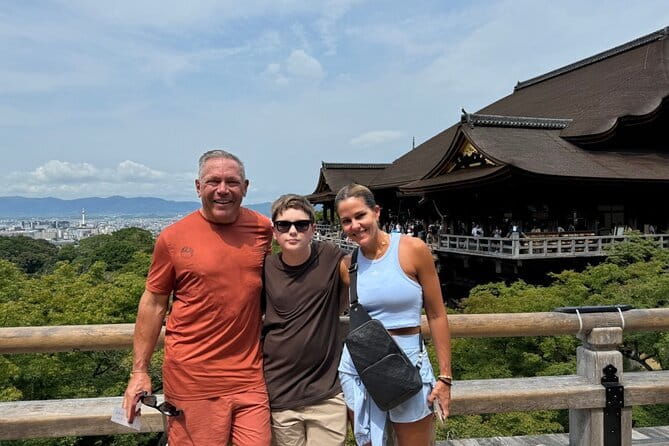
Finally, you reach Kiyomizudera Temple. The tour includes about 2 hours here, and admission isn’t included. The itinerary notes you’ll pass through Ninenzaka and Sanenzaka areas on the way up, which are steep and lined with shops on both sides.
This is the stop where good footwear pays off. Even if the temple itself doesn’t feel far away on a map, the approach can be tiring because of stairs and the walking rhythm through shop corridors.
Entrance fees: Kiyomizudera is listed at 600 JPY and isn’t included. Also, the non-included fee list includes Tenryuji 500 JPY, which may come up depending on which temple areas your day includes around the Arashiyama side—so it’s smart to carry extra yen for whatever entrance ticket pops up.
Why this final stop makes sense:
- You end with one of Kyoto’s biggest “payoff” locations visually.
- You’ve already done the torii and the market, so this temple visit feels like a strong conclusion rather than a repeat of earlier scenes.
Guides: tailoring, photo skills, and the small fixes that make a day smoother
The guide experience seems to be the real differentiator on this tour. The included materials say the tour guide speaks English and Thai, and the reviews reinforce that guides often take a practical approach to pacing.
From the guide names that show up in feedback:
- Marin gets credit for being flexible and efficient with time, and also for taking good photos.
- Shoji is mentioned for sending pictures after the tour.
- Senji and Shinji are praised for being helpful, including finding a cash machine when yen withdrawal was needed.
- There’s also one less-great report about Singji, where English was limited and the guide had trouble explaining things as fully as expected.
So here’s the balanced take: expect strong day-management most of the time, especially if you’re clear about your interests. But if you need lots of explanation in English to fully enjoy the day, consider sending a detailed message about your preferred level of historical detail versus just practical guidance.
A fun bonus: if your guide is the type to shoot photos, you might get extra images to remember the day—handy for groups, couples, and anyone who wants a few “not-selfie” shots.
What’s included vs not included (and how to budget for yen)
Included:
- Tour guide fee
- A local English and Thai speaking tour guide
Not included:
- Public transportation fees (train, bus, taxi, etc.)
- Private transportation fees
- Entrance fees (Kinkakuji 500 JPY, Tenryuji 500 JPY, Kiyomizudera 600 JPY)
- Food and drink
That means you should plan to cover:
- Transit costs to get between Arashiyama, Kinkakuji, Fushimi Inari, Nishiki, Gion, and Higashiyama/Kiyomizudera
- Tickets where listed above
Practical advice: have some extra cash on hand. One guide helped locate an ATM for a yen withdrawal, which tells me this is a real-life hiccup that happens. Even with modern payment options in Japan, day trips still run more smoothly when you’re not scrambling.
Getting the most out of the day: my practical checklist
If you book this tour, you’ll have a long day with lots of icons. To keep it enjoyable, I’d go prepared in a few ways:
- Wear shoes you can walk in for hours. Stairs show up at the end near Kiyomizudera, and the streets around Ninenzaka/Sanenzaka aren’t flat.
- Bring layers. Kyoto weather can swing, and temple areas can be cool and breezy.
- If you want a specific food plan, send it early when you share preferences. The itinerary is drafted based on what you want to see and eat, and that’s where the tour becomes truly yours.
- Decide your “pace style.” If you like photos and street wandering, tell the guide. If you want maximum sights with minimal stops, tell them that too.
Who this private Kyoto highlights tour suits best
This is a strong pick if:
- You want a private day with maximum major highlights in one itinerary.
- You’re traveling with kids or family and need the day tailored to your group’s stamina.
- You care about practical guidance: where to go, how long to stay, and how to handle crowd-heavy spots like Nishiki Market.
- You like the idea of photo help and a guide who pays attention to what will look good.
It may be less ideal if:
- Your top priority is a lot of deep, lengthy storytelling in English and you’re extremely sensitive to communication issues. The tour includes English support, but experiences can vary by guide.
- You want a slow, unstructured Kyoto day. This route is packed by design, and you’ll spend most of the day in motion.
FAQ
FAQ
How much does the Kyoto tour cost, and how many people are in a group?
The price is $192 per group, for up to 6 people.
How long is the tour?
It’s listed as about 8 hours.
Is the tour private?
Yes. It’s a private tour, meaning only your group participates.
What’s included in the price?
The tour guide fee is included, along with a local English and Thai speaking tour guide.
What entrance fees should I expect to pay separately?
Entrance fees are not included. Kinkakuji is listed at 500 JPY, Tenryuji at 500 JPY, and Kiyomizudera at 600 JPY. Fushimi Inari Taisha is free.
Can I cancel and get a refund?
Yes. You can cancel for a full refund up to 24 hours in advance of the experience start time.
Should you book this private Kyoto highlights tour?
If your goal is a single, well-run day that checks off Kyoto’s biggest names—Arashiyama bamboo area, Kinkakuji, Fushimi Inari, Nishiki Market, Gion, and Kiyomizudera—this tour is a smart way to do it. The best reason to book is the flexibility: you share your preferences, the itinerary is drafted around them, and the day can adjust to your pace.
I’d book it with confidence if your group values guidance and convenience over total independence. I’d be a bit more careful if your happiness depends on lots of detailed English explanations throughout—because one guide experience suggests that language clarity can sometimes be an issue. If you plan to be direct about what you want (history, photos, food stops, or just efficient routes), you’ll likely get the kind of day that feels worth the price.