REVIEW · KYOTO
Geisha culture & Kiyomizu area Guided Walking Tour in Kyoto
Book on GetYourGuide →Operated by Mashberry Tourism · Bookable on GetYourGuide
Kyoto starts telling stories in your footsteps. This guided walk pairs Kiyomizu-area sights with clear, street-level explanations of geiko and maiko culture. I love that the guide turns what you see into something you can actually understand and remember.
You’ll also get photo breaks built into the pace, not just a march from one landmark to the next. In particular, the English-language guides (like Lily, one of the guides associated with this tour) are known for being upbeat and ready for questions.
One consideration: there are stairs and plenty of walking, and it is not suitable for wheelchair users or people with mobility impairments. If you’re nursing knees or ankles, plan to take your time and bring the right shoes.
In This Review
- Key things that make this tour worth your time
- Entering Kyoto’s Geisha Stories in the Kiyomizu Area
- Meeting at Sanjyo and Kamogawa: Fast start, easy orientation
- The 2-hour walking route: shrines, temples, and the “why” behind what you see
- Stairs, weather, and photo timing: the practical stuff that saves your trip
- If you want more temple time: the Chion-in extension
- Guide energy matters: what makes the storytelling land
- Price and value: does $39 make sense for Kyoto?
- Who should book this tour (and who might skip it)
- Should you book the Mashberry Tourism Geisha and Kiyomizu walk?
- FAQ
- How long is the Kyoto walking tour?
- Is there an optional extension to the tour?
- Where do I meet for the tour?
- What language is the tour in?
- Is video recording allowed?
- Does the tour include meals and hotel pickup?
- Can I cancel for a full refund?
Key things that make this tour worth your time
- Geiko and maiko culture, explained in plain language, so you get the why behind the details.
- A short, focused 2-hour format that still covers major sights and quieter corners.
- Temple-and-shrine stops with time to photograph, plus guidance on what to look for.
- Stairs included, so comfortable shoes are not optional.
- Optional Chion-in extension for extra depth if you want more temple time.
- Respectful photography rules, including asking permission before shooting people.
Entering Kyoto’s Geisha Stories in the Kiyomizu Area
This isn’t a costume-and-legend type tour. The goal is to help you see how geiko and maiko culture fits into Kyoto’s everyday rhythms and its temple-and-street landscape. You walk through famous-feeling areas, but you’re also guided toward lesser-known spots that make the city feel lived-in.
What I like most is the balance: you’re not getting a lecture, and you’re not just collecting photos. The guide connects architecture, customs, and small street details to the performances and traditions people associate with Kyoto. That makes the whole walk feel more like learning the city’s language.
And yes, the tour title mentions geisha culture, so that’s a major theme. You’ll hear how these traditions evolved and what they mean in Kyoto. Just keep expectations grounded: this kind of street walking tour is about understanding culture, not a guaranteed siting of geiko or maiko on command.
You can also read our reviews of more walking tours in Kyoto


Meeting at Sanjyo and Kamogawa: Fast start, easy orientation
You meet in front of the Yajikita statue at the intersection of Sanjyo Street and the Kamogawa path. The landmarks are simple: there’s a Lawson nearby and a Starbucks right in front. The tour ends back at the same meeting spot, so you’re not stuck figuring out how to get back after.
Because it’s a walking tour, your biggest win comes from showing up ready. Use the restroom before you start—there’s a while before the first break. This is one of those small details that makes the difference between an enjoyable walk and a constantly-checked watch.
The tour is also designed with a predictable structure in mind: two hours of walking as the core experience. That matters if you’re building a day around other plans like dinner reservations or a separate temple visit.
The 2-hour walking route: shrines, temples, and the “why” behind what you see
The main experience is a guided stroll through historic Kyoto, with shrines and temples along the way. Since the tour focuses on the Kiyomizu area, you’ll feel that classic Higashiyama atmosphere—traditional streets, old wooden details, and the kind of scenic turns that make Kyoto look like a postcard even on regular days.
Here’s what you should pay attention to during the walk:
- Temple and shrine layout: the way approaches lead you toward halls, gates, and main spaces.
- Architectural choices: details that signal different functions and time periods.
- Customs and etiquette: how locals behave in sacred spaces and why rules exist.
What makes this tour feel different from a generic landmark loop is the storytelling. The guide doesn’t just name places; she explains how the stories and traditions shaped Kyoto. If you’re curious about how art, craft, and ceremony all connect to daily life, this is the kind of tour that helps the dots click.
There are also stops aimed at more intimate glimpses of local life. That’s where Kyoto stops feeling like a set of attractions and starts feeling like a real city. If you’re the type who likes walking past ordinary storefronts and small street scenes, you’ll probably enjoy these detours.
Stairs, weather, and photo timing: the practical stuff that saves your trip
Expect some stairs during the tour, so wear comfortable shoes with grip. This is one of those “don’t wait until the last minute” travel tips—Kyoto’s sidewalks and steps can feel fine until you’re doing them repeatedly over two hours.
Weather matters too. The tour is a walking experience, so come prepared for all conditions. Bring an umbrella or raincoat even if the forecast looks calm. Kyoto weather loves to change its mind, and you don’t want your day to revolve around finding cover.
Photography is allowed, which is great—Kyoto is a camera-friendly city. Just follow two key rules:
- Be respectful around people. Ask permission before taking photos of individuals.
- No video recording. If you planned to record clips for social media, you’ll need to rethink that.
The tour also includes a break and built-in time for photos at photogenic spots. The pace is structured so you’re not sprinting between views. Still, you’ll want to pace your energy early, since it’s a short tour and the guide keeps moving.
If you want more temple time: the Chion-in extension
On the day, the tour offers an extended Chion-in temple option. This adds about 40 to 50 minutes, which is a big enough chunk to feel like a real add-on, not a quick bonus stop.
Chion-in is a famous name in Kyoto, but the extension’s value is more than the headline. This is where you may get extra context for the architectural and cultural themes the main walk introduced. If you came to Kyoto specifically for temples and you don’t mind a longer stretch of walking, it’s a smart way to deepen the day.
Cost is listed clearly: 1,000 yen per person for the Chion-in extension. If you’re watching your budget, you can skip it and still get plenty from the core 2-hour walk. If you’re a temple person, I’d consider adding it—an extra 40 to 50 minutes can make the difference between a good overview and a stronger memory.
You can also read our reviews of more guided tours in Kyoto



Guide energy matters: what makes the storytelling land
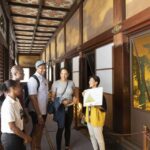
In a city like Kyoto, the difference between a so-so tour and a great one often comes down to the guide’s delivery. This tour leans into that. The guides are described as friendly and energetic, and the tone is focused on history and geisha culture in a way that feels alive, not stiff.
A big plus: the guide is open to questions. That matters because geiko and maiko culture can sound confusing at first. If you ask about roles, terms, or how traditions work in real life, you’ll likely get answers that make sense in context—especially when paired with what you’re seeing outside.
Lily is specifically mentioned as a guide in reviews tied to this experience. If your group happens to be with her, you can expect a lively approach and a genuine interest in Japanese culture. Even if it’s a different guide, the overall pattern is the same: passionate explanations and a pace that keeps you engaged.
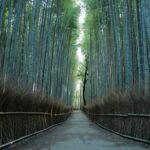
One more practical detail that shows up in feedback: you’ll stop at countless beautiful locations for photos. That’s not just about pretty views; it gives you time to look carefully, not just glance and move on. In Kyoto, careful looking is half the fun.
Price and value: does $39 make sense for Kyoto?
At $39 per person, this is priced like an affordable “culture boost” rather than a premium private tour. The value comes from what you’re getting for the price:
- A full guide for the main walking experience (English).
- Focused time: 2 hours of guided sights rather than an open-ended shuffle.
- Cultural context around shrines, temples, and geiko and maiko traditions.
- Photo-friendly pacing, including time for photos at stops.
It’s not all-inclusive, though. Meals are not included, and there’s no hotel pickup or drop-off. That’s normal for walking tours, but it affects planning. If you’re staying near the meeting area, you’ll have an easier time. If you’re traveling across town, you’ll want to budget time to get to the meeting point at Sanjyo and Kamogawa.
Also, there’s that possible extra cost if you add Chion-in: 1,000 yen per person. For many people, that makes sense because it extends the day and adds a major temple experience. But you should decide based on your interests and energy levels.
Overall, $39 feels fair for a guided, story-led walk in a high-demand city—especially if you want the cultural meaning behind what you’re seeing rather than just a list of landmarks.
Who should book this tour (and who might skip it)
This tour fits best if you want:
- A guided way to understand geiko and maiko culture through real Kyoto street-and-temple context.
- A short, efficient schedule (2 hours) that leaves room for other plans.
- A question-friendly guide who’s happy to talk culture and traditions while you walk.
You might want to skip or think twice if:
- You struggle with stairs or longer walking stretches. The tour is not suitable for wheelchair users or people with mobility impairments.
- You’re hoping for a guaranteed geisha sighting. The tour is built for learning, not for show-up-and-see.
Should you book the Mashberry Tourism Geisha and Kiyomizu walk?
If you’re arriving in Kyoto and want to get oriented fast—both geographically and culturally—this is a strong first or second-day pick. The combination of Kiyomizu-area walking, temple and shrine stops, and geiko and maiko storytelling gives you more meaning per step than a basic sightseeing loop.
Book it if you’ll enjoy:
- walking on foot for about two hours,
- learning how traditions connect to what you see,
- taking photos at photogenic spots with time to slow down.
I’d pass if mobility is an issue or if you want a tour that includes meals and transportation. This one is simple and straightforward: meet, walk, learn, photo, and head back.
If that style matches your trip, this tour is a good use of time—and a great way to make Kyoto feel personal.
FAQ
How long is the Kyoto walking tour?
The core tour is 2 hours of walking.
Is there an optional extension to the tour?
Yes. An extended Chion-in temple visit is offered on the day, adding about 40 to 50 minutes. It costs 1,000 yen per person.
Where do I meet for the tour?
Meet in front of the Yajikita statue at the intersection of Sanjyo street and the Kamogawa path, near a Lawson and in front of a Starbucks.
What language is the tour in?
The tour is in English.
Is video recording allowed?
No. Video recording is not allowed during the tour.
Does the tour include meals and hotel pickup?
No. Meals and hotel pickup/drop-off are not included.
Can I cancel for a full refund?
You can cancel up to 24 hours in advance for a full refund.