REVIEW · KYOTO
Private Kyoto Cooking Class with Aki in a Beautiful Wooden House
Book on Viator →Operated by Traveling Spoon · Bookable on Viator
Aki’s home cooking class feels like Kyoto at human scale. You’ll cook seasonal comfort food in a warm wooden house, with recipes in English and plenty of room to ask questions as you go. The big win is the hands-on format, where you’re not just watching—you’re making real dishes and learning the how, not only the what.
The main thing to consider is logistics: there’s no hotel pickup, so you’ll need to get to the meeting spot under your own steam.
In This Review
- Quick take: why this private class is worth your morning
- Booking value: what $95 buys you in Kyoto
- Your morning in Kyoto: arriving at the meeting point
- Step into Aki’s wooden house kitchen
- How the hands-on cooking works (and why it matters)
- What you’ll cook: seasonal dishes with practical technique
- The meal you cook: eating together in Aki’s home
- Questions, pace, and the comfort factor that people rave about
- Dietary needs and vegetarian options you can plan around
- Who this class is best for (and who should look elsewhere)
- Practical tips to get the most from the class
- Should you book this Kyoto cooking class?
- FAQ
- How long is the Kyoto private cooking class?
- What time does the class start?
- Is this a private experience?
- What’s included in the price?
- What’s the vegetarian policy?
- Are the recipes provided in English?
- Does the host pick you up from your hotel?
- Where does the class meet?
- What if I have allergies or dietary restrictions?
- What’s the cancellation policy?
Quick take: why this private class is worth your morning
- Aki’s patient, English-friendly guidance makes the steps feel doable even if your Japanese is rusty.
- Private home setting means a relaxed pace, not a conveyor-belt studio class.
- Seasonal menu choices that don’t usually show up in restaurants.
- Cooking + meal + alcoholic drinks included, so you’re set for the rest of the day without hunting for food.
- You leave with technique, including “secret” tips for familiar staples like miso soup.
- Often lots of leftovers, which can turn the class into a two-meal souvenir.
Booking value: what $95 buys you in Kyoto
At $95 per person for about three hours, this isn’t a bargain on paper. But in Kyoto, you’re paying for three things that are hard to replicate on your own: a private home kitchen, step-by-step instruction in English, and a full meal built from what you cook together.
For a lot of cooking classes, the “class” is the product—and the meal is an extra plate. Here, the meal is part of the lesson experience. You’ll cook, you’ll eat what you made, and you’ll get tips that help you recreate the flavors later (especially if you like soups, braises, and everyday Japanese textures). If you’re traveling with a friend or family member, the private angle also matters: you can move at a comfortable speed and ask follow-up questions without feeling rushed.
Also, the menu is seasonal. That’s not just filler. It means you’ll learn what people actually cook in that time of year, not a fixed lineup designed for tourists.
You can also read our reviews of more private tours in Kyoto



Your morning in Kyoto: arriving at the meeting point
You start at 10:30 am and return to the same meeting point. Your host Aki meets you at Ipponmatsu Shimogamo Matsunokicho in Sakyo Ward (near public transportation).
No hotel pickup sounds small, but it changes the vibe. It’s better to think of this as an intentional outing: you plan your transit, arrive a bit early to settle in, then let the class begin. If you’re the type who likes to explore neighborhoods on foot, this works nicely. If you’re staying far from Sakyo Ward or hate transit transfers, it’s worth building extra buffer time.
You’ll also get a mobile ticket, and confirmation comes within about 48 hours of booking (subject to availability). So if your schedule is tight, confirm early.
Step into Aki’s wooden house kitchen
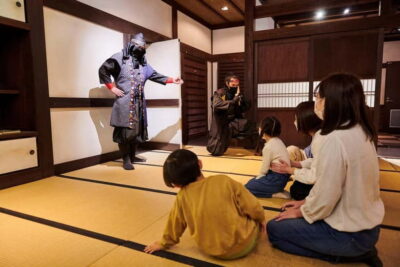
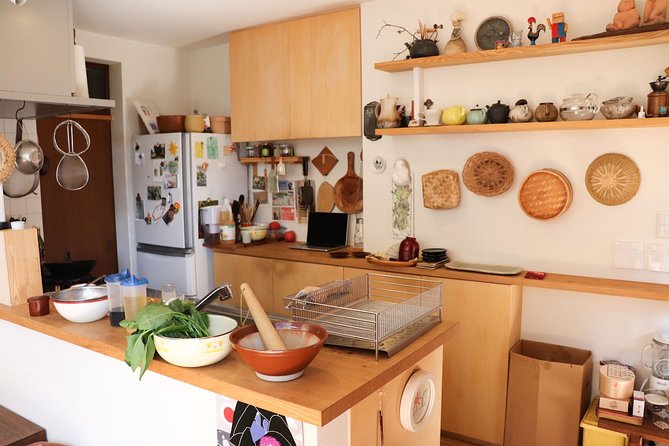
This experience is centered on atmosphere. You’re not cooking in a loud classroom or a demo kitchen. You’re in a beautiful wooden house in Kyoto, where the setting itself supports the pace—quiet, personal, and comfortable.
What I like most about this kind of home-class setup is how quickly the “learning” becomes real. You can see ingredient choices, understand why certain steps happen in a certain order, and ask things when they pop into your mind. That’s especially important if you want to understand Japanese cooking beyond just copying a recipe.
The class is private, so it’s just your group. In practice, that usually means less waiting, fewer interruptions, and more actual attention from the host.
How the hands-on cooking works (and why it matters)

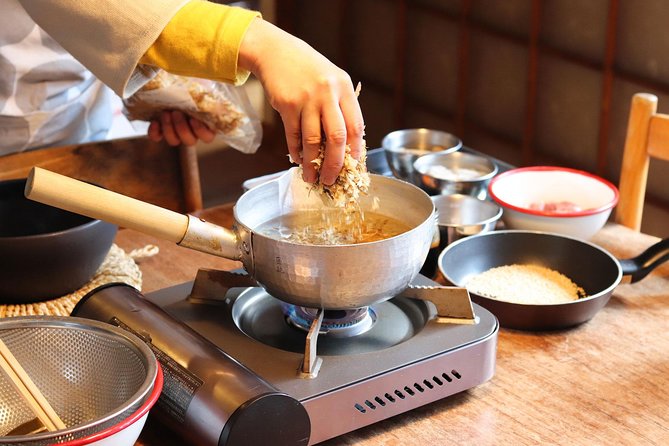
You’ll have recipes in English, and Aki guides you through the cooking process. The experience is structured so the cooking portion lasts about an hour, followed by the meal you help prepare.
Hands-on classes are great when they’re interactive in the right way. Here, you don’t just chop once and stir once. You learn the flow: prep, cooking steps, timing, and the small decisions that make Japanese home food taste like home food.
A couple of things to expect:
- Seasonal dishes from a home-style menu, not a restaurant showpiece.
- Technique lessons, including tips that make classics easier to repeat later.
- The option to ask questions along the way, because you’re not stuck in a big group format.
Aki also focuses on Japanese food and culture as you cook. That’s not “extra talk.” It’s the kind of cultural context that helps you understand why flavors work together—like how soups are built around umami, or how braised vegetables get depth over time.
What you’ll cook: seasonal dishes with practical technique
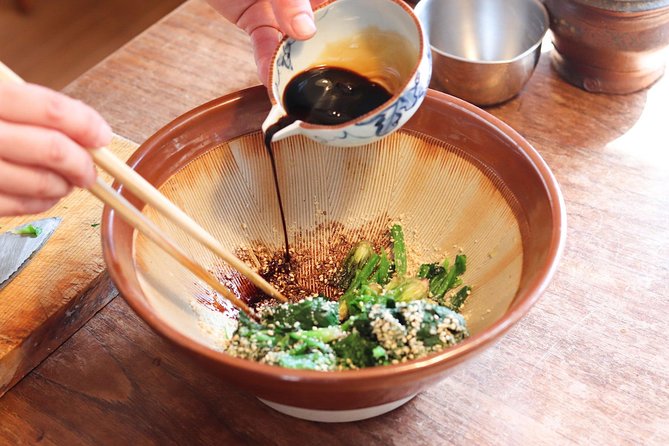
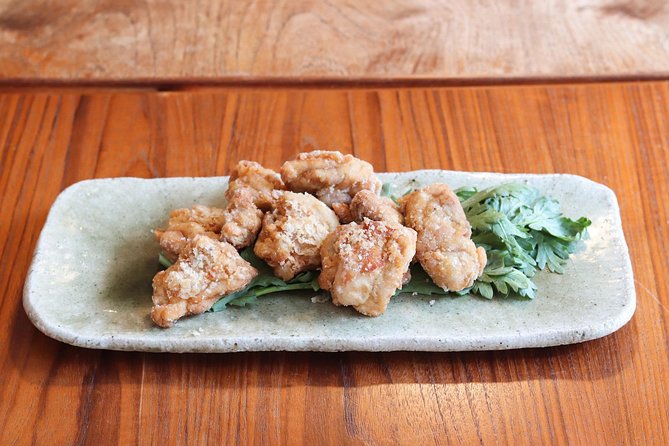
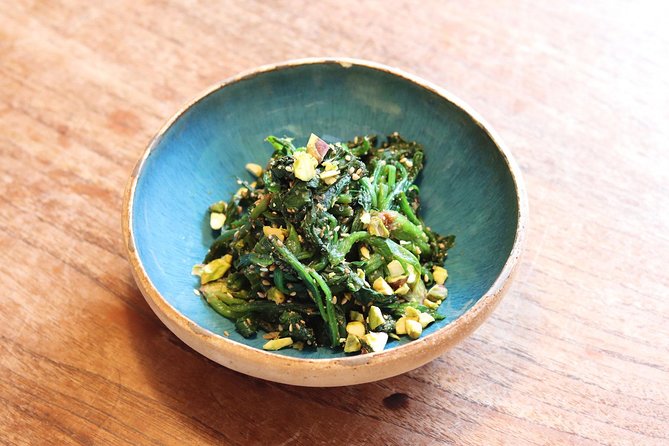
The exact menu depends on the season, but it’s the kind of seasonal home-style cooking that’s rarely offered as-is in restaurants. Based on sample dishes you might make, think along these lines:
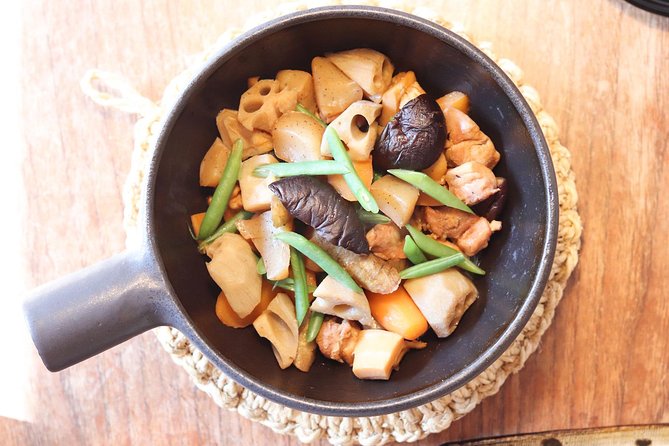
- Chikuzenni (braised chicken and vegetables)
This is the kind of dish that teaches you how braising turns separate ingredients into one cohesive flavor. You get practice with how long cooking really matters for tenderness and seasoning absorption.
- Braised burdock root
Burdock can be a learning dish. It’s not always on restaurant menus in the same way, so making it helps you understand texture and how seasoning clings without turning the dish heavy.
- Miso soup, including “secret tips”
Miso soup is simple on the surface, but the details change everything. You’ll get guidance that helps you avoid the most common missteps, so it tastes like something you’d actually serve at home rather than something you made once.
You’ll make a selection of seasonal home-style dishes. The exact combination can shift with what’s available and what Aki plans for that time of year—so don’t assume every class will include the same dishes. If you have a strong preference (or a must-avoid ingredient), plan to communicate it during booking.
You can also read our reviews of more cooking classes in Kyoto



The meal you cook: eating together in Aki’s home
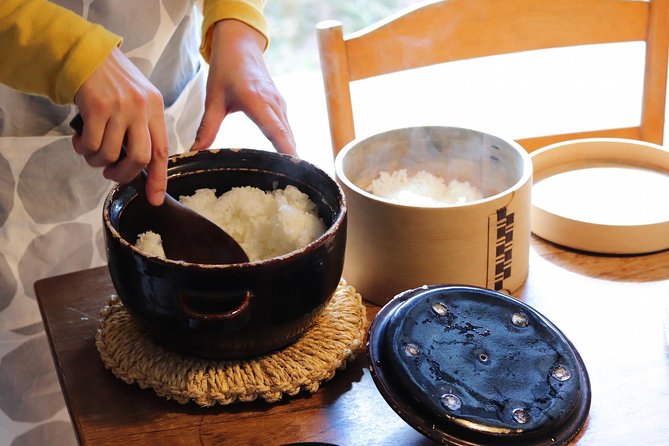
After about an hour of cooking, you sit down for the meal you helped prepare. This is where the private home-class format really pays off. You’re not eating in a separate, disconnected moment—you’re tasting the outcome of what you just did.
The meal is included, and alcoholic drinks are included along with non-alcoholic beverages. You can keep it simple and enjoy the food, or pace yourself and enjoy a relaxed conversation with your host. Either way, the food is the point.
One practical benefit: the cooking class often produces enough food for more than one meal. If you’ve got a lunch plan for the next day, this can cover it—or at least make it easier.
Questions, pace, and the comfort factor that people rave about
The most consistent theme is comfort. People describe feeling welcome and at ease from the start. That matters, because a cooking class is a little vulnerable—especially if you’re not sure what you’re doing or how long things take in Japanese kitchens.
Aki is known for being kind and patient, with clear English instruction. That combination keeps the class from feeling stressful. It also means you can actually retain what you’re learning instead of just getting through it.
Another big plus: because it’s private, you can stop to ask follow-up questions. If you wonder about ingredient substitutions, timing, or what to look for in doneness, this class is set up to answer those questions in the moment.
And yes, you’ll likely get recommendations for what to do later in Kyoto. That’s a small detail, but it adds up—when you leave with a practical list for the rest of your day, the class feels like part of your trip planning, not a standalone activity.
Dietary needs and vegetarian options you can plan around
If you have dietary restrictions or allergies, you can (and should) advise Aki at booking. A vegetarian option is also available, but you need to request it ahead of time.
This matters because Japanese home cooking can include ingredients that are easy to miss if you’re only reading menu translations. If you’re avoiding something specific, don’t rely on assumptions. Put it in writing when you book so Aki can adapt the dishes.
Who this class is best for (and who should look elsewhere)
This fits especially well if you:
- want a private experience instead of a crowded cooking studio
- like learning through doing, with guidance in English
- enjoy soups, braises, and home-style dishes
- want a calm morning activity with a real payoff meal
- plan to keep cooking later at home, not just take photos
It may be less ideal if you:
- hate going to meeting points on your own (since there’s no hotel pickup)
- need a guaranteed fixed menu (seasonal dishes can vary)
- have very complex dietary needs but didn’t communicate them clearly in advance
If you’re short on time and want something fast, three hours can be a commitment—but it’s still a smart use of a morning when you want to eat well without overplanning.
Practical tips to get the most from the class
A few things will make this experience smoother:
- Arrive a few minutes early so you’re not rushed when you meet Aki. A home class feels best when you can settle in.
- Ask questions as you cook. If something doesn’t make sense, this is the moment to fix it.
- If you know you’ll forget steps later, take a few notes during the process. The recipes are in English, but your memory benefits from quick reminders.
- If you’re sensitive to alcohol, let your preferences be known early. You’ll have non-alcoholic beverages available too.
Should you book this Kyoto cooking class?
I’d book it if you want a genuine Kyoto experience inside a real home kitchen—with hands-on cooking, a shared meal, and English support that makes the steps sink in. The best part isn’t just learning recipes; it’s learning technique and timing in a way you can repeat later.
Skip it if the no-pickup logistics will stress you out, or if you’re looking for a big, structured show with a fixed menu. But if you enjoy learning from a patient host in a calm setting, this is one of the most satisfying ways to spend a morning in Kyoto—and one that leaves you eating what you made, not just watching it happen.
FAQ
How long is the Kyoto private cooking class?
The class runs for about 3 hours.
What time does the class start?
The start time is 10:30 am.
Is this a private experience?
Yes. It’s a private, personalized experience for only your group.
What’s included in the price?
You get the private cooking class and homecooked meal with your host Aki, plus beverages. Alcoholic drinks are included, and non-alcoholic beverages are also included.
What’s the vegetarian policy?
A vegetarian option is available if you advise you want it at the time of booking.
Are the recipes provided in English?
Yes. Aki provides recipes in English.
Does the host pick you up from your hotel?
No. Hotel pickup and drop-off are not included.
Where does the class meet?
The class starts at Ipponmatsu Shimogamo Matsunokicho, Sakyo Ward, Kyoto, 606-0816, Japan, and ends back at the meeting point.
What if I have allergies or dietary restrictions?
You should advise any allergies, dietary restrictions, or cooking preferences at the time of booking so the menu can be adjusted.
What’s the cancellation policy?
The experience is non-refundable and cannot be changed for any reason.