REVIEW · KYOTO
Kyoto Aquarium Admission Ticket
Book on GetYourGuide →Operated by LINKTIVITY Inc. · Bookable on GetYourGuide
A day with rare creatures in Kyoto. Kyoto Aquarium sits in calm Umekoji Park, so your visit feels less like a rush and more like a stroll with sea life and fresh-air breaks. I like how the place pushes you to think about animals and nature together, with a theme of coexistence tied to Kyoto’s water blessings.
My two favorite parts are the dolphin performances, where their agility reads almost like intelligence training, and the giant salamanders—ancient, rare, and seriously fascinating when you slow down. The penguins add charm too, with a lineup that feels full of character rather than just exhibits.
One thing to plan around: re-entry isn’t allowed, so once you go in, you’ll want to pace your stops instead of running out and back for breaks.
In This Review
- Key highlights you’ll actually care about
- Kyoto Aquarium in Umekoji Park: where the visit starts calm
- Ticket price and the real value of a one-day pass
- Dolphin performances: the high-skill show you can plan your day around
- Penguin encounters: watching personality, not just posture
- Giant salamanders: the rare exhibit that rewards patience
- Satoyama countryside recreation: how the aquarium connects water, land, and life
- Jellyfish aquariums and seals: the follow-up stops that often win hearts
- Getting smarter on-site: talk to the breeding staff
- Practical rules that affect your day: flash, pets, and re-entry
- How long it really takes, and how to pace it without stress
- Who this Kyoto Aquarium admission is best for
- Should you book the Kyoto Aquarium admission ticket?
- FAQ
- How much is the Kyoto Aquarium admission ticket?
- Where is Kyoto Aquarium located?
- How long is the ticket valid?
- Are there dolphins at Kyoto Aquarium?
- Are the giant salamanders part of the aquarium’s exhibits?
- Can I bring pets into Kyoto Aquarium?
- Can I take photos or record video?
- Can I leave and come back into the aquarium?
- Is Kyoto Aquarium wheelchair accessible?
Key highlights you’ll actually care about
- Dolphin performances that make you watch for skill, not just spectacle
- Penguin viewing that feels more personal than a standard tank-and-pass
- Ancient giant salamanders in a dedicated exhibit worth your time
- Satoyama countryside recreation that frames the visit as coexistence with nature
- Jellyfish aquariums and seals that many visitors end up making a second priority
- Breeding staff chats if you’re curious and want real animal context
Kyoto Aquarium in Umekoji Park: where the visit starts calm
Kyoto Aquarium isn’t hidden in a back alley or wedged into a noisy strip. It’s in serene Umekoji Park, surrounded by trees and open lawns. That matters because it sets the tone: you can arrive with some breathing room, then transition from walking paths to animal viewing without the “stampede” vibe you get at some big attractions.
I also like the way the aquarium doesn’t feel only about water. The whole experience leans toward a bigger idea—how living creatures share space, and how water connects ecosystems. That theme shows up in both what you see and how the displays are arranged.
If you’re the type who likes to take photos, plan to do it thoughtfully. Yes, camera and video shooting is possible, but inside you’ll need to skip flash photography to protect the animals.
You can also read our reviews of more tours and experiences in Kyoto


Ticket price and the real value of a one-day pass
Your ticket cost is $16 per person, and the attraction is built for a full day at an unrushed pace. The value isn’t just the number on the ticket—it’s how the exhibits are spread across very different “moods,” from high-energy animal shows to slower, more reflective displays like the salamanders and the satoyama recreation.
This is the kind of admission that works if you:
- want a single plan that doesn’t require constant transport
- enjoy mixing big-view moments (dolphins, seals) with quieter stops (salamanders)
- like learning context while you watch
One practical note: the ticket is valid for 1 day, and you’ll need to check availability for starting times. So if you can, choose a time that gives you breathing room rather than forcing everything into a tight schedule.
Dolphin performances: the high-skill show you can plan your day around
Dolphins are the big “put it on your calendar” attraction here. The performances are where the aquarium turns into pure attention: you watch for timing, movement, and that sense that the animals are doing something intentional, not just reacting.
Here’s how to make this part work for you:
- Arrive with enough time to settle in, because the show is a core anchor for the day.
- Don’t treat it like background noise. The dolphins’ agility and intelligence are the point, so give it your full focus once you’re seated.
If you’re traveling with kids, this is a good energy reset. If you’re traveling as a solo adult or a couple, it’s a solid payoff early enough that you’re motivated to keep exploring afterward.
Penguin encounters: watching personality, not just posture
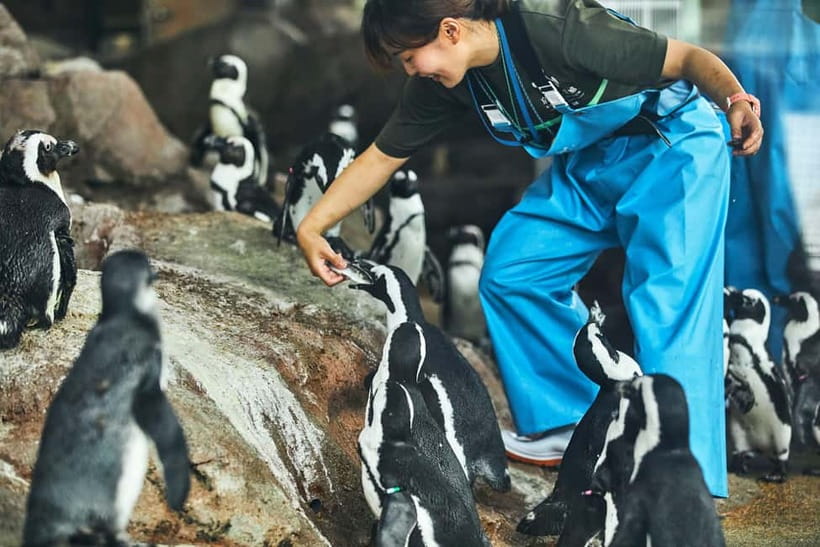
Penguins are another highlight, and what stands out is how the experience encourages you to notice individuality. The displays don’t just present penguins as a single “group”—you can observe that each one seems to have its own behavior patterns, pacing, and vibe.
This is also where the aquarium feels more like a living place and less like a warehouse of tanks. You’ll likely spend longer here than you planned, partly because penguins are good at drawing your attention with small movements.
A helpful mindset: slow down. If you rush past penguins, you miss the point. Give yourself a couple of cycles of looking—watch for how they move, how they respond, and what they do when you pause.
Giant salamanders: the rare exhibit that rewards patience
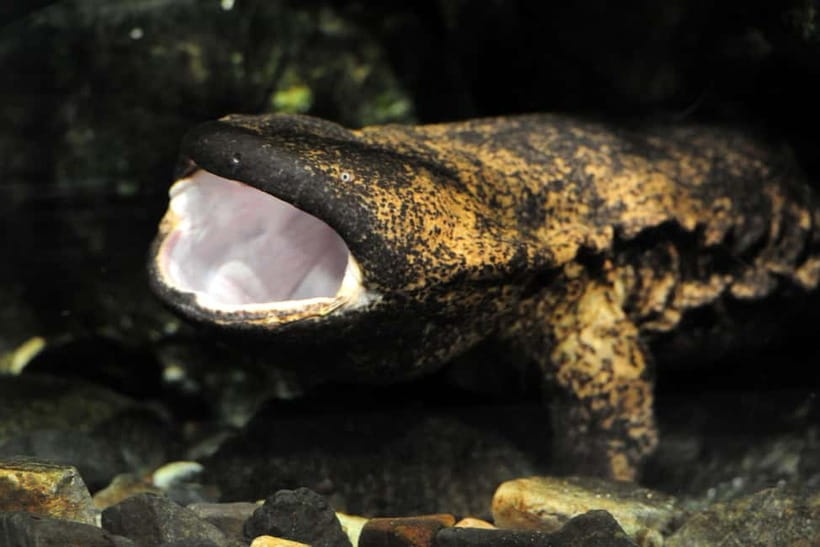
Then you get to the exhibit that feels like the aquarium’s conversation starter: the ancient giant salamanders. They’re rare, they’re dedicated to their own space, and they’re the kind of animal that makes you stop asking what’s next and start thinking, How do these animals live and survive?
This is a “lean in” area. If you like animals that don’t perform on command—animals that simply exist and look old enough to have seen history—you’ll appreciate this section.
One reason it works so well is contrast. After fast-moving shows and active birds, the salamanders give your eyes a different kind of satisfaction: stillness, scale, and a feeling of discovery that doesn’t depend on loud surprises.



Satoyama countryside recreation: how the aquarium connects water, land, and life
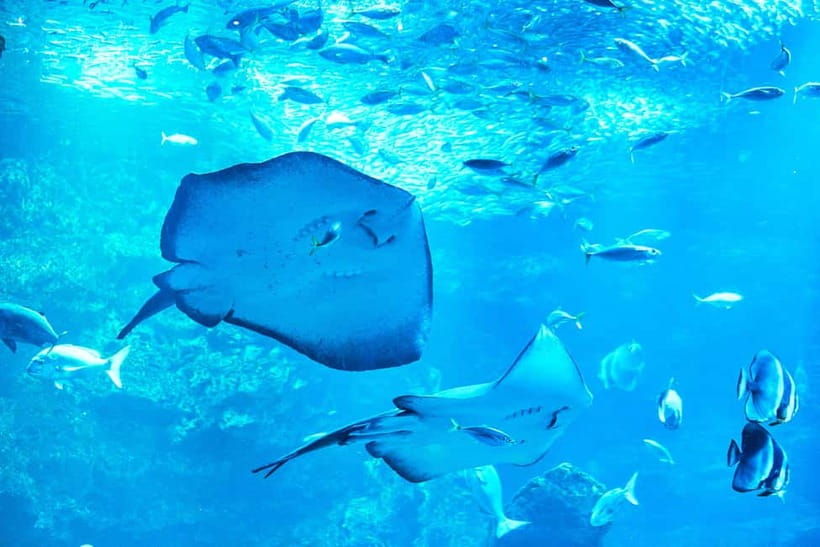
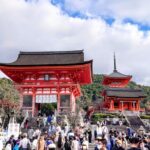
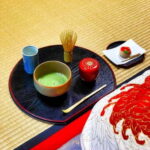
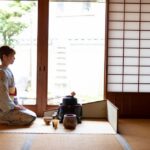
One of Kyoto Aquarium’s smartest moves is not treating the visit as only “sea creatures in rooms.” There’s also a recreated traditional Japanese rural setting called satoyama, which helps you see the aquarium’s big theme: coexistence.
Why this matters for your visit:
- It gives your brain a rest between animal exhibits.
- It turns the experience into something more reflective, especially if you’ve been on the road sightseeing all day.
- It helps you connect the idea of water blessings to real living environments, instead of treating it as a slogan.
Think of satoyama as a breathing space that still belongs to the story. You’ll likely find yourself lingering—not because you’re forced to, but because the slower vibe makes it easier to absorb what the aquarium is trying to say.
Jellyfish aquariums and seals: the follow-up stops that often win hearts
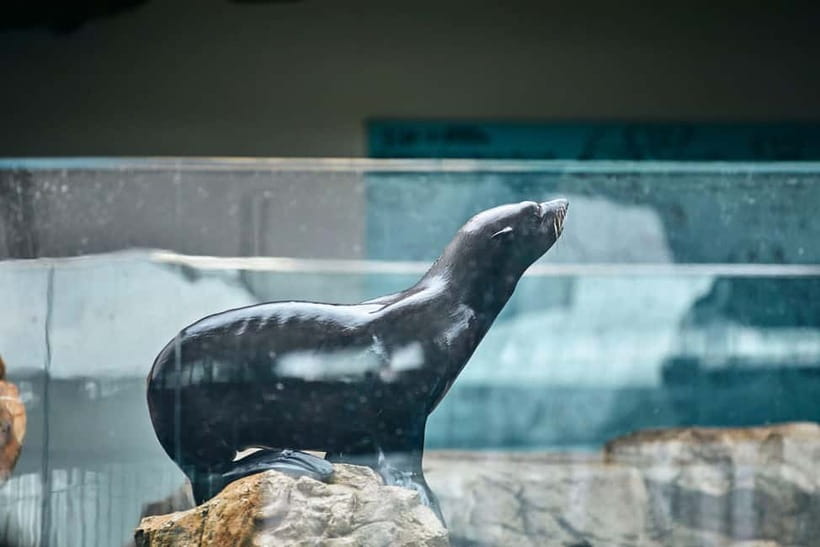
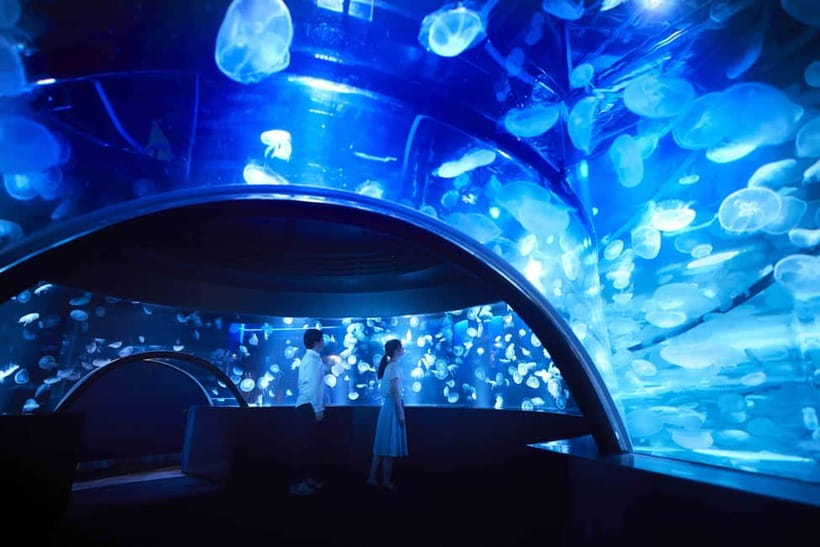
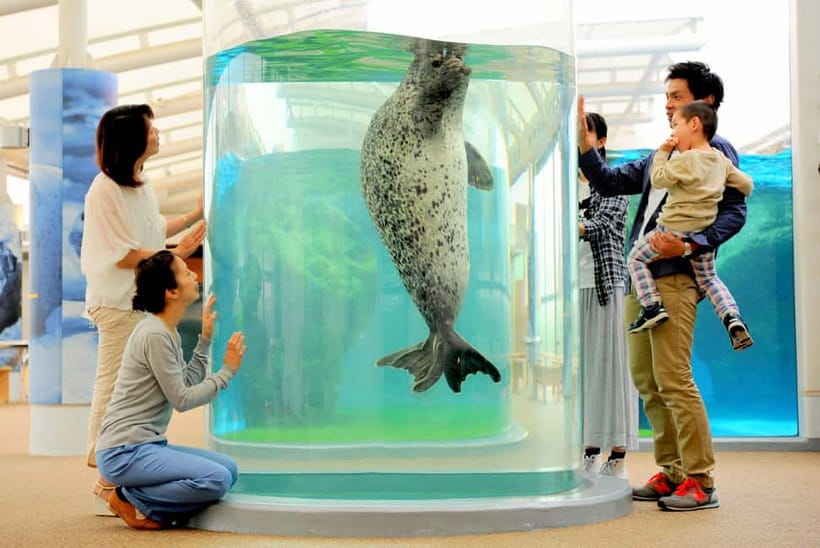
Even if your plan starts with dolphins and penguins, I’d bet you’ll end up adding time for the jellyfish aquariums and the seals. These are commonly treated as top favorites, and they play nicely with the rest of the day’s flow.
If you’re wondering how to place them in your route: schedule them after you’ve had your “active” fix from the shows. Jellyfish tend to be best when you let your eyes adjust, and seals work well as another animal-meets-performance moment.
This is the part of the day where you can let curiosity steer you. If you see an exhibit drawing a small crowd, you don’t need to join it automatically—but it’s a clue that something there is worth your attention.
Getting smarter on-site: talk to the breeding staff
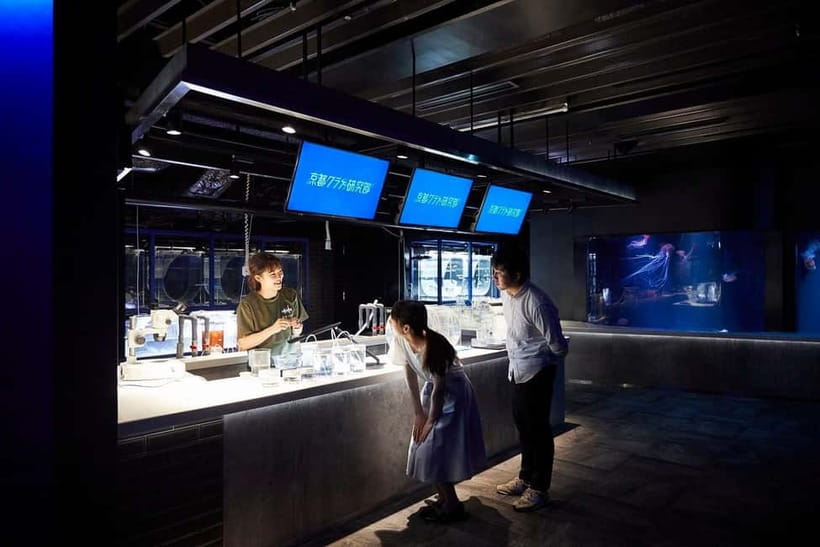
If you have a real interest in any of the animals, don’t just watch—ask. The aquarium has breeding staff, and you can speak with them. They’re passionate about the animals and can share thoughtful information.
This is one of those small choices that changes the whole experience. Instead of leaving with memories only, you leave with better context:
- what makes certain animals special
- how breeding programs support conservation or animal health goals (at least from their perspective)
- why particular exhibits are built the way they are
Bring your questions. Keep them simple. You’ll get more from short, focused conversations than from a long monologue.
Practical rules that affect your day: flash, pets, and re-entry
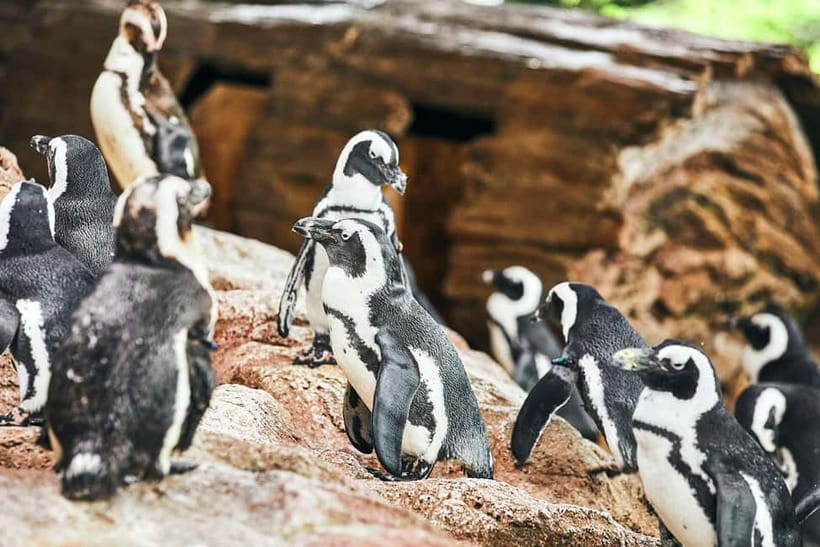
A few rules matter because they shape your comfort level inside.
- Flash photography is discouraged indoors for biological protection. Regular photos without flash are fine, and camera and video shooting is allowed—just be polite about the light.
- Pets can’t be brought into the building, but assistance dogs such as guide dogs can accompany you.
- Re-entry isn’t possible. So when you go in, treat it like a one-shot mission. Plan rest stops outside before you enter, and pace your meals so you don’t feel stuck later.
Also, the experience is non-refundable, so don’t buy on a whim if you’re still uncertain about your Kyoto plans.
How long it really takes, and how to pace it without stress
You’ve got a one-day admission, and in practice it’s easy to underestimate how much there is to see. Some parts are quick to glance at, but the aquarium also rewards returning attention—watching dolphins once is great, but watching how the day’s energy shifts is even better.
Here’s a pacing approach that keeps you from feeling rushed:
- Start with your must-see show (dolphins).
- Follow with penguins while you still have animal momentum.
- Slow down for the giant salamanders.
- Use satoyama recreation as your mental reset.
- Finish with the slower glass-and-stare exhibits like jellyfish, plus seals if they’re still on your list.
If you’re the type who hates crowds, go earlier in the day when possible. If you’re fine with people, you can move more freely. Either way, remember: re-entry isn’t allowed, so your best strategy is an orderly route, not a last-minute scramble.
Who this Kyoto Aquarium admission is best for
This is a strong choice if you’re:
- a family looking for one place that hits both shows and calm exhibits
- a wildlife fan who likes learning and doesn’t mind slower stops
- anyone who wants a Kyoto day that isn’t only temples and streets
It’s also a good fit for travelers who like “nature thinking.” The satoyama recreation and the coexistence theme help it feel more intentional than a standard aquarium checklist.
If you want only the fastest thrills with zero quiet viewing, you might find yourself wishing you had a tighter plan. But even then, the giant salamanders and satoyama stop the day from feeling repetitive.
Should you book the Kyoto Aquarium admission ticket?
Yes, if you want a balanced day in Kyoto that mixes performance with real animal intrigue. For $16 per person, the value comes from variety: dolphins for excitement, penguins for personality, giant salamanders for rarity, and satoyama for a calmer, nature-connected break. Add in the jellyfish aquariums and seals, and it becomes the kind of place you can enjoy more than once if you ever return to Kyoto.
I’d book it if you can give yourself time to wander and if you’re okay planning around no re-entry. If your schedule is chaotic or you’re the type who needs frequent “we’ll see how we feel” exits, you’ll have a harder time.
If you want a simple, memorable Kyoto plan that’s both fun and quietly thoughtful, this admission ticket is a solid bet.
FAQ
How much is the Kyoto Aquarium admission ticket?
The ticket price is $16 per person.
Where is Kyoto Aquarium located?
It’s located in Honshu, Japan, in the Umekoji Park area.
How long is the ticket valid?
The ticket is valid for 1 day.
Are there dolphins at Kyoto Aquarium?
Yes. Dolphin performances are a key highlight.
Are the giant salamanders part of the aquarium’s exhibits?
Yes. The aquarium has a dedicated exhibit featuring ancient and rare giant salamanders.
Can I bring pets into Kyoto Aquarium?
No pets are allowed in the building, but assistance dogs such as guide dogs can be accompanied.
Can I take photos or record video?
Yes, camera and video shooting are possible, but flash photography should be avoided inside for biological protection.
Can I leave and come back into the aquarium?
No. Re-entry isn’t possible after you enter.
Is Kyoto Aquarium wheelchair accessible?
Yes, the aquarium is wheelchair accessible.