REVIEW · KYOTO
Kyoto: Gion Magical Night Walking Tour
Book on Viator →Operated by TravelinGood!! · Bookable on Viator
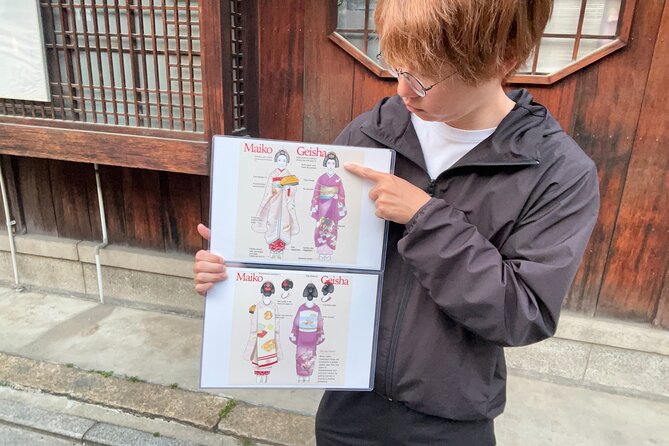
Gion at night feels like a different Kyoto. This tour walks you through the district after daylight crowds fade, with a guide explaining geisha culture and etiquette as you pass famous and less-visited corners of Higashiyama. It’s a focused, small-group stroll that makes the streets feel legible fast, from shrine wayfinding to what you should do (and not do) when you spot traditional entertainers.
Two things I really like: first, the timing. You start early enough to see Gion before it becomes a wall of tour groups. Second, the guidance is practical, not just trivia—expect clear context on Maiko and Geiko culture, plus where to look for details you would otherwise miss.
One drawback to consider is walking. The route includes slopes and stairs, so it is not a good fit if your legs get cranky after a lot of uneven pavement.
In This Review
- Key Things You’ll Notice on This Gion Night Walk
- Why Gion Changes After Dark (and This Tour Uses That)
- Timing, Length, and How Much Walking You’re Signing Up For
- Meeting Point and Route End: Start Near Minamiza, Finish in Gion
- Stop 1: Gionmachi Minamigawa and How to Greet If You See Maiko or Geiko
- Stop 2: Yasui-Konpiragu Shrine and the Stories Behind Fortune
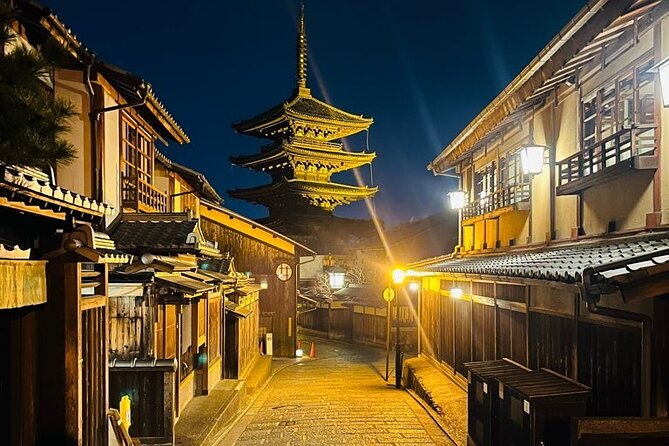
- Stop 3: Sannenzaka and Ninenzaka for Lantern-Lit Kyoto Streets
- The WWII Kannon Stop (Built in 1955): Quiet Meaning on a Night Route
- The Shogun’s Wife Garden and Bamboo Grove Stop (About 400 Years Old)
- Yasaka Shrine (Gion-san): The Big Shrine Connection to Gion
- Guides and the Small-Group Advantage (Why It Feels Personal)
- Photo Opportunities and Night Atmosphere: What You’ll Actually Get
- Price and Value: Is $29.60 Worth It?
- Practical Tips So Your Night Walk Goes Smoothly
- Who This Tour Suits Best (and Who Should Skip It)
- Should You Book the Kyoto Gion Magical Night Walking Tour?
- FAQ
- How long is the Kyoto Gion Magical Night Walking Tour?
- What group size is the tour limited to?
- Where do I meet, and where does the tour end?
- What should I do if I see a Maiko or Geiko?
- Is this tour okay if I have limited mobility?
- Can I cancel for a full refund?
- What happens if the tour can’t run due to weather?
Key Things You’ll Notice on This Gion Night Walk
- A small cap keeps the group easy to manage, so you can ask questions without shouting
- You get Gion landmarks plus quieter side streets, not just the postcard route
- Geisha etiquette is taught in plain language, including how to greet if you spot a Maiko or Geiko
- Lantern-lit stops make night photos easier and the atmosphere calmer
- Shrines with specific meanings—you learn what they represent before you move on
- Comfort matters: bring shoes, because you will be on your feet for most of the tour
Why Gion Changes After Dark (and This Tour Uses That)
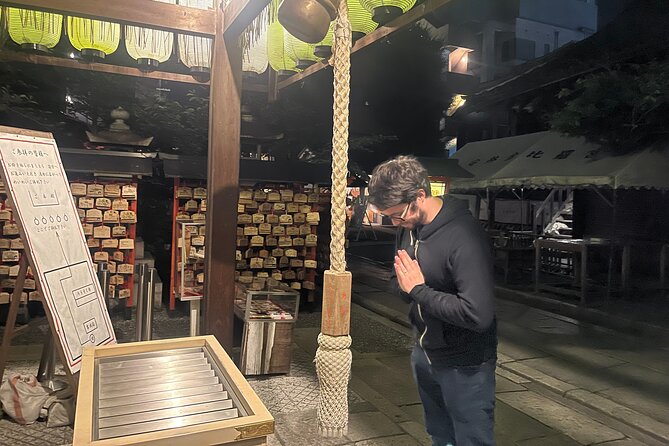
Kyoto can be intense in daylight, and Gion is a prime example. The streets are the same, but the mood shifts when the sun goes down: lantern light softens everything, and the area feels less like a “sightseeing corridor” and more like a neighborhood.
What I like about this experience is that it uses that reality. Instead of trying to fight crowds, you move through key spots when they’re quieter and more atmospheric. That means you get a better sense of what Gion looks and sounds like at night, not just what it looks like in peak tourist hours.
The other big win is context. A night walk is fun, sure, but the tour’s real value is that your guide ties what you see to how people in Kyoto understand geisha traditions. You’re not just taking photos—you’re learning what you’re looking at and why it matters.
You can also read our reviews of more walking tours in Kyoto


Timing, Length, and How Much Walking You’re Signing Up For
This tour runs about 1 hour 40 minutes, and it’s designed as a steady walking route with short stops. You’ll be moving most of the time, then pausing at specific points to absorb the story and take photos.
The itinerary rhythm matters because the tour is meant for evening atmosphere. Each stop is short—often around 10 to 20 minutes—so you’ll get variety without feeling stuck in one place. Just don’t expect a slow “stroll and sit” format.
Also plan for terrain. The tour notes slopes and stairs, so you should skip it if you’re not comfortable walking on uneven ground for this length of time. If you can handle a normal Kyoto evening walk, you’ll be fine.
Meeting Point and Route End: Start Near Minamiza, Finish in Gion
You’ll meet at Minamiza Theater (松竹南座) in Higashiyama Ward, near the address listed as 198 松竹南座 2F西ロビ 京都市東山区四条大橋東詰. The walk ends at 625 Gionmachi Kitagawa, Higashiyama Ward.
This matters for planning because you’ll end deep enough in Gion that it’s easy to keep exploring by foot, grab dinner nearby, or connect to transit from the area. It also means you don’t spend your whole night backtracking to a single fixed point.
Practical tip: arrive a few minutes early and be ready to show your mobile ticket right at the start.
Stop 1: Gionmachi Minamigawa and How to Greet If You See Maiko or Geiko
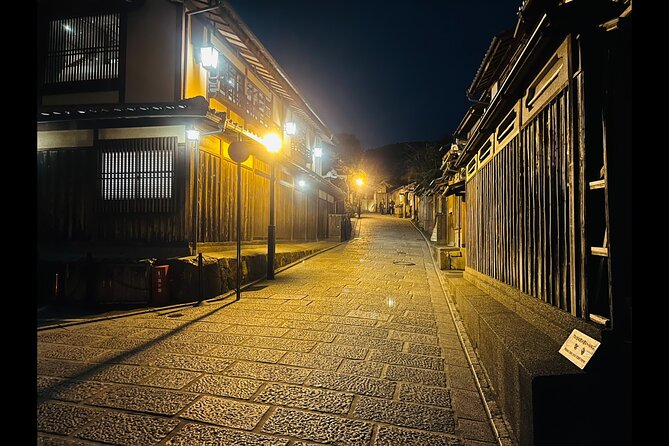
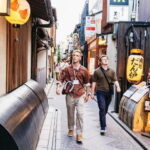
Your first stop is Gionmachi Minamigawa, one of the district’s best-known streets. This is where you might spot a Maiko or Geiko, if you’re lucky.
The most useful thing you can bring here is etiquette. The tour advises that if you see a Maiko or Geiko, greet with a smile and say Konnichiwa. It’s respectful and simple—no grand bowing needed.
What makes this stop work on a night tour is the contrast: you’re early enough to enjoy the street feel without being constantly bumped or herded. It becomes easier to notice the details people post about online, like traditional street character and the way lanterns change the look of the buildings.
Potential drawback: if you’re expecting a guaranteed sighting, temper expectations. The tour frames it as luck-based. Treat it as a bonus, not the goal.
Stop 2: Yasui-Konpiragu Shrine and the Stories Behind Fortune
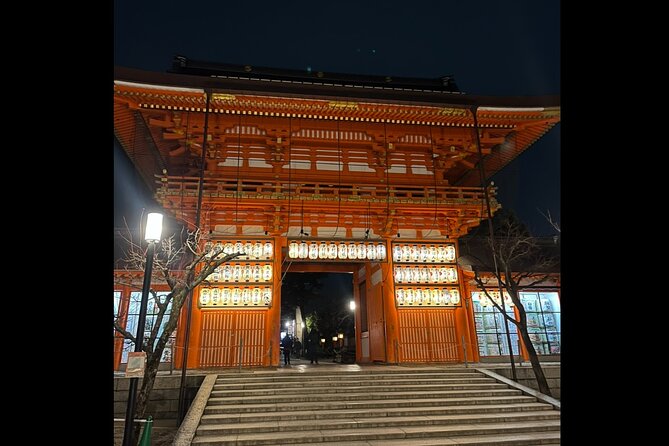
Next is Yasui-Konpiragu, a shrine described as supporting people meeting each other and cutting off bad relationships. The tour also notes that in the case of married couples, the bond will be stronger.
Even if you don’t pray, this stop has value because it changes how you read the shrine grounds. Instead of seeing it as just another nighttime landmark, you understand what people come for—connections, relationship healing, and protective luck.
A short stop like this also helps the overall route. You get a meaningful pause, learn what the shrine represents, then you’re back on your feet for the next classic Kyoto street view.
You can also read our reviews of more evening experiences in Kyoto
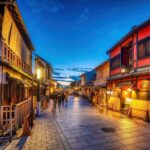

Stop 3: Sannenzaka and Ninenzaka for Lantern-Lit Kyoto Streets
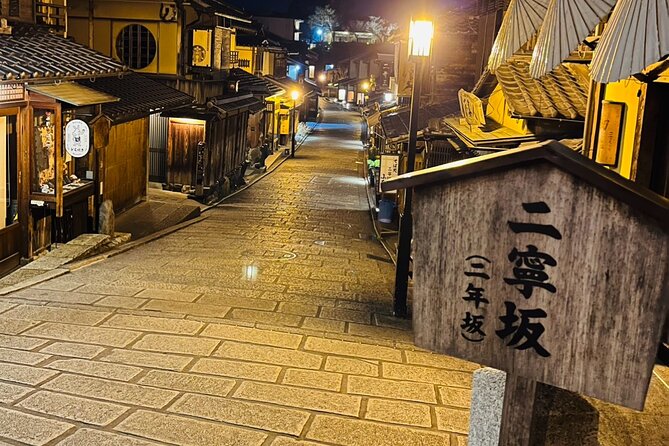
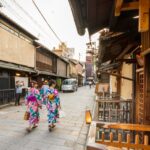
Then you head to Sannenzaka Ninenzaka, the streets leading near Kiyomizu-dera. This is a classic Kyoto-style approach road, known for traditional townscape views.
One highlight mentioned is Yasaka-no-to (Yasaka Pagoda), which is especially popular in this area. On a night walk, that popularity doesn’t feel as harsh. Lanterns and street lighting make the streets feel more cinematic, and you have a better chance of photographing without feeling rushed.
What I like here: these streets aren’t just about sight value. They also help you understand why Kyoto’s architecture and signage matter. When you see the road at night, it becomes clear how layout, light, and pedestrian flow shape the whole neighborhood vibe.
Trade-off: this part of Kyoto is still a pedestrian area, so expect some foot traffic. The tour timing helps, but you won’t be completely alone.
The WWII Kannon Stop (Built in 1955): Quiet Meaning on a Night Route
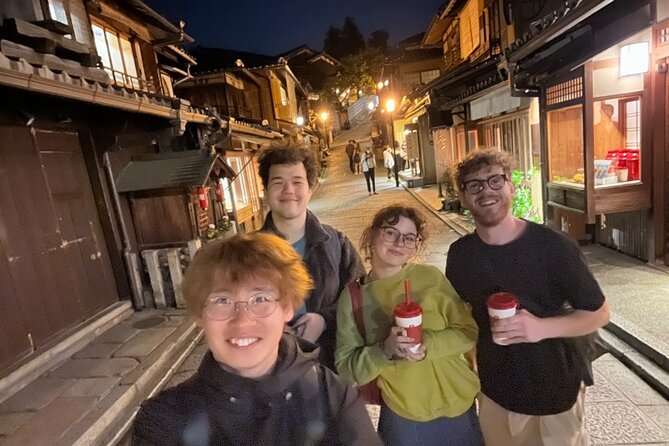
After the townscape streets, you’ll reach a site described as built in 1955 to pray for the repose of the souls of World War II victims. It features a very large statue of Kannon.
This stop is emotionally different from the more romantic or scenic parts of the route. It adds weight to the evening walk, reminding you that shrines and temples in Japan are not only for aesthetics—they’re also for memory, mourning, and hope.
Even if you’re more interested in culture than spirituality, this stop helps balance the night. The streets and lanterns give you the atmosphere; this stop gives you a reason to slow down and pay attention.
Because the tour keeps stops short, you won’t get stuck in a long lecture. You get the core idea, see the key monument, and move on.
The Shogun’s Wife Garden and Bamboo Grove Stop (About 400 Years Old)
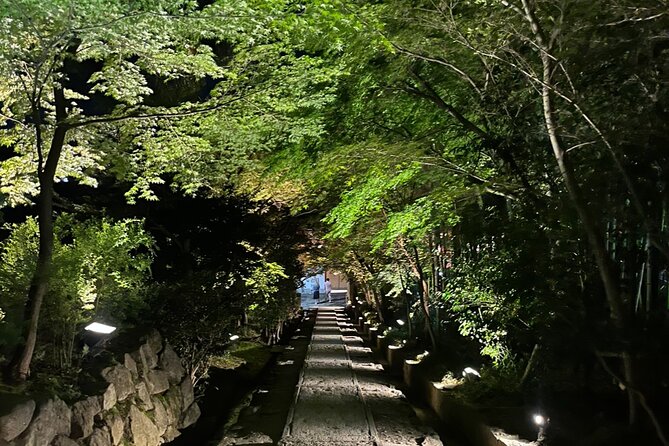
Another major highlight is a place built about 400 years ago by the wife of a shogun, described as mourning the death of her husband. You can enjoy a garden, a 400-year-old tea ceremony house, and a bamboo grove.
This is the kind of stop that makes a night tour feel special. During the day, you might rush through it as “another garden entrance.” At night, the mood shifts. The bamboo grove and the garden spaces feel more intentional, and the tea house adds a cultural layer even if you’re not going inside for a formal ceremony.
If you like Japan’s spaces—quiet pathways, controlled views, and thoughtful landscaping—this stop is where the tour earns its keep.
What to consider: gardens and bamboo areas can involve more uneven ground depending on how the route is laid out. Wear shoes that can handle Kyoto sidewalks and minor elevation changes.
Yasaka Shrine (Gion-san): The Big Shrine Connection to Gion
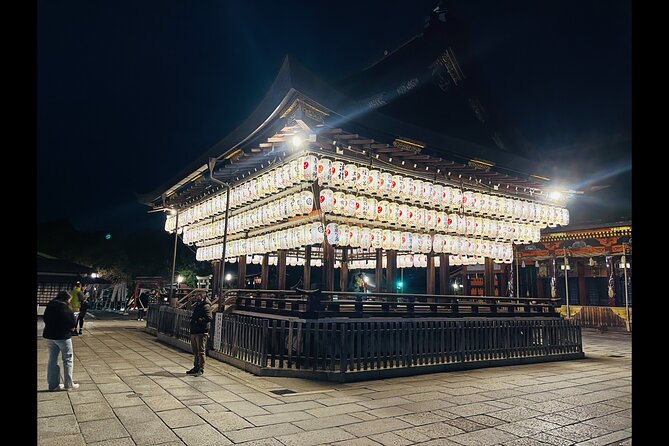
The final named stop is Yasaka Shrine, known as the head shrine for about 2,300 related shrines throughout Japan. It’s also referred to as Gion-san, with blessings aimed at warding off bad luck, bringing good luck, and promoting beauty.
This is a strong finishing point because it ties the entire evening together. You’ve seen Gion’s street culture and geisha-related context, plus several shrines with different meanings. Ending at Yasaka Shrine gives you a broader view of how shrine networks and beliefs spread beyond one neighborhood.
It also makes the last stretch feel satisfying rather than abrupt. You finish with a place that feels “official” in the best sense: a major shrine with clear purpose and strong regional ties.
Guides and the Small-Group Advantage (Why It Feels Personal)
A real strength here is the small group. The tour description says a maximum of eight, and the booking info lists a maximum of ten. Either way, it’s not a cattle-car situation.
That size matters at night. You can hear your guide, ask follow-up questions, and stay together without feeling like you’re constantly squeezed around strangers. It also means your guide can adjust pace slightly when people stop for photos.
In the feedback, guide names like Karen, Ricky, Hina, Sho, and Pam come up often, and the common thread is engagement: stories at each stop, explanations that connect the sites to geisha culture, and patience with questions (including questions from kids).
One note to keep expectations realistic: English proficiency can vary by guide, since one piece of feedback mentions occasional difficulty when answering questions. If you rely on super-detailed back-and-forth discussion, consider that English may not always be perfect, but the overall structure still gives you plenty to learn.
Photo Opportunities and Night Atmosphere: What You’ll Actually Get
This tour is built for evening visuals. The lantern-lit shrine look is part of the pitch, and the route includes streets and temple-like spaces that naturally photograph well when it’s dark out.
You should also expect stops that give you time to take photos without sprinting. Feedback highlights that you get “plenty of time” at points to capture the view.
If you’re a night photographer, the calmer crowd situation helps. You’re still in Kyoto, so you’ll see people, but the tour’s early start concept improves your odds of getting cleaner shots.
Price and Value: Is $29.60 Worth It?
At $29.60 per person, this tour sits in the “small price, meaningful experience” category.
Here’s why it feels like good value:
- You’re paying for guided interpretation, not just entry to places you’d wander by anyway.
- You get a curated route through Gion’s core and side areas, designed to be manageable in the time you have.
- The small-group cap means you’re not just buying a seat; you’re buying a chance to understand what you’re seeing.
- It’s also a night activity that solves a real problem: daytime crowds and confusion about what each site represents.
Is it perfect value for everyone? If you hate walking, hate stairs, or already know all the geisha history and etiquette basics, you might feel it’s too structured. For most first-timers, though, it’s priced like a practical cultural shortcut.
Practical Tips So Your Night Walk Goes Smoothly
A few things will make the biggest difference:
- Wear comfortable shoes. The tour itself warns about slopes and stairs.
- Bring a light rain plan. Kyoto evenings can shift fast, and one piece of feedback mentions rain with umbrellas helping.
- If you see a Maiko or Geiko, follow the simple etiquette taught: smile and say Konnichiwa.
- Pace yourself. Even though stops are short, you’ll still walk a lot for 1 hour 40 minutes.
Also, because this ends near Gionmachi Kitagawa, I like to plan dinner nearby so you don’t rush right after the tour. Let the atmosphere sink in, then eat without stress.
Who This Tour Suits Best (and Who Should Skip It)
This tour fits best if you want:
- A night-friendly way to experience Gion without constant crowd friction
- A clearer understanding of geisha culture and etiquette, with names and context your brain can actually use
- A route that covers major landmarks plus the quieter-feeling spots you’d likely miss alone
Skip it if:
- You’re not comfortable with stairs and slopes
- You want a mostly seated experience
- You’re hoping for a guaranteed, staged performance or guaranteed geisha sightings
It’s not about getting a souvenir. It’s about understanding the neighborhood while the light is right.
Should You Book the Kyoto Gion Magical Night Walking Tour?
If you’re in Kyoto for a short time and want to see Gion at its best, this is an easy “yes” in my book. The price is reasonable for a guided night experience, and the small-group limit improves the feel right away. The route includes street icons, shrine meaning, and calmer night atmosphere, which is a better mix than doing random stops on your own.
The main reason not to book is mobility. If stairs and uneven ground are a problem for you, pick a different activity that’s less physical.
FAQ
How long is the Kyoto Gion Magical Night Walking Tour?
It runs for about 1 hour 40 minutes (approx.).
What group size is the tour limited to?
The tour is described as a small-group experience with a maximum of eight, and the booking info also lists a maximum of 10 travelers.
Where do I meet, and where does the tour end?
Meet at Minamiza Theater in Higashiyama Ward. The tour ends at 625 Gionmachi Kitagawa, Higashiyama Ward.
What should I do if I see a Maiko or Geiko?
The tour guidance is to greet with a smile and say Konnichiwa.
Is this tour okay if I have limited mobility?
No. It includes slopes and stairs, so it is not recommended if you are not comfortable with walking.
Can I cancel for a full refund?
Yes. You can cancel up to 24 hours in advance for a full refund. If you cancel less than 24 hours before the start time, the amount paid will not be refunded.
What happens if the tour can’t run due to weather?
This experience requires good weather. If it is canceled due to poor weather, you will be offered a different date or a full refund.