REVIEW · KYOTO
Sacred Peak and Scenic View Hieizan Enryaku ji and Hiyoshi Shrine
Book on Viator →Operated by Snow Monkey Resorts Tours (Machinovate Japan Ltd.) · Bookable on Viator
Mount Hiei feels like a reset for your mind. I love Hiyoshi Taisha for its cedar-shaded calm and the way it connects Shinto and Buddhism, and I love the Sakamoto Cable Car views over Lake Biwa. One thing to plan for: there is no lunch included.
This trip also stays manageable. The group is capped at 12, which helps on temple paths where you want room to breathe and look slowly.
You’ll get a mobile ticket and about 7 hours 30 minutes total, starting at 9:00 am at Starbucks Coffee at Kyoto Tower Sando and ending back at the meeting point.
In This Review
- Key highlights worth your attention
- Why Mount Hiei is the kind of day Kyoto does best
- Hiyoshi Taisha: cedar calm, shrine buildings, and Kogane no Oiwa
- Getting up Mount Hiei by train and cable car
- Enryakuji Temple: UNESCO status, Tendai roots, and Konpon Chudo
- The view moments you’ll actually remember
- Pace and timing: what the 7 hours 30 minutes feels like
- Price and value: why $182.74 can make sense here
- What to do about lunch (since it’s not included)
- Who this tour fits best (and who should think twice)
- Should you book? My practical take
- FAQ
- How long is the Sacred Peak and Scenic View tour?
- What is included in the price?
- Is lunch included?
- Where do we meet for the tour?
- What time does the tour start?
- What is the maximum group size?
- Can I cancel for a full refund?
Key highlights worth your attention
- Japan’s longest cable car ride to Mount Hiei with big views over Lake Biwa
- Hiyoshi Taisha’s tranquil cedar grounds, plus the sacred rock called Kogane no Oiwa
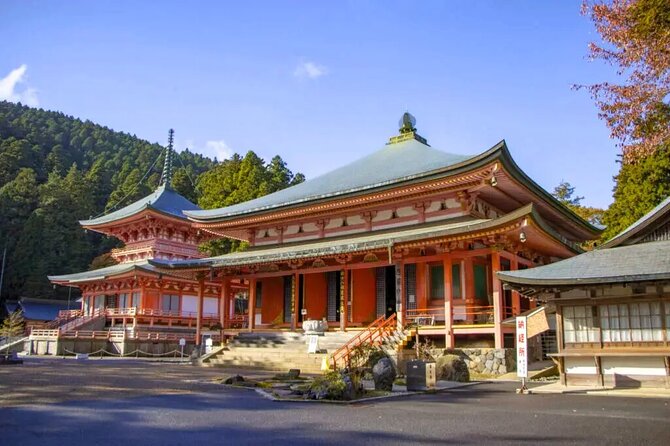
- Enryakuji Temple on Mount Hiei (UNESCO), the honzan of Tendai Buddhism
- Konpon Chudo, the main grand hall you’ll visit as part of the temple walk
- Small group size (max 12) for a calmer experience away from chaotic pacing
- Value package: English guide, transport, and admission fees included
Why Mount Hiei is the kind of day Kyoto does best
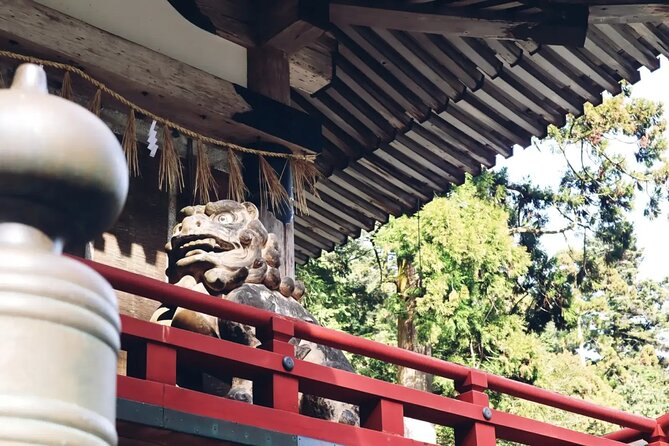
Kyoto has a way of pulling you toward crowds, buses, and “check-the-box” sightseeing. This route flips that. You’re headed up Mount Hiei to places where quiet cedar shade and slow temple walking are part of the point.
The best part is that the spiritual story isn’t one-note. You get Shinto-Buddhist overlap at Hiyoshi Taisha, then you shift into Tendai Buddhism at Enryakuji. That change helps you see why Kyoto’s religion has been layered for centuries.
I also like how practical this is. You don’t have to piece together trains, ticketing, and temple timing. You just show up, ride up, and let the guide keep the flow steady.
You can also read our reviews of more tours and experiences in Kyoto.
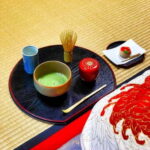
Hiyoshi Taisha: cedar calm, shrine buildings, and Kogane no Oiwa
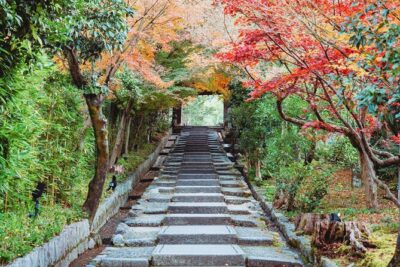
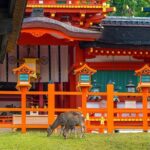
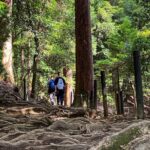
Hiyoshi Taisha is where the day starts to feel different from city sightseeing. After you meet near Kyoto Tower Sando and head out, you arrive into grounds defined by towering cedar trees and a feeling of stillness. It’s the kind of spot where you can hear your own footsteps and actually notice details.
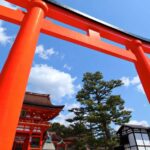
You’ll explore the impressive shrine buildings, and you’ll also learn about a specific sacred feature: Kogane no Oiwa, a rock formation treated as spiritually important. That kind of named detail is helpful because it turns a pretty location into a meaningful stop.
Another thing I like is the way the guide frames the shrine’s role in protecting Kyoto. Even if you don’t know the religious background, you’ll come away understanding that Hiyoshi Taisha isn’t just a pretty building set. It’s tied to Kyoto’s identity in a very real, historical way.
Possible drawback to keep in mind: Stop 1 runs about 4 hours. That’s plenty of time to enjoy it, but it also means you’ll want to pace yourself. If you tend to get restless with long periods on foot and standing around in temple spaces, plan to take short breaks and slow down when the group pauses.
Getting up Mount Hiei by train and cable car
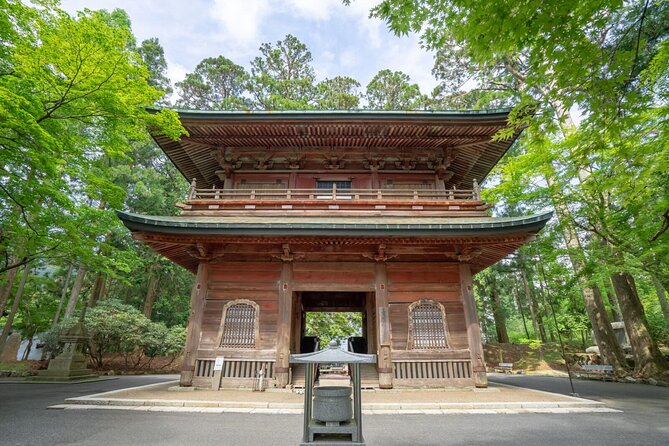
The trip to the mountain is part of the experience, not dead time. From Kyoto Station, you board a scenic train ride to the base of Mount Hiei, stepping out of the city and into mountain scenery.
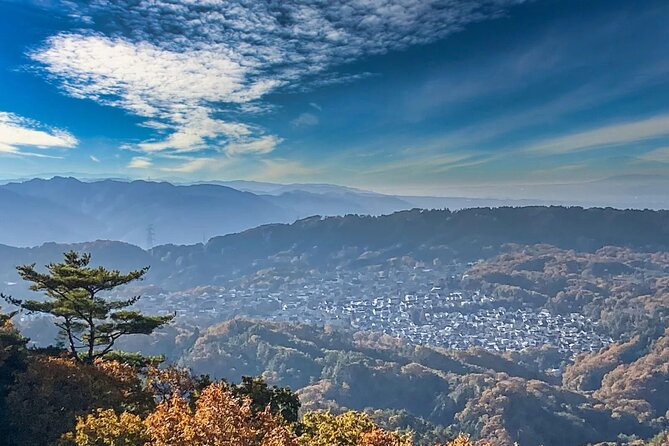
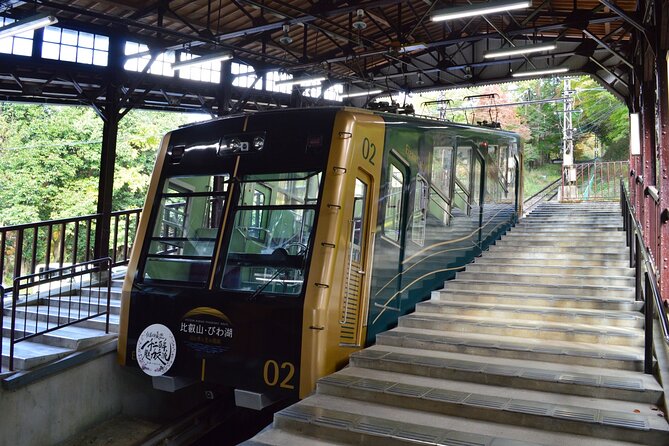
Then comes the Sakamoto Cable Car. This is listed as Japan’s longest cable car ride, and the view is the payoff. As you climb, you get a unique perspective over Lake Biwa, which is Japan’s largest lake. The big open water and the mountain slopes below give you a “how far we’ve come” feeling that temple tours don’t always deliver.
One practical note: you’re moving from sitting to standing and walking at multiple points. If you’re even slightly sensitive to temperature changes, bring a light layer. Mountain air can feel cooler, and you’ll be out and about in shrine and temple grounds.
Enryakuji Temple: UNESCO status, Tendai roots, and Konpon Chudo
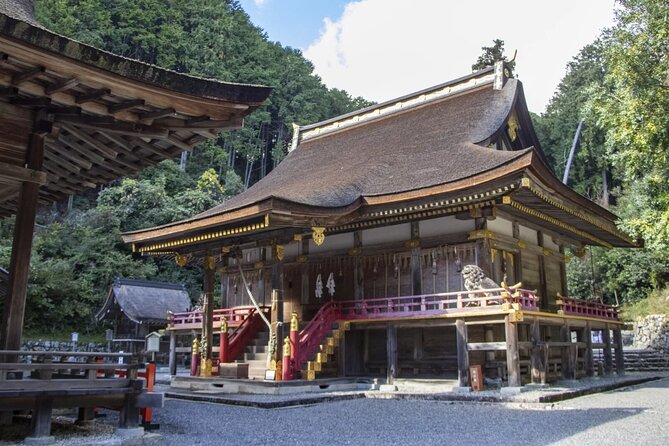
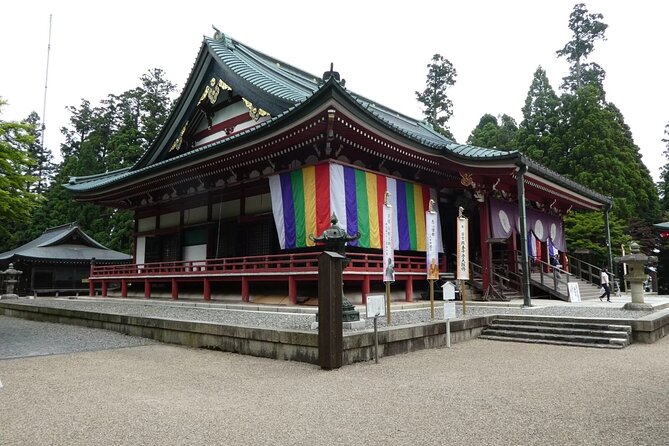
At the top, you transition into Enryakuji Temple, a UNESCO World Heritage Site and the honzan (head temple) of Tendai Buddhism. If Tendai sounds like a mouthful, don’t worry. The guide’s job here is to translate what you’re seeing into why it matters.
Enryakuji was founded by Saichō in the 8th century, and that origin story helps you connect the dots. It’s not just a single building you pass by. It’s the head point of a major tradition that shaped Japanese religious life.
You’ll visit Konpon Chudo, the temple’s grand hall. This is the moment where you should slow down. Grand halls are about scale, ceremony, and atmosphere, and Konpon Chudo is the kind of space where the architecture does some of the explaining for you.
From there, you continue through the temple area, including additional halls on the grounds (the tour highlights Shaka-d… as part of what you’ll see). The point is to experience the temple as a place of practice, not only as a photo stop.
One more consideration: Stop 2 is about 3 hours. That’s a good length, but it still includes walking on mountain temple paths. Wear comfortable footwear and expect some stair-and-slope movement, even if it’s not a hardcore hike.
The view moments you’ll actually remember
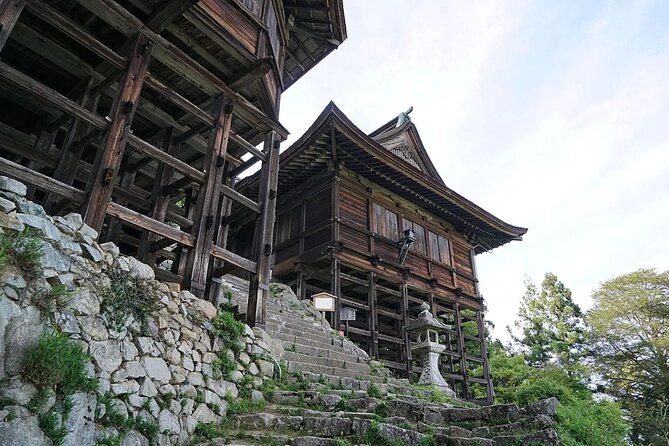
Some tours claim they offer great scenery. This one has built-in “pause and look” times.
The cable car segment over Lake Biwa is the obvious visual hit. But the other part is more subtle: the shift from open views to cedar shade and then back to temple grounds with sweeping sightlines. That rhythm helps your brain reset between urban life and mountain calm.
I also appreciate that you’re not just driving past scenery. You’re riding up and exploring on foot, so the views show up with context. You’re looking out from where the religious sites sit, not from a random roadside viewpoint.
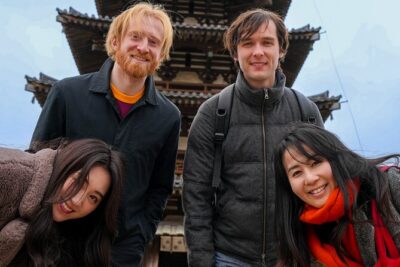
And because the group is capped at 12 travelers, you’re more likely to feel like you have room to register what you’re seeing. Small groups change the experience fast—less jostling, fewer “move along” moments, and more time to ask questions.
Pace and timing: what the 7 hours 30 minutes feels like
On paper, this looks simple: about 4 hours at Hiyoshi Taisha, about 3 hours at Mount Hiei/Enryakuji, plus transportation. In real life, the pacing matters.
Plan for the day to feel structured. You start early in the city, then you spend a long stretch in shrine/temple space at Stop 1. After that, you climb, and Stop 2 becomes your “big spiritual centerpiece” with the UNESCO temple and the grand hall.
The benefit is clarity. You’re not left wondering how long you’ll be at each spot. The downside is that you can’t wander off in a long loop on your own. If you like independent pacing more than guided flow, this might feel a bit boxed in.
Still, for many visitors, that structure is exactly what they want. It’s a single outing that ties together transport, admission, and the story of what you’re seeing.
Price and value: why $182.74 can make sense here
At $182.74 per person, this isn’t a budget “see a temple” add-on. But the pricing lines up with what you get.
You’re paying for:
- An English-speaking guide
- Transportation during the tour (including the train connection and cable car segment)
- Entry fees at all tour locations
- A small-group experience capped at 12
- A full half-day mountain itinerary that’s hard to assemble neatly on your own
The biggest value lever is the bundled day. Temple admission fees are one part, but the real cost is time and logistics. Getting from Kyoto to the base of Mount Hiei and timing cable car + temple visits is the kind of puzzle that eats an afternoon. This plan solves that puzzle for you.
Where it doesn’t fully cover your needs: lunch isn’t included. That doesn’t ruin the value, but you should budget for food. If you arrive hungry, the day can feel like a constant reminder instead of a calm experience.
What to do about lunch (since it’s not included)
No lunch is listed, so I’d treat that as a to-do, not an afterthought. If you can, eat a real meal before the tour begins, or plan to pick up snacks near your start area.
During a 7.5-hour day with shrine grounds and temple walks, energy matters. Even a small snack stash can keep you from rushing later when everyone starts thinking about food at once.
Also, since you’ll be outside part of the time and moving between transport and walking, bring what you need for comfort: water if allowed for your own convenience, and anything you typically like to keep handy during longer temple days.
Who this tour fits best (and who should think twice)
This is a strong fit if you want a calm, meaningful day away from the densest Kyoto lanes. The combination of Hiyoshi Taisha’s quiet cedar atmosphere and Enryakuji’s Tendai roots creates a spiritual arc that feels coherent.
It’s also a good match if you like when a guide connects religious concepts to real places. Seeing Konpon Chudo after learning it’s part of the Tendai head temple context makes the architecture more than scenery.
Think twice if you:
- Need lunch included in your tour price
- Don’t do well with multi-stop walking in temple grounds
- Prefer total independent wandering with no set route
Should you book? My practical take
I’d book this tour if you’re craving a Kyoto day that feels quieter and more grounded than the usual photo circuit. The mix of Shinto-Buddhist connections at Hiyoshi Taisha, then the UNESCO significance and Tendai origins at Enryakuji, gives you more than one kind of spiritual payoff.
It’s also a smart choice for value if you want the transport and admission wrapped up in one plan. The capped group size helps keep the day calm, and that matters as soon as you’re walking in mountain temple spaces.
Just go in with one plan: handle food on your own, and wear footwear that’s ready for uneven temple paths. Do that, and this becomes the kind of Kyoto outing you’ll remember for the feel of it, not only the sights.
FAQ
How long is the Sacred Peak and Scenic View tour?
The tour is approximately 7 hours 30 minutes.
What is included in the price?
The tour includes an English-speaking guide, transportation during the tour, and entry fees at all tour locations. Admission tickets are included for the stops.
Is lunch included?
No. Lunch is not included.
Where do we meet for the tour?
The meeting point is Starbucks Coffee – Kyoto Tower Sando, Kyoto Tower building area.
What time does the tour start?
The start time is 9:00 am.
What is the maximum group size?
The tour has a maximum of 12 travelers.
Can I cancel for a full refund?
Yes. Free cancellation is available up to 24 hours in advance for a full refund. Cancellation changes inside 24 hours aren’t refundable.