REVIEW · KYOTO
1-Day Kyoto and Nara Highlights Day Trip with a Private Car
Book on Viator →Operated by MagicalTrip Inc. · Bookable on Viator
One word: torii. This private Kyoto and Nara day trip strings together major highlights without the usual train-and-transfer stress, and I really like the private vehicle with a driver plus a guided flow that keeps everything moving. You also get admission tickets and lunch included (beverages not included), which removes a lot of last-minute budgeting and decision fatigue.
The only real trade-off is time. You’re spending about 30 minutes at several top sights, so you’ll want to go with a plan for what matters most to you—this isn’t a slow, wandering day.
In This Review
- Key things to know before you go
- A day that hits the Kyoto and Nara classics
- Price and value: what you’re really paying for
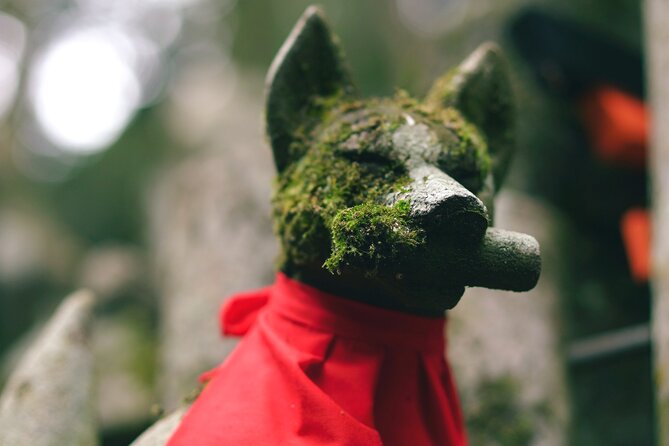
- Stop 1: Fushimi Inari-taisha and the torii effect
- Stop 2: Todai-ji’s Great Buddha scale
- Lunch in Nara: included, with real dietary options
- Stop 4: Nara Park and the deer moment
- Stop 5: Kasuga Taisha and the UNESCO feel
- Stop 6: Hōryū-ji (and why UNESCO temples feel different)
- Stop 7: Gion by evening drive
- The guide makes or breaks the day
- Timing reality: you’ll feel the pace
- What to pack (so the day feels easy)
- Who should book this tour
- Should you book this private Kyoto and Nara highlights day?
- FAQ
- What is the duration of the Kyoto and Nara highlights day trip?
- Where do we meet for pickup?
- What time does the tour start?
- Is this a private tour?
- Which places are included on the tour?
- Are admission tickets included?
- Is lunch included, and can I request dietary needs?
- Is a mobile ticket provided?
- Does the tour run in any weather?
- What is the cancellation policy?
Key things to know before you go
- Private car + driver keeps the day comfortable and cuts down on transfer hassle.
- Tickets and lunch included means fewer extra stops to pay and figure things out.
- Guides adjust for real conditions (rain can lead to quieter detours like a Zen garden).
- Prime highlight mix: shrine iconography, big-temple scale, and UNESCO temple stops.
- Short, focused site visits are great if you like structure, less great if you hate rushing.
A day that hits the Kyoto and Nara classics
This tour is built for people who want the big-name Kyoto and Nara sights in one go, without having to coordinate buses, trains, and station-to-temple walking. You’ll start at 9:00am near Kyoto Station Karasuma Entrance (General Taxi Rank) and return to the same meeting spot when the day wraps up.
It runs around 10 hours, and that length matters. A lot of the frustration on DIY day trips is not the sights—it’s the seams: missed connections, wrong platform, carrying bags all day, and arriving late to places that close or get crowded. With a driver and a guide, you get a smoother timeline and more mental energy for actually enjoying what you came to see.
You can also read our reviews of more private tours in Kyoto


Price and value: what you’re really paying for
At $552.76 per person, this is not a budget stroll through Japan. The value comes from the combo of:
- Private transport for the day (not shared shuttles)
- A professional guide throughout
- Admission tickets for the included stops
- Lunch included, with options if you plan ahead
In plain terms, you’re paying for fewer headaches. If you’re traveling with a small group, the private-car cost can feel more reasonable because it replaces multiple transit tickets plus the time cost of figuring it all out yourself.
There’s also a group discount mentioned, which can help if you’re booking with others. If you’re traveling solo or as a couple, it’s worth deciding early whether you prefer paying more for convenience or trading money for self-planning.
Stop 1: Fushimi Inari-taisha and the torii effect
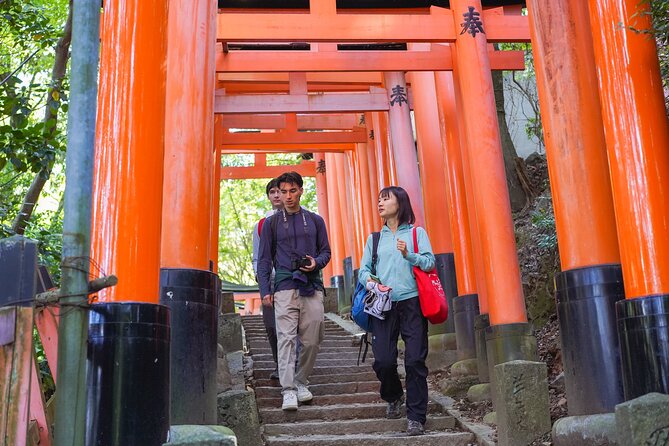
You’ll begin at Fushimi Inari-taisha Shrine, famous for its long climb through endless vermilion torii gates. The tour starts here for a reason: it’s an iconic photo-and-first-impressions stop, and it sets the tone for the day.
You’ll have about 30 minutes at the shrine. That’s enough to:
- take in the main torii corridor vibe
- pause for photos at key viewpoints
- get a feel for the place without needing a half-day commitment
A guide can also help you time your walk so you’re not stuck looking at your phone while everyone else moves. If you care about photos, this is one stop where your time will feel especially satisfying.
Practical tip: Wear shoes you can walk in. The torii paths involve stairs and uneven footing in places, and 30 minutes disappears fast if you stop every 20 seconds.
Stop 2: Todai-ji’s Great Buddha scale
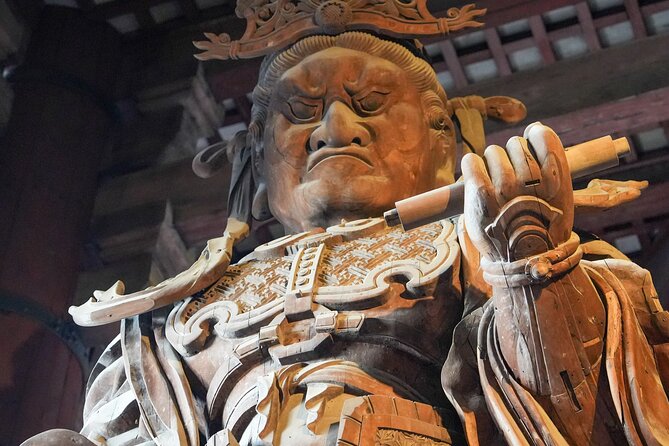
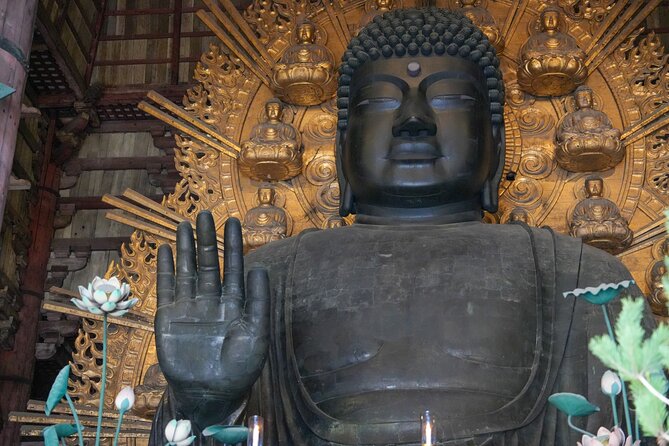
Next up is Todai-ji Temple, one of Nara’s big “wow” stops. It’s known for the Great Buddha of Nara, housed in a temple complex built in the Nara period.
You’ll get about 30 minutes here too. That means you’re not trying to read every sign or tour every building—you’re absorbing the scale and learning the key ideas from your guide as you move.
What makes this stop valuable in a day like this: it anchors the day with monumental architecture and a sense of historical depth. Even if you’re not a temples-and-art-history person, Todai-ji’s size tends to grab you.
If you prefer quieter moments, you’ll also find this stop useful because it’s easier to manage your pace here than it is in smaller, more crowded street areas later in the day.
Lunch in Nara: included, with real dietary options
Lunch happens in Nara and is included, with vegetarian, vegan, and gluten-free options available if you request them in advance.
This matters more than it sounds. When lunch isn’t handled, you end up doing the same stressful thing you’re trying to avoid all day: scanning menus, checking ingredients, and wondering if you’ll find a place fast enough before your next transport window.
You’ll have about 1 hour for lunch. That’s a decent amount of time to eat without rushing, and it also gives you a buffer if the day gets wet or slower than expected.
One more nice detail from guide experiences: at least one guide made extra time to help kids find a lunch they’d actually enjoy. So if you’re traveling with children, that kind of practical flexibility is a real plus.
You can also read our reviews of more tours and experiences in Kyoto




Stop 4: Nara Park and the deer moment
Then it’s off to Nara Park, where the classic highlight is the deer. Expect an easy walk and lots of photo opportunities, but also keep your expectations grounded: deer are wild animals, and you’ll want to stay aware and respectful.
You’ll have about 30 minutes here. For many people, that’s perfect: long enough to see deer roaming and take a few great shots, short enough that you don’t feel stuck waiting for a perfect moment.
Practical note: deer encounters can get chaotic around feeding areas. If you’d rather just observe, ask your guide where to stand so you can enjoy the scenery without getting shoved toward the busiest pockets.
Stop 5: Kasuga Taisha and the UNESCO feel
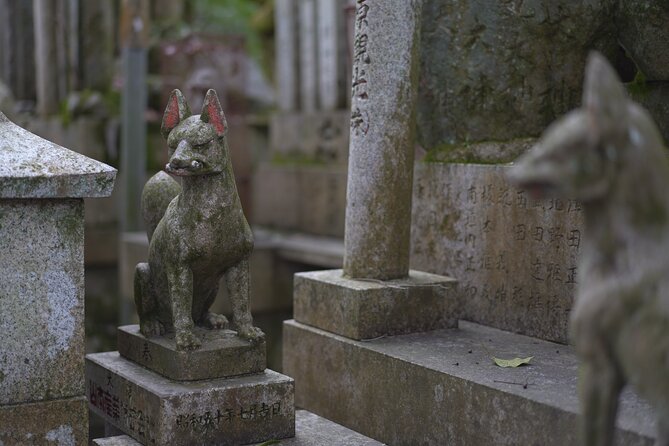
After Nara Park, you’ll visit Kasuga Taisha Shrine. It’s part of the UNESCO listing associated with Cultural Properties of Ancient Nara.
This stop is about atmosphere and details rather than spectacle. Compared to Fushimi Inari’s torii corridor, Kasuga Taisha often feels more intimate, with a shrine setting that rewards slowing down for small elements.
You’ll have about 30 minutes, so focus on what you most want to remember—maybe the shrine structures, maybe the calm walkways, maybe the way your guide explains the place’s status in ancient Nara culture.
If you like learning why sites are UNESCO-worthy, this is a good one in the middle of the day because your brain is ready for “why this matters” explanations.
Stop 6: Hōryū-ji (and why UNESCO temples feel different)
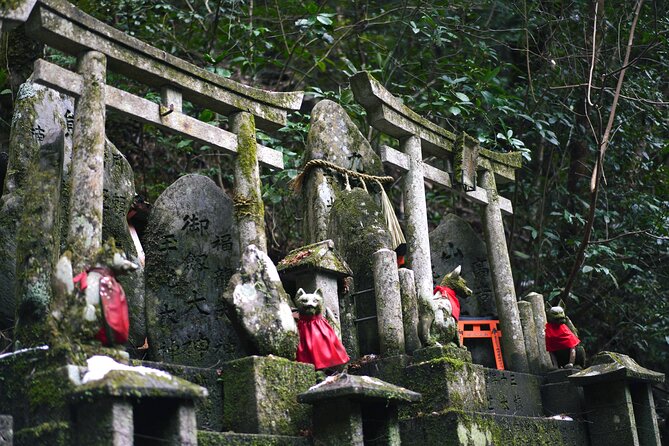
The next major temple stop is Hōryū-ji. This one is associated with Prince Shotoku, and it’s registered as a UNESCO-listed temple site.
You’ll get about 30 minutes here. What you can realistically do in that time is:
- see the main structures
- get the historical anchor points from your guide
- appreciate why the architecture and temple traditions are considered significant
UNESCO sites can sometimes feel like checklist traps, especially when you’re moving fast. Here, the guide helps you keep the visit meaningful by tying the time limit to the key takeaways.
If you’re the type who loves seeing how old beliefs and later periods influenced the same area, this stop is a strong match for that curiosity.
Stop 7: Gion by evening drive
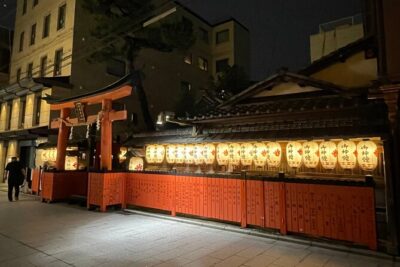
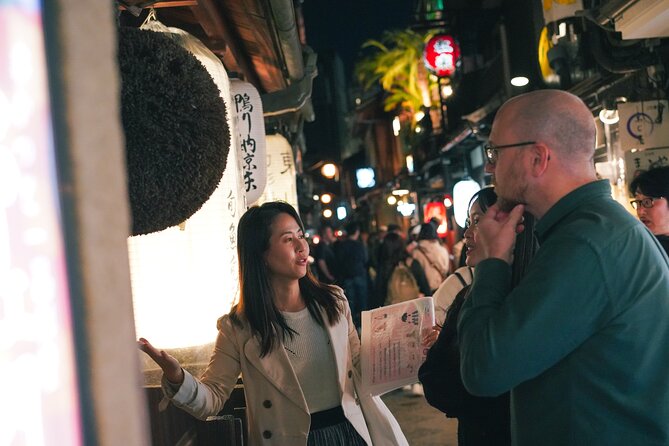
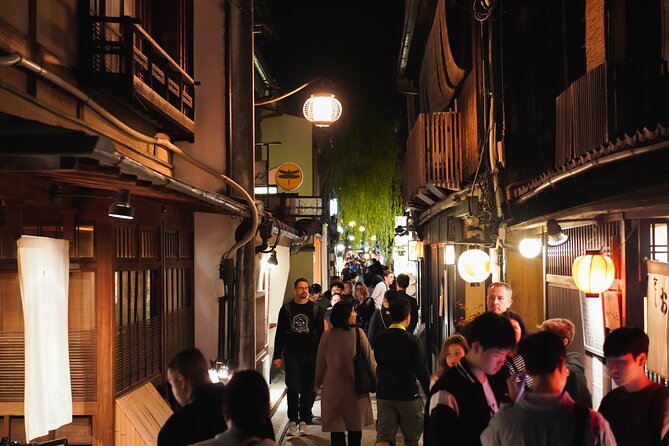
To end the day, you’ll head back toward Kyoto and enjoy a drive through Gion. This is about vibe. You’re not being dropped into a long walking tour here; instead, you’ll get a scenic look at Kyoto’s famous district.
You’ll have about 30 minutes for this part, and it’s a smart finish because it lets you close the day with atmosphere rather than another “must-see checklist” stop.
If you’ve had a full day of temples and shrines, Gion offers a change in pace. Even from a vehicle, the streets and mood can reset your brain.
The guide makes or breaks the day
This tour stands or falls on how the guide reads your group’s energy and adjusts when conditions change. The reviews are clear about that.
One guide, Mari, reportedly shifted the plan when rain rolled in, using the weather to take a quieter detour and spending time at a Zen garden—peaceful, reflective, and different from the main outdoor-heavy stops. That kind of flexibility is exactly what you want on a day trip where you can’t afford to lose an hour to weather.
Another guide, Meri, was praised for good pacing, smooth navigation between locations, and making sure the day stayed fun while still hitting the planned highlights. That’s the ideal combo: practical logistics plus stories that help you see what you’re looking at.
Bottom line: this is a tour where the guide’s judgment matters. And from the signals you have here, the guides are doing that job well.
Timing reality: you’ll feel the pace
Let’s be honest about the structure. With about 30 minutes at several stops and 30 minutes for the Gion segment, you’ll move a lot.
That can be great if you:
- want to see a lot without planning
- enjoy a guided structure
- prefer “checked off” highlights over unhurried wandering
But if you hate time limits or you’re the type who likes to linger in gardens and read every sign, this day might feel rushed. In that case, you might be happier with a smaller-scope itinerary or a tour that spends more time per location.
One practical way to make it work anyway: decide your top two “must linger” stops before you go. Everything else becomes a focused look, not a deep study.
What to pack (so the day feels easy)
Even with private transport, you’ll walk at shrines and temples. Pack like you’re doing a full day of sightseeing:
- comfortable shoes
- a light layer (weather can change)
- a small umbrella if rain is possible
- water and snacks if you’re sensitive to waiting between meals (lunch is included, but you may still want backups)
If it rains, don’t panic. Guides here have shown they can adapt and find calmer alternatives, not just push through rain at outdoor-only stops.
Who should book this tour
This is a strong match for:
- couples who want a classic Kyoto plus Nara day without logistics
- families who value guided pacing and practical lunch help
- small groups who want privacy and a driver
- solo travelers who’d rather spend effort enjoying than researching transit
It’s less ideal if you’re traveling for slow photography and deep museum-level reading at each site. With this format, you’re getting breadth more than depth.
Should you book this private Kyoto and Nara highlights day?
I’d book it if you want maximum iconic coverage with minimal friction. The included admissions and lunch, the private car, and the promise of a guide who can handle timing (and even rain detours) add up to real value for a day trip.
I’d think twice if you’re the kind of traveler who needs longer stays at each sight. With fixed short stops, you’ll enjoy it most if you’re happy moving from highlight to highlight and letting the guide’s explanations guide your attention.
If you’re sitting on the fence, a good decision rule is simple: do you want to spend your energy on enjoying sites, or on solving transit and timing? This tour clearly chooses enjoyment.
FAQ
What is the duration of the Kyoto and Nara highlights day trip?
It runs for about 10 hours.
Where do we meet for pickup?
Pickup starts at the General Taxi Rank, Kyoto Station Karasuma Entrance (Higashishiokojicho, Shimogyo Ward, Kyoto).
What time does the tour start?
The start time is 9:00am.
Is this a private tour?
Yes. It’s private, so only your group participates.
Which places are included on the tour?
The stops include Fushimi Inari-taisha Shrine, Todai-ji Temple, Nara (lunch), Nara Park, Kasuga Grand Shrine, Hōryū-ji, and Gion.
Are admission tickets included?
Yes. Admission tickets for the listed stops are included.
Is lunch included, and can I request dietary needs?
Lunch is included, and vegetarian, vegan, and gluten-free options are available if you request them in advance. Beverages are not included.
Is a mobile ticket provided?
Yes. A mobile ticket is included.
Does the tour run in any weather?
The experience requires good weather. If canceled due to poor weather, you’ll be offered a different date or a full refund.
What is the cancellation policy?
Free cancellation is available up to 24 hours in advance for a full refund.