REVIEW · KYOTO
Kyoto: Gion Morning/Night Walking Tour
Book on GetYourGuide →Operated by Jacalize Co., Ltd · Bookable on GetYourGuide
Quiet Gion feels like a different Kyoto. I love the exclusive early access that keeps the lanes calmer, and I love the local stories the guide shares as you stroll. One possible drawback: seeing geishas can’t be promised, and you may leave with more architecture and culture than celebrity spotting.
If you pick the morning option, the tour is basically Kyoto before the day gets busy. If you choose night, the atmosphere shifts—especially when the streets are wet and you want photos. Either way, you’ll be walking on foot, so plan around comfortable shoes and real weather.
In This Review
- Key things that make this Gion walking tour worth it
- Gion at sunrise or after dark: why this walk works
- Price and what you actually get for $40
- Meeting at Exit 4 and how the tour flows through Gion
- Stop-by-stop: streets, tea houses, and traditional wooden architecture
- Morning vs night: crowds, photos, and the calm Kyoto vibe
- Your guide in action: stories you can use while sightseeing
- Practical tips: shoes, water, weather, and Gion etiquette
- Who this Kyoto Gion morning/night tour suits best
- Should you book this Kyoto Gion Morning/Night Walking Tour?
- FAQ
- Where do I meet the guide?
- How much does the Kyoto Gion Morning/Night Walking Tour cost?
- Are there separate morning and night tour options?
- What’s included in the tour price?
- What should I bring?
- Is hotel pickup or drop-off included?
Key things that make this Gion walking tour worth it
- Crowd-avoidance at the right time: morning access in Gion before most people arrive
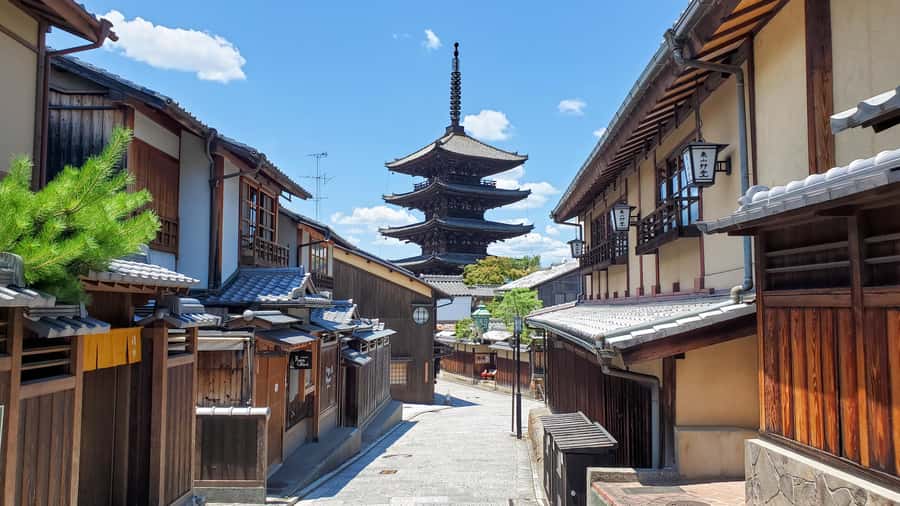
- Traditional streets and architecture up close: wooden houses and tea house surroundings
- A guide who shapes the walk: stories and context that help you see what matters
- Photo-friendly timing: rain can turn the alleyways into something cinematic
- Flexible pacing: one guide (Kimu) is praised for adapting to your needs
Gion at sunrise or after dark: why this walk works
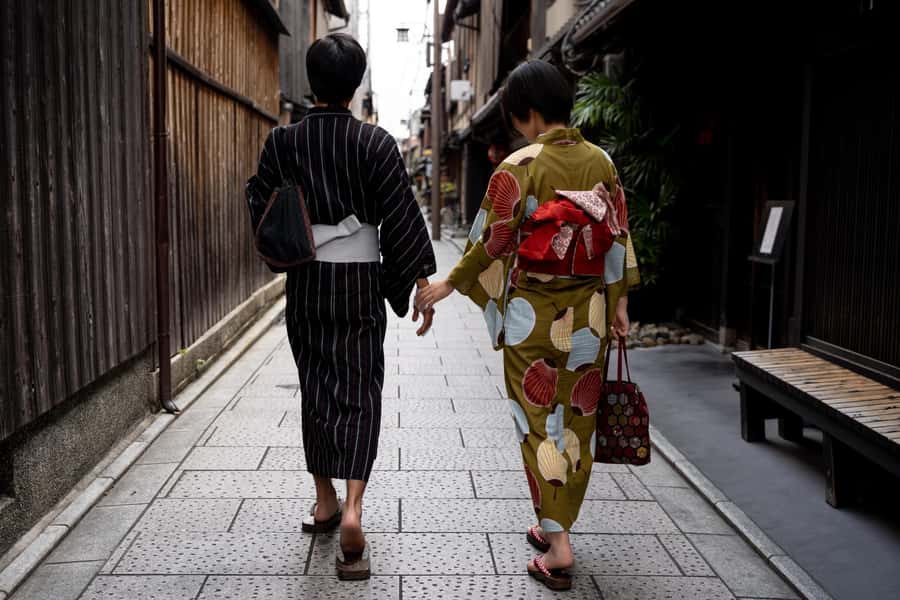
Gion is the kind of place where a normal stroll can feel like you’re just passing scenery. This tour helps you slow down and look properly, because the guide connects what you’re seeing to why it exists. In morning light, the narrow lanes feel gentler. At night, the mood gets more cinematic—street corners feel quieter, and reflections can make your camera work harder.
Two choices matter here: morning vs night. Morning is ideal if you want the calmer side of Gion and want to avoid the crush. Night is great if you’re already spending your daylight hours on temples and want something atmospheric afterward. Either way, you’re moving through the same core neighborhood, but the experience changes fast with the light and the crowd level.
What I like most is that you’re not just ticking boxes. You’re getting a guided route through the traditional area, plus explanations about local culture that still shows up in daily life. That makes the streets feel less like a photo backdrop and more like a living district.
You can also read our reviews of more walking tours in Kyoto


Price and what you actually get for $40
At $40 per person, this is a guided-walk deal in Kyoto rather than an attraction ticket. The value isn’t in entry fees (there aren’t any included) and it isn’t in transportation (hotel pickup isn’t included). The value is in two things: a local guide and the chance to walk Gion under calmer conditions, especially with morning access.
You’re paying for:
- A guide-led route through Gion’s traditional streets
- Context that helps you interpret what you’re seeing
- An experience that’s built around timing (morning peace or night atmosphere)
If you’re the type who enjoys stories, street-level details, and photography, this price tends to make sense. If you’re hoping for a sure-fire checklist of geisha sightings, set expectations differently. One description of disappointment points out that geishas weren’t part of the experience—so treat that as a bonus, not the plan.
Meeting at Exit 4 and how the tour flows through Gion
Your start is straightforward: meet your guide at Exit 4 on the ground. You’ll finish back at the same meeting point, which keeps things simple when you’re juggling other Kyoto stops.
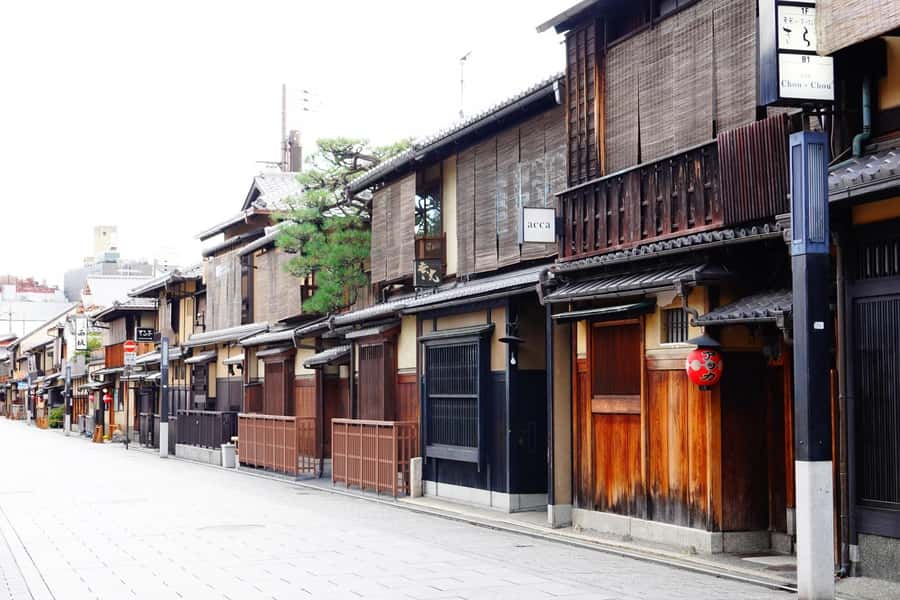
From there, the flow is basically this: you walk through Gion’s narrow streets, then pause as the guide explains what’s distinctive about the area. You’ll see traditional wooden houses and tea house surroundings as you go, and you’ll learn the kind of history that helps the neighborhood make sense now, not just in textbooks.
The pace is built for sightseeing on foot. So rather than rushing from landmark to landmark, you’re moving slowly enough to notice architectural details and street composition. That matters because Gion’s appeal is in the small stuff—gateways, building styles, and how the lanes open and close.
Also note the tour language is English. That’s a plus for most people, but one visitor mentioned trouble understanding everything. If English clarity is essential for you, it’s worth choosing a time when you’re well-rested and ready to listen, and don’t be shy about asking the guide to repeat or clarify.
Stop-by-stop: streets, tea houses, and traditional wooden architecture
This isn’t a museum-style tour with set “ticketed” stops. It’s more like guided wandering with purposeful pauses. You’ll be looking at the same neighborhood from different angles as the guide steers you through Gion.
Here’s what you can expect as the walk progresses:
You’ll spend time in the traditional lanes where you can spot wooden houses and the tea house context that defines much of Gion’s visual identity. The guide’s job is to make those elements meaningful. Instead of treating buildings as background for photos, you’ll understand what you’re looking at and why the district developed the way it did.
You’ll also get time for the calmer, quieter vibe—especially on the morning route when the crowds haven’t fully arrived. One highlight described the walk as peaceful early on, and that’s exactly why this format works: it gives you a chance to see Gion before it turns into a high-traffic photo stop.
A nice bonus from one account: the guide followed a personal itinerary and took you through quieter, less-known spots, plus a cherry-blossom moment when sakura was already starting to bloom. That tells you the tour can be flexible if your guide is able to work with your interests.
Morning vs night: crowds, photos, and the calm Kyoto vibe
Choosing the time of day is the easiest decision you can make for getting the vibe you want.
Morning is best if you:
- Want to enjoy Gion with fewer people around
- Like slow walks and morning light for photos
- Prefer a peaceful atmosphere before Kyoto fills up
Night is best if you:
- Want something atmospheric after a day of temples
- Like street photos with mood and reflections
- Enjoy a calmer, softer feel once the day’s energy shifts
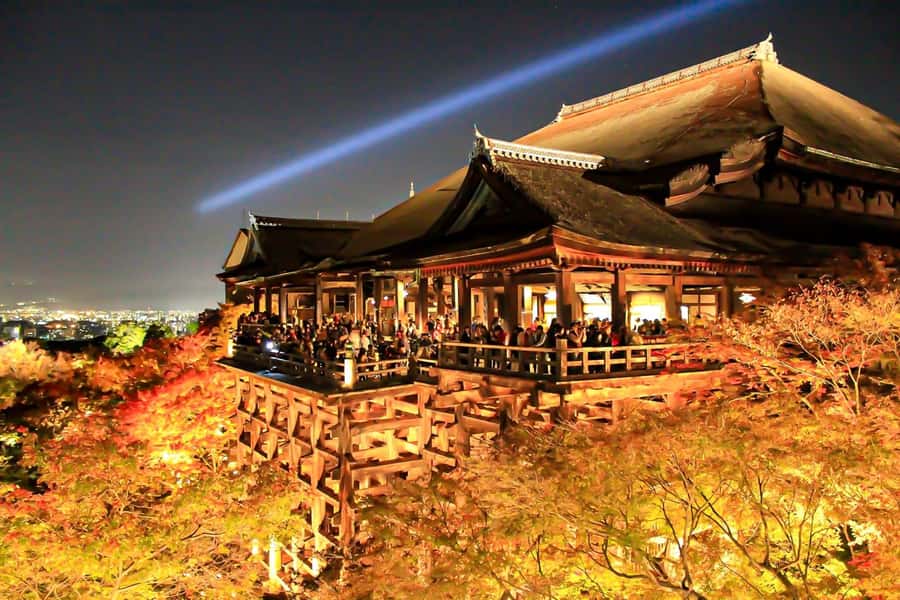
One account specifically mentioned incredible photos in the rain during a nighttime walk. That’s a practical clue: if the weather turns, don’t automatically bail. Wet streets can make the scene more dramatic, and the tour is designed for walking through Gion’s narrow lanes regardless of the conditions.
The tradeoff is simple: rain or cold can make the walking less comfortable. Bring what you need to stay steady, and don’t let weather fear ruin your chance at great night ambiance.
You can also read our reviews of more evening experiences in Kyoto





Your guide in action: stories you can use while sightseeing
The guide is the engine of this experience. Without the context, Gion can become a blur of pretty streets and Insta angles. With the guide, the district reads differently.
One named guide, Kimu, is praised for being kind, polite, and knowledgeable, and for adapting the tour to the group’s needs. That flexibility matters because Gion has layers: some streets are more photogenic, others feel more local, and the stories attached to each spot change the way you experience the neighborhood.
Even when the tour isn’t about major monuments, the guide’s storytelling helps you notice what matters: how culture lingers in daily life, and why the architecture and street layout feel the way they do.
Still, keep one consideration in mind. If you’re hoping for a heavy “what to look for” explanation of geisha culture with frequent sightings, the experience may not match that expectation. The data here doesn’t promise geishas. Instead, think of this as culture + architecture + timing, where geisha sightings (if they happen) are a lucky bonus.
Practical tips: shoes, water, weather, and Gion etiquette
This is a walking tour, so your comfort affects everything. The essentials from the tour guidance are simple and worth following:
Bring:
- Comfortable shoes
- A camera
- Water
Expect varying weather. Kyoto can change moods fast, and you’ll be out long enough to feel it. If rain hits, you may get some of the best street photos, but your feet still need traction and your plan still needs flexibility.
Respect local customs and traditions while you’re in the area. That means quiet behavior, careful movement in narrow lanes, and being mindful that you’re walking through a real district—not a staged set.
One more rule: no smoking. If you smoke, plan to step away from the group and area so you’re not breaking that instruction.
Who this Kyoto Gion morning/night tour suits best
This tour fits you if you want:
- A guided walk through traditional Gion streets
- Photo time with context (not just snapping and moving on)
- A quieter experience timed before crowds, especially for the morning option
- An English guide who can explain what you’re seeing
It’s also a good choice for solo travelers and couples because it’s easy to understand what you’ll do each step of the way: meet the guide, walk, learn, return.
It may be less ideal if your main goal is guaranteed geisha sightings. The tour’s promise is about the traditional district and the culture around it, not a guaranteed encounter. Also, if you know you struggle with spoken English on tours, consider choosing a time when you’ll be alert and prepared to ask questions.
Should you book this Kyoto Gion Morning/Night Walking Tour?
I’d book it if your definition of a great Kyoto day includes street-level atmosphere and meaningful context. The morning option is especially appealing if you want Gion before it becomes crowded, and the night option is great if you like moodier alleyway scenes and photo opportunities. At $40, you’re paying for a local guide and a timing-based experience, not entry tickets.
Skip or adjust expectations if you’re hunting for geishas as the main event. Think of geisha sightings as possible, not planned. And remember: you’ll get the most out of this tour if you show up ready to walk, listen, and look closely at the architecture and tea house surroundings.
If that sounds like your style, this is a satisfying way to experience Gion with less chaos and more understanding.
FAQ
Where do I meet the guide?
Meet the guide at Exit 4 on the ground. The tour ends back at the same meeting point.
How much does the Kyoto Gion Morning/Night Walking Tour cost?
The price is $40 per person.
Are there separate morning and night tour options?
Yes. The experience is offered as a morning or nighttime walking tour focused on the Gion district.
What’s included in the tour price?
Included: a guided walking tour of the Gion district, exclusive morning access to Gion, and a local tour guide.
What should I bring?
Wear comfortable walking shoes and bring a camera and water.
Is hotel pickup or drop-off included?
No. Hotel pickup and drop-off are not included.