Kyoto without the crowds feels possible. This private walk-style experience is built around your interests, guided by locals who steer you toward quieter moments in Higashiyama and beyond.
What I like most is the private, tailor-first format and the chance to experience Kyoto traditions (like tea and Zen) in a way that feels made for your group.
One consideration: the tour does not include private transportation, and the guide is listed as not licensed or certified, so you’ll want to trust the itinerary flow and ask questions up front.
In This Review
- Key Points to Know Before You Go
- What You’re Paying For in This $150 Private Kyoto Tour
- How the Itinerary Works: A Choose-Your-Own Kyoto Menu
- From Kawaramachi to Edo-Old Streets: The Kyoto You See on Foot
- Higashiyama Shrine and Maruyama Park: Blessings and Quiet Edges
- Zen Temple Morning: Special Worship, Meditation, and Tea
- A Second Zen Temple Stop and Garden Time
- Gion Culture Without the Rush: Maiko, Geiko, and Machiya Streets
- Sanjusangendo and Wagashi-Making: Art You Can Taste
- Gojo Area Food Stops, Then Tea Ceremony and Flower Arrangement
- Imperial Grounds and Kiyamachi Street: Finish the Night Like a Local
- Meet Sunny or Ren: Guide Style That Sets the Pace
- Pickup, Mobile Tickets, and Staying on Schedule
- Who This Tour Fits Best (and Who Might Want to Pass)
- Should You Book This Tour?
- FAQ
- How long is the Kyoto private tour?
- How much does it cost per person?
- What’s included in the price?
- Is pickup included?
- What are the meeting and ending points?
- Do I need to pay for private transportation?
- Are lunch and dinner always included?
- What if I have dietary restrictions?
- Is there alcohol on the tour?
- Is cancellation free?
Key Points to Know Before You Go
- Tailor-built route: Share your bucket list and interests, and the guide shapes the plan.
- Food + cultural fees included: You’re not constantly doing mental math at the counter.
- Special-access moments: A Zen temple morning worship/meditation/tea ceremony is part of the menu.
- Gion culture time: You can build in geiko and maiko performances and photo time.
- Night tour perks: Dinner and alcoholic drinks are included for adults 20+, with nonalcoholic options for younger ages.
What You’re Paying For in This $150 Private Kyoto Tour
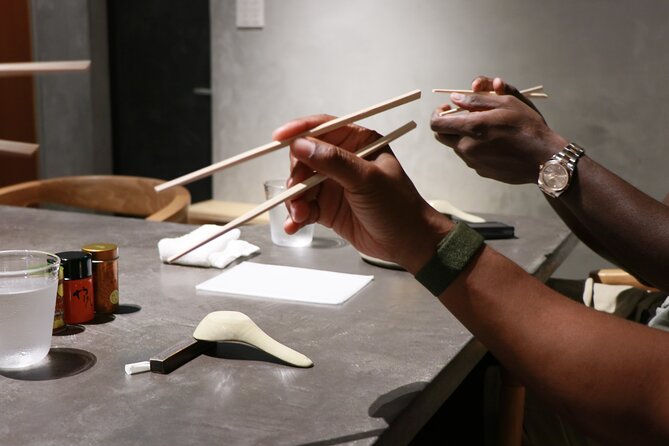
At $150 per person for a 2 to 3 hour outing, this is priced like a “service + experiences” package, not a basic sightseeing bus ticket. The big value is that the price is meant to cover the stuff that usually adds up fast: lunch or dinner, entrance fees, and experience fees like tea ceremony, flower arrangement, and wagashi-making.
It also covers the guide fee and bottled water, which matters in Kyoto. Your feet will do a lot of the work, and water is the kind of practical inclusion that saves you from hunting down small things while you’re trying to enjoy the day.
If you’re doing Kyoto for the first time, or you want to return and see it differently, I like that your guide isn’t locked into one strict script. You can steer the route toward what you care about most, from serene temples to local food stops.
You can also read our reviews of more private tours in Kyoto
How the Itinerary Works: A Choose-Your-Own Kyoto Menu
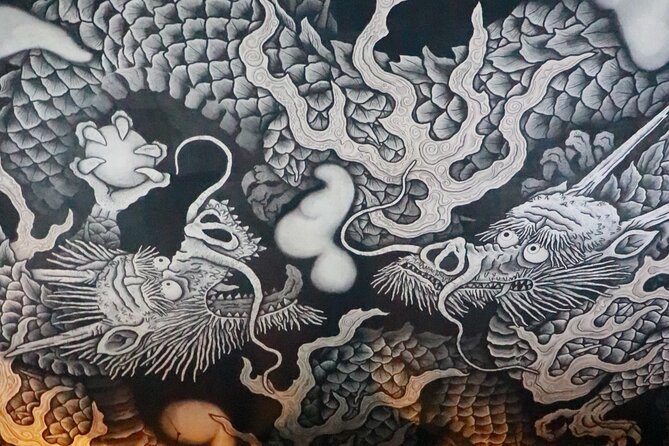
The tour is private, meaning only your group is in the plan. That sounds obvious, but it changes everything. You can move at a pace that fits your energy level, and your guide can adjust when the street feels too busy or when a moment is better earlier in the day.
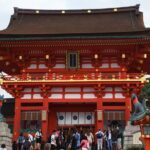
The experience is described as starting from about 3 hours, but the route list includes many iconic areas. In practice, you should think of this as a menu. You’ll likely pick a tight set of stops that match your timing (morning vs. night) and interests. For example, one reviewer described a long, honeymoon-style day that included Fushimi Inari, then Gion, plus the Ninenzaka area. That’s the advantage of telling the guide your priorities before you meet.
Before booking, write your “must-sees” and also what you want to avoid. If you hate standing in lines, say so. If you want more culture and less shopping, say that too. The tour instructions specifically ask you to share your interests in advance through the special requirements field.
From Kawaramachi to Edo-Old Streets: The Kyoto You See on Foot
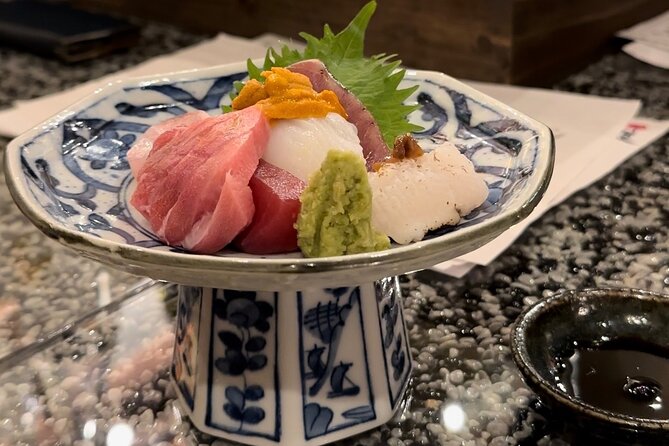
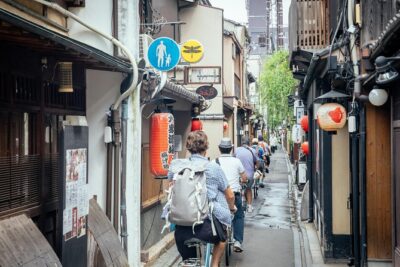
The walking route starts near Kawaramachi, then heads toward a central, historic area that’s been around since the Edo period. This is the kind of street zone where you’ll find old-school Kyoto textures: restaurant-lined lanes, traditional teahouse atmosphere, and streets that feel like they belong to another pace of time.
What I like about beginning here is that it sets the tone. You don’t start with a single postcard temple and then rush onward. Instead, you get bearings fast and learn what to watch for while walking—street layout, shrine cues, and the little signs of how Kyoto life works.
A practical consideration: this style of tour assumes you’re okay walking. Strollers and mobility needs aren’t mentioned, so if you have limitations, you’ll want to confirm what “walking tour” looks like for your chosen route length and time.
Higashiyama Shrine and Maruyama Park: Blessings and Quiet Edges
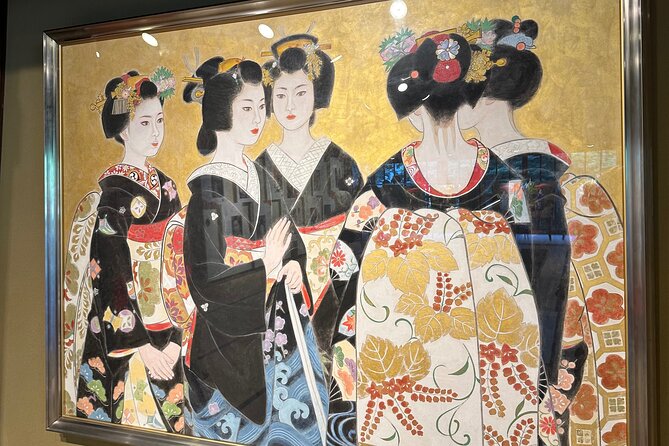
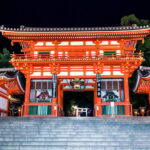
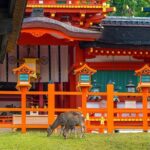
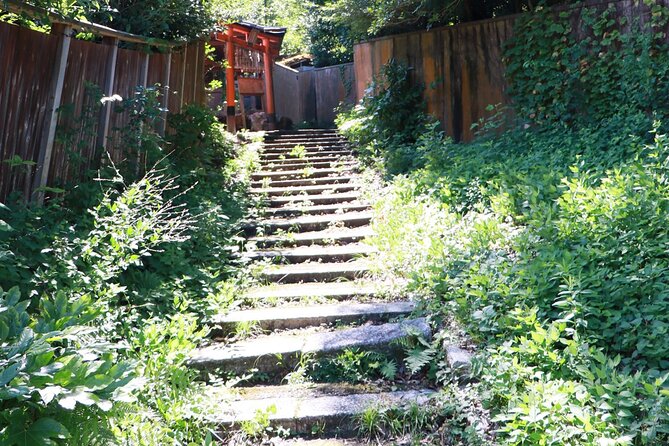
From there, the route moves into Higashiyama, where the tour includes a historic shrine visit. The description points to blessings for warding off misfortunes and supporting prosperity in business, plus several power spots tucked into the grounds. You’ll get context on what people believe, and what details locals look at when they pause.
Next comes a large park inside Yasaka Shrine, known for cherry blossom viewing. Even outside peak blossom season, I like the idea of visiting this type of space because it gives you a breather. Kyoto is often experienced as a string of points on a map, but parks help you feel how the city breathes.
One note: spring can be packed anywhere in Kyoto. This tour is positioned as low-crowd, but you should still expect busy pockets depending on the date. The private guide helps you navigate that reality more smoothly than trying to self-plan.
Zen Temple Morning: Special Worship, Meditation, and Tea
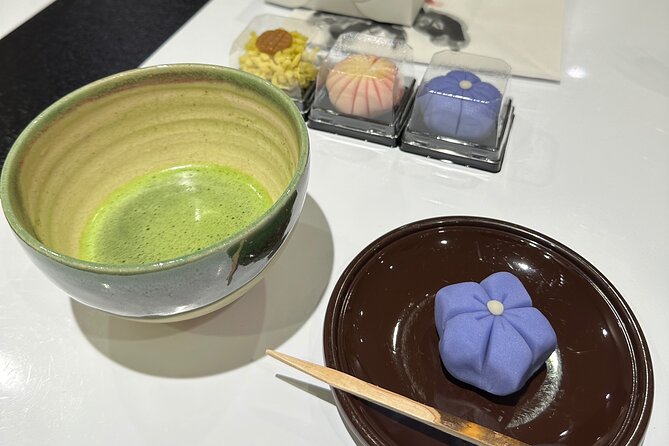
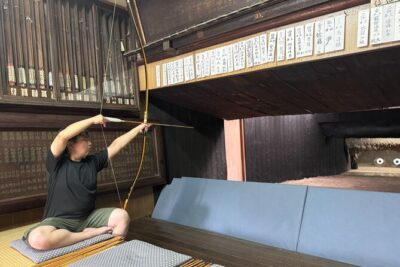
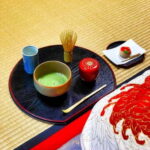
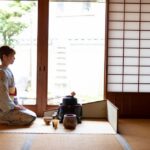
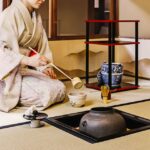
This is the part of the experience that feels most “only-in-Kyoto” in a practical way. The tour includes a Zen temple in Higashiyama that’s normally closed to the public, with a special morning program: worship, Zen meditation, and a tea ceremony experience.
Why it’s valuable: you’re not just watching culture from the edge. You’re inside the rhythm of it. A morning session also tends to feel calmer, and that matters for meditation and reflection. Even if you’re not a meditation person, the format gives you something structured to focus on.
What you should consider: programs like this can involve quiet expectations. If you’re hoping for lots of talking and photos at every step, you’ll want to go in knowing you may have moments of stillness and follow-the-guide behavior. Also, lunch details are handled carefully in the tour info: lunch is included for tours starting at 10:00, but it’s noted that lunch isn’t included for cultural experiences like tea ceremony or wagashi-making. So you’re best off treating meals as separate from the workshop moments.
A Second Zen Temple Stop and Garden Time
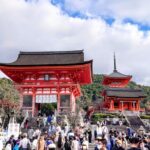
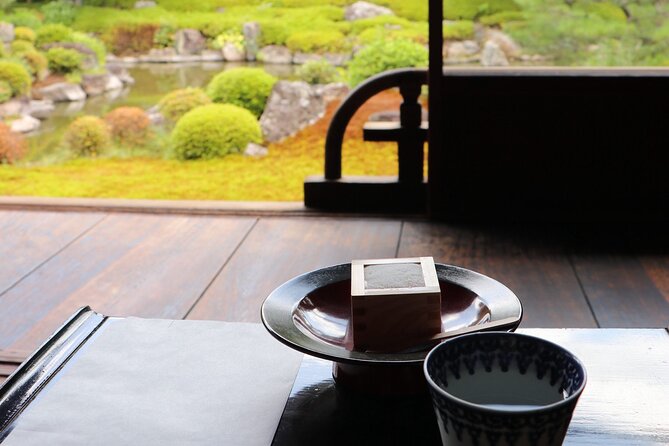
After that Zen morning, the route includes another Zen temple with a serene atmosphere and beautiful grounds, described as featuring national treasures. This is the “slow down and look” portion. Gardens and temple architecture reward patient attention, and your guide can help you notice what you might otherwise miss.
If you’re short on time, this kind of stop is still worth it. People often chase only the famous temples. But stepping into a garden-focused place changes how Kyoto feels. It adds texture. It also breaks up the day so you don’t feel like you’re sprinting from one crowd magnet to the next.
Gion Culture Without the Rush: Maiko, Geiko, and Machiya Streets
Then it’s time for traditional culture in Gion. You’ll spend time in the district known for machiya (traditional townhouses) and teahouses, and there’s a chance to encounter geiko and maiko depending on the day.
What I like here is the pairing: culture performance time plus street wandering. One reviewer credited their guide with putting the stories together during the walk, and it made the district feel more alive than just a photo loop.
The tour also includes a stop specifically for enjoying traditional culture, including performances and photo time, plus cafe time while taking in views. That cafe break is practical. Kyoto walking plus temple quiet can make you forget to eat. A planned pause helps you stay cheerful.
Sanjusangendo and Wagashi-Making: Art You Can Taste
A major highlight in the route is Sanjusangendo, famous for its 1,001 Kannon statues. This place can feel intense in a good way. It’s not only about the fact that there are a lot of statues. It’s about the scale and repetition, which gives the hall a particular energy.
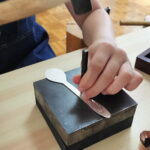
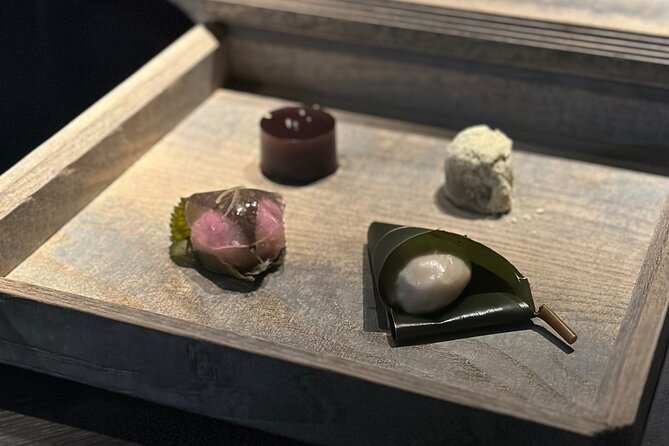
Right after Sanjusangendo, you’ll continue into Japanese culture through a historic building and include a wagashi (Japanese confectionery) making experience. This is one of those activities that makes travel more memorable than photos alone. You get to participate, not just observe.
A tip for getting the most out of this kind of class: take a moment before you start shaping the sweets to watch how others handle the tools and pacing. Even if your attempt isn’t perfect, you’ll learn the rhythm of the craft.
Gojo Area Food Stops, Then Tea Ceremony and Flower Arrangement
Next, the route heads toward Gojo area, described as full of local dining spots. This is where you can shift from “sightseeing mode” into “eat-and-learn mode.” Gojo is a good choice for this kind of tour because the local food culture is the point, not an optional bonus.
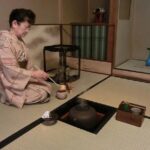
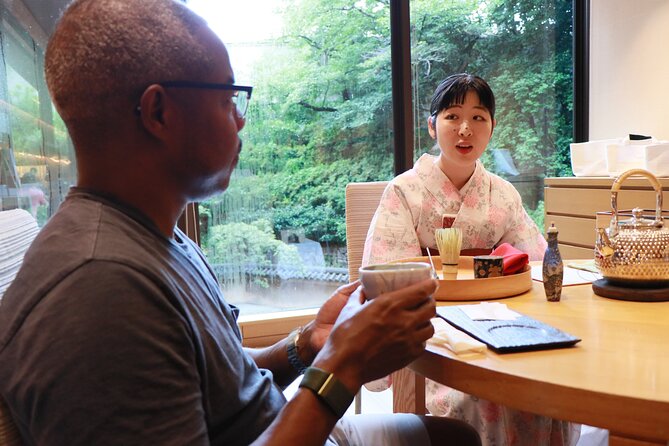
After that, the experience can include learning tea ceremony and flower arrangement directly from a master in a private space, a little outside the busier city flow. This is the “craft with calm attention” segment.
Why this works for value: you’re paying for instruction, not just a ticket to enter a building. And it’s paired with other stops so you don’t feel like your whole day is in one classroom. Still, tea and flower arrangement can take mental focus. If your group wants lots of mobility and wandering with no seated time, make sure you ask the guide how the schedule balances active walking and workshop sitting.
Imperial Grounds and Kiyamachi Street: Finish the Night Like a Local
The route includes a historic palace where emperors lived, with spacious grounds and traditional architecture, plus lesser-known shrines and scenic moments. Palace grounds often feel like a different world inside the city grid. They’re also excellent for slowing down and taking in how Kyoto’s power centers were organized.
To close, the plan ends on Kiyamachi Street, lined with newer restaurants and bars. For night tours, this makes sense. The earlier parts of the day can be temple-focused and quiet, and the ending shifts you toward evening Kyoto energy.
If you’re on a night format, remember: dinner is included, and alcoholic drinks are included for adults 20+. Minors under 20 are served nonalcoholic drinks. That’s a real planning detail if your group has mixed ages.
Meet Sunny or Ren: Guide Style That Sets the Pace
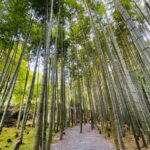
SunnySight Japan’s guides are a major part of why people feel the tour is special. One reviewer specifically praised Sunny for telling historical and cultural stories while walking Kyoto at night, then arranging an extraordinary private dinner and guiding the group to a bamboo forest light event.
Another reviewer highlighted Ren for being patient and matching the pace for a family of four, including their 7 and 5-year-old daughters. The practical takeaway for you: this tour isn’t just “follow the guide and hope you like the stops.” It’s built to adapt to your group’s energy and comfort level.
One consideration to keep in mind: the tour info states the guide is not licensed or certified. I can’t judge the quality of every guide from a short description, but you can protect yourself by communicating your expectations clearly. If you want deeper explanations, ask for them at the start.
Pickup, Mobile Tickets, and Staying on Schedule
Pickup is offered, and you’ll also have a set meeting point. The start point is at Edion Kyoto Kawaramachi Main Store (Shinchō 68, basement through 6F, per the details provided). The tour ends at a gallery near the Kyoto Kiyamachi Gate Hotel area, with the ending location listed as 209-2 Nabeyachō.
The end point matters because Kyoto is navigable, but it’s nicer when you don’t feel stuck miles away from dinner plans. This ending on Kiyamachi usually helps you roll right into evening food or drinks.
You’ll also use a mobile ticket, and the area is near public transportation. That’s good news if you’re managing your own timing before and after the tour.
Who This Tour Fits Best (and Who Might Want to Pass)
This tour is a great match if you want:
- A private guide who can answer questions and adjust pace
- A mix of temples + cultural workshops + food
- A plan that can include performances and hands-on crafts
- A night option with dinner and drinks included for adults 20+
It’s less ideal if:
- You hate walking (it’s described as a walking tour for hidden temples and sightseeing, with bottled water included)
- You want a fixed itinerary with zero changes
- Your group needs private vehicle transport, since private transportation is not included
If you’re traveling with kids, the Ren example is encouraging. Kids tend to do best when the guide keeps pace and chooses child-friendly segments.
Should You Book This Tour?
I’d book it if you’re the type of traveler who likes Kyoto in layers: streets first, then shrines, then workshops, then food. For $150, the strongest value is that you’re not paying separately for entrance fees and the experience workshops, plus your meals and water are handled.
I’d think twice if you’re expecting a fully guided, certified-credential experience with guaranteed “big-name” stops every time, because the guide is listed as not licensed or certified and the exact mix depends on your interests and timing.
If you do book, do two things that make this tour better immediately:
- Send a clear list of what you want (and what you don’t).
- Ask the guide at the start how they’ll balance walking time with tea ceremony or wagashi class time.
FAQ
How long is the Kyoto private tour?
It runs about 2 to 3 hours on average.
How much does it cost per person?
The price is $150.00 per person.
What’s included in the price?
It includes lunch (for tours starting at 10:00), dinner for night-time tours, bottled water, entrance fees, experience fees (tea ceremony, flower arrangement, wagashi-making), and the guide fee. Alcoholic drinks are included on night tours for travelers age 20 and above.
Is pickup included?
Pickup is offered.
What are the meeting and ending points?
The start is at Edion Kyoto Kawaramachi Main Store. The tour ends at the gallery area near Kyoto Kiyamachi Gate Hotel (209-2 Nabeyachō, Nakagyo Ward).
Do I need to pay for private transportation?
No. Private transportation is not included.
Are lunch and dinner always included?
Lunch is included for the tour starting at 10:00. Dinner is included for night-time tours. The information also notes that lunch is not included for cultural experiences such as tea ceremony or wagashi-making.
What if I have dietary restrictions?
You can request dietary needs such as vegetarian, vegan, or gluten-free. Indicate your requirements at booking.
Is there alcohol on the tour?
Alcoholic beverages are included on night-time tours for travelers 20 years old and above. Minors under 20 receive nonalcoholic drinks.
Is cancellation free?
Yes. Free cancellation is available, with a full refund if you cancel at least 24 hours before the experience start time.