REVIEW · KYOTO
Kyoto Custom Private Walking Tour with A Guide (Private Tour)
Book on Viator →Operated by Guydeez · Bookable on Viator
Kyoto makes more sense with a local beside you. This private walking tour lets your guide shape the route around your interests, so temples, shrines, and even museum stops feel like a personal plan, not a checklist. You’ll also get street-level context about daily life in Kyoto that’s hard to spot on your own.
I like the customization most. Before you set out, your guide contacts you to learn what you’re into, then adjusts the pace and stops accordingly, with help booking tickets if you want to add attractions. I also love that the tour leans into practical Kyoto wandering: from calmer temple areas to markets like Nishiki, it’s the kind of walk that helps you return tomorrow with confidence.
One caution: the experience can vary with the specific guide. The best reports name guides like Alessandro, Kokoro, Ian, and Emma as flexible and very helpful, while a few negative reviews mention rushed pacing, weak explanations, or communication problems. If you care a lot about historical detail, plan to set clear expectations up front.
In This Review
- Key things to look for before you go
- A private Kyoto plan starts with what you want to see
- Price and value: why $53.15 can work (or not)
- How the itinerary really works when it’s customized
- Gion, shrines, markets, and the streets between them
- Optional museums: good when you care, skip when you don’t
- Walking logistics: pickup, pace, and why shoes matter
- Guides make or break the day: real examples from past tours
- Who this tour suits best (and who should consider another option)
- Should you book this Kyoto custom private walking tour?
- FAQ
- Is this tour private for just my group?
- How long is the Kyoto custom private walking tour?
- Do they pick me up at my accommodation?
- Are attraction tickets included?
- Are food and drinks included?
- Is public transportation included?
- Can I cancel for free?
- Are service animals allowed?
Key things to look for before you go
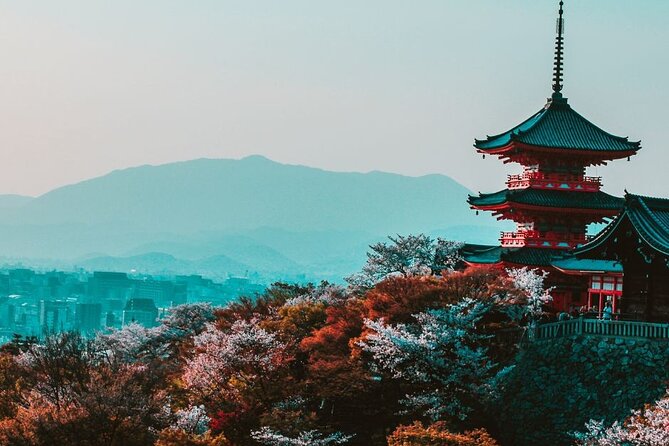
- A guide who adjusts to you: you share interests ahead of time, then the route changes to fit your style.
- Optional museum time: if you want a museum visit, tell your guide and they can adapt the walk.
- Private means private: it’s only your group, so you’re not forced into someone else’s agenda.
- Meet-up from your place (sometimes): pickup is offered if your accommodation is in the city.
- Built for first-timers: it helps reduce that overwhelmed feeling when Kyoto feels hard to navigate.
- Walking pace is the point: there’s no car included, so comfy shoes matter more than you think.
A private Kyoto plan starts with what you want to see
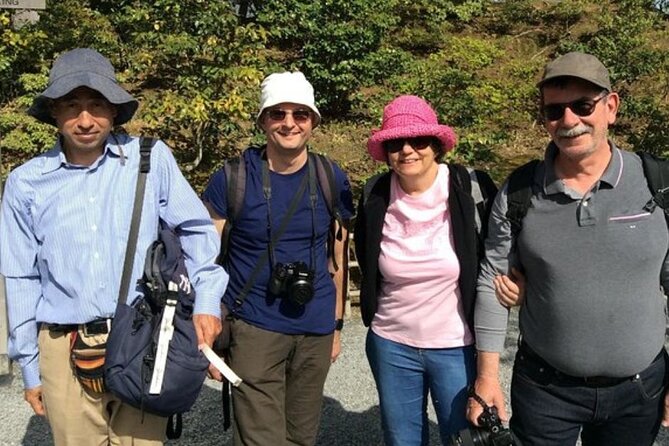
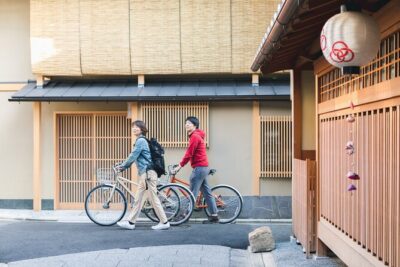
Kyoto can feel like a “choose-your-own-adventure” city. One street leads to a shrine gate, the next to a side alley with a smaller temple, and suddenly you’ve lost the plot. That’s exactly where a private custom walk earns its keep: you’re not just moving from landmark to landmark, you’re building a Kyoto route that matches your curiosity.
The setup is simple. Your guide reaches out beforehand to learn your interests and tastes, then builds the walk around what you actually want to spend time on. If you’re traveling as a couple, you can steer toward scenic back streets and quieter pockets. If you’re a family with different needs, you can ask for a pace and stop pattern that works for everyone.
You can also read our reviews of more walking tours in Kyoto


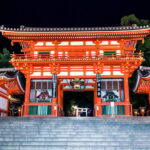
Price and value: why $53.15 can work (or not)
The listed price is $53.15 per person, with durations that can run from about 2 to 8 hours. On paper, it looks like a budget walking tour. In practice, the value depends on two things: how well your group matches a private format, and how much you benefit from guide-led decisions.
Here’s the value math in plain terms. You’re paying for (1) someone to translate the city into a route, and (2) flexibility, including help booking tickets when you want attraction time. If you’re only in Kyoto for a day or two, that decision support can save you hours of guessing.
It’s also worth noting that this is a walking tour. That’s great for budget and atmosphere, but it can be a poor fit if you hate long walks or need frequent transit breaks. If that’s you, you’ll want to set a clear pace with your guide early.
How the itinerary really works when it’s customized
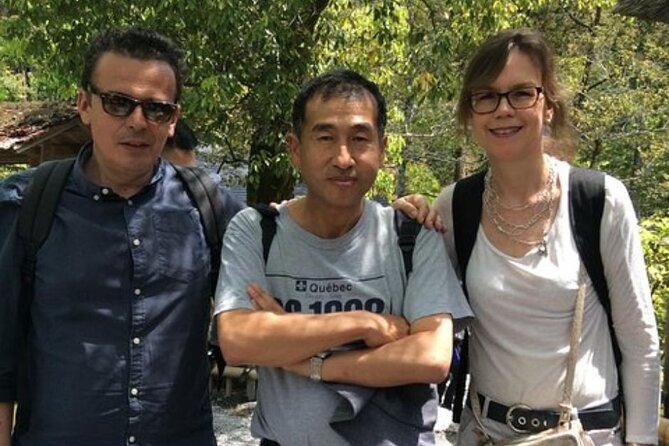
There isn’t a single fixed “do these 6 stops” script. Instead, your guide uses your preferences to decide where to walk and which sights to include. The promise is straightforward: you see the exterior of Kyoto’s monuments and historic areas, you learn the meaning behind what you’re looking at, and you can swap in optional attraction time if you want it.
In real-life terms, that usually means your route will focus on:
- temple and shrine areas (often calmer than the big-name entrances)
- historic districts and traditional streets
- markets and local-life streets that help you understand Kyoto beyond photos
- optional museum time if you request it
One of the most practical benefits from the tour style is that you can ask for “less crowded” stops. Several guide highlights specifically call out routes designed to avoid the worst crowds, and that can change your Kyoto experience from stressful to relaxed fast.
Gion, shrines, markets, and the streets between them
Even without a fixed lineup, you can expect the walk to cover the kinds of places that define Kyoto at street level. In past tours, routes commonly included areas such as Gion, Maruyama Park, nearby lanes and temples/shrines, and wraps that end around Nishiki Market.
If you’re doing your first Kyoto walk, those are smart anchors:
- Gion-style streets help you get oriented with Kyoto’s historic urban texture.
- Maruyama Park and nearby areas are a good “outdoor Kyoto” taste if you want something less temple-heavy.
- Nishiki Market works well as a finishing point because it’s active, food-friendly, and easy to use after the tour for your own evening plans.
What’s the drawback? Markets and famous neighborhoods can be busy. A private guide helps, but it’s still wise to ask for crowd-smart timing. If your group is sensitive to crowds, ask your guide to prioritize quieter temple pockets and calmer side streets.
Optional museums: good when you care, skip when you don’t
Kyoto is heavy on temples, but it also has museums. This tour is set up so your guide can adapt if you want museum time, rather than forcing you into a pre-chosen add-on.
The key advantage is control. If you’re interested in a specific art, craft, or religious perspective, you can steer toward a museum stop that matches your interests. If you’re not, you can keep the day purely outdoors and spend the saved time on streets, gardens, and shrine areas.
The tradeoff is time. Museum visits can turn a “walk” day into a “sit and read” day. If you’re traveling with kids, older adults, or anyone who gets tired fast, ask your guide to keep museums optional and shorter rather than a full detour.
You can also read our reviews of more guided tours in Kyoto





Walking logistics: pickup, pace, and why shoes matter
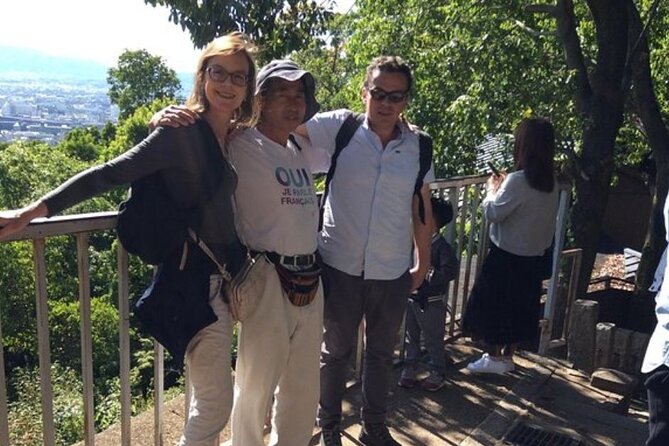
This is a walking tour, and that sounds obvious until you’re holding a camera and climbing a slope you didn’t expect. There’s no car transportation included, and local/public transit isn’t part of the package. The tour is designed around getting around on foot, so your comfort level will affect your enjoyment.
Pickup is offered if your accommodation is located in the city. That’s a big help on the first day when Kyoto navigation still feels like a puzzle. Just remember that some guides may meet you in a central area depending on what works best for their route.
Pace is the other variable. The strongest reviews describe guides who manage the group well and answer questions without rushing. A few negative reports mention guides walking so fast that people had to rush past sights. Your best move is simple: say upfront what pace works for you, and request more frequent stops if you want photos or quiet time.
Guides make or break the day: real examples from past tours
With a private custom tour, the guide is your product. Your guide can turn Kyoto into a story you understand, or into a fast walk where you only catch fragments.
The positive examples are vivid:
- Alessandro is praised as friendly, accommodating, and genuinely enjoying the work.
- Kokoro is repeatedly described as flexible and fun, with off-the-beaten-path finds plus clear explanations.
- Ian is noted for taking people to less touristy places and pacing that feels considerate.
- Francisco is mentioned for a Buddhism-focused perspective that shaped how people interpreted questions.
- Emma is credited with explaining Japanese culture and even language, plus helping plan after the tour.
- Paul is praised for back routes that help you avoid the densest crowds.
- Bamah is highlighted for managing Kyoto with kids and balancing different family needs.
- Andy, Robert, Keiko, and others are described as helpful companions who customize and answer questions.
Now the caution side:
- Some reviews mention guides who seemed unsure of the area, gave factually inaccurate information, or couldn’t explain cultural significance clearly.
- A couple reports mention communication issues, including late arrival or failure to show up without notice.
So how do you protect yourself? Send a clear message before the tour with:
- your must-see interests (temples, shrines, markets, museums, food streets, etc.)
- your preferred pace and how often you want to stop
- whether you want deeper cultural/religious explanations or lighter commentary
It’s not just politeness. It’s how you steer the day toward the version of the tour you’ll actually enjoy.
Who this tour suits best (and who should consider another option)
This tour is a strong fit for:
- First-time Kyoto visitors who feel overwhelmed by the sheer number of sights.
- Couples who want freedom to slow down, ask questions, and avoid rigid group schedules.
- Families that need route flexibility, shorter legs, and stop planning that works for kids.
- Solo travelers who want a local’s viewpoint and practical advice that carries into the rest of the trip.
It might be a tougher fit if:
- you want a strict, fixed route with guaranteed historical depth at every stop
- you’re hoping for public-transport coordination as part of the tour (it’s a walking format)
- you have very tight mobility limits and need a ride-based itinerary (you can still ask for adjustments, but the tour is on foot)
Should you book this Kyoto custom private walking tour?
Yes, if you want Kyoto with choices. The customization is the heart of this experience: you’re not stuck doing someone else’s plan, and you can adjust the day toward temples, neighborhood streets, markets, and optional museum time. The best versions of the tour, like those led by guides such as Kokoro, Ian, and Emma, sound like exactly the kind of first-day help that pays off for the rest of your trip.
Before you book, do two quick things. First, message your guide with your must-sees and your pace needs. Second, set expectations that this is a walking tour with flexible stops, not a guaranteed script with identical depth from every guide.
If you’re the type who enjoys wandering with purpose, asking questions, and shaping the day as you go, this is a very reasonable way to get your bearings in Kyoto.
FAQ
Is this tour private for just my group?
Yes. It’s described as a private tour/activity, meaning only your group participates.
How long is the Kyoto custom private walking tour?
The duration is listed as 2 to 8 hours, approximately.
Do they pick me up at my accommodation?
Pickup is offered if your accommodation is located in the city.
Are attraction tickets included?
Tickets to attractions are not included, but the team can help book tickets for the visits you choose.
Are food and drinks included?
No. Drink and food are listed as optional and not included.
Is public transportation included?
No. It’s a walking tour, and local or public transportation is not included.
Can I cancel for free?
Free cancellation is offered. You can cancel up to 24 hours in advance for a full refund, and within 24 hours the amount paid isn’t refunded.
Are service animals allowed?
Yes. Service animals are allowed.