REVIEW · KYOTO
Sacred Treasure Fushimi Inari and Kiyomizu Dera Tour
Book on Viator →Operated by Konnichiwa-japan · Bookable on Viator
Two shrines, one clear route. This Fushimi Inari and Kiyomizu-dera guided loop gives you a tight, high-impact look at Kyoto spirituality and old-street atmosphere in about three hours. You’ll also end on the Ninenzaka/Sannenzaka lanes, so the day doesn’t feel like it stops when the tour does.
I like how the tour includes temple tickets and a certified guide, so you spend less time figuring out logistics and more time watching, praying, and learning. I also like that guides bring different angles: some explain myths and history (Robert did this), while others layer in hands-on moments like a small group ritual-style participation during a temple visit (Joanes and Ricardo were noted for this kind of guidance).
One thing to consider: the feedback isn’t perfect. There are reports of last-minute cancellation tied to a guide delay, and one case where a guest was asked to cover transportation fees and entrance costs that weren’t clearly handled by the tour. It looks rare, but it’s worth planning with a little flexibility.
In This Review
- Key highlights if you want the short version
- A smart 3-hour plan through Kyoto’s big spiritual hits
- Where the tour starts near Kyoto Station
- Stop 1: Fushimi Inari-taisha and the torii-gate walk
- Stop 2: Kiyomizu-dera’s pure-water focus and the classic stage views
- Stop 3 and 4: Ninenzaka and Sannenzaka old-street strolls
- Price and value: what $30 covers (and what it doesn’t)
- The guide difference: how explanation and pace shape your day
- Logistics to watch: weather, crowding, and last-minute changes
- Who should book this tour, and who might pass
- Should you book Sacred Treasure Fushimi Inari and Kiyomizu Dera?
- FAQ
- How long is the Sacred Treasure Fushimi Inari and Kiyomizu Dera tour?
- What’s included in the price?
- Are temple admission tickets included?
- Where does the tour start?
- Where does the tour end?
- Is transportation included?
- Do I get a mobile ticket?
- How big is the group?
- Is the tour dependent on weather?
- What is the cancellation policy?
- How far in advance do people usually book?
Key highlights if you want the short version
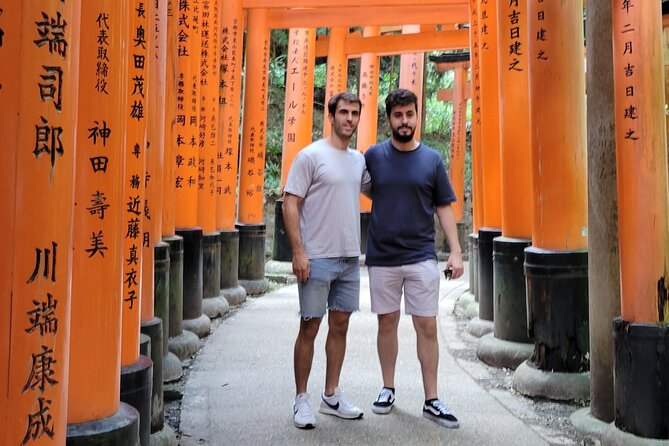
- Fushimi Inari’s torii-gate walking with a guide to help you read what you’re seeing
- Kiyomizu-dera’s UNESCO setting plus the famous wooden stage area and sacred-water theme
- Ninenzaka and Sannenzaka for that classic Kyoto street stroll right after the temples
- Tickets included for the shrine and the temple stops
- Small-group cap (up to 50) for a manageable pace over roughly 3 hours
- Mobile ticket and a fixed meeting point near Kyoto Station
A smart 3-hour plan through Kyoto’s big spiritual hits
This tour is built for people who want results fast. You get a guided walking loop that hits Fushimi Inari-taisha first, then Kiyomizu-dera, then finishes on the old-street shopping stretch of Ninenzaka and Sannenzaka. With stop times laid out (about 1 hour for Inari, 1 hour 30 minutes for Kiyomizu-dera, then two 15-minute street segments), you can manage expectations: it’s not a slow, all-day Kyoto wander. It’s a focused “see a lot, understand a lot” format.
The best part is that the tour doesn’t just drop you at famous places. A guide helps connect the dots: Inari is a Shinto shrine dedicated to Inari, associated with rice and prosperity, while Kiyomizu-dera is presented around the idea of pure/sacred water and longstanding tradition. Even if you’re not a temple person, the explanations can make the scenery feel less random and more meaningful.
The price—about $30 per person—also lines up with what you’re getting. You’re not paying extra for admission at the shrine and temple, and you’re getting a certified guide plus navigation help. The only thing you’ll usually need to budget for yourself is what’s not included (private transportation and any transportation fees).
You can also read our reviews of more tours and experiences in Kyoto.



Where the tour starts near Kyoto Station
The meeting point is at Kyoto Station, specifically Kyoto Station Higashishiokoji Kamadonocho area (Shimogyo Ward). That’s a good choice for most visitors because you’re likely already orienting yourself around the station. When tours start in the station zone, you avoid the stress of sprinting across town to some hard-to-find corner.
You’ll also want to plan your arrival timing carefully. The tour begins from a set location, and the whole experience is only about 3 hours. If you arrive late, there’s less buffer than on half-day tours. Bring a charged phone too—because you’ll use a mobile ticket.
Stop 1: Fushimi Inari-taisha and the torii-gate walk
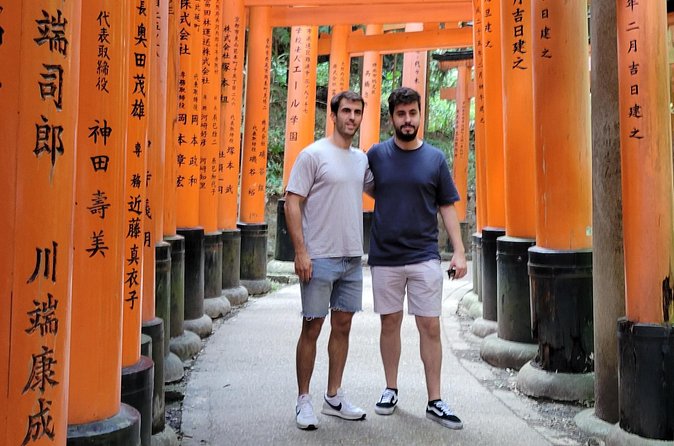
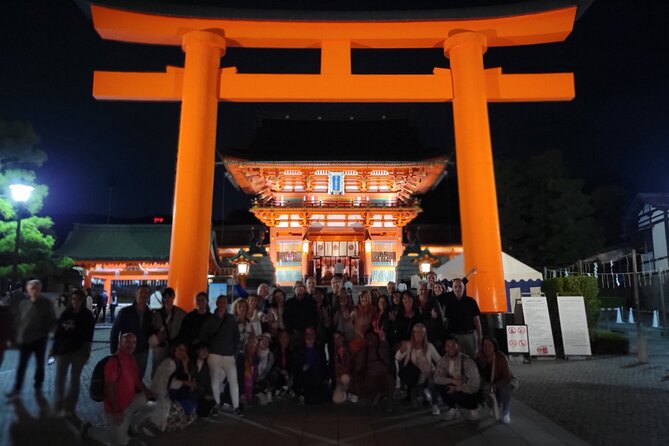
Fushimi Inari-taisha is one of Kyoto’s most recognizable sights for a reason: thousands of vermillion torii gates march along paths that feel like they could go on forever. This tour gives you about 1 hour here with a guide, which is enough time to enjoy the main walking rhythm without feeling like you’re racing.
What makes a guided visit valuable at Inari isn’t just the photo spots. It’s the context. Inari is dedicated to Inari, tied to rice, prosperity, and business. A good guide will help you see how the shrine’s vibe connects to those themes as you move through the gates and shrine spaces.
Practical tip: wear shoes you can walk in comfortably. The paths can be uneven in places, and the torii-gate setting encourages lingering. If you’re the type who likes to pause often (or take time reading plaques), you’ll still have time, but you’ll want to keep your pace steady in the first half so you don’t compress the rest of the tour.
Potential drawback: Inari gets crowded, and the “sea of torii” can turn into a slow shuffle if you’re hoping for quiet, empty-gate photos. The guide can help you time your movement and choose angles, but you still may have to accept a few crowds.
Stop 2: Kiyomizu-dera’s pure-water focus and the classic stage views
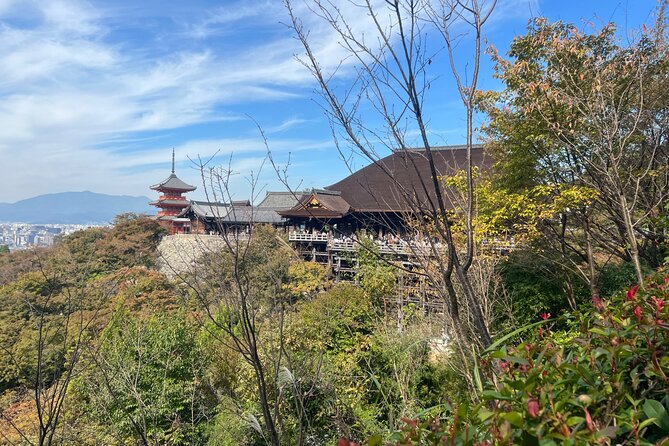
Kiyomizu-dera is the second centerpiece, with about 1 hour 30 minutes allocated here and admission included. The tour frames it as the Pure Water Temple, and it’s known for a striking wooden stage that projects out over the area below. That kind of structure changes how you experience the site: you don’t just look at buildings, you feel the drama of the space.
The sacred-water idea is a big part of the appeal. Even without getting too technical, the theme matters because it explains why people behave the way they do: they come to look, to participate in rituals or prayers, and to engage with the belief that the water is connected to health and longevity. If you’re curious about how religious ideas translate into daily behavior, Kiyomizu-dera is a solid place to see it.
What I like about having a guide here is that you’re less likely to miss the cues. A guide can point out where to focus your attention and can also help you understand what you’re walking past, especially if the site feels overwhelming on first contact. In past experiences with guides on this route, Robert was singled out for explaining history and mythology, and the difference is noticeable: the place goes from impressive scenery to something you can actually read.
Practical timing note: you’re still only about halfway through the total tour after Inari. If you spend too long at Kiyomizu-dera’s most scenic spots right away, you may feel rushed during the old-street stroll after. Aim to distribute your time: take photos, then leave a chunk of time for the water and main viewing areas without turning the whole visit into a sprint.
Stop 3 and 4: Ninenzaka and Sannenzaka old-street strolls
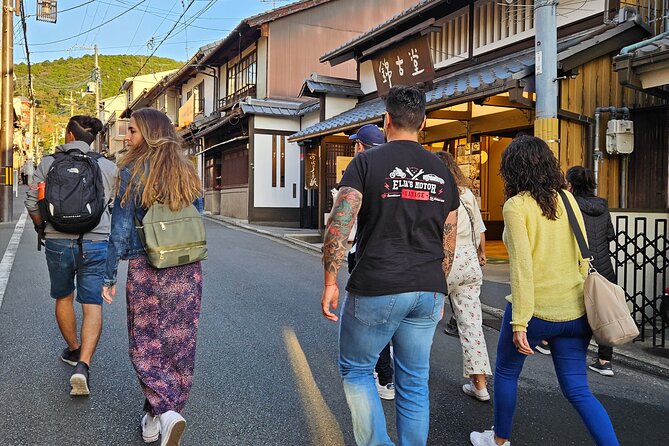
After the temples, the tour shifts into something more relaxed: Ninenzaka and Sannenzaka. These are cobblestone-paved historic lanes lined with preserved wooden buildings and the kind of shops where you’ll see Kyoto crafts and souvenir-style offerings.
The tour gives 15 minutes for Ninenzaka and 15 minutes for Sannenzaka, which is short but realistic. You’re not getting a whole neighborhood experience here; you’re getting a taste that helps you transition from temple intensity to street-life Kyoto. The ending is timed so you can do last-minute shopping and grab a coffee.
Here’s the practical reason this ending works: you’re already on foot near the temple area, so you finish in the place most people want to linger anyway. The tour ends on the shopping street, so you’re not stuck back at a station with nowhere to go.
If you want to shop, a smart move is to decide what kind of purchase you want before you arrive. In areas like these, it’s easy to wander into shop-to-shop comparison mode and lose your focus. Even with only about 30 minutes total across both streets, you can still pick up something small and meaningful if you go with intention.


Price and value: what $30 covers (and what it doesn’t)

Let’s talk money with your feet on the ground. At $30 per person, you’re paying for a guided walking tour plus admission tickets for the shrine and temple stops. That matters because temple and shrine entry can add up quickly across multiple sites, and a lot of Kyoto planning problems start with “which costs are included?”
For this tour, the included parts are straightforward:
- Certified guide
- Tickets to temples (Fushimi Inari-taisha and Kiyomizu-dera)
- Walking tour experience covering the main stops
The not-included parts are also clear:
- Private transportation
- Transportation fees
So the value depends on how you plan to get to Kyoto Station and how you handle any onward travel that might be required. If you’re already comfortable using public transportation, this tour can feel like a bargain because your biggest costs—admission and guide time—are covered.
Who benefits most? People who don’t want to spend time building an itinerary from scratch, and who want a guide to help them understand what they’re seeing. If you’re traveling alone and worried about navigation, you’ll likely feel the value quickly.
The guide difference: how explanation and pace shape your day

A big part of any guided temple tour is the guide. Even when the stops are the same, the experience can feel different depending on how someone tells the story and how they manage pacing.
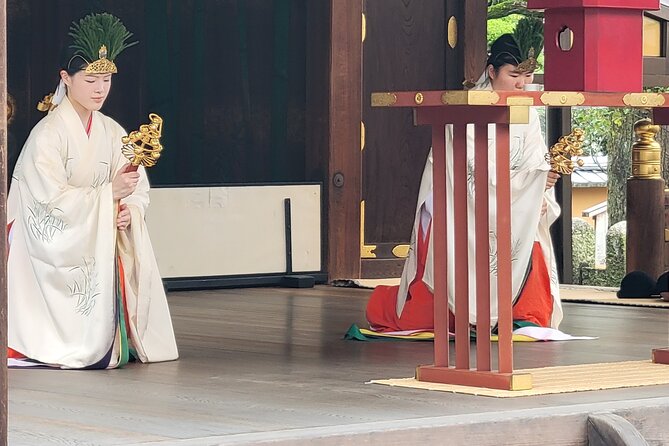
On this route, guides have been praised for covering mythology and history in a way that makes the sites easier to understand. Robert is one example mentioned for explaining history and mythology, and another guide—Andrea from Colombia—was noted for a strong overall visit experience, including how the route helped explain the two main religions in Japan. Joanes and Ricardo were also highlighted for being patient, explaining the temples clearly, and even guiding a small ritual-style moment during the visit.
So what does that mean for you? It means this tour is strongest if you like getting context rather than just checking boxes. If you prefer silent wandering, you might feel a little constrained by group timing. But if you enjoy hearing why people pray at a place like Inari and what the sacred-water theme means at Kiyomizu-dera, you’ll probably feel the tour “click.”
Pace also matters. With a total duration of about 3 hours, the guide has to keep the group moving. A good guide can make that feel relaxed. A weaker one can make it feel rushed. If your travel style is slow and photo-first, plan to bring the mindset of quick stops and deeper reading later.
Logistics to watch: weather, crowding, and last-minute changes
This experience requires good weather. That’s not just “nice to have.” Kyoto walks can get uncomfortable if it rains, and temple areas can become slick. If the weather turns, you’ll likely be offered a different date or a full refund rather than forcing the tour in bad conditions.
Crowds are another factor. Inari and Kiyomizu-dera are two of the busiest Kyoto stops, and even with a guide, you should expect people in front of you at the most photogenic moments. The good news is that these sites are designed for steady foot traffic. The torii-gate path and temple grounds keep you moving, so the crowd energy doesn’t always feel chaotic.
Finally, take note of operational risk. The tour has had reports of a guide delay leading to cancellation shortly before start time, and another report about added costs during a changed plan. I’m not saying you should expect problems. I am saying it’s smart to keep a little flexibility in your schedule—especially if you’re only in Kyoto for a short window.
Who should book this tour, and who might pass
This tour is a good match if you:
- Want a 3-hour Kyoto hit list that includes both major temple/sanctuary stops and a classic street walk
- Like learning how religion and belief show up in everyday rituals and site design
- Prefer a fixed route with tickets included, so you can keep your planning simple
- Are okay with public-transport style travel since private transportation isn’t included
You might consider a different format if you:
- Want a slower, more flexible day with longer temple time
- Need lots of downtime between stops
- Are sensitive to crowds and tight timing at the end of the tour
It also helps if you enjoy the “two religions in one afternoon” idea. The route naturally pairs a Shinto shrine with a temple site presentation centered on sacred water and tradition, which makes it easier to understand how Kyoto’s spiritual life works in different forms.
Should you book Sacred Treasure Fushimi Inari and Kiyomizu Dera?
If your goal is a high-value, well-timed introduction to Kyoto’s spirituality plus the old-street finish, I’d say this tour is worth a look. The strongest reason is practical: you get guide time and admission included while the schedule stays compact enough to fit into many itineraries.
I’d book it with two caveats in mind. First, choose a day with good weather and a flexible plan around it. Second, know that group tours can have occasional hiccups, including the need to adjust plans and handle costs correctly if something goes off-script.
If that sounds acceptable, you’re likely to love the experience: the torii-gate atmosphere at Inari, the iconic stage and sacred-water focus at Kiyomizu-dera, and the payoff of ending on the Ninenzaka/Sannenzaka streets where you can keep exploring on your own.
FAQ
How long is the Sacred Treasure Fushimi Inari and Kiyomizu Dera tour?
The tour lasts about 3 hours.
What’s included in the price?
A certified guide, tickets to the temples, and the walking tour experience are included.
Are temple admission tickets included?
Yes. Admission tickets are included for Fushimi Inari-taisha and Kiyomizu-dera.
Where does the tour start?
It starts at Kyoto Station, at Kyoto Station Higashishiokoji Kamadonocho, Shimogyo Ward, Kyoto.
Where does the tour end?
The tour ends near Kiyomizu-dera and finishes on the shopping street of Ninenzaka and Sannenzaka.
Is transportation included?
No. Private transportation and transportation fees are not included.
Do I get a mobile ticket?
Yes, the tour uses a mobile ticket.
How big is the group?
The tour can have a maximum of 50 travelers.
Is the tour dependent on weather?
Yes. It requires good weather, and if canceled due to poor weather, you’ll be offered a different date or a full refund.
What is the cancellation policy?
You can cancel up to 24 hours in advance for a full refund.
How far in advance do people usually book?
On average, this tour is booked about 19 days in advance.