REVIEW · KYOTO
Kyoto: Fully customizable your own tour in the old capital
Book on GetYourGuide →Operated by norinori tours · Bookable on GetYourGuide
Kyoto feels like yours when the route is yours. This private, fully customizable tour lets you mix classic Kyoto stops with quieter picks based on what you actually want to see. I love the custom route that adapts to your interests, not some rigid checklist. I also love the guide experience—Nori’s English is clear, and he brings real local know-how so the day moves smoothly.
The tour is built around your timing and your vibe. You’ll get hotel pickup, then hop by public transport and short walks to the places you choose—temples, shrines, markets, and even time for food and shopping. One possible drawback: expect extra costs on the spot for entrance fees, public transport charges, and lunch for the guide.
If you want Kyoto without the stress of planning, this is a strong way to do it. You’ll cover a lot in 8 hours, but you also get choices—so the day doesn’t feel like sprinting through sightseeing boxes.
In This Review
- Key highlights to know before you go
- How the customized Kyoto day really works (pickup to drop-off)
- Paying for icons like Kinkaku-ji and Fushimi Inari the smart way
- Arashiyama, Kiyomizudera, and Gion: choosing your Kyoto mood
- Ryoanji, Daitokuji, and Nijo Castle: temples with room to breathe
- Food stops in Kyoto: ramen, udon, soba, yudofu, and kaiseki
- Shopping and markets: Nishiki Market and traditional items
- Nori’s guide style: why communication changes the whole day
- Price and logistics: what $365 covers and what to budget for
- Who should book this private Kyoto tour (and who might skip it)
- Should you book? My honest take
- FAQ
- Where are the pickup and drop-off locations?
- What’s included in the tour price?
- What costs are not included?
- How long is the tour?
- What language is the guide?
- Is the tour suitable for kids or older adults?
Key highlights to know before you go
- Route built around your interests: major icons are possible, but so are smaller, less crowded stops.
- Nori’s communication really matters: clear English plus practical advice so you don’t waste time.
- More than temples: the plan can include places to eat, drink, and shop for traditional items.
- Short walking chunks, big payoff: public transport legs are followed by focused on-foot time.
- Two pickup and two drop-off options: Shijō Station or Kyoto Station help you match your hotel location.
- You’ll pay some things separately: entrances, local transport, and the guide’s lunch cost are on you.
How the customized Kyoto day really works (pickup to drop-off)
This tour is private, which matters more than people think. You’re not sharing the pace with strangers who want to stand in the exact same photo spot for 20 minutes. Instead, you and the guide build the route together—then you follow it, step by step, for about 8 hours.
It starts with pickup. You have two options for where the tour can begin: Shijō Station or Kyoto Station. If you’re staying elsewhere, you can also be picked up at your hotel or another place you agree on. Either way, the benefit is the same: you don’t have to coordinate trains and transfers right away—Kyoto planning stress gets pushed onto someone who does this for a living.
Then the day moves in practical chunks. You’ll use public transport for about three stretches of roughly 30 minutes each. After that, you’ll get short on-foot periods of about 20 minutes each. This structure is useful because Kyoto is a place where walking is often slower than you expect—stairs, crowds around famous gates, and detours. With short walking blocks, you can see and appreciate what’s in front of you without feeling like you’re constantly late.
At the end, you return to one of the two drop-off options: Kyoto Station or Shijō Station (or wherever you choose, as long as it works with the plan). That flexibility helps if you want to continue shopping, grab dinner, or head to your next reservation.
If you’re the type who likes to steer the day—temple heavy, food heavy, shopping heavy, or “show me what locals do”—this format gives you that control.
You can also read our reviews of more tours and experiences in Kyoto.

Paying for icons like Kinkaku-ji and Fushimi Inari the smart way
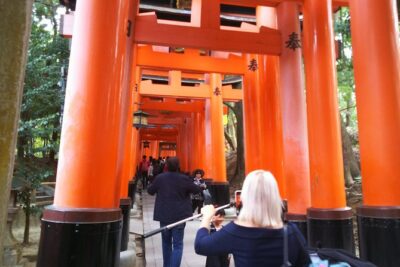
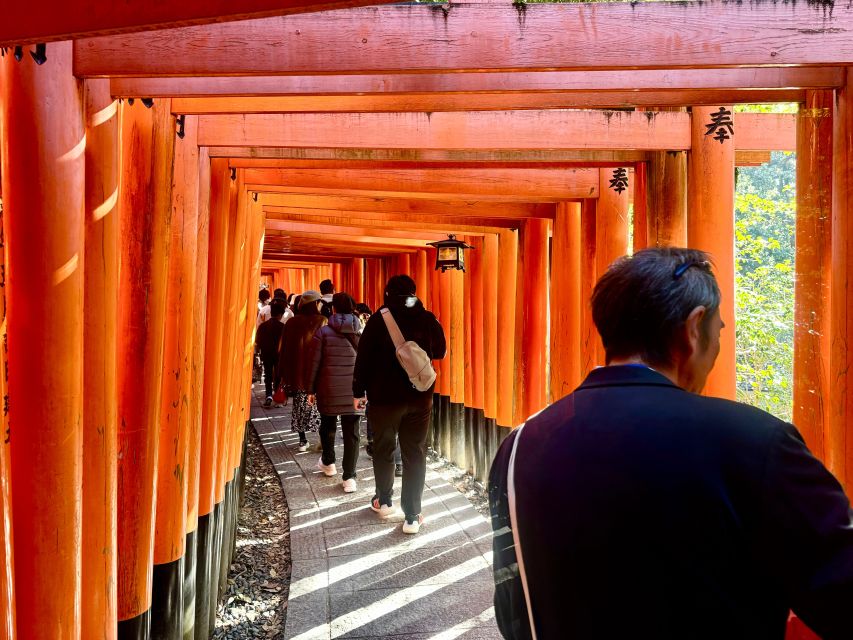
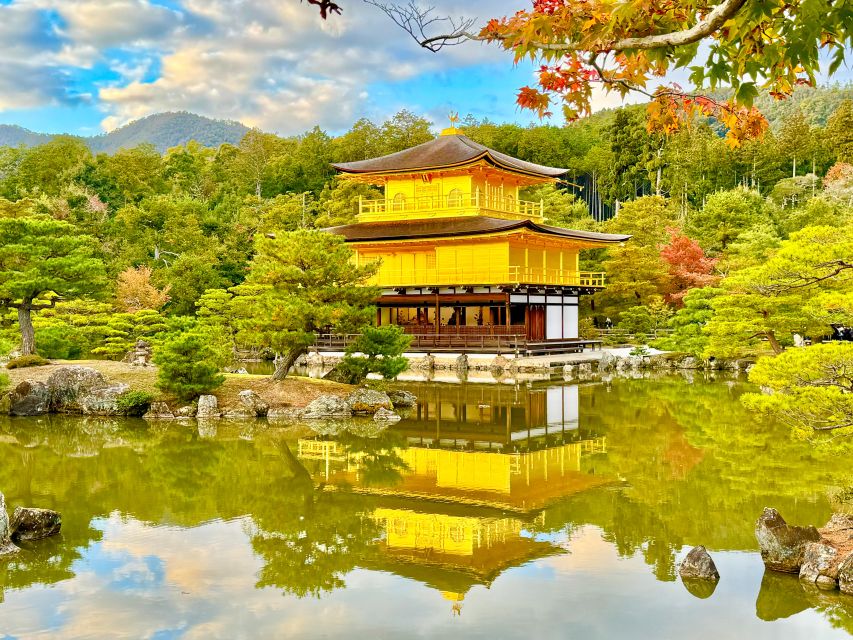
Kyoto’s most famous sights can be overwhelming if you don’t have a plan. The good news here is that you can include major hits like the Golden Pavilion (Kinkaku-ji) and Fushimi Inari—but the tour is customizable, so you’re not forced into a one-size-fits-all route.
Here’s how that helps you in real life. If you pick Kyoto’s big names as your priority, you’ll still get structure: you’ll move efficiently between stops and get the guide’s help understanding what you’re looking at. On the ground, it’s easy to feel like you’re just taking photos. With a guide, you can focus on the cues—views from the right angle, what to notice in shrine/temple layouts, and how to time your visit so you don’t spend the whole day stuck in bottlenecks.
Also, don’t overlook the “in-between” value. Even when the main targets are iconic, the best moments often happen nearby: the smaller streets leading to a gate, the local shops around a station, and the food stops that don’t make it into generic day-trip itineraries. This tour is explicitly built to include those practical extras.
One consideration: entrance and facility fees are not included, and some temples can require paid entry. The tour lists an approximate temple entrance fee around 500 yen, but the actual total depends on which places you choose. So if you’re trying to keep your budget tight, decide in advance how many paid sites you want versus a more outdoor-and-street-focused day.
Arashiyama, Kiyomizudera, and Gion: choosing your Kyoto mood
Kyoto has a way of changing tone block to block. One street feels like old Japan; the next feels like a modern city. What you want from the day should drive where you go next—and that’s where customization pays off.
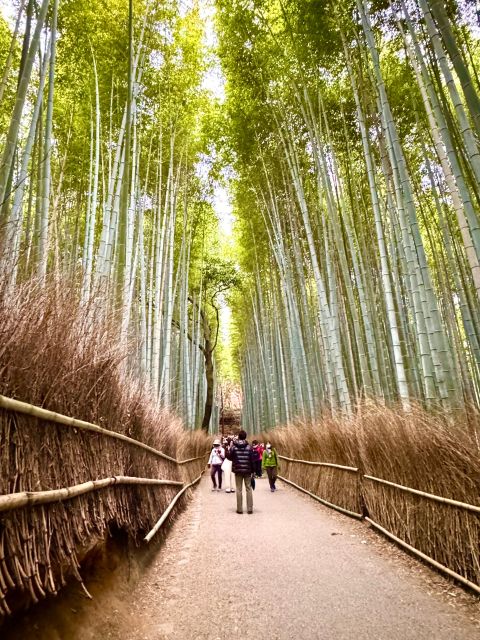
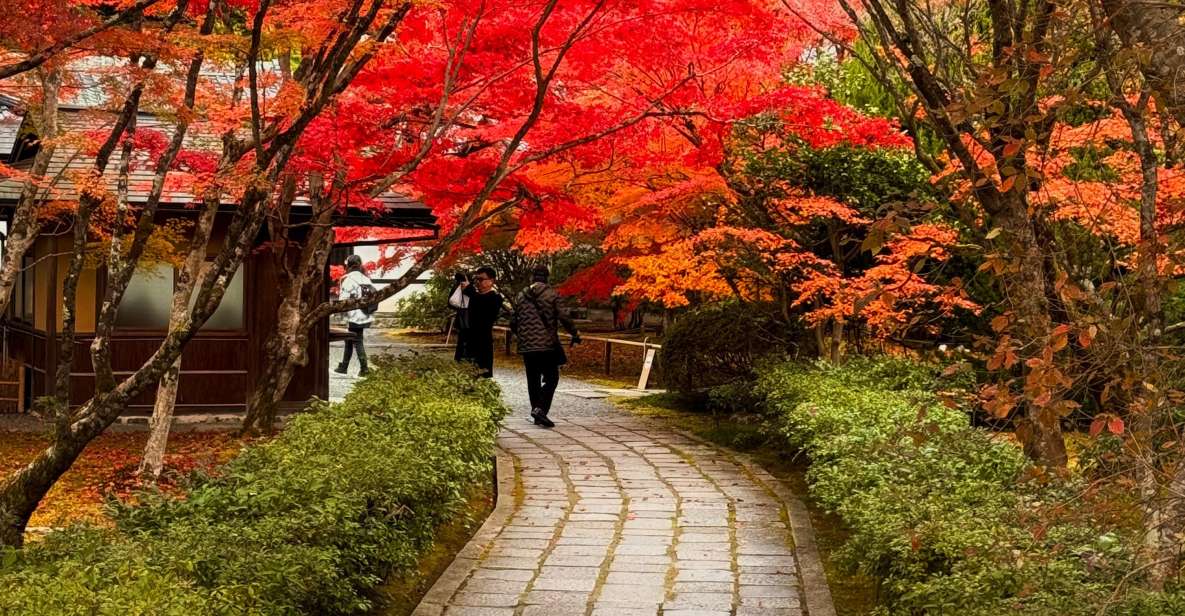
Stops you can build into your route include Arashiyama, Kiyomizudera, and Gion. Each one has a different “feel”:
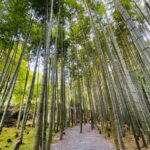
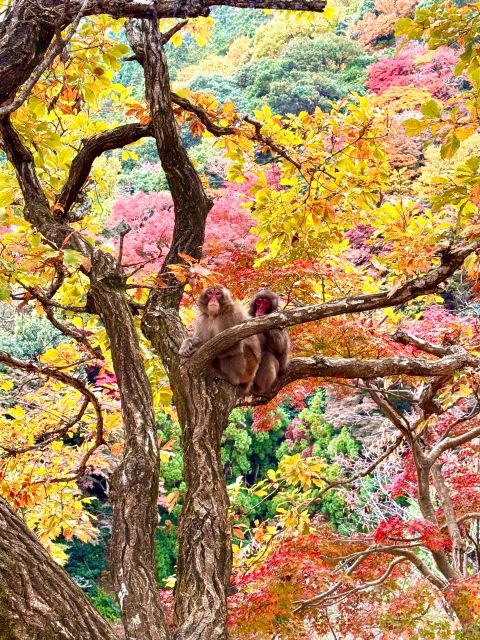
- Arashiyama is often chosen for atmosphere and scenery, and it’s a good pick if you want a break from temple crowds without abandoning the Kyoto vibe.
- Kiyomizudera is a classic temple stop people plan around for a reason—you’ll likely spend time on foot where the views and temple grounds do the talking.
- Gion is where Kyoto leans into streetscape, tradition, and the feeling of an older entertainment district.
Because the tour day is built from public transport legs plus shorter walking periods, you can balance “big destination time” with “walk-and-notice time.” That helps if you’re someone who likes to slow down occasionally rather than rushing through everything.
You can also choose how classic versus quiet your route feels. The tour promises not just major places; it includes the option to reach smaller, less crowded sites based on preferences. That matters because Kyoto’s busiest areas can drain your energy quickly. When you avoid the worst crush, you get to appreciate what you came for.
Food and shopping work with this mood too. If you choose Gion-related time, you’ll likely want a plan for snacks and traditional items afterward. If you choose Arashiyama, you might want a break that includes something warm or seasonal. The guide will help you shape those decisions.
Ryoanji, Daitokuji, and Nijo Castle: temples with room to breathe
One of the best things you can do in Kyoto is choose a temple day that fits how you want to feel afterward. Not every stop should be a stamp-collecting mission.
The tour can include temple and castle options such as Ryoanji, Daitokuji, and Nijo Castle. These can be great picks if you like the quieter side of Kyoto—places where you can slow down, look closely, and actually take in the setting.
Here’s why adding at least one “temple with breathing room” stop can upgrade your day. Famous shrines and gates can be visually intense. Then you arrive at a calmer site and you suddenly notice details you missed earlier: the layout, the way the grounds guide you, and how the architecture frames views.
The tour’s structure supports that. You’ll get time on foot in short, focused bursts. That’s helpful because Kyoto temple areas often require patience—lining up, moving between sections, and reading what’s in front of you. A guide can also reduce friction by pointing out what you should prioritize during those walks.
The tradeoff is that paid entry sites can add cost. Since entrance fees are not included, the total you pay on-site will depend on your temple/castle selection. If you want a higher concentration of paid interiors, factor that into your budget before you decide.
Food stops in Kyoto: ramen, udon, soba, yudofu, and kaiseki
If you want Kyoto to feel like a real day—not a sightseeing list—food has to be part of the plan. This tour explicitly includes it. The guide will ask your preferences, and you can have lunch at a place you choose.
You can build food options like ramen, udon, soba, tonkatsu, yudofu, or even traditional kaiseki style dining into your day. The best part is that you’re not stuck with one “default” lunch. If you want comfort food, you can choose it. If you want something more formal, you can plan for that too.
Practical tip: lunch cost for the guide is paid by the guests at the site. That’s one of the reasons you’ll see “not included” listed for lunch. It’s not a dealbreaker, but it’s worth understanding so you don’t get surprised at check-out.
Also, bring enough cash in Japanese yen. Some smaller stores and meal spots may not accept credit cards. Kyoto still has plenty of places where cash is the fastest path.
Food timing also affects comfort. Because your day includes public transport legs and short walking blocks, lunch acts like a reset. It gives you a place to recharge before the next temple, shrine, or market stop.
Shopping and markets: Nishiki Market and traditional items
Kyoto shopping can be fun, but it’s easy to wander in the wrong direction. This tour can include places to shop for traditional Japanese items, plus market time such as Nishiki Market.
Markets are a great match for the tour’s pacing. Nishiki-style areas let you browse quickly, snack cheaply, and pick up small gifts without needing a big time commitment. That works well when you’re trying to fit a lot into 8 hours without feeling like your feet are negotiating with gravity.
The guide can also steer you toward what’s worth your money and what’s more “tourist souvenir” than meaningful purchase. And since this is a private tour, you can choose how long you shop—10 minutes or 60 minutes—depending on your energy and interests.
One more practical detail: traditional items can be easy to buy and tricky to pack. If you plan to bring home ceramics, textiles, or delicate goods, think about how you’ll carry them back. Comfortable shoes help, but so does planning for bags and weight.
Nori’s guide style: why communication changes the whole day
The tour’s quality doesn’t just come from the places—it comes from how the day is handled. This is where Nori’s role really shows.
Nori has lived in the US, UK, and India for around 20 years and has traveled to about 30 countries. He’s originally from Nagoya and covers areas around Kyoto and the Kansai region, including Shiga and Mie. That background matters because it helps him translate Japan not just with words, but with context: what to expect, how to move around, and what small choices make the day better.
In particular, the guidance you’re likely to value most is flexibility. Weather in Kyoto can change how you’ll want to walk and where you’ll want to spend time. The tour experience includes adapting plans based on conditions, and that kind of real-time advice can save you from a miserable schedule.
You’ll also appreciate the “local friend” vibe described with the guide approach: professional enough to handle logistics, friendly enough to ask questions without feeling awkward. If you’re not sure what to prioritize, you’ll get help choosing.
This tour is available in English and Japanese, and it’s a private group. That combination is ideal if you want confidence in what you’re seeing and why it matters—without drowning in lectures.
Price and logistics: what $365 covers and what to budget for
Let’s talk value in real numbers. The price is $365 per group up to 6 for an 8-hour private tour. That means your cost per person depends on group size:
- If you fill 6 spots, it’s about $61 per person
- If you’re a duo, it’s about $183 per person
What you get for that price is more than just “a guide walking with you.” You get the interpreter/guide fee plus hotel pick-up and drop-off. That can remove a big planning headache, especially if you’re not fully comfortable navigating Kyoto’s transit system.
Now the costs not included:
- Entrance fees for temples and other facilities
- Transportation fees for the guide (you’ll need to cover those locally at the site)
- Lunch fee for the guide
If you’re building a route with lots of paid interiors—castle, multiple temples, and attractions—your on-site spending will add up. But if you focus on a mix of outdoor shrine areas and a smaller number of paid sites, you can keep it manageable.
Also consider the “bring cash” reality. Budget time and cash for snacks, small purchases, and meals.
Finally, think about shoe comfort. Kyoto days punish bad footwear. The tour specifically advises comfortable shoes, and I agree. You’ll be walking during the on-foot portions, plus you’ll likely do extra strolling around markets or shrine approaches.
Who should book this private Kyoto tour (and who might skip it)
This tour fits best if you want a Kyoto day that’s not cookie-cutter. You’ll probably love it if you:
- want major Kyoto sights like Kinkaku-ji and Fushimi Inari, but also want room for lesser-known stops
- care about food and shopping as much as temples
- prefer private pacing with a guide who can adapt the route
It may not be ideal if you’re traveling with people outside the stated fit. The tour is noted as not suitable for:
- children under 10
- pregnant women
- people over 70
That doesn’t mean Kyoto is off-limits. It just means this specific tour setup—walking plus public transport time and the on-foot segments—might not match those needs.
If you’re trying to maximize your time in Kyoto but hate the stress of planning, this is one of the better ways to buy confidence. Instead of guessing between locations and transit options, you get a plan built for your priorities.
Should you book? My honest take
Book this tour if you want Kyoto with control. The customization is the main attraction, and it’s backed up by a guide who can communicate well and adjust when conditions change. If you’re excited by the idea of choosing between big classics and calmer corners, you’ll feel the payoff fast.
Skip it if you only want a self-guided checklist. If you don’t care about food stops, shopping time, or route flexibility, a self-planned day might be enough. Also, remember you’ll pay entrance fees and local costs on-site, so your final spending depends on your chosen stops.
If your goal is a thoughtful, well-paced Kyoto day—one that includes temples and the everyday stuff—this private tour is a strong booking.
FAQ
Where are the pickup and drop-off locations?
Pickup can be arranged at Shijō Station or Kyoto Station (and hotel pickup is also possible). Drop-off can be at Kyoto Station or Shijō Station.
What’s included in the tour price?
The price includes the interpreter/guide fee and hotel pick-up and drop-off.
What costs are not included?
You’ll pay entrance fees, local transportation fees (including transport for the guide), and lunch fees for the guide at the site.
How long is the tour?
The tour lasts 8 hours. Starting times depend on availability.
What language is the guide?
The guide offers English and Japanese.
Is the tour suitable for kids or older adults?
The tour is not suitable for children under 10, pregnant women, or people over 70.