REVIEW · KYOTO
Kyoto: Try Nishijin Weaving in the Oldest Geisha District
Book on GetYourGuide →Operated by DeepExperience, Inc. · Bookable on GetYourGuide
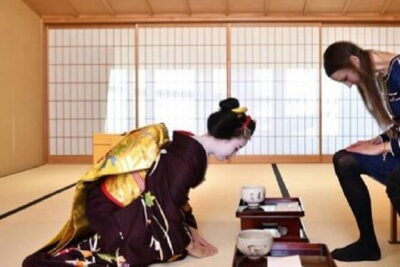
Time turns soft in Kamishichiken. This 3-hour experience pairs a guided look at Kyoto’s oldest hanamachi with an actual Nishijin weaving session that ends with you making your own textile. I love how the tour connects the Kamishichiken streets to the culture that built them, not just the visual postcard view.
What you should watch for is that the weaving class is the main event, and part of the tour happens outside around Kitano Tenmangū—so if you’re not into hands-on crafts or you hate getting a little cold, plan accordingly.
In This Review
- Key things to know before you go
- Why Kamishichiken Matters: Kyoto’s Oldest Hanamachi
- Start at Kitano Tenmangū: Guardian Shrine and Seasonal Scenery
- Hands-On Nishijin Weaving: Tsuzure-ori in a Real Workshop
- The 400-Meter Stroll Through Geiko and Maiko Streets
- Guides and Craft Teachers: Names I’d Follow Again
- Cost and Value at $131 for 3 Hours
- Practical Tips: Staying Comfortable and Getting the Most Out of It
- Should You Book This Nishijin Weaving and Kamishichiken Tour?
- FAQ
- Where do I meet the guide?
- How long is the tour?
- What languages is the tour offered in?
- What’s included in the price?
- What do we do at Kitano Tenmangū Shrine?
- What weaving technique will I learn?
- How long is the weaving class?
- Is there a guided tour of Kamishichiken too?
- Is dango tasting included?
Key things to know before you go
- Start at Kitano Tenmangū Shrine and learn how it shaped the creation of Kamishichiken
- Try Tsuzure-ori weaving using the traditional Nishijin technique in a real workshop
- Make a one-of-a-kind textile item chosen from the available selection
- Stroll a short historic stretch of Kamishichiken townhouses with traditional latticework
- Follow local connections to geiko and maiko through a guided walk
Why Kamishichiken Matters: Kyoto’s Oldest Hanamachi
Kamishichiken is Kyoto’s oldest hanamachi, which matters because it’s not just “where geiko and maiko live.” It’s where the neighborhood’s rules, rhythms, and traditions grew over time—and you can still feel that structure in the townscape.
On this tour, you’re guided through that atmosphere with context. Instead of treating the streets like a theme park, you get explanations for why the area looks the way it does and how it functioned. I like that the pace is calm: you don’t rush through photo stops. You get a sense of what the district is meant to preserve.
Also, the walk is short—about a 400-meter stretch—so you can enjoy it without turning it into a full-day endurance event. If your Kyoto plan is already packed, this is a strong option because it’s focused.
You can also read our reviews of more tours and experiences in Kyoto.


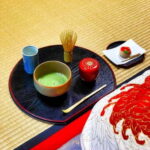
Start at Kitano Tenmangū: Guardian Shrine and Seasonal Scenery
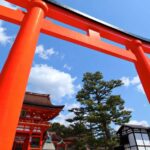
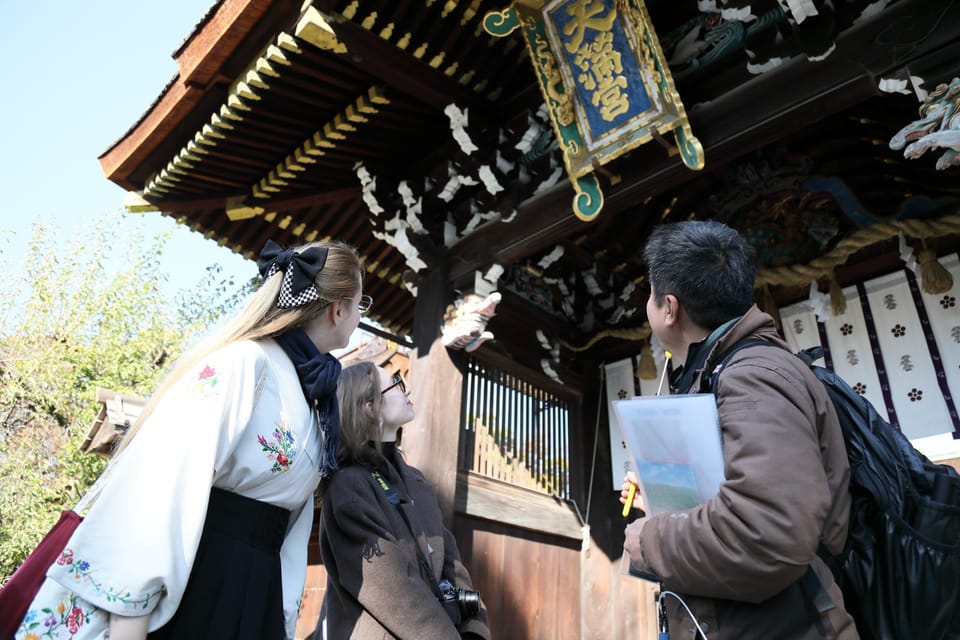
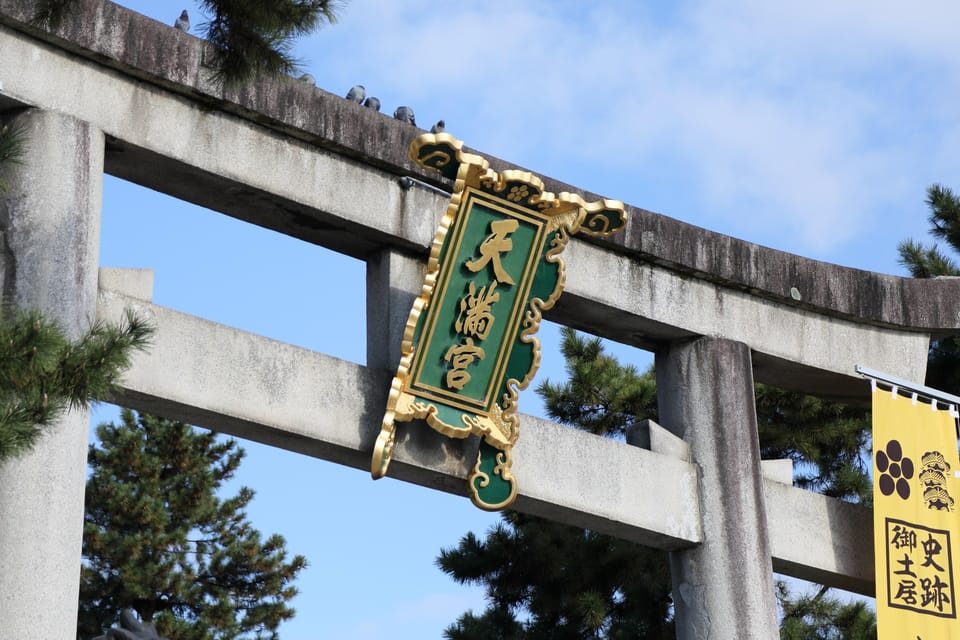
The tour starts at Kitano Tenmangū Shrine, right in front of the first grand torii gate. Your guide will be holding a yellow DeepExperience logo sign, which makes it easy to spot the start point.
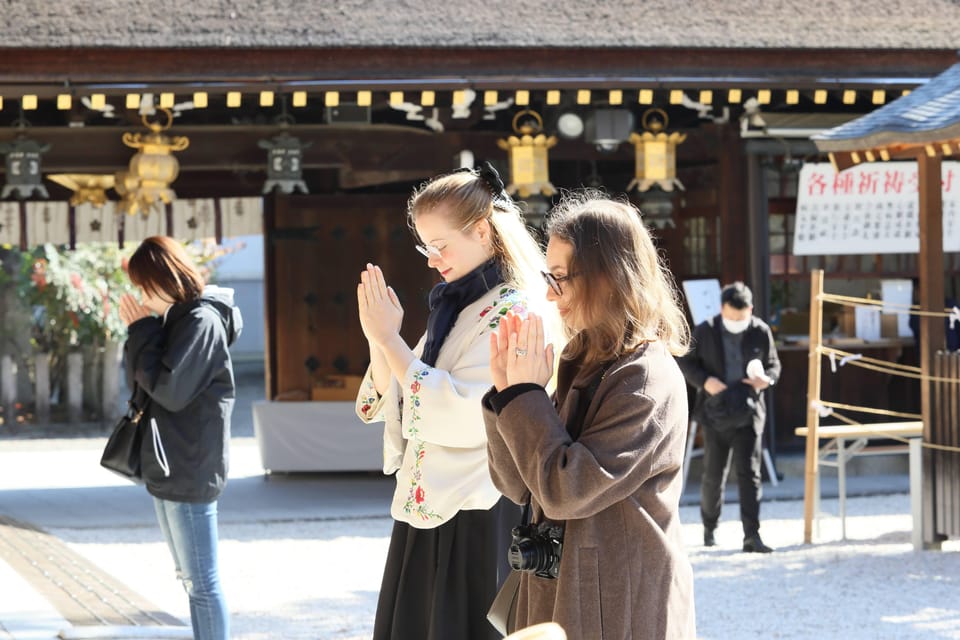
This isn’t a quick photo-and-go shrine stop. You spend around 30 minutes on a guided visit, and you learn how the shrine connects to the district’s origins—specifically, how Kitano Tenmangū’s role is tied to the creation of Kamishichiken. You’ll also get a chance to pay your respects at the shrine.
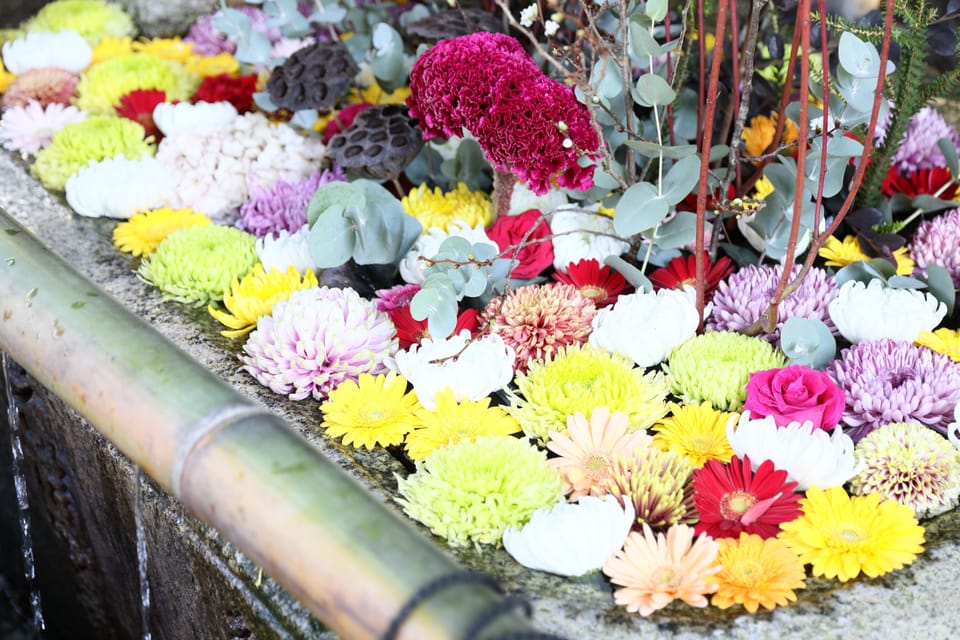
One of the most appealing parts here is the seasonal scenery on the shrine grounds. The tour keeps it simple: you’re there long enough to notice details that tend to get missed when you only pass through on your own.
What I’d consider as a practical note: shrines can be calm but windy and cool in bad weather. In one review, a cold, rainy day actually added charm to the scene. If you want that “quiet Kyoto” mood, lean into it; if not, dress for the conditions.
Hands-On Nishijin Weaving: Tsuzure-ori in a Real Workshop
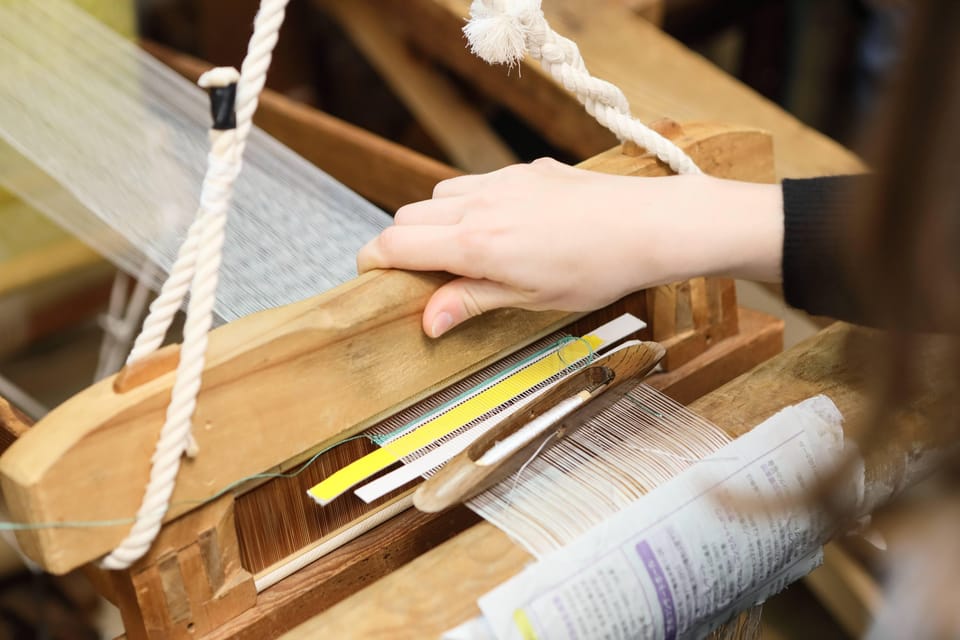
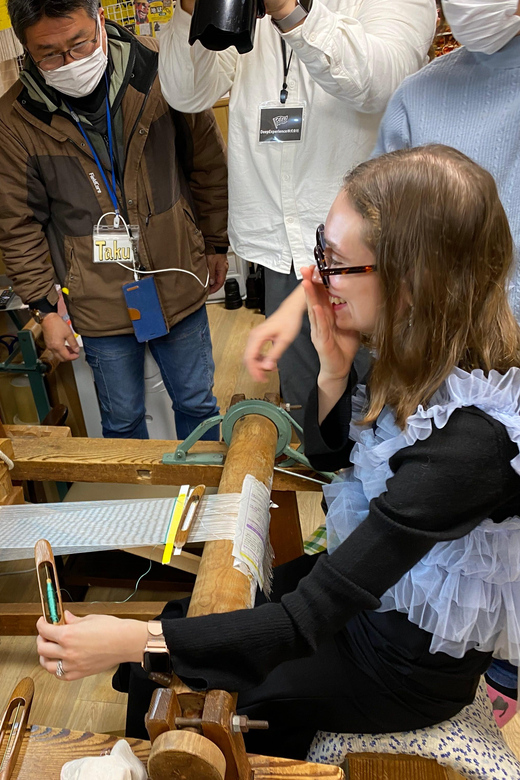
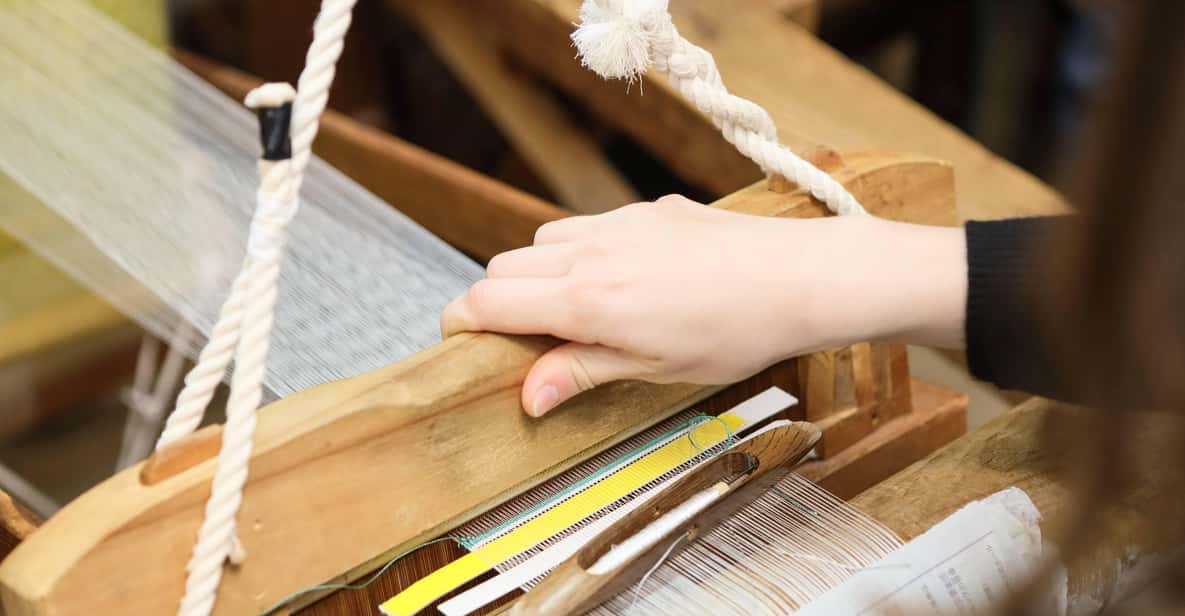
This is the heart of the experience: the Nishijin weaving class. You’ll learn the basics of Tsuzure-ori, described as a 4000-years-old patterned textile and the oldest Nishijin textile technique.
You’re not just watching. You get to make something yourself using traditional techniques, under the guidance of a master weaver in a real workshop. That matters because Nishijin weaving isn’t only about craft—it’s about process. When your hands are doing the work, the technique sticks.
The class runs about 1.5 hours. During that time, you choose an item from the available selection and create a one-of-a-kind work of art. Your instructor helps you as you go, and you get that rare feeling of making something that isn’t mass-produced or purely decorative.
Two details from real participant feedback really stand out:
- The master weaver was warm, humorous, and patient (which is exactly what you want when you’re trying to learn a technique with unfamiliar steps).
- People who are into fiber arts came away calling it a must-do on their trip, because the instruction felt genuine rather than a rushed “try it once” demo.
If you’re hoping for a serious craft lesson, you’ll likely be pleased. If you only want sightseeing, you might find yourself wishing the walking part were longer. For me, the weaving is what makes this tour worth paying for.
The 400-Meter Stroll Through Geiko and Maiko Streets
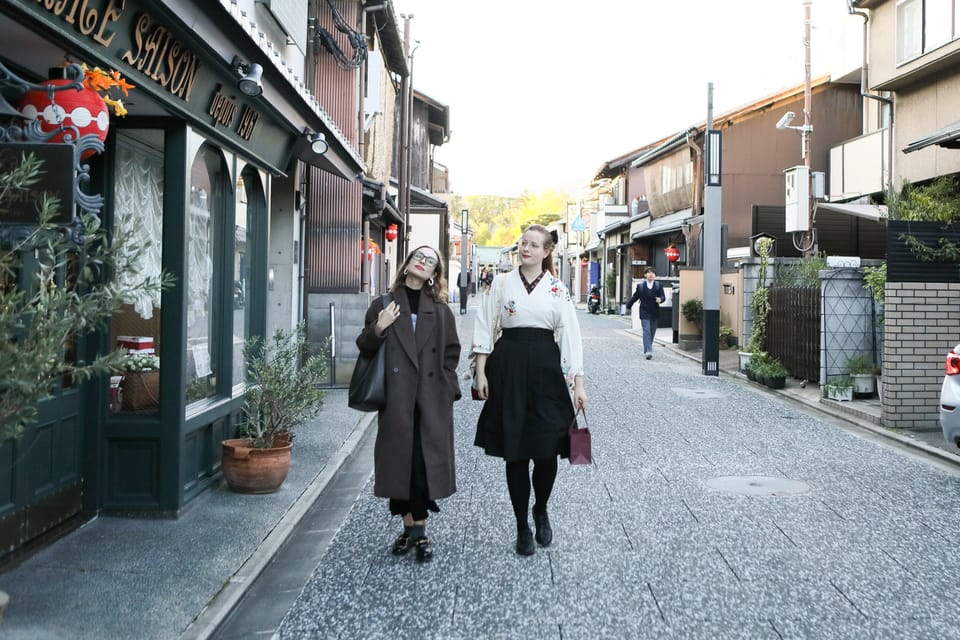
After the workshop, you get a guided stroll through Kamishichiken for about 30 minutes. This portion is designed to show you the district’s preserved townscape: traditional latticework-lined townhouses and street corners that look the way you imagine older Kyoto should look.
The guide also points out places associated with local geiko and maiko. That’s the key difference between just walking and actually understanding what you’re seeing. You’re learning what to look for and why those connections matter.
The tour mentions that this stroll is a tranquil way to experience Kamishichiken away from crowds, and that matches the overall tone of the day. It’s not a marathon of stops. It’s a short walk with meaning.
A quick consideration: because it’s a neighborhood with narrow streets and townhouses, you’ll want comfortable shoes. It’s not described as a long hike, but you will be walking on sidewalks and along a compact district.
Guides and Craft Teachers: Names I’d Follow Again
Part of what makes this experience feel special is the human layer—how the guide and the craft teacher interact.
In one review, Kanako San was praised as kind and friendly, with a natural, warm way of relating to the group. Another reviewer highlighted the weaving master, Hirano sensei, as humorous and knowledgeable, with a patient teaching style that made learning feel possible even if you’re a total beginner.
Another participant credited Yayoi-san as a great, informative guide, and even noted that the shrine scenery felt extra charming in cold, rainy weather.
And there’s also a mention of Juraj as a guide/interpreter who was passionate about Japanese culture and daily life. That matters because craft lessons and culture tours work best when the explanation feels alive, not scripted.
You don’t need to be an expert in Kyoto culture to get value here. The guides seem to focus on making the experience understandable and enjoyable, which is exactly what you want when the session includes both cultural context and hands-on technique.


Cost and Value at $131 for 3 Hours
Let’s talk money in a useful way. At $131 per person for about 3 hours, you’re paying for more than “a tour with an instructor.” You’re paying for:
- an expert guide (not just signage explanations)
- a shrine visit portion with interpretation
- a hands-on weaving class (1.5 hours) with instruction from a master weaver
- the chance to make a one-of-a-kind Nishijin item
This is the part many craft tours gloss over: the instruction time and the workshop access. If you’ve ever tried to find a weaving experience on your own, you know it’s not always easy to combine location, entry, and a guided explanation in English.
Also, the tour fits into a short window. That’s real value in Kyoto. You’re not committing to half a day just to get to the activity and then figure out what it means.
There’s one trade-off to keep in mind: because the weaving class is a core component, the budget goes to the craft, not a long list of extra sights. If you’re primarily after scenic walking and architecture, you might decide another city stroll tour fits you better. If you want a Kyoto souvenir that isn’t generic, this gives you a tangible outcome.
Practical Tips: Staying Comfortable and Getting the Most Out of It
Here are the “do this and you’ll be happier” points that match what this tour is set up for.
- Arrive at Kitano Tenmangū early enough to find your guide. The meeting point is in front of the first grand torii gate, and the guide will be holding the yellow DeepExperience sign.
- Dress for the weather. The tour includes a shrine visit and outdoor walking. One review specifically mentioned cold, rainy conditions adding charm, so expect that nature might influence the comfort level.
- Wear comfortable walking shoes. You’ll stroll a short district with preserved streets and townhouses.
- Expect the weaving to take focus. This isn’t a “watch for 10 minutes” activity. You’ll be learning and making throughout the 1.5-hour class.
- Dango tasting may happen, but it’s not guaranteed. It’s described as subject to the store’s availability. If it’s on the route that day, nice bonus; if not, don’t plan your schedule around it.
If you’re the type who buys textiles and wants to understand what you’re holding, this is the kind of class that tends to become a personal favorite.
Should You Book This Nishijin Weaving and Kamishichiken Tour?
I think this is a great booking if you want Kyoto in two forms: culture you can see and craft you can touch. The combination works because Kamishichiken isn’t treated like a stop you sprint through. You learn why the district exists, then you step into the weaving tradition that supports that kind of cultural identity.
Book it if:
- you enjoy hands-on learning more than passive sightseeing
- you like making a real souvenir you can’t easily replicate later
- you’re curious about Nishijin weaving and Tsuzure-ori technique
- you appreciate a guided pace with short, meaningful walking
Skip it if:
- you strongly dislike workshops or you don’t want to do anything with your hands
- you’re looking for a long sightseeing day with many different neighborhoods
If your Kyoto schedule needs a high-quality, compact experience, this one has the right balance: shrine context, serious craft instruction, and a quiet walk through Kyoto’s oldest hanamachi.
FAQ

Where do I meet the guide?
Meet your guide in front of the first grand torii gate of Kitano Tenmangū. The guide will be holding a yellow sign with the DeepExperience logo.
How long is the tour?
The total duration is about 3 hours.
What languages is the tour offered in?
The live tour guide is available in English and Japanese.
What’s included in the price?
The tour includes an expert guide, a visit to Kitano Tenmangū Shrine, and the Nishijin weaving experience.
What do we do at Kitano Tenmangū Shrine?
You visit the shrine on a guided tour for about 30 minutes, pay your respects, and see important cultural assets such as the main worship hall.
What weaving technique will I learn?
You learn the basics of Tsuzure-ori weaving, described as a 4000-years-old patterned textile and the oldest Nishijin textile technique.
How long is the weaving class?
The class lasts about 1.5 hours.
Is there a guided tour of Kamishichiken too?
Yes. You’ll stroll through Kamishichiken with a guide for about 30 minutes and learn about the area, including places associated with local geiko and maiko.
Is dango tasting included?
Dango tasting is mentioned as subject to the store’s availability, so it’s not guaranteed.