REVIEW · KYOTO
Kyoto Early Morning E Biking Tour Fushimi Inari Kiyomizu Temple
Book on Viator →Operated by GuideMe Japan · Bookable on Viator
Kyoto before the crowds changes everything, especially on an e-bike tour. You get a guided, early start that helps you hit the biggest sites with less pushing and shoving, plus you’re not stuck hunting for rentals or wrestling with hills on foot. The visit flow is designed for efficient sightseeing: you’ll pedal between sights, then slow down to take in the temples like Fushimi Inari-taisha, Sanjusangendo, and Kiyomizu-dera with time to actually look.
I like two things most. First, temple admission is included, so you skip a big chunk of the usual hassle. Second, the guide-led storytelling makes the stops more than just photo ops; you learn what you’re looking at as you ride and walk. One thing to consider: one participant reported being charged for temple entries even though free admission was listed, so double-check what your mobile ticket includes and keep your payment method handy just in case.
In This Review
- Key Things I’d Watch Before You Go
- Riding the Kyoto Morning: What This Tour Feels Like
- Price and What You’re Really Buying for $67.41
- Meeting Point: Start Easy, Not Confusing
- The Five-Hour Flow: How the Morning Gets Structured
- Stop 1: Fushimi Inari-taisha and the Torii Gate Maze
- Stop 2: Sanjusangendo and the 1,000 Kannon Statues
- Stop 3: Kiyomizu-dera and the Hilltop City Views
- The Guide Factor: Stories That Turn Sights Into Meaning
- What’s Not Included: Plan Food and Drinks Smart
- Getting Good Photos Without Becoming That Person
- Who This Tour Fits Best
- Weather and Timing: The Real Planning Variable
- Should You Book This Early Morning E-Bike Tour?
- FAQ
- How long is the Kyoto early morning e-bike tour?
- Which stops are included?
- Is the e-bike included?
- Are temple admission fees included?
- Is food included?
- Where do I meet and where does the tour end?
Key Things I’d Watch Before You Go
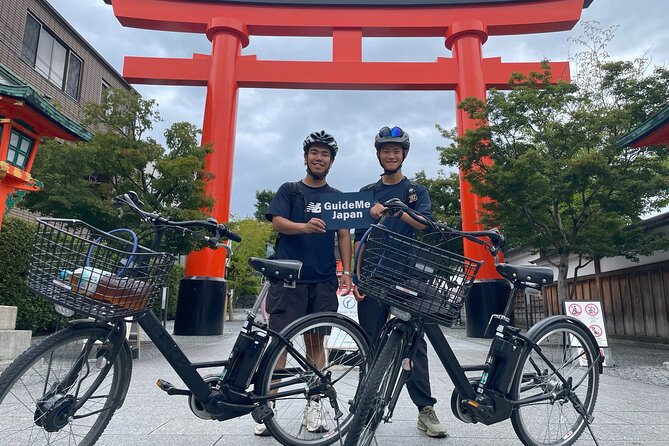
- Early start for smaller crowds at major landmarks when Kyoto is still waking up
- Admission fees included for the temples, which saves time and friction
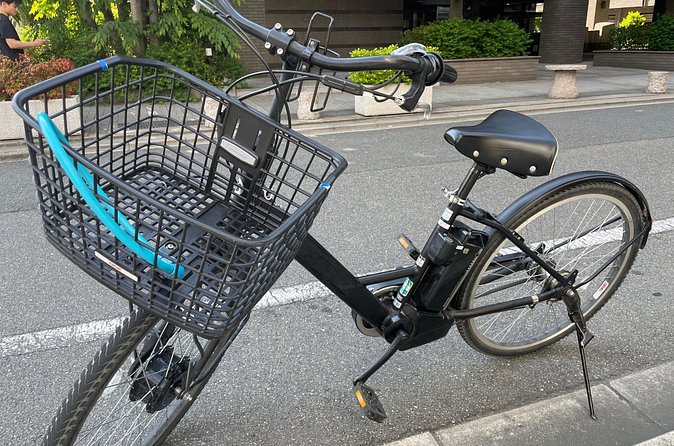
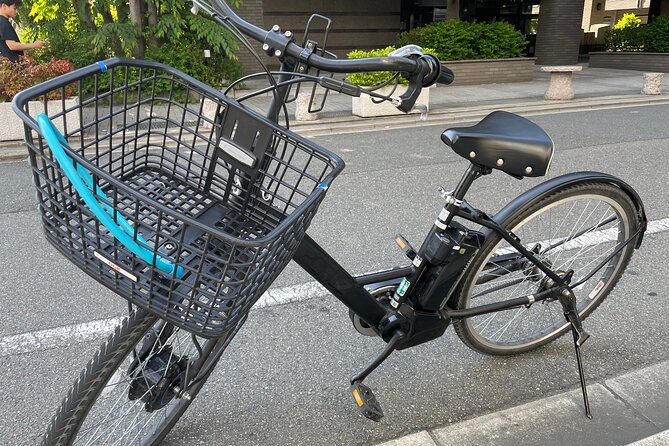
- E-bike provided so hills feel manageable even with only moderate fitness
- Tight group size (max 8) makes it easier to keep together and ask questions
- English-speaking guide who explains what you’re seeing, not just where to stand
Riding the Kyoto Morning: What This Tour Feels Like
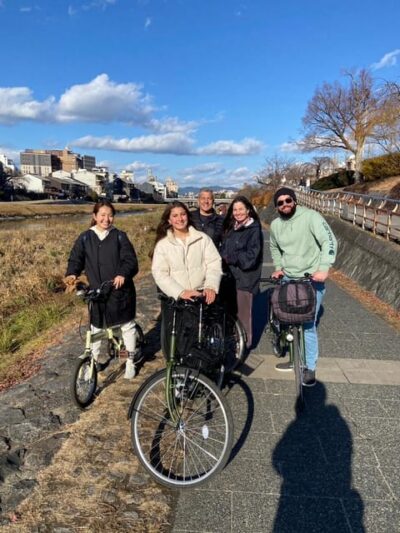
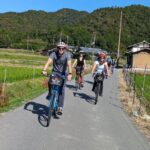
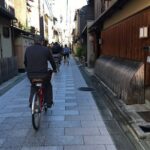
A good Kyoto day is about timing. This one is built around an early start, so you can experience the city’s top sights before peak energy kicks in. Instead of spending your morning stuck in lines or slowed by packed sidewalks, you get to move with intention. The pace feels purposeful: pedal when you can, pause when it matters, and keep your attention on the sights.
E-bikes help you cover distance without turning the day into a marathon. You’re still walking at each stop, but the big climbs and connections between places become far less tiring. That matters in Kyoto, where “just a short walk” often turns into stairs, hills, and long distances once you’re actually there.
One more practical bonus: this uses a mobile ticket, and it runs near public transportation. That means you’re not trying to piece together complicated transfers early in the morning with a group. You start and end at the same point, which is a nice safety net if you’re jet-lagged or just trying to keep your day simple.
You can also read our reviews of more cycling tours in Kyoto
Price and What You’re Really Buying for $67.41
At about $67.41 per person for a roughly 5-hour tour, you’re paying for more than an e-bike ride. You’re also buying guide time, coordination, and (importantly) temple admissions included for the stops on the route. If you tried to build this day yourself, you’d likely pay separately for e-bike rental plus separate entrance fees plus time spent figuring out what ticket line you’re supposed to be in. This package cuts down those “small admin” tasks that quietly chew up your sightseeing hours.
It’s also booked ahead on average (around three weeks in advance). That tells me the schedule is popular, likely because the early timing is the real value. If you want this exact flow at a specific time window, it’s smart to lock it in early rather than hoping for last-minute availability.
Finally, the group limit (up to 8 people) affects value. Smaller groups usually mean less crowding around the guide, fewer stops delayed by people who are still figuring things out, and a better chance of actually hearing explanations while you’re at the front of the group.
Meeting Point: Start Easy, Not Confusing
You meet at the JR-Central Ticket Office, Kyoto Station Shinkansen Hachijo Entrance, at the Kyoto Station area. It’s at the Hachijo side, and it’s listed as being on the first floor. You also return back to the same meeting point when the tour ends, which makes planning the rest of your day much easier.
Since you’re starting near a major transit hub, you can connect this with other Kyoto plans without scrambling across town afterward. That’s a big deal if you’ve got a lunch reservation, a museum visit, or an afternoon that depends on your energy level.
And yes, this tour needs moderate physical fitness. That doesn’t mean you need to be a cyclist. It means you should be comfortable riding an e-bike and doing the walking that goes with temple visits.
The Five-Hour Flow: How the Morning Gets Structured
The route centers on three famous stops, each with about one hour dedicated to the place. That’s a sweet spot: enough time to explore, take photos, and absorb the atmosphere, but not so much time that you lose your morning momentum.
Here’s the rhythm you’ll feel:
- Start with Fushimi Inari-taisha, then move on while the city is still quiet.
- Next, head to Sanjusangendo, where you slow down and look into the details.
- Finish with Kiyomizu-dera, including the views and the dramatic temple setting.
Because you’re doing it in this order, you get variety fast. Gates and crowds-at-a-distance at Inari. Interior art and statue focus at Sanjusangendo. Then open scenery and architecture at Kiyomizu-dera.
Stop 1: Fushimi Inari-taisha and the Torii Gate Maze
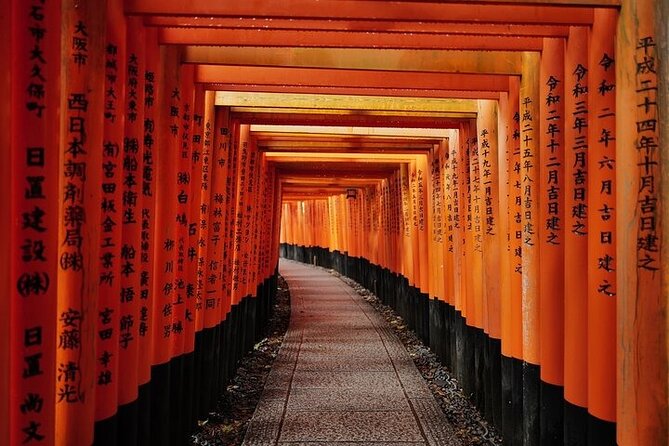
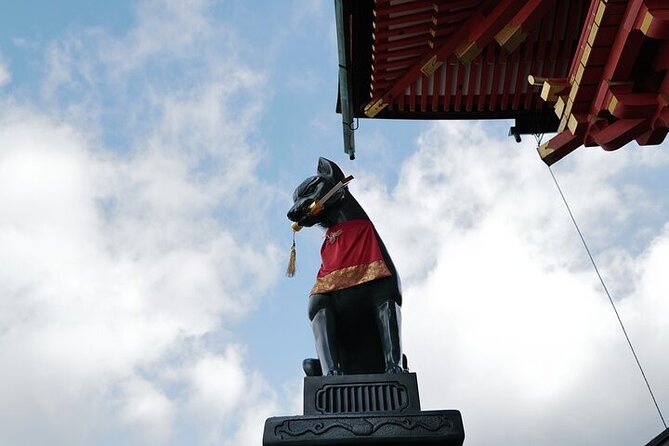
Fushimi Inari-taisha is the kind of place you think you understand—until you’re actually walking under thousands of red torii gates. The scale is the main wow factor. You’re not just seeing a shrine. You’re moving through a corridor made of gates, and the atmosphere shifts as you go deeper.
At this point in the morning, the e-bike timing pays off. You’re not arriving when the area is at its loudest and most crowded, so you can enjoy the rhythm of walking between gates without constant shoulder-to-shoulder contact. It’s also easier to stop, look up, and frame photos without feeling like you’re interrupting everyone else’s trip.
What I love about starting here is that the day’s theme becomes clear early: Kyoto’s iconic places aren’t just landmarks; they’re experiences. The gates give you instant sense of place and a strong visual memory from the first hour.
A practical note: even though you’re on an e-bike, you should expect a decent amount of walking here. Wear shoes you trust on uneven stone and paths, and plan to spend time looking up as much as forward.
You can also read our reviews of more tours and experiences in Kyoto
Stop 2: Sanjusangendo and the 1,000 Kannon Statues
Sanjusangendo is a totally different mood from Inari. Instead of exterior gates, you’re drawn into an interior hall famous for its 1,000 statues of Kannon, the goddess of mercy. The key detail is not just the number—it’s the precision. The statues sit in perfect formation, and you get to see how much care went into the crafting.
This stop is where the guide explanations make a bigger difference than you might expect. When someone points out what you’re looking for—why the arrangement matters, what Kannon represents, and what makes this hall distinct—you get more meaning out of the architecture and the art than you would by scanning quickly.
At around an hour, it’s a comfortable length. You can look from one angle, then circle or adjust your position to notice details you would miss if you rush. This is also a great stop if you want a mental break from outdoor brightness and want something more focused.
One drawback to keep in mind: because the highlights are concentrated, it can feel like time moves fast if you’re the kind of person who needs multiple slow passes to absorb art. If that’s you, plan on taking extra time during the hour for quiet looking, not just photos.
Stop 3: Kiyomizu-dera and the Hilltop City Views
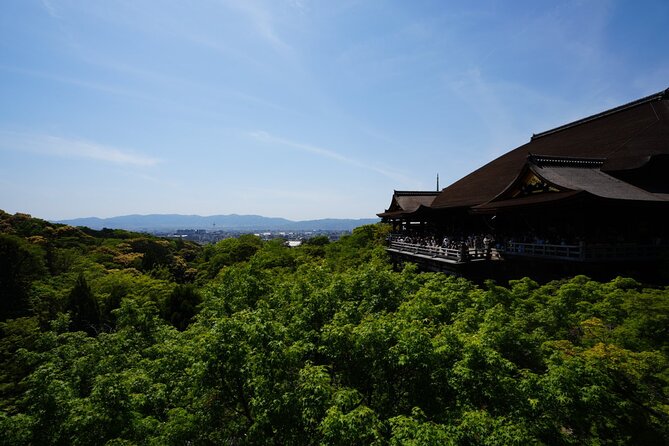
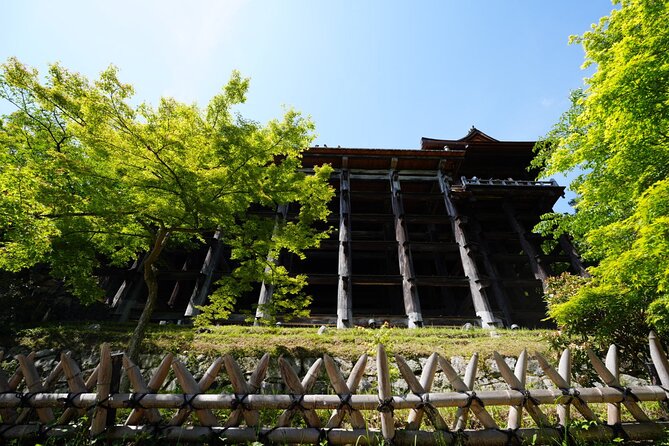
Kiyomizu-dera sits on a hillside, and that location is the whole story. You get architecture that feels anchored to the terrain, plus city and surrounding views that change how the temple feels compared to a flat-ground shrine. The temple’s structure and setting create a stronger sense of drama than you often get elsewhere.
This stop is often the one people remember most, mainly because it blends a few travel pleasures:
- walking through historic temple grounds
- seeing famous architecture up close
- getting that elevated perspective over Kyoto
Since this tour includes temple admission and pairs it with guided context, you’re less likely to feel like you’re standing in the wrong spot, waiting for the next viewpoint to make sense. A good guide helps you connect the structure to the reason it’s famous.
Also, the e-bike role here matters. Even if the hills don’t scare you, arriving rested makes it easier to enjoy Kiyomizu-dera instead of just surviving it. You’ll still want to wear comfortable shoes, but you won’t feel like you had to work hard just to earn the view.
If you get a guide who’s active about photo moments, this is the best place to ask for practical help. One praised guide, named Rin, was noted for being especially good at history at Kiyomizu-dera and also capturing strong photos for the group.
The Guide Factor: Stories That Turn Sights Into Meaning
This tour isn’t just transportation between famous names. The guide’s role is to make the experience click. You’ll get an English-speaking guide who shares stories about the sights as you go, and that changes how you remember the day.
I find this matters most at places where the meaning isn’t obvious at first glance. Fushimi Inari works instantly because the torii gates are visually dramatic. Sanjusangendo needs a bit more context to feel fully rewarding, because it’s about the arrangement and significance of what you’re seeing. Kiyomizu-dera helps you once you understand why the setting and architecture are so important.
If you’re the kind of traveler who likes history, you’ll likely enjoy the way the guide connects details across stops. If you’re not super into history, you can still benefit because the stories often guide your eyes. You learn what to notice before you start guessing.
And if you care about photos, keep your eyes open. Another guide called Hiro was praised for being personable and informative, which usually means the group moves smoothly and questions get answered clearly.
What’s Not Included: Plan Food and Drinks Smart
Food and drinks are not included. That’s pretty standard on half-day tours, but it means you should plan your energy early. If you skip breakfast, you’ll feel it once you start walking at temple stops.
I’d recommend you eat something simple before the meeting time. Bring a water bottle. Kyoto mornings can be cool or mild, but you’ll still cover distance and spend time outside.
Because the tour ends back at the meeting point, you can treat this as a strong early block, then build the rest of your day around a proper meal afterward.
Getting Good Photos Without Becoming That Person
Kyoto mornings can be photo heaven, but the easy path to good pictures is simple: pace yourself. At Inari, look for gate lines and symmetry. At Sanjusangendo, prioritize composition that shows the scale of the interior hall rather than just one statue. At Kiyomizu-dera, shift your angle to include both the temple elements and the view.
A practical tip: if your guide is comfortable with photography, don’t be shy about asking. One guide named Rin was specifically noted for being a great photographer, and in places like these, having a person who knows good spots can turn random shots into keepers fast.
Also, remember this is a guided group. Try to stay aware of the flow so you’re not blocking someone else while you zoom in on one perfect detail.
Who This Tour Fits Best
This e-bike tour is a great match if you:
- want to see Kyoto’s top sights before the biggest crowd waves
- prefer having the logistics handled, including admission fees
- like learning from a guide while you move around
- can handle moderate walking at each temple stop
It may be less ideal if you:
- want a very slow, self-led day with lots of free wandering time
- have limited comfort with riding an e-bike for a few stretches
- dislike group pacing and prefer total independence
The small group size (max 8) helps, though. You get a guided structure without the large-tour chaos.
Weather and Timing: The Real Planning Variable
This experience requires good weather. Kyoto can be unpredictable, especially with early starts. If conditions are poor, you should expect a change of date or a full refund, but the key point is that weather can affect whether you get this exact morning.
When you’re booking, think about your trip flexibility. If you have only one morning in Kyoto that’s truly free, you’re taking on more risk. If you have a couple options, you can pivot more easily if the schedule shifts.
Should You Book This Early Morning E-Bike Tour?
Yes, book it if you want an efficient, meaningful Kyoto morning without getting crushed by crowds. The combination of an e-bike, an English-speaking guide, and included temple admissions makes the day feel lighter than DIY planning. You also get a tight route across Kyoto’s most recognizable spiritual and cultural landmarks—Fushimi Inari-taisha, Sanjusangendo, and Kiyomizu-dera—within about five hours.
I’d skip it only if you’re not interested in walking temple grounds, or if you’d rather spend your morning completely on your own schedule with no structured stops. Otherwise, this is one of those tours that turns limited time into real sightseeing, not just transit.
FAQ
How long is the Kyoto early morning e-bike tour?
It runs for about 5 hours.
Which stops are included?
The tour includes Fushimi Inari-taisha Shrine, Sanjusangendo Temple, and Kiyomizu-dera Temple.
Is the e-bike included?
Yes. The e-bike is provided as part of the tour.
Are temple admission fees included?
Yes. Admission fees for the temples are included, though one participant reported being charged despite free admission listed, so it’s smart to confirm what your mobile ticket covers.
Is food included?
No. Food and drinks are not included.
Where do I meet and where does the tour end?
You meet at JR-Central Ticket Office, Kyoto Station Shinkansen Hachijo Entrance (Kyoto Station Shimo-gyo ward area). The tour ends back at the same meeting point.