REVIEW · KYOTO
Kyoto: The Geisha Districts of Kyoto Walking Tour
Book on GetYourGuide →Operated by Kyoto Fun · Bookable on GetYourGuide
Kyoto’s geisha world is closer than you think. This tour is built around context, not just sightseeing, starting with a welcome drink in a traveler lounge plus an interactive geisha-themed slideshow and games. The second half is a steady walk through the entertainment-district streets where you may even catch a glimpse of women in full costume. The one catch: it’s still a 2-hour walking tour, so if it rains, you’ll be out in it.
I like that you get culture in two forms: a comfortable indoor intro and then real “on the street” immersion in Kyoto’s old entertainment areas. You’ll visit key stops like Kenninji Temple, Yasui Kompira-Gu Shrine, Ninenzaka, and Yasaka Shrine, then end with help deciding where to eat. One consideration up front: the tour isn’t suitable for people with mobility impairments.
If you’re pairing this with your first Kyoto day plans, it helps to think of it as a guided map for geisha districts. It’s also a good fit if you want small-group pacing (and you can pick English or French). Guides can range, but one example name you may see mentioned is Kevin, and the theme is consistent: explaining customs and traditions, not just pointing at buildings.
In This Review
- Key highlights worth your attention
- Kyoto’s geisha districts: what you’re really seeing
- Starting at the Miyagawachō traveler lounge (and why it’s smart)
- The walking route through Gion: pace, streets, and tea houses
- Visiting 4 out of 5 hanamachi districts: the value of coverage
- The key stops that ground the story: temple and shrine visits
- Ninenzaka and Yasaka: the in-between moments you’ll remember
- Meet-your-guide energy: what to look for (including Kevin)
- Price and value: is $38 worth two hours?
- What to do after the tour: dinner planning, simplified
- Weather and practical tips for a smooth walk
- Who should book this geisha districts walking tour
- Should you book it?
- FAQ
- How long is the Kyoto geisha districts walking tour?
- What’s included in the tour price?
- What is the price per person?
- Where does the tour start?
- Which areas and stops does the tour cover?
- Are geisha districts fully covered on this tour?
- Is food or drinks included?
- What languages are available for the guide?
- Is the tour suitable for people with mobility impairments?
Key highlights worth your attention
- Welcome drink in the Miyagawachō lounge before you step onto the streets
- Interactive slideshow and games tied to geisha culture
- Guided walk through Gion and multiple hanamachi areas (4 out of 5)
- Stops that mix entertainment districts with famous Kyoto landmarks
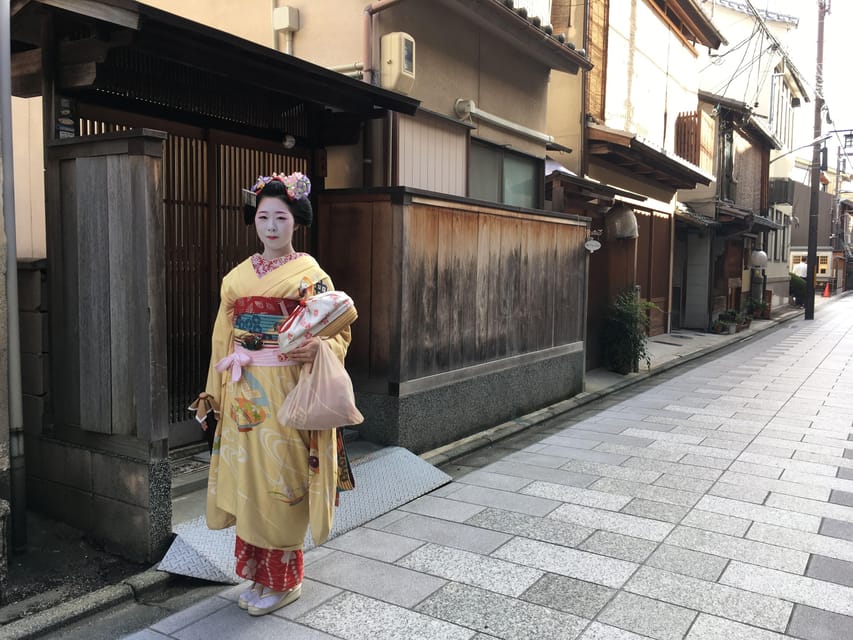
- Chance to see women in full costume as you move through the area
- Small-group or private options so the pacing stays comfortable
Kyoto’s geisha districts: what you’re really seeing
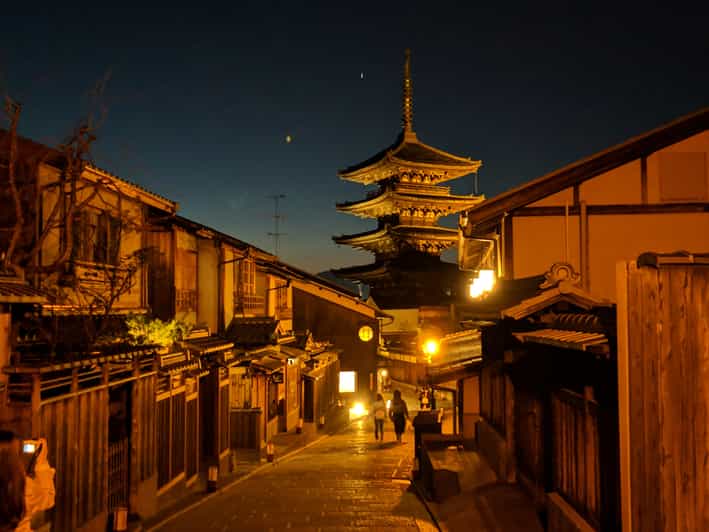
Kyoto’s geisha areas are easy to misunderstand if you only look at them from a tourist angle. This tour does a better job of helping you see the systems behind the scenes: the hanamachi (the geisha districts) and the tea houses that traditionally connect visitors, performers, and local customs.
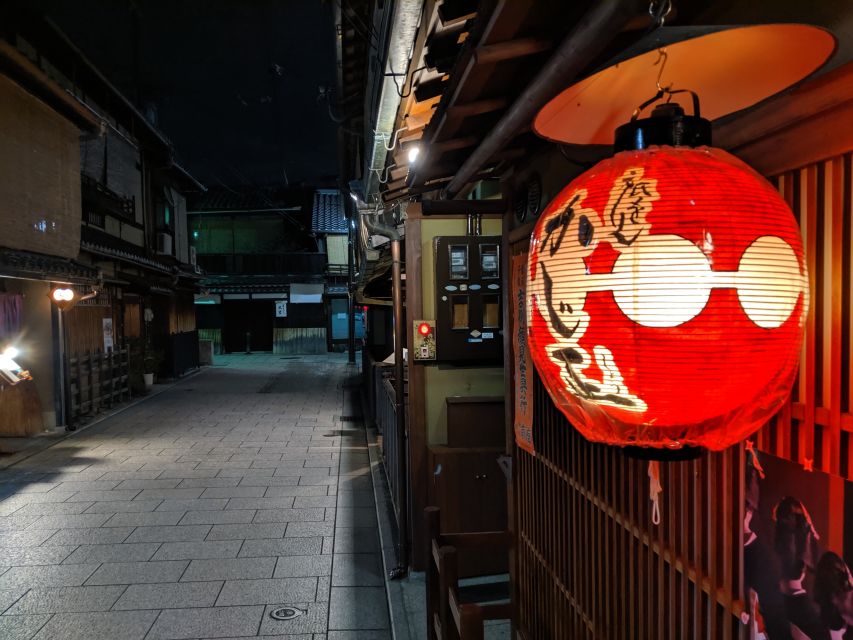
That matters because the “geisha district look” can be visual only: lanterns, narrow lanes, and wooden facades. The tour’s value is that it gives you a framework to interpret what you’re walking past. Instead of treating it like a theme park, you learn why these neighborhoods have distinct identities and why etiquette and tradition are taken seriously there.
You’ll also spend time in the broader Gion and Higashiyama zone, so you’re not just glued to the most famous curbside views. The walking route links the entertainment-district vibe with Kyoto’s temples and shrines, which helps you understand how these spaces sit inside the larger city.
You can also read our reviews of more walking tours in Kyoto


Starting at the Miyagawachō traveler lounge (and why it’s smart)

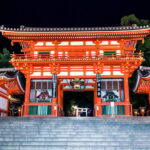
The experience begins at a traveler lounge in Miyagawachō, where you get a welcome drink and a short setup briefing. This is not a throwaway intro. It’s one of the most useful parts because it reframes the entire walk before you step out into the streets.
Here’s what you can expect in that lounge time:
- Background on the world of the geisha
- An interactive slideshow
- Games that are done as part of the tour format, designed to give you a more hands-on feel for customs and atmosphere
- A preview of what it’s like to “peek behind the scenes” of a real tea house environment
For practical travelers, this matters because it changes what you notice afterward. By the time you’re outside, you’re more likely to recognize patterns in the district layout and understand what kinds of traditions you’re seeing reflected around you.
Also, the lounge time gives you a small buffer if you’re arriving a bit early or just want a place to settle. If you’re sensitive to jet lag, this can make the difference between drifting through Kyoto and actually tracking what’s going on.
The walking route through Gion: pace, streets, and tea houses

After the lounge, you start walking. The itinerary takes about an hour on the street, moving through historic narrow lanes tied to Kyoto’s entertainment districts. One of the big claims you’ll want to care about is that you visit central geisha areas and see hundreds of real tea houses as you pass through.
That’s not the kind of information you get from a quick photo stop. The benefit of walking—especially on a guided route—is continuity. Instead of seeing a few famous corners, you’re moving through the district’s rhythm, which makes it easier to understand how the neighborhoods function day-to-day.
The tour also includes a strong “geisha culture first” element. With your guide, you learn about history and customs while you’re in motion, and there’s a chance of catching a glimpse of women in full costume. Just keep your expectations realistic: you’re not guaranteed a sighting, and geisha district life has its own privacy rules. But having a guide who explains what you’re looking at (and what not to assume) makes the experience more rewarding.
Visiting 4 out of 5 hanamachi districts: the value of coverage
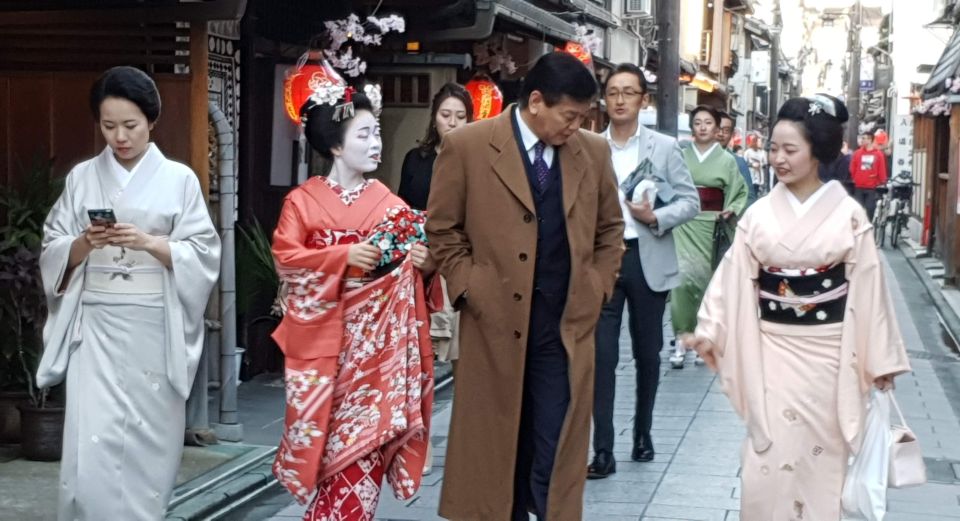
A lot of Kyoto geisha-area tours oversell coverage with vague routes. This one is more specific: you visit 4 out of the 5 hanamachi geisha districts with a guide who’s an expert in geisha culture.
Why that’s a big deal for you: it affects how complete the picture feels when you finish. If you only see one district, you can accidentally build the wrong mental map. Seeing multiple districts helps you notice differences in atmosphere and in how the neighborhoods relate to the wider Gion area.
It also makes your time more efficient. You’re spending your 2 hours learning something that sticks—how the district network works—rather than just collecting street names.
If you’re a first-time visitor, this is especially useful. Kyoto can overwhelm you with landmarks. This tour gives you a focused lens, then connects it to the places you’ll likely see later on your own.
The key stops that ground the story: temple and shrine visits
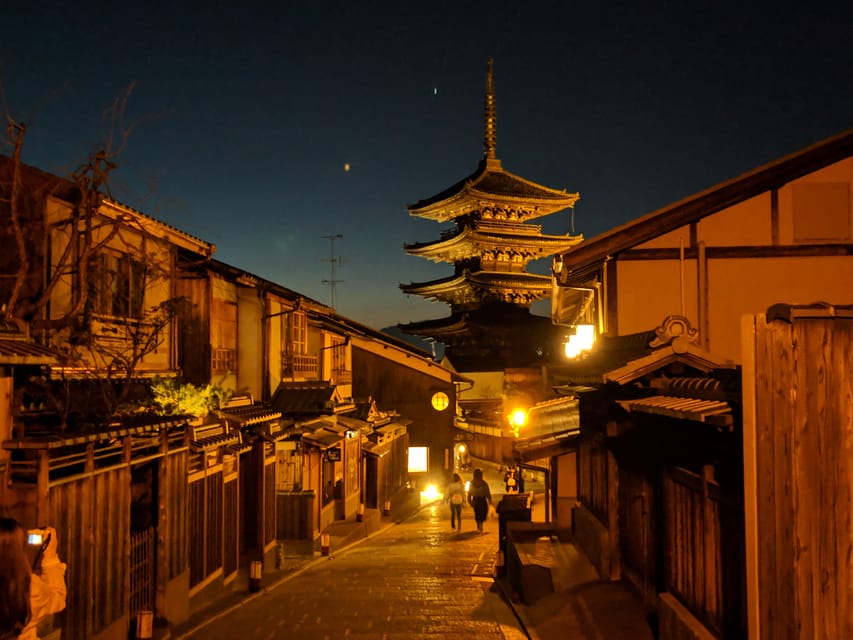
A geisha-focused tour can sometimes stay too narrow. Here, the route deliberately connects the entertainment district world with Kyoto’s spiritual and historic touchpoints. Your guided visits include:
- Kenninji Temple (about 15 minutes)
- Yasui Kompira-Gu Shrine (about 15 minutes)
- Yasaka Shrine (about 20 minutes)
You might wonder why temples and shrines belong in a geisha-district story. The practical answer is that Kyoto’s neighborhoods aren’t isolated “sets.” They sit inside a city where religion, festival rhythms, and local traditions shape daily life. By passing through these sites, you get a sense of context beyond the nightlife or entertainment side of Gion.
A second benefit: these stops create natural pacing. The tour isn’t just constant walking with constant explanation. Short visit windows help break the route up so you can digest what you’re learning and reset your eyes and attention.
The only drawback to watch for is simple timing. If you’re the type who wants longer, quiet temple time, the stops are brief by design. Think of them as story anchors on the way through, not full sightseeing sessions.




Ninenzaka and Yasaka: the in-between moments you’ll remember
Two more named stops are part of the guided flow:
- Ninenzaka (about 20 minutes)
- Yasaka Shrine (about 20 minutes)
Even without turning these into your main photo mission, these stops help you understand the “connector streets” between Kyoto’s famous sights and the geisha districts. That matters because the most memorable travel moments often happen in the transitions: the lane you walk through right after learning something new, the shrine approach you see while you’re still tuned to a topic.
In other words, you’re not only learning about geisha culture in a vacuum. You’re experiencing it as part of Kyoto’s daily geography—what’s near what, and how the old and the ceremonial sit close together.
Meet-your-guide energy: what to look for (including Kevin)
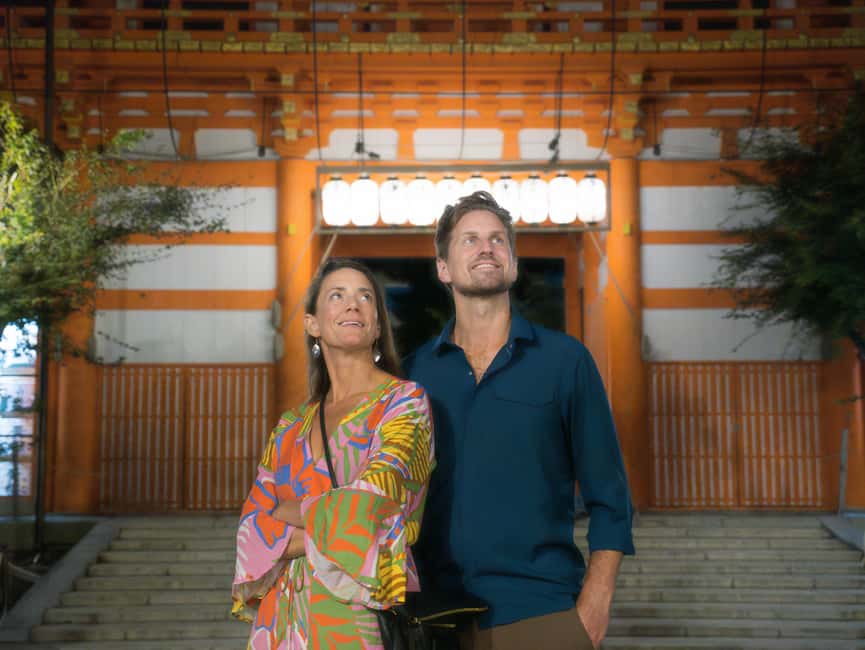
This tour runs with a live bilingual guide in English or French. Group sizes can be private or small groups, which helps keep the conversation moving at a human pace.
One of the stand-out details tied to the guide experience is that some guides explain not just geisha customs but also broader Japanese culture and history. A name you may see associated with the tour is Kevin, and the overall pattern is clear: you’ll get more than a script. You should expect answers, clarifications, and context that makes the cultural references easier to place.
When you’re choosing whether this tour is for you, ask yourself what you want from a guide:
- If you want facts and explanation, this style fits.
- If you only want fast photos, you might find yourself wishing for more free time.
The structure is designed to keep you engaged, so even if you’re not obsessed with geisha culture, you’re likely to come away with better context about Kyoto’s entertainment traditions.
Price and value: is $38 worth two hours?
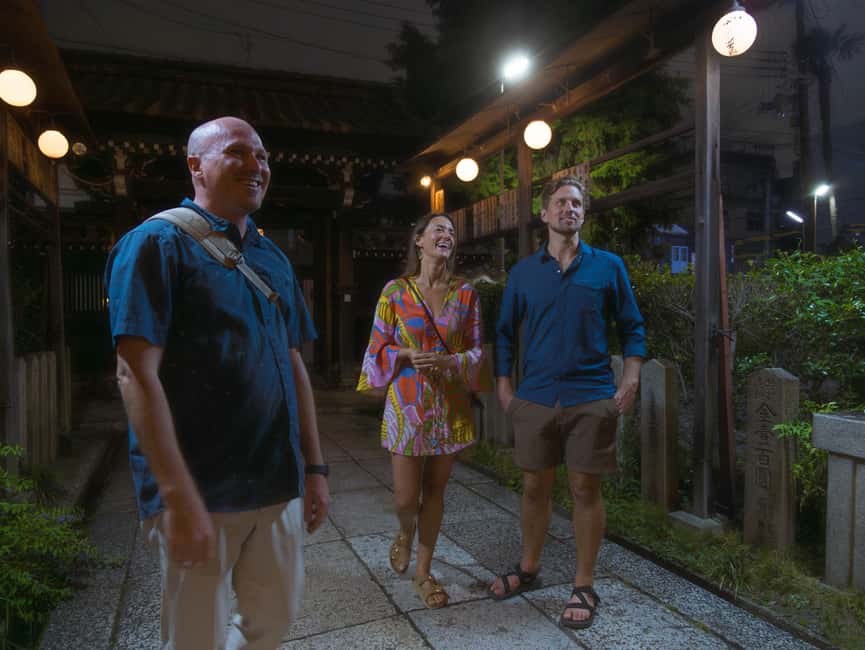
At $38 per person for a 2-hour guided experience, you’re paying for three things at once:
1) guided walking time through multiple districts
2) guided explanation tied to geisha culture and customs
3) the included lounge experience with a welcome drink, plus an interactive slideshow and games
If you’ve done tours in Kyoto before, you already know the city can be expensive. What makes this one feel like decent value is that it’s not just “walk and point.” The lounge portion builds a base layer of understanding, then the route lets you apply it immediately outside.
Also, the route isn’t only about the most famous stretch. You’re visiting a set of stops (including temple and shrine visits) and covering multiple hanamachi districts. That combination helps justify the price because you’re getting a guided story arc, not a checklist.
Food and drinks beyond the welcome drink aren’t included. That’s normal for walking tours, but it’s worth planning so you don’t end up hungry when the tour ends.
What to do after the tour: dinner planning, simplified
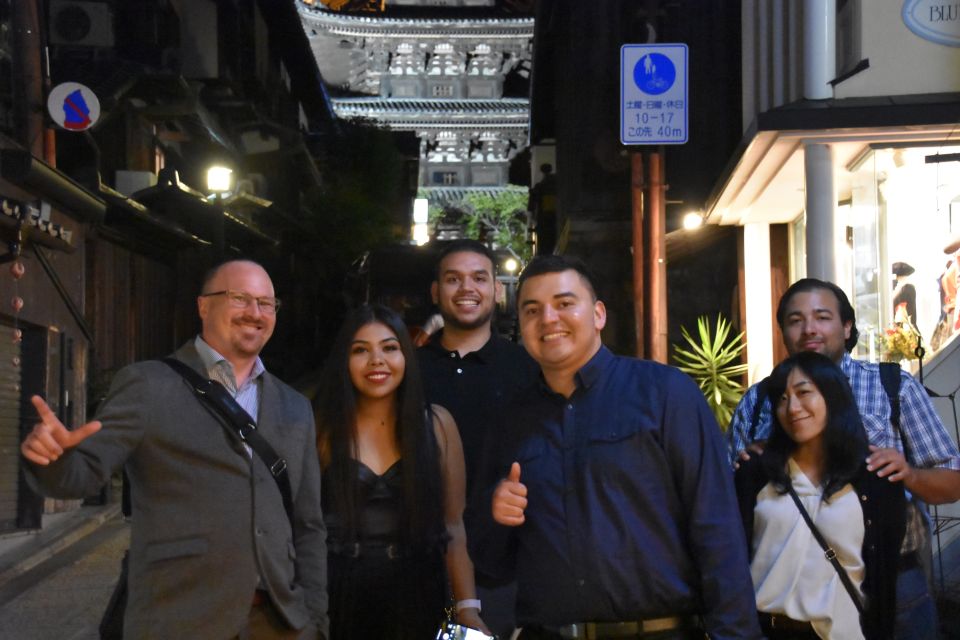
At the end, you can get suggestions for where to go for dinner. That’s a genuinely useful feature because geisha district areas can be full of options, and knowing where you’d like to eat matters when you’re on a timed schedule.
Practical tip: use what you learned to guide your choice. If you want to keep the “old district” vibe going, lean toward places that feel local to the same neighborhoods you just walked through. If you want a break from the entertainment-zone atmosphere, your guide can likely point you toward calmer alternatives.
Weather and practical tips for a smooth walk
A recurring reality check with any Kyoto walking tour: weather changes everything. Since this experience is built around a walking route for roughly an hour plus guided stops, you’ll likely be outside for a meaningful stretch of time.
Here’s how to prep like a pro:
- Bring a compact umbrella or light rain layer if your dates include showers
- Wear comfortable shoes you can trust for uneven, old-street walking
- Have your Japan plan flexible—this is a tour that works best when you’re not rushing to catch the next train immediately afterward
Also note that the tour isn’t suitable for people with mobility impairments, so plan for alternatives if that applies to you.
Who should book this geisha districts walking tour
This tour is a strong match if you:
- want a structured introduction to geisha culture rather than random sightseeing
- prefer guided context in small-group or private formats
- enjoy walking Kyoto’s older streets but want it explained while you go
- are curious about hanamachi and how geisha districts connect to tea houses and local customs
- want a route that includes both entertainment-district areas and major shrine/temple stops
It’s less ideal if you:
- want long, standalone time at temples and shrines
- dislike walking in any weather
- need an accessibility-friendly route for mobility limitations
Should you book it?
Yes, if you want your first (or second) Kyoto geisha-area experience to feel coherent and respectful, not chaotic. The mix of a lounge welcome drink, interactive slideshow and games, and guided movement through multiple hanamachi districts gives you real value for the price and turns “curious photos” into cultural understanding.
Skip it only if your main goal is to move fast and take pictures without learning the customs behind what you’re seeing. Otherwise, this is one of the better ways to spend two hours in Gion and Higashiyama with a guide who connects the dots.
FAQ
How long is the Kyoto geisha districts walking tour?
The tour duration is 2 hours.
What’s included in the tour price?
You get a guided walk of the Gion and Higashiyama districts and a bilingual guide.
What is the price per person?
The price is listed at $38 per person.
Where does the tour start?
The meeting point may vary depending on the option booked, including Kyoto Fun (河松マンション) and a traveler lounge start in Miyagawachō.
Which areas and stops does the tour cover?
You explore the geisha districts of Gion and Higashiyama and visit stops including Kenninji Temple, Yasui Kompira-Gu Shrine, Ninenzaka, and Yasaka Shrine, plus multiple hanamachi districts.
Are geisha districts fully covered on this tour?
The tour visits 4 out of the 5 hanamachi geisha districts.
Is food or drinks included?
Food isn’t included. A welcome drink is included at the traveler lounge, but other food and drinks are not.
What languages are available for the guide?
The guide is available in English and French.
Is the tour suitable for people with mobility impairments?
No, the tour is not suitable for people with mobility impairments.