REVIEW · KYOTO
Kyoto: Small-Group Authentic Sushi Making Workshop
Book on GetYourGuide →Operated by atelier SUSHI · Bookable on GetYourGuide
Sushi in Kyoto, with your hands on the rice. This 90-minute small-group workshop at atelier SUSHI teaches you nigiri and maki in English, using fresh fish and a calm traditional townhouse setting. I like that the instruction is hands-on and step-by-step, and I also like that the experience comes with real take-home support, like a rolling mat and recipe card. One thing to consider: the class isn’t suitable for vegetarians and it’s not set up for wheelchair users.
The workshop is limited to 8 participants, so you’ll get plenty of time to ask questions and refine technique without feeling rushed. I also appreciate the friendly tone—Kana and the team often talk about Japanese food culture and daily life, not just sushi steps. If you’re expecting a quick photo-op, this is more work than that, and you’ll need an empty stomach to handle the amount you make.
In This Review
- Key things I’d circle on your plan
- Kyoto Wand townhouse: why the setting matters for a sushi class
- Finding the workshop near Kiyomizu-Gojō station
- The real lesson: seasoning rice, making nigiri, and rolling maki
- Step 1: sushi rice that actually behaves
- Step 2: nigiri shaping (gentle hands, firm control)
- Step 3: maki rolls you can reproduce at home
- Extra confidence boost: you’ll ask questions
- Fish quality and the rice detail you’ll notice after your first bite
- Lunch at the table: miso soup and eating your own sushi
- Who’s teaching: Kana and the support team behind the scenes
- The take-home kit: a sushi rolling mat plus a recipe card
- Price and value: is $60 for 90 minutes fair?
- Tips to make your class smoother (and less stressful)
- Who should book, and who might want to skip
- Should you book atelier SUSHI in Kyoto?
- FAQ
- Is the workshop offered in English?
- How long is the Kyoto small-group sushi making workshop?
- How many people are in the class?
- What’s included in the price?
- Is hotel pickup provided?
- Is the class suitable for vegetarians?
- Is the class wheelchair accessible?
- What should I do if I have dietary restrictions?
Key things I’d circle on your plan
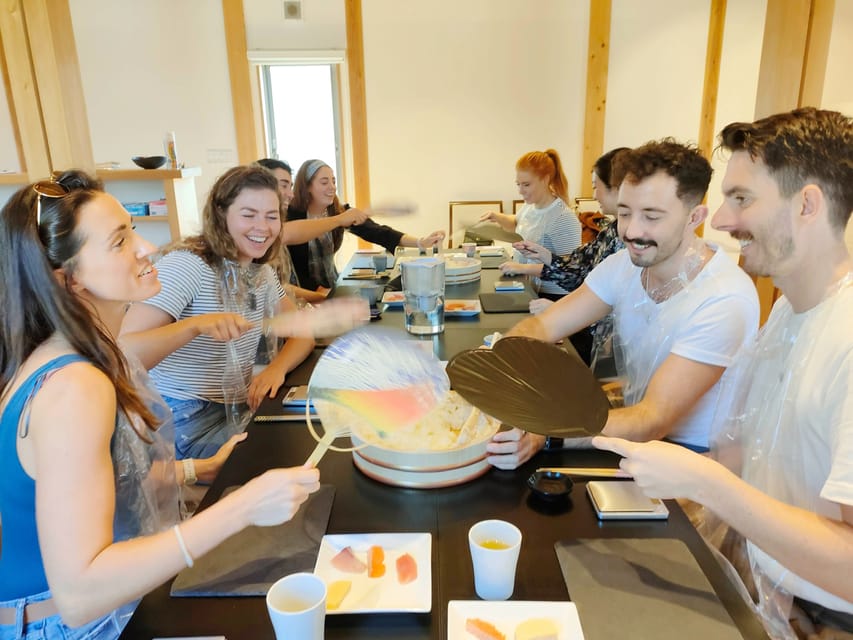
- Small group (up to 8) keeps the pace relaxed and questions easy to answer
- Hands-on nigiri + maki covers both shaping and rolling skills
- Fresh fish and carefully worked rice matter more than most people expect
- A traditional townhouse setting makes the lesson feel calm, not like a cooking factory
- Take-home kit includes tools plus a recipe card so you can practice
Kyoto Wand townhouse: why the setting matters for a sushi class
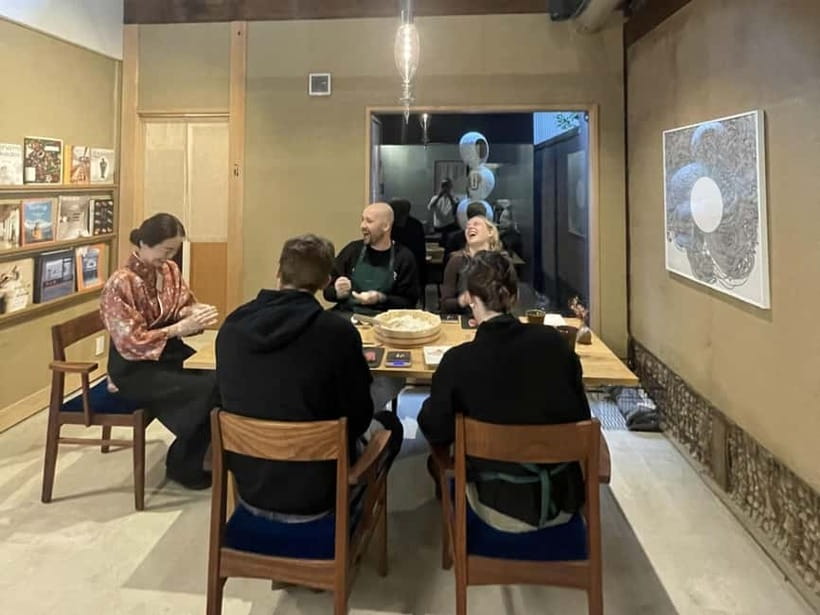
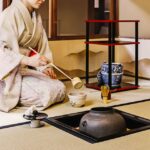
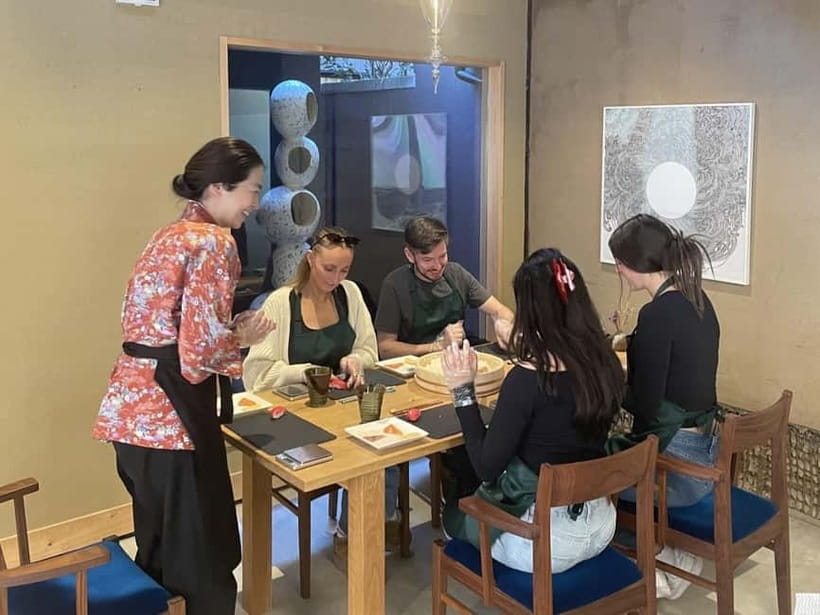
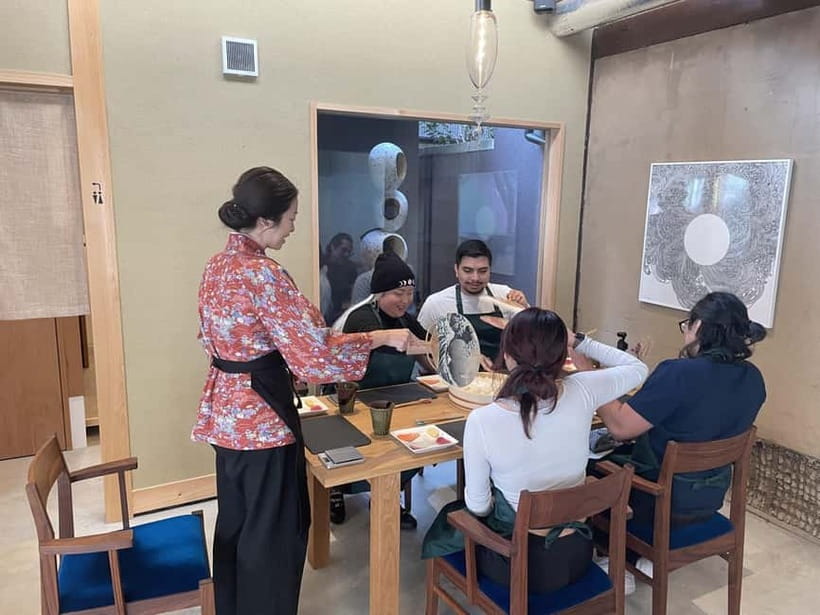
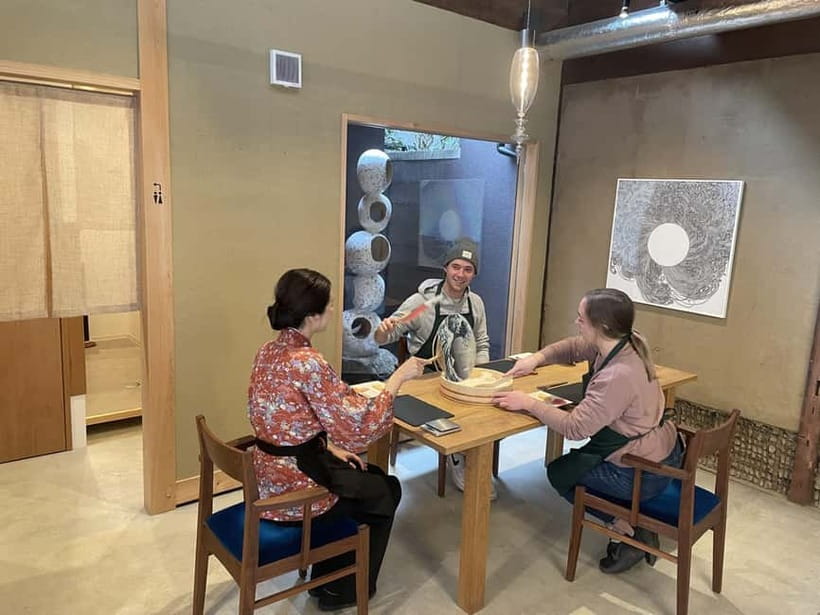
The biggest surprise with this class is how much the room affects your focus. You’re not standing over a loud counter with ten things happening at once. Instead, you’re in a restored Kyoto townhouse-style space, where you can concentrate on small details like rice temperature and gentle fish handling.
That calm is a real advantage because sushi technique is fussy. If your rice is too warm, it sticks and tears. Too cold, and it won’t shape cleanly. The structure of the class helps you hit that sweet spot, and the instructors stay right next to you as you work.
Also, the team’s vibe is warm and not transactional. In a few bookings, people noted conversations running longer than planned—meaning you’re not just pushed through steps. That kind of relaxed attention is exactly what makes this feel like a cultural experience, not a cookie-cutter activity.
You can also read our reviews of more tours and experiences in Kyoto

Finding the workshop near Kiyomizu-Gojō station
Location is a practical win here. The workshop takes place in the Kyoto Wand building, a few minutes on foot from Kiyomizu-Gojō Station on the Keihan Main Line. It’s also within walking distance of big-name areas like Kiyomizu-dera and Gion, so you can pair it with a morning temple wander or an evening district stroll.
There’s no hotel pickup, so you’ll want to build in walking time and a little buffer. The good news: once you’re in the right neighborhood, the “findability” is part of the design.
If you like planning days in tight loops—walk, snack, walk—this fits nicely. You can keep your route simple and still hit a meaningful food experience without major transit friction.
The real lesson: seasoning rice, making nigiri, and rolling maki
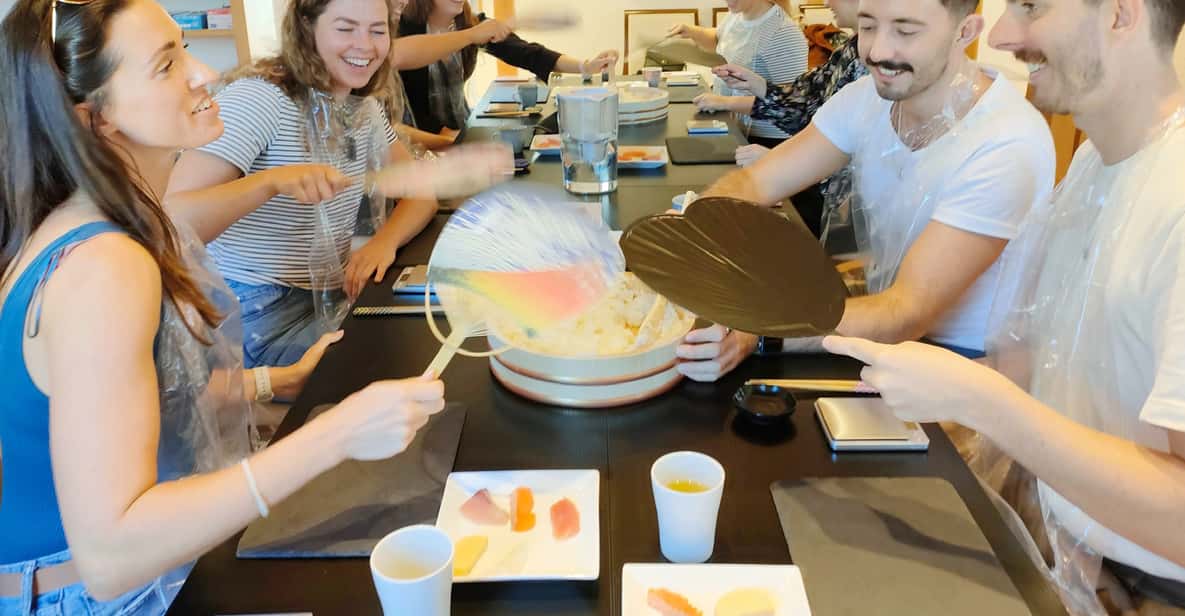
This is a fully hands-on workshop, and that’s the main reason it’s worth your time. The class lasts 90 minutes, which is long enough to learn technique and short enough to stay energetic.
Step 1: sushi rice that actually behaves
You’ll work on seasoning cooked sushi rice properly. This is where sushi lives or dies. You’re not just mixing flavor—you’re learning how to keep the rice workable so it molds without squashing.
Expect the instructor to show the key motions, then watch you try. Multiple bookings mention detailed explanation and patient repetition, which makes sense. Rice technique is muscle memory, and sushi is not a thing you can fake for long.
Step 2: nigiri shaping (gentle hands, firm control)
Next comes nigiri. You’ll learn how to portion and shape rice, then top it with fish in a way that looks neat and holds together. The instructors focus on control—using light pressure and clean handling.
In past classes, people learned nigiri using fish like salmon, tuna, squid, and yellowtail, plus an egg omelette option. Your exact lineup may vary, but the method is the same: rice shape first, then topping, then a brief final adjustment.




Step 3: maki rolls you can reproduce at home
Then you’ll make maki rolls. Rolling is another skill where small details matter—how tightly you press, how you align the filling, and how you finish the roll so it slices neatly.
Several bookings mention that the class includes maki rolls in addition to nigiri. In one example, a participant made a roll with salmon and avocado. In another, people described learning a roll plus other sushi styles like gunkan.
Extra confidence boost: you’ll ask questions
The instructors encourage questions during the process. One booking specifically mentioned that you can ask anything about Japanese culture, and the team is happy to share. That matters because sushi technique is only part of the story; understanding why certain steps exist helps you cook smarter later.
Fish quality and the rice detail you’ll notice after your first bite
Sushi is often described as delicate, but the real difference is texture and freshness. This class leans hard on quality local fish and carefully prepared ingredients.
One person highlighted that the fish was described as coming from Nishiki Market. Another pointed out an especially specific detail: the rice is described as grown by Kana’s family. Even if you don’t catch every provenance detail, you’ll likely taste the difference right away in how clean and fresh the fish tastes, and how the rice holds together without turning gummy.
And here’s the thing: learning sushi in a class like this changes what you look for when you eat out later. After you handle the rice and learn shaping pressure, you start noticing what restaurants do well—or what they skip.
In other words, you’ll eat dinner differently after this.
Lunch at the table: miso soup and eating your own sushi
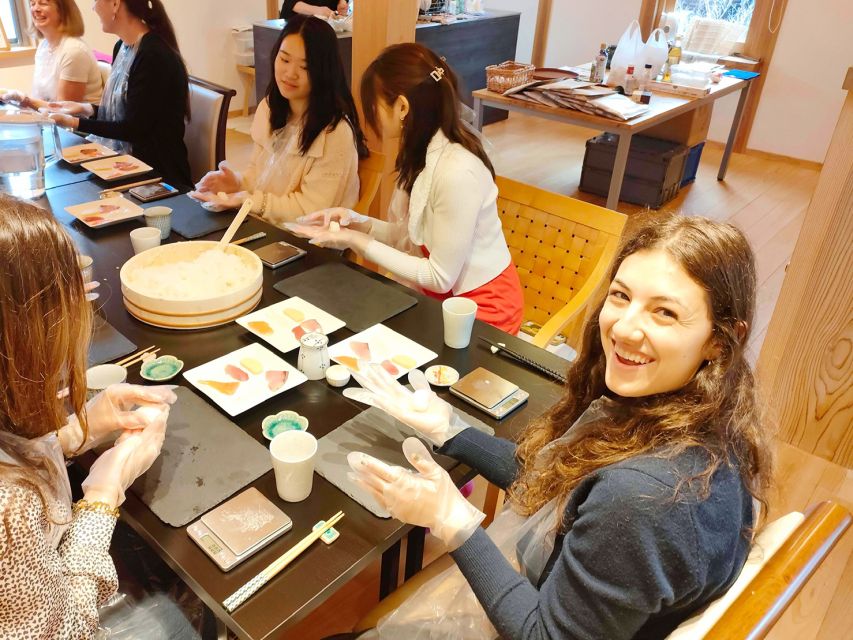
This workshop includes what you make. After you finish rolling and shaping, you sit down and eat your own sushi in a peaceful setting. That feels more satisfying than tasting someone else’s creation, because you know exactly what you did right and what you’re still practicing.
You’ll also get miso soup with the lunch. It’s a good palate reset between bites, especially if you’re new to raw or semi-raw seafood.
One practical tip: you may produce a lot of sushi. Multiple bookings mention leaving full, so don’t schedule this right after a heavy lunch.
Who’s teaching: Kana and the support team behind the scenes
The class is run by an English-speaking host, and the names that show up repeatedly in bookings include Kana as a lead instructor. You may also see support from team members like Karim, Aya, Ayumi, and assistance from Kenneth, depending on the day and class size.
Why this matters for you: when multiple helpers are present, the class tends to stay smooth. One person noted very hands-on attention, with instructors stepping in to help refine rice handling and shaping. If you’re nervous about doing sushi “wrong,” that extra pair of trained hands is a comfort.
Another detail: people mentioned that the hosts are warm conversationalists. Kana is described as sharing stories—one booking mentioned background like growing up in Osaka and moving to Kyoto. If you enjoy food plus culture talk, you’ll likely have a fun time beyond the technique.
The take-home kit: a sushi rolling mat plus a recipe card
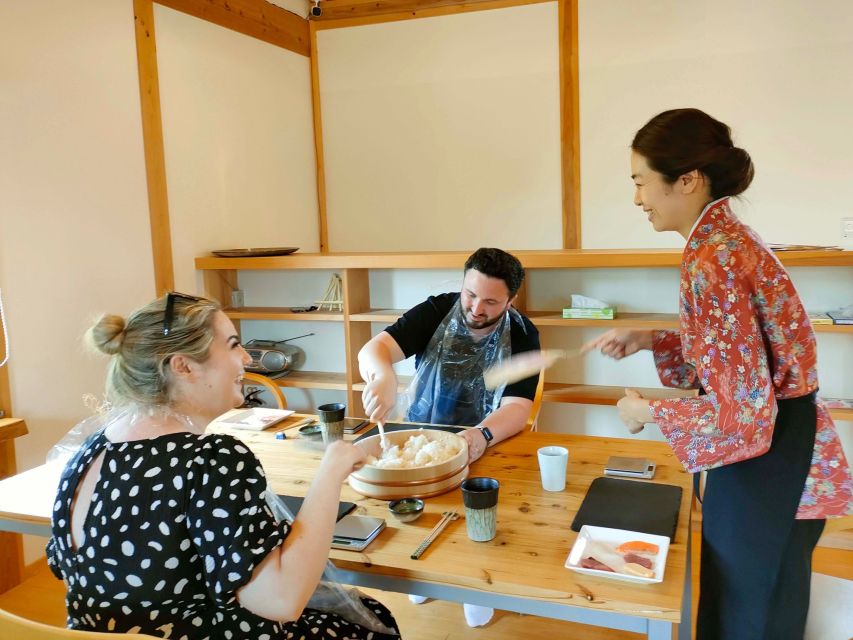
This class doesn’t end when you wash your hands. You’ll get a gift bag that includes a sushi rolling mat, chopsticks, and a recipe card. You also receive disposable gloves and an apron, so you’re protected and your hands stay clean while working with fish.
For me, the take-home part is where value shows up. If you only get a meal, the experience fades quickly. With tools and instructions, you can practice at home and keep the skills alive.
Even if you never make sushi from scratch again, the mat and card make it easy to try a simpler version—like practicing maki rolls with cooked fillings first—until your confidence grows.
Price and value: is $60 for 90 minutes fair?
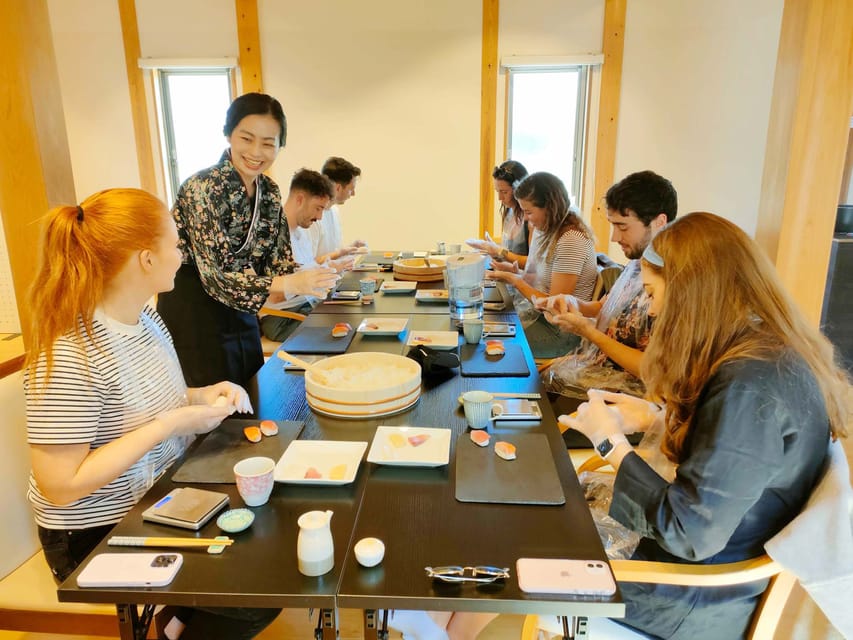
Let’s talk money plainly. At $60 per person for 90 minutes, you’re paying for three things that are hard to replicate on your own:
- High-quality ingredients (fresh fish plus well-prepped rice and seasonings)
- Direct coaching on technique, shaping, and rolling
- A structured meal that comes from your own work
If you’ve ever bought sushi tools and ingredients and then hit the rice-stick-wall at home, you know the “learning curve cost” is real. Here, the instructor fixes problems immediately, which saves you time and wasted supplies.
Also, the class is capped at 8 participants, and in some bookings people ended up in very small groups. Small class size usually means more attention per person, not less.
For many visitors, this becomes one of the most satisfying uses of a travel food budget because you leave with both skills and a full lunch.
Tips to make your class smoother (and less stressful)
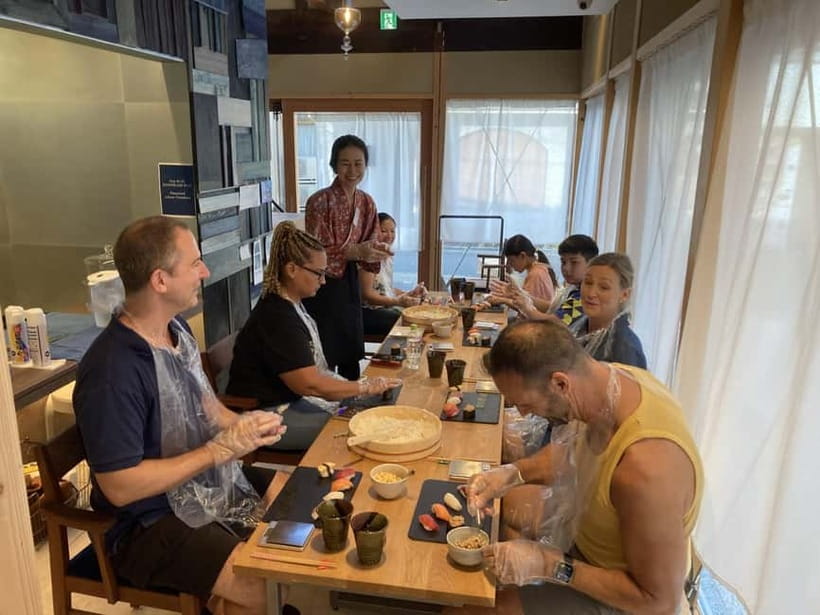
A few practical pointers can make the day go easier:
- Come hungry. The portion you make and eat is more than a snack.
- Tell them dietary restrictions when booking. The experience notes you should advise restrictions ahead of time.
- Wear clothes you don’t mind getting close to food work. You’ll get an apron, but you’re still handling sushi ingredients.
- Plan your day with walking time. No hotel pickup means your schedule needs some flexibility.
If you’re a first-timer, that’s fine. The class is described as a good fit for beginners, and the pace is unhurried, with plenty of time to ask questions and refine technique.
If you already make sushi at home, you might still enjoy it. The value for you is precision: how you season rice, how you portion, and how you shape without compressing the rice too hard.
Who should book, and who might want to skip
This experience is a strong match if you want hands-on cooking in Kyoto, not just watching a chef do the work. It’s also a good choice if you want English instruction and like chatting about food culture while you cook.
It’s not suitable for wheelchair users, and it’s also not suitable for vegetarians, since fish is part of the sushi-making process.
If you’re traveling with family, the small group setup can work well, as one booking described a multigenerational group where everyone participated. Kids can enjoy it too, as at least one review mentioned a father and child coming together and learning a full set of sushi pieces.
Should you book atelier SUSHI in Kyoto?
If you want a Kyoto food experience with real skills at the end, I’d book it. The combination of small group size, hands-on instruction, and fresh ingredients makes the lesson feel worth the money, not like a scripted show.
I’d only hesitate if you’re not comfortable with fish-based sushi or you need vegetarian options. And if accessibility is a concern for you, you’ll want to consider alternatives, since wheelchair access isn’t supported.
If you’re open to learning technique and eating a lot of what you make, this is the kind of class that sticks with you—because you’re not just tasting Kyoto. You’re building it with your own hands.
FAQ
Is the workshop offered in English?
Yes. The host/instructor is English-speaking.
How long is the Kyoto small-group sushi making workshop?
It runs for 90 minutes.
How many people are in the class?
The workshop is a small group limited to 8 participants.
What’s included in the price?
You get the sushi-making workshop with an English-speaking host, the sushi you make for lunch, miso soup, a gift bag (sushi rolling mat, chopsticks, and a recipe card), and disposable gloves and an apron.
Is hotel pickup provided?
No, hotel pickup and drop-off are not included.
Is the class suitable for vegetarians?
No. It is not suitable for vegetarians.
Is the class wheelchair accessible?
No. It is not suitable for wheelchair users.
What should I do if I have dietary restrictions?
You should advise of any dietary restrictions when booking.