REVIEW · KYOTO
Kyoto: Mindful Tea Ceremony in 100-Year-Old Teahouse
Book on GetYourGuide →Operated by Oboro · Bookable on GetYourGuide
Kyoto can be loud, fast, and crowded. This 45-minute tea ceremony slows you down in a 100-year-old teahouse with candlelight and a calm, sensory pace. I especially like how the host makes room for your comfort (no scary strictness), and I love the way the ceremony turns basic matcha into a full-body experience—sound, scent, warmth, and taste. One thing to consider: it’s quiet and rules-heavy in a practical way, so you’ll want to arrive on time and keep your phone and camera behavior respectful.
The setting matters here. You step into soft light instead of harsh overhead bulbs, and you’ll likely catch a garden view through the window while you settle in. For me, the real payoff is that you don’t just learn steps—you learn how to notice. A possible drawback: the experience isn’t suitable for everyone, including people with back problems and wheelchair users, and there’s no “hang out and watch” option if you’re more than 10 minutes late.
In This Review
- Key Highlights You’ll Feel Right Away
- A 45-Minute Timeout in a 100-Year-Old Kyoto Tearoom
- Candlelight, Garden Views, and the Real Reason This Feels Peaceful
- Your Ceremony Timeline: Welcome Tea, Main Tearoom, and a Candle Take-Home
- 1) Arrival and a quick orientation
- 2) Welcome tea plus seasonal sweets
- 3) The main tearoom: watch, ask, and slow down
- 4) Utensils purified, matcha whisked, then served with a bow
- 5) Questions, quiet observation, and final reflection
- Matcha Preparation Without the Stress (And Why That’s Good)
- Seasonal twist you should know: summer chilled water and ice
- Small Group Size and English Instruction: What You Really Get for $45
- Etiquette Basics: Socks, Silence, and No Flash
- What you should bring and wear
- What’s not allowed
- Timing matters
- Who Should Book Oboro’s Mindful Tea Ceremony
- Is It Worth It: The Value of Equipment, Guidance, and a Thoughtful Pace
- Should You Book This Mindful Tea Ceremony in Kyoto?
- FAQ
- How long is the tea ceremony?
- How much does it cost?
- Is the instruction offered in English?
- Do I need to bring socks?
- Can I take photos during the ceremony?
- Is the ceremony suitable for wheelchair users?
- What happens in summer?
Key Highlights You’ll Feel Right Away

- Candlelit calm that replaces the usual Kyoto rush with a slower rhythm
- 100-year-old teahouse atmosphere that makes the ceremony feel lived-in, not staged
- Matcha prepared with relaxed guidance, so newcomers can keep up
- Minimal distractions: fewer decorations, more attention to sound, smell, and taste
- A handmade candle to take home, so the mood continues after you leave
A 45-Minute Timeout in a 100-Year-Old Kyoto Tearoom
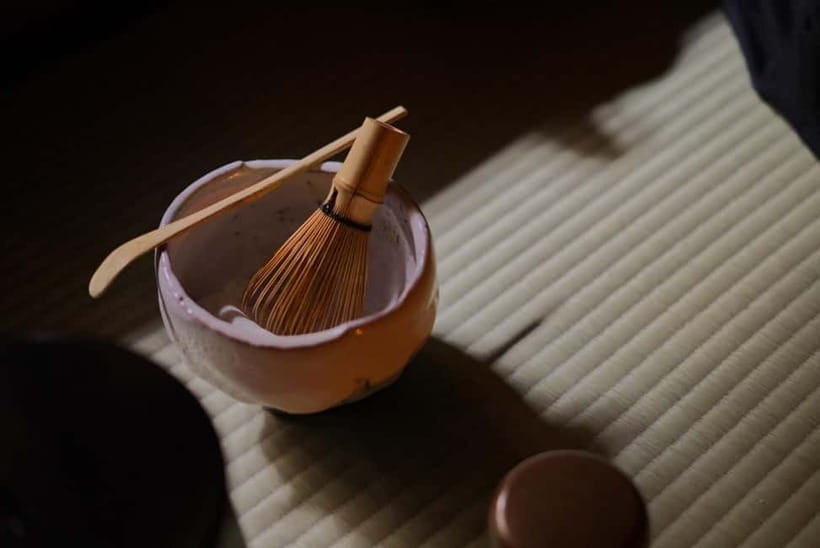
This is not a long, ceremonial performance that takes over your whole morning. It’s a tight 45 minutes in a place that already carries quiet history in its materials and layout. That short length is part of the value. You get a meaningful reset without sacrificing your day to a full half-day Kyoto detour.
The host keeps the experience flowing at a thoughtful pace. You don’t feel rushed to get through the steps, and you’re not asked to memorize etiquette like it’s an exam. The result is that even if you’ve never done a tea ceremony before, you can still participate in a way that feels natural.
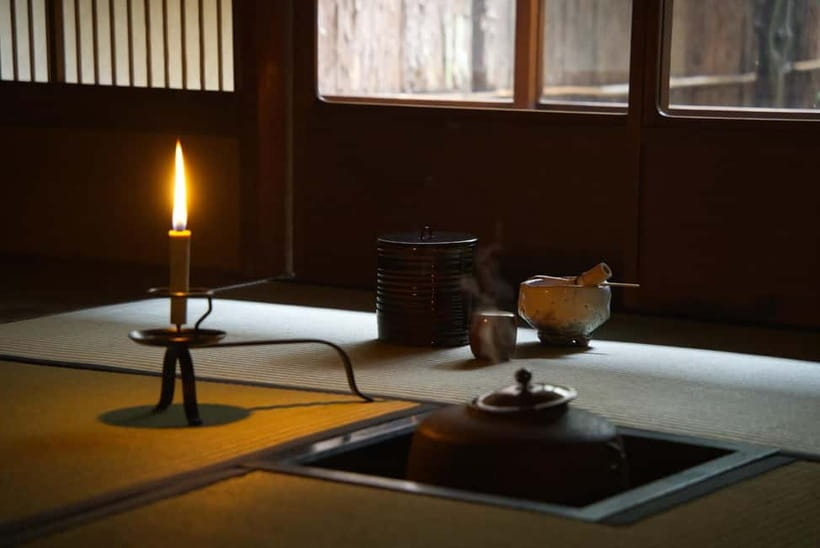
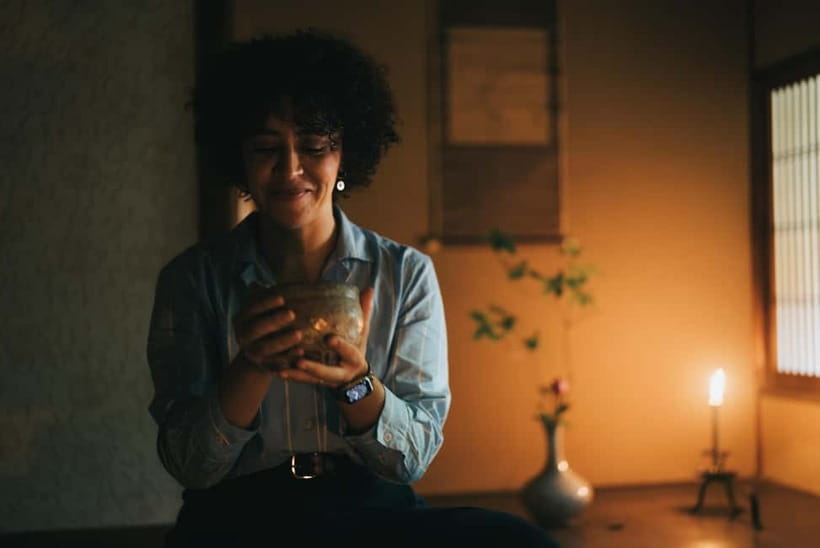
And yes, candlelight is a big deal here. Lighting changes how your brain reacts. When the room is dim and warm, you naturally lower your voice, soften your movement, and pay attention to small things—like the scent of fresh matcha or the sound of water simmering. This isn’t just “pretty ambiance.” It’s a practical tool for mindfulness.
You can also read our reviews of more tours and experiences in Kyoto.



Candlelight, Garden Views, and the Real Reason This Feels Peaceful
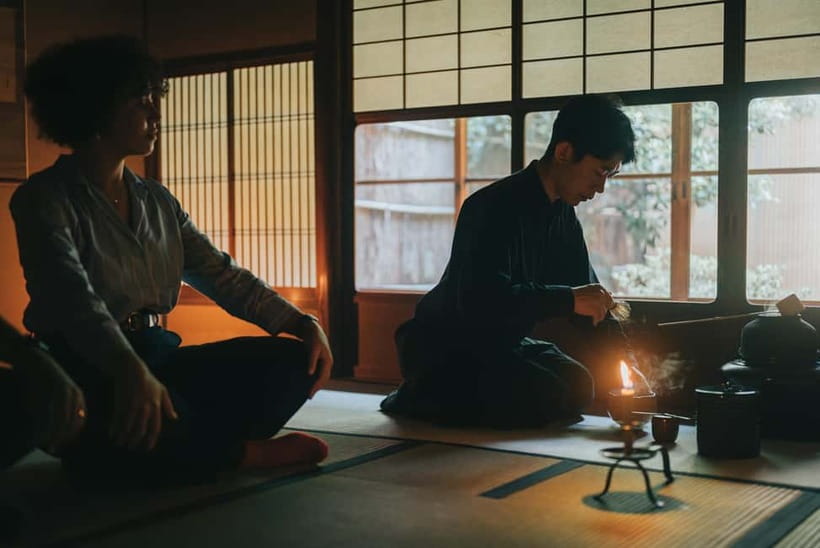
You’ll arrive and immediately notice the shift. Instead of bright overhead light, you’re in a room lit by candlelight, which makes everything feel slower and gentler. There’s also something about the way the teahouse is set up to reduce visual noise. Minimal décor means your eyes don’t keep bouncing around.
Many sessions include a garden view through the window, which adds a soft backdrop to the ceremony. Even if the garden isn’t the main event, it gives your attention someplace calm to rest while you wait for the next step.
From there, it’s the sensory details that do the work:
- the faint aroma of fresh matcha as the whisking begins
- the quiet soundscape inside a low-distraction room
- the warm comfort that comes with sipping thoughtfully
This is why the ceremony can feel like meditation after travel. Kyoto is full of temples and lines. Here, you get a different kind of culture lesson: not by moving fast through sights, but by staying still long enough to notice what’s already there.
Your Ceremony Timeline: Welcome Tea, Main Tearoom, and a Candle Take-Home
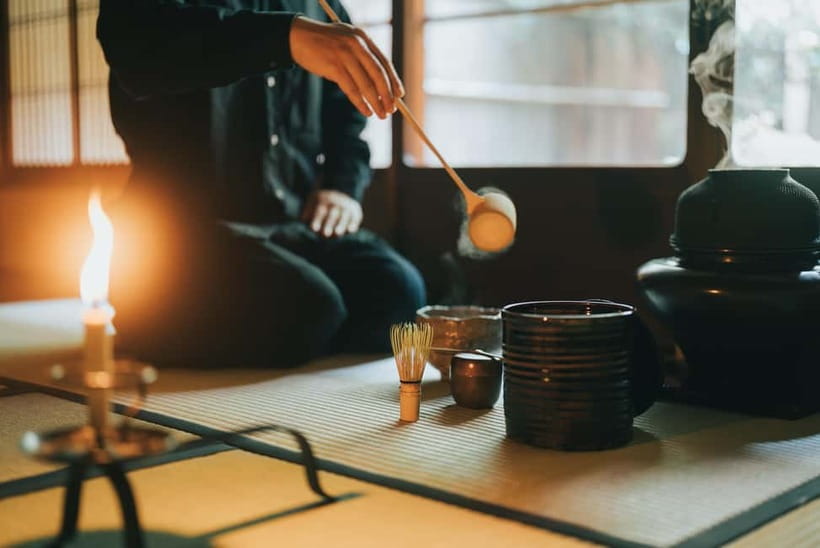
The experience has a clear flow, and it’s designed so you never feel lost.
1) Arrival and a quick orientation
When you arrive, the host greets you and explains how the session will move. If you need to store belongings, they’ll handle that for you. The goal is simple: you should be able to focus instead of managing stuff.
A practical note: the session expects you there early. Plan to arrive 10 minutes before your start time, because being more than 10 minutes late can mean you won’t be allowed to enter.
2) Welcome tea plus seasonal sweets
You start with a welcome tea and paired sweets. This matters because it tunes your palate and your pace. The warm flavors (or chilled options in summer, more on that below) help you settle in while you watch and listen.

3) The main tearoom: watch, ask, and slow down
Next you move into the main tearoom area, where the design reduces distractions. This is where you’ll focus on the subtle sensory moments—aroma, sound, and the appearance of matcha being whisked.
A number of people find the ceremony feels like a journey through small phases. Some setups involve moving through multiple rooms or areas that each match a different part of the ritual, which makes the experience feel structured without being rigid.
4) Utensils purified, matcha whisked, then served with a bow
During the main matcha portion, the host prepares each bowl with careful attention:
- purifying the utensils
- whisking the matcha
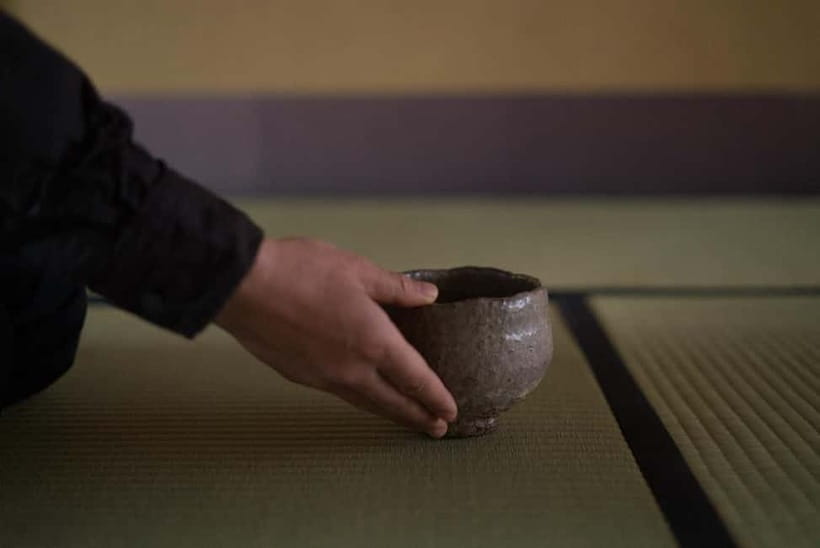
- presenting the bowl with a graceful bow
You’ll lift the bowl gently and sip. The act is simple, but it gives you a built-in pause. That’s the mindfulness part: you can’t rush your attention if you’re holding something warm and watching the moment unfold.
5) Questions, quiet observation, and final reflection
Throughout the session, you can observe quietly, and you can ask questions. The tone stays calm—this is not a talk show. It’s a slow-paced learning environment where people often come in stressed and leave feeling unspooled.
At the end, you receive a small handmade candle to bring home. It’s a smart touch. Tea is temporary. A candle keeps the mood alive when you’re back in your hotel room planning the next day.
Matcha Preparation Without the Stress (And Why That’s Good)
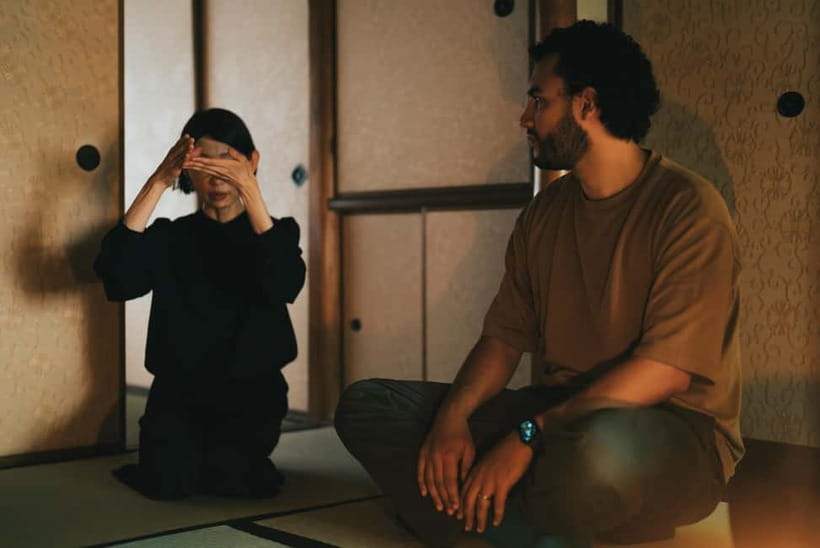
One of the biggest wins is that the host shows the process with gentle guidance rather than strict policing. You’ll still notice structure—there are steps and manners—but the vibe is “learn this with us,” not “perform it perfectly.”
That relaxed approach is especially helpful because matcha can be intimidating. You might think you’re supposed to know how it should look, taste, or be whisked. Here, the host guides you through what matters and why, and you get enough context to make your experience feel meaningful even if you don’t memorize every detail.
Also, the ceremony isn’t just about matcha as a drink. It’s about preparation as a mindset. Purifying utensils and whisking carefully are tiny actions. In this setting, those tiny actions become the main event.
Seasonal twist you should know: summer chilled water and ice
In summer, the ceremony can involve chilled water and ice instead of the usual setup. If you’re sensitive to temperature changes, this is worth remembering when you show up—your sip will match the season.
Small Group Size and English Instruction: What You Really Get for $45
At $45 per person for about 45 minutes, you’re paying for more than a cup of tea. You’re buying:
- expert English instruction
- all necessary tea ceremony equipment
- seasonal sweets to go with the tea
- the candlelight matcha experience
The math of value is mostly about the setup. Many tea experiences charge for the venue and the performance. Here, you’re also getting hands-on understanding of the ceremony flow and the meaning behind what you’re doing—delivered in a small setting.
The group size is limited to 8 participants, which makes a difference. You get enough attention to feel guided, but you still get the quiet, shared feeling of a small ritual. In a bigger group, you often hear instructions from far away and watch passively. Here, you’re close enough to pick up details.
If you happen to be guided by someone like Naoki or Taku (names you might hear in these sessions), you can expect a warm, clear explanation style—people consistently mention hosts who are welcoming and thoughtful in how they answer questions.
Etiquette Basics: Socks, Silence, and No Flash
This experience runs on small rules that keep it respectful and calm. They’re easy to follow, but missing one can hurt the vibe.
What you should bring and wear
- Comfortable clothes
- Socks (important because shoes must be removed)
- Wear socks as shoes come off. You don’t want to show up in bare-foot-in-a-hurry mode.
What’s not allowed
- No smoking
- No flash photography
- Quiet environment: keep silence and let the ceremony stay gentle
Timing matters
- Arrive 10 minutes early.
- If you’re more than 10 minutes late, you won’t be allowed to enter.
These rules aren’t there to be dramatic. They protect the sensory atmosphere—candlelight, low noise, and focused attention. If you’re the type who checks your phone constantly, this may feel harder than a typical activity.
Who Should Book Oboro’s Mindful Tea Ceremony
This is a great fit if you want a break from sightseeing pressure and you enjoy slow, sensory experiences.
You’ll likely love it if:
- you’re looking for a calmer Kyoto moment beyond shrines and crowds
- you want an English-friendly way to learn what matcha ceremony steps mean
- you like mindfulness that’s practical, not preachy
- you’re happy to sit, watch, sip, and ask a few questions
Based on the provided info, it’s not suitable for:
- children under 6
- people with back problems
- wheelchair users
That doesn’t mean it’s “exclusive.” It means the seating and quiet setup are designed for a particular physical comfort level, and the ceremony relies on stillness.
Is It Worth It: The Value of Equipment, Guidance, and a Thoughtful Pace
Here’s the honest way to judge the price: you’re paying for a guided ritual that includes everything you need. There’s no extra ticket for “the real experience.” You’re provided equipment, sweets, instruction, and the take-home candle.
The 45-minute format also protects your schedule. Many Kyoto activities stack up. This gives you a mental reset that can make the rest of your day more enjoyable—especially after busy temple days.
Where people feel the most “value” is usually in the attention to detail: the candlelight, the controlled pace, and the way the host makes room for newcomers without diluting the tradition.
Should You Book This Mindful Tea Ceremony in Kyoto?
If you want a Kyoto experience that’s not about marching from one landmark to the next, book it. It’s one of the better ways to understand Japanese tea culture in a short time, in English, with a small group and a calm setting that actually helps you slow down.
I’d skip it if you:
- need a lot of motion (this is mostly sitting and focusing)
- hate quiet environments and rules around photography or silence
- can’t comfortably sit for the duration
- will likely arrive late
If you do book, come early, wear socks, keep your camera flash off, and treat the 45 minutes like a rest stop for your nervous system. You’ll leave with something small in your hands—a candle—but the bigger souvenir is the ability to pause on purpose.
FAQ
How long is the tea ceremony?
The experience lasts about 45 minutes.
How much does it cost?
It costs $45 per person.
Is the instruction offered in English?
Yes, the instructor provides instruction in English.
Do I need to bring socks?
Yes. You should wear socks because shoes must be removed.
Can I take photos during the ceremony?
Photography is allowed without flash.
Is the ceremony suitable for wheelchair users?
No, it is not suitable for wheelchair users.
What happens in summer?
In summer, the ceremony uses chilled water and ice.