REVIEW · KYOTO
Private Sake Tasting in Central Kyoto with Sake Sommelier
Book on GetYourGuide →Operated by kfk · Bookable on GetYourGuide
Eight sakes, no seats, one great plan. I love the standing sake bar vibe in central Kyoto and how Kenji tailors the night so you can actually find your favorite style. The only real drawback: this is a standing tasting, so if you hate being on your feet, it may feel less fun than you hoped.
You’ll spend two hours learning how sake is made and how to enjoy it without overthinking. This is a small private group setting (1–4 people), so you’re not stuck guessing what everyone else is drinking.
You get an English-speaking certified international sake sommelier, plus traditional snacks. It’s also an adult-only experience in Japan (20+), and it’s not suitable for pregnant women, so check that before you book.
In This Review
- Key things that make this tasting worth your time
- Central Kyoto sake with Kenji: what this experience really feels like
- Where you meet near Shijo and Karasuma (and why it’s easier than it sounds)
- Two hours of private attention: what the pacing is like
- The standing bar setup: cool Kyoto energy, with one clear tradeoff
- What you actually taste: eight sakes across Japan
- Learning to order: the practical part that sticks
- Snacks included: why they matter for sake
- Price and value: is $83 per person fair
- Who should book this private sake tasting
- Should you book? My straight answer
- FAQ
- How long is the private sake tasting?
- What is the price per person?
- How many sake types will I taste?
- Where do I meet the guide?
- Is transportation included?
- What’s included in the experience?
- What languages are available?
- Are there age or suitability limits?
Key things that make this tasting worth your time
- Kenji’s certified international sommelier background for clear explanations in English (and Japanese too)
- Central Kyoto, easy to find: meet at Shijo and Karasuma near the Mitsui Building, then walk about 10 minutes
- Eight different sakes from across Japan so you can compare styles instead of just sampling randomly
- A cool standing bar with no seats that feels like a real Kyoto night out
- Snacks included so you’re not just chasing alcohol with your appetite
- Help ordering and choosing so you leave with practical restaurant confidence
Central Kyoto sake with Kenji: what this experience really feels like
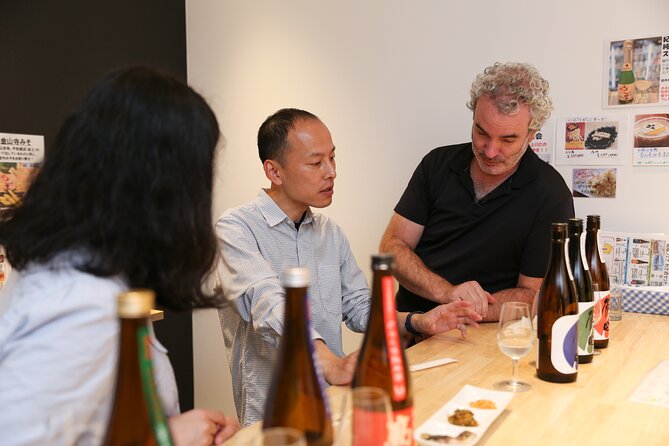
If you want sake but don’t want a stuffy lecture, this is the format that fits. The tasting is designed around friendly guidance: you learn the basics of production, you taste multiple styles, and you get help deciding what to order next time. It feels like a guided night out rather than a classroom, and that matters.
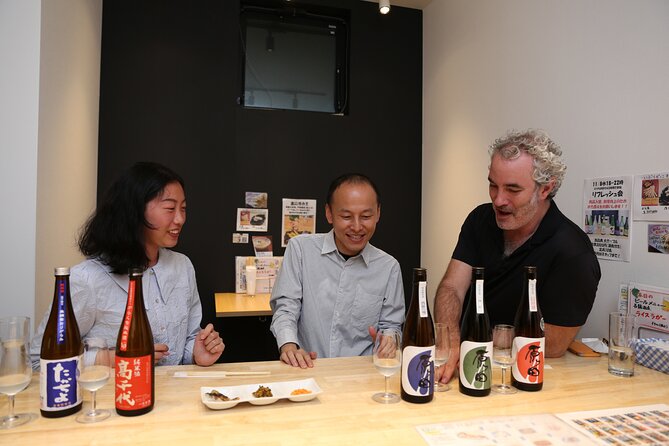
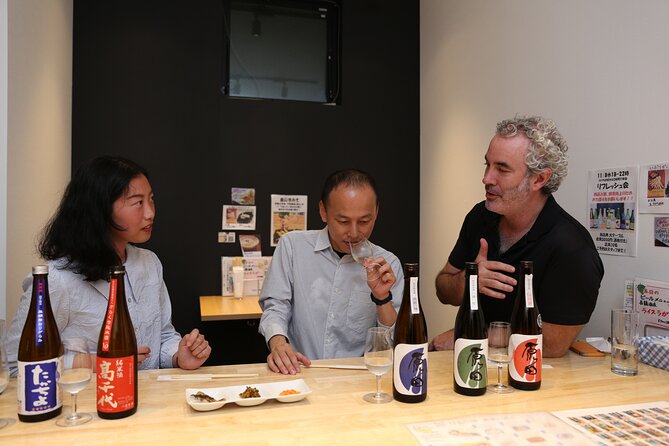
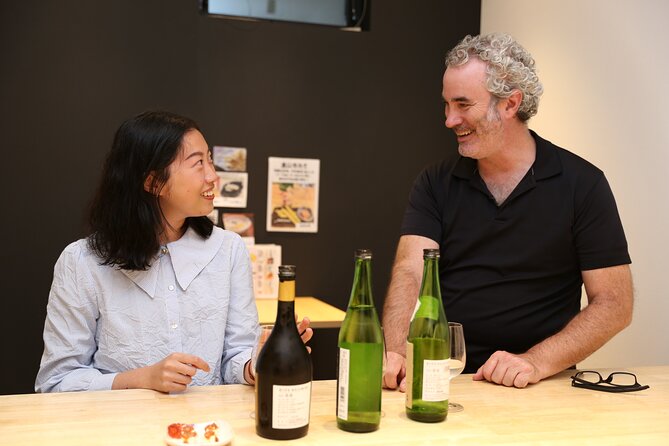
The setting is part of the charm. You’re at a standing bar in central Kyoto, so the pace is lively. Instead of settling in with a long sit-down meal, you’re moving through pours and conversation. It’s also a nice equalizer: everyone is shoulder-to-shoulder (or close), asking questions, and comparing notes in real time.
And Kenji’s role is practical. He doesn’t just explain sake like a textbook. He helps you connect what you taste to what it means—how it’s made, what style it is, and what that style tends to pair well with. That’s why the experience works even if you’ve never bought a bottle of sake before.
You can also read our reviews of more food & drink experiences in Kyoto

Where you meet near Shijo and Karasuma (and why it’s easier than it sounds)
Your meeting point is at the intersection of Shijo and Karasuma streets. Look for the imposing Mitsui Building on the northeast corner. Kenji will be out front, and you’ll recognize him by his LINNELL’S backpack.
From there, it’s about a ten-minute walk to the tasting location. That short transfer is actually useful: it keeps the night moving, but it doesn’t require a long commute. For a first-time Kyoto visitor, it also prevents the classic problem where you spend half your experience navigating transit and missing the vibe.
Practical tip: wear comfortable shoes. The tasting location is a standing bar with no seats, so comfortable footwear matters twice—on the walk and during the tasting itself.
Two hours of private attention: what the pacing is like
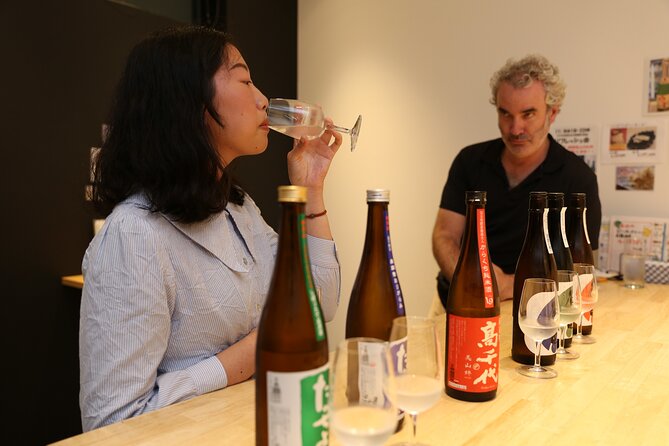
This is a private group experience for 1–4 people, which changes everything about how the night goes. You’re not competing for attention, and you can ask questions as they come up. If you like crisp styles, Kenji can steer you toward that direction. If you’re curious about something drier, smoother, or more aromatic, you’re not stuck with whatever the person next to you ordered.
The total time is two hours. That’s a sweet spot. Long enough to taste multiple sakes, compare differences, and get real guidance on ordering. Short enough that you still feel like you made a smart plan, not a half-day commitment.
You’ll cover the ins and outs of sake production, plus how to order and enjoy sake in everyday settings. The biggest win here is that you’ll stop treating sake like a mystery drink. You’ll start treating it like something you can choose on purpose.
The standing bar setup: cool Kyoto energy, with one clear tradeoff
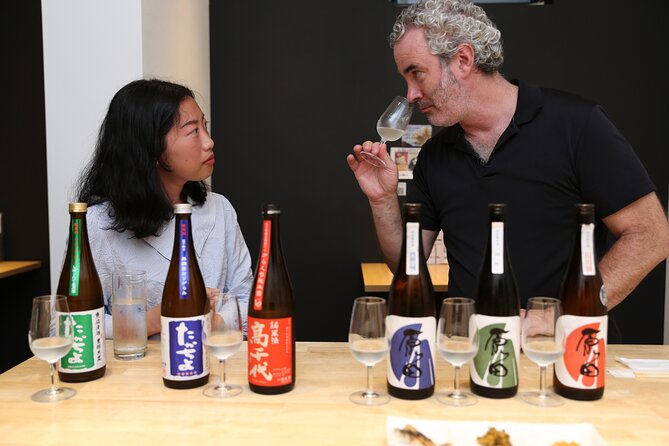
Let’s talk about the elephant in the room: there are no seats. You’re standing at a bar while you sip and learn. For many people, this is the fun part. It feels more like a real local-style tasting session than a formal event.
The tradeoff is obvious: if you’re dealing with mobility issues, or you just hate standing for extended periods, you may feel it. The experience asks you to be comfortable on your feet for the full tasting window.
If standing bars are your thing, you’ll likely love the intimacy and the casual energy. You can talk with your guide, compare tastes with your group, and feel like you’re part of the action. If not, plan for breaks as much as the bar setup allows and be honest with yourself before you book.
What you actually taste: eight sakes across Japan
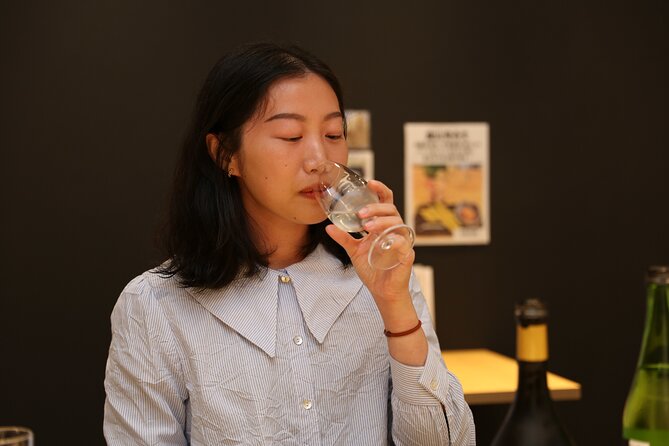
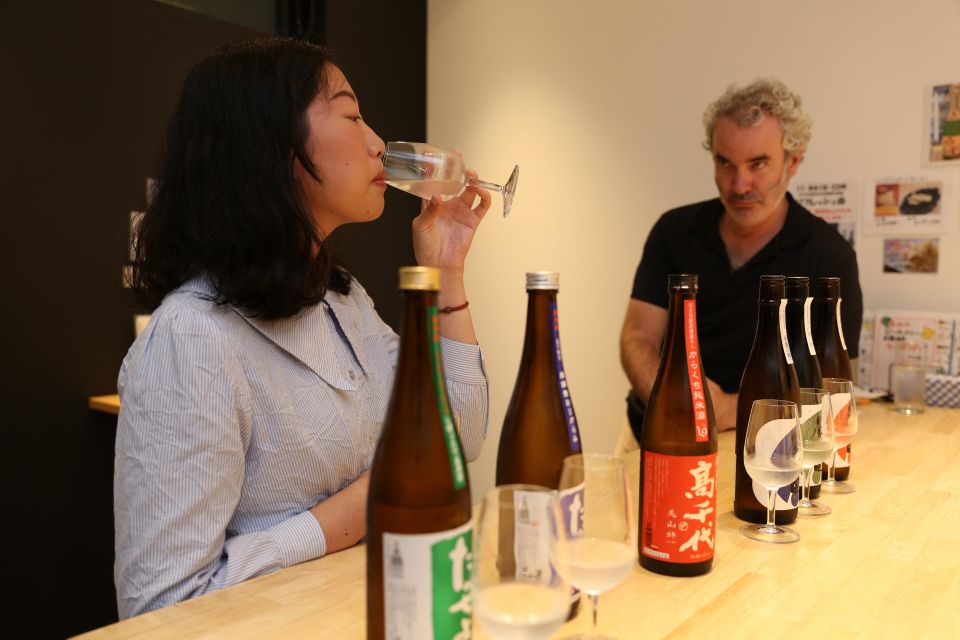
The heart of the night is the tasting itself. You’ll sample eight different kinds of sake, and they come from across Japan. That “from across Japan” part is key because it turns the experience into comparison, not just consumption.
Sake isn’t one flavor. It’s a spectrum. During the tasting, Kenji explains production details and helps you understand why sakes taste different. You’ll learn what to look for in the glass—style differences you can recognize later when you’re ordering in a restaurant.
One review highlighted how unpasteurized sake showed up in the lineup and became a personal favorite. That’s exactly what this type of guided tasting is good at: it can introduce you to styles you might never pick on your own. Another review mentioned that the selection can surprise you from the first pour onward, which matches the point of tasting multiple styles rather than repeating the safe choice.
And because you taste more than just one “kind” of sake, you leave with a clearer sense of your own preferences. Not just I like sake, but I like this style when it’s crisp, or I prefer this profile when it’s paired with something salty.
You can also read our reviews of more private tours in Kyoto


Learning to order: the practical part that sticks
Most tastings are fun, but they fade quickly. This one is built to stick. You learn how to order and enjoy sake, so the knowledge has a destination.
Here’s what you’ll get from the guidance:
- You’ll understand how different styles behave on the palate, so you’re less likely to be disappointed by a random restaurant pour.
- You’ll get better at deciding what to try next, especially if you’re starting out and overwhelmed by the choices on a menu.
- You’ll understand enough about production to ask better questions, which can make even a simple meal feel smarter.
Kenji also makes the experience feel personal. Reviews mention that he tailors the tasting to individual preferences and even helps with basic Japanese language when asked. That last part can be surprisingly helpful in Kyoto, where a little confidence goes a long way.
If you’re the type who likes learning a few useful phrases and then putting them to work, this is a strong match. You’ll feel more “in the know” by the end, without turning it into a performance.
Snacks included: why they matter for sake
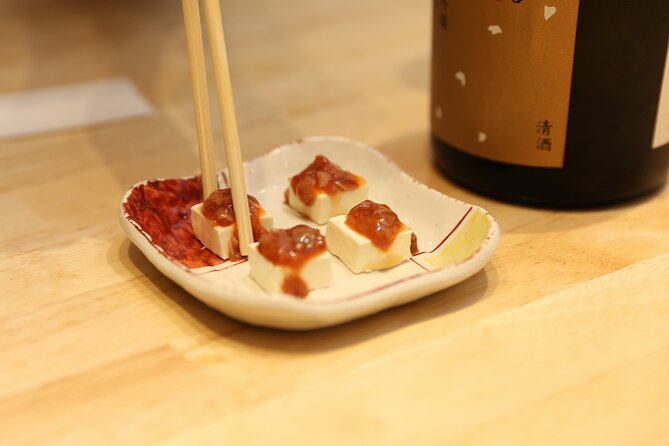
You’re not drinking sake in a vacuum. Traditional Japanese snacks are included with the tasting, and that’s more important than it sounds.
Sake tastes different depending on what you’re eating. Snacks give your palate something to interact with, so you can better notice whether a certain pour works with salty, savory, or slightly sweet flavors. It also keeps the experience comfortable. Two hours of alcohol isn’t the easiest situation if you’re only sipping and ignoring food.
The snacks also make the whole thing feel like a Kyoto night out, not a sterile test. You’re learning, eating, and tasting in a natural rhythm.
Price and value: is $83 per person fair
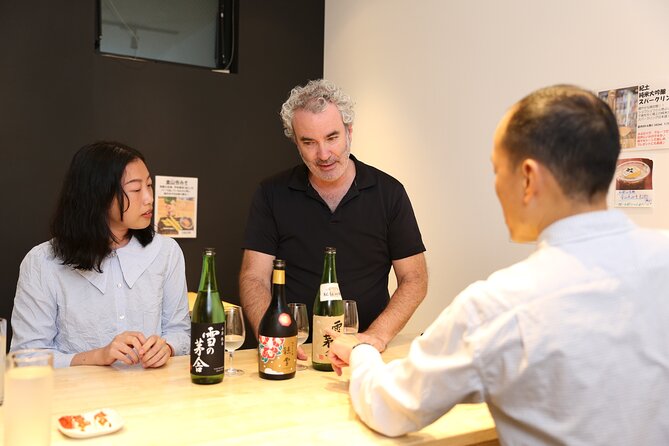
Let’s do the practical math and the practical thinking. The price is $83 per person, and the duration is two hours. You’re getting:
- A certified international sake sommelier (English speaking)
- Tastings of eight different sake varieties
- Traditional Japanese snacks
- A private group format (1–4 people)
So you’re not paying only for drinks. You’re paying for translation of taste into understanding—plus the guidance that helps you pick future sakes confidently. In my view, that’s where the value comes from. A cheaper tasting without real explanation can leave you with five minutes of fun and zero ability to choose well later.
The other value piece is the format. A standing bar in central Kyoto gives you an authentic “real Kyoto” feel, and the private group means you can ask questions without feeling rushed or ignored.
Possible reason it might not feel worth it for you: if you already know exactly what you like and you mainly want a quick drink. In that case, you might prefer a self-guided bar stop. But if you want to learn and come away with real ordering confidence, the price makes more sense.
Who should book this private sake tasting
This experience is a great fit if:
- You want to taste multiple sake styles instead of just ordering one safe pour
- You like learning from a guide and asking questions
- You enjoy small-group attention and a relaxed pace
- You want help ordering sake later in restaurants
- You’re comfortable standing for part of the experience
It’s not the right fit if:
- Standing bars are a dealbreaker for you
- You need a fully seated experience
- You’re under 20 (you must be at least 20)
- You’re pregnant (the experience is not suitable)
If you’re in Kyoto for a few days and you already know you’ll be eating well, a guided sake tasting pairs nicely with that plan. It helps you understand what drinks might elevate the meal rather than compete with it.
Should you book? My straight answer
Book it if you want a guided tasting that leaves you with practical confidence, not just photos and a warm buzz. The mix of eight sakes, Kenji’s sommelier guidance, and the standing-bar Kyoto atmosphere makes this one feel like you actually learned something you can use.
Skip it (or choose something else) if you hate standing for long stretches or you’re simply looking for a casual drink with zero learning. And if you don’t meet the age requirement or the experience’s suitability rules apply, don’t force it.
If you’re ready to compare styles, ask questions, and leave with a sense of what you genuinely like, this is the kind of two-hour experience that improves the rest of your Kyoto meals.
FAQ
How long is the private sake tasting?
It lasts 2 hours.
What is the price per person?
The price is $83 per person.
How many sake types will I taste?
You’ll taste eight different kinds of sake.
Where do I meet the guide?
Meet at the intersection of Shijo and Karasuma streets at the Mitsui Building on the northeast corner. Kenji will be out front with a LINNELL’S backpack.
Is transportation included?
No. Transportation to and from the tasting location is not included.
What’s included in the experience?
It includes guided tastings of sake and traditional Japanese snacks, guided by an English-speaking sake sommelier.
What languages are available?
The experience is offered in English and Japanese.
Are there age or suitability limits?
You must be at least 20 years old. It is not suitable for pregnant women.