REVIEW · KYOTO
Kyoto Photo Travel with Local Guide and Personal Photographer
Book on Viator →Operated by KimuraPhoto · Bookable on Viator
Kyoto photos without the selfie scramble. This private 6-hour walk pairs a local guide with a personal photographer so you spend less time asking strangers and more time seeing Kyoto’s highlights: Gion’s lanes, Fushimi Inari’s torii, and Higashiyama. I like the relaxed photo coaching that helps you look natural, and I like getting color-edited digital photos from the session. One thing to plan for: temple entrance fees are extra, and you’ll pay on site in cash if you choose to go inside.
I also like that the guide thinks about routes and timing. You’re guided toward the best paths and picture-ready angles without turning your day into a scavenger hunt. Plus, it’s straightforward to join with a near-public-transport meeting point and a mobile ticket.
Since this is private, your group can move at a comfortable pace, and the photographer can adjust if you want more “walking” photos or more classic portrait frames. Keep in mind it requires good weather, so the plan may shift—or you’ll be offered a different date—if conditions are rough.
In This Review
- Key things to know before you go
- A private photo walk with real Kyoto pacing (not a checklist)
- Where you meet: Kyoto Station area and an easy start
- How the tour’s 6 hours are meant to feel
- Gion streets: where your photos feel like Kyoto, not a postcard
- Fushimi Inari torii: the iconic shot that needs smart timing
- Higashiyama gardens: calm backdrops for portraits
- The photo shoot itself: what you get and what to expect
- Price and value: how $91 stacks up in Kyoto
- Who this is best for (and who might want something else)
- Weather and crowd reality: plan for flexibility
- Should you book it?
- FAQ
- What’s included in the Kyoto photo experience?
- Are temple entrance fees included?
- How long is the tour?
- Is this a private tour?
- Where do we meet and where does it end?
- What happens if the weather is bad?
Key things to know before you go
- Local guide + personal photographer together so you get context and the photo work at the same time
- 6 hours in Kyoto focused on major areas like Gion, Fushimi Inari, and Higashiyama
- Color-edited digital photos included from the shoot (digital only)
- Temple entrances cost extra if you decide to go in (cash, typically 500–1000 yen)
- Private group experience with attention to pace and comfort
- Good weather is required, so build in flexibility
A private photo walk with real Kyoto pacing (not a checklist)
This is a photo tour that’s built around comfort. Instead of you standing around and hoping someone will take a good shot, you’ll have both a local guide and a photographer working as a team.
The local guide portion matters because Kyoto’s best photo moments aren’t always the most obvious ones. The tour is described as using smart routes and the “perfect times” for light, plus “quiet streets” and picture-ready spots that many people walk past. In practice, that means your day feels like a stroll with someone who knows where to stand, where to turn, and when the scene will look right.
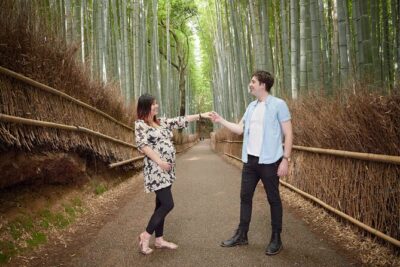
The photographer portion matters because they’re aiming for natural results. The pitch is very clear: less posing, more being you. That’s the right approach for Kyoto, where the setting does half the work. If you can relax and walk confidently, the photos usually look like a story of your time here, not like a forced studio session on the street.
A private setup also helps with family situations. The tour description and feedback both highlight patience and flexibility, which is exactly what you want on busy Kyoto days.
You can also read our reviews of more guided tours in Kyoto
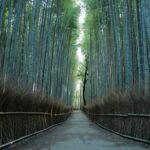
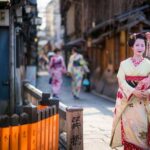
Where you meet: Kyoto Station area and an easy start
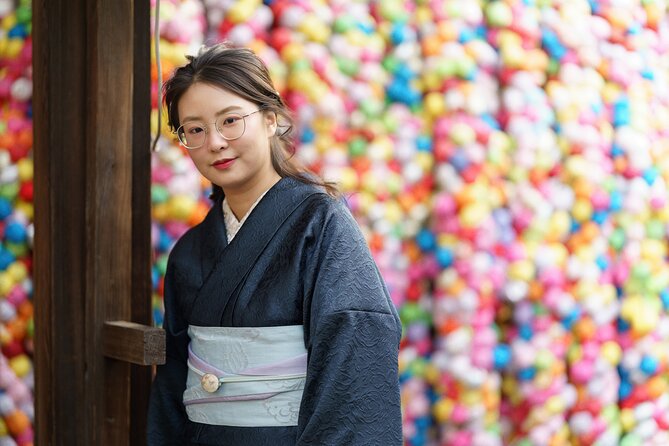
You start at Kyoto Station, at Higashishiokoji Kamadonocho, Shimogyo Ward, Kyoto, 600-8216, Japan. The end point is back at the same meeting area.
That matters for two reasons:
- You don’t lose half a day on logistics. Kyoto Station is the hub for trains and city connections.
- You can start on time without stress. The activity runs 8:00 AM to 6:00 PM, Monday through Sunday, with confirmation typically within 48 hours of booking (if space is available).
You also get a mobile ticket, which keeps things simple when you’re walking Kyoto streets with cameras, bags, and the kind of schedule that changes quickly when you spot a great doorway or a better angle.
How the tour’s 6 hours are meant to feel
The tour is listed as about 6 hours. That’s long enough to move between areas and get multiple photo moments, but short enough that you’re not stuck in “photo exhaustion” mode by midday.
The key promise is that you’re not doing isolated stops where you run in, snap a few frames, and run out. The goal is more like: walk through the scene, learn a bit from your guide, and let the photographer capture you in motion and in context.
You’ll also have control over what costs money. Temple entrance fees are not included, and some temples require payment. The tour notes that you can choose not to visit those paid sites. That gives you a simple trade-off: spend a few extra minutes and yen for specific interiors, or keep it mostly outdoors and flexible.
Gion streets: where your photos feel like Kyoto, not a postcard
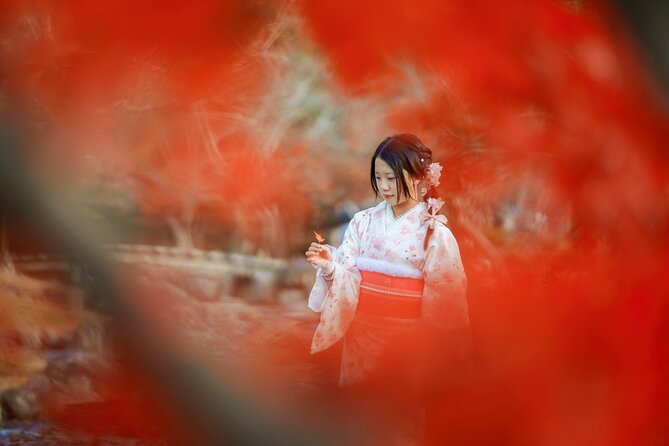
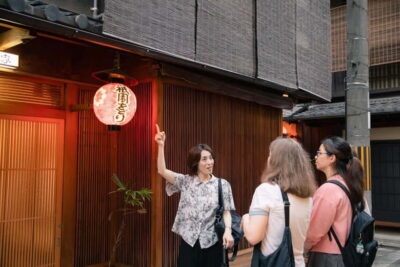
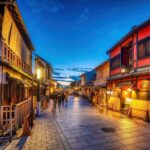
Gion is one of those places where the atmosphere does a lot of the work. The tour specifically calls out Gion’s historic streets and the idea of lantern-lit alleys—exactly the kind of setting that looks great in photos because it has texture, depth, and story.
Here’s what I think this stop is really for. Gion can be crowded and hectic. If you’re trying to handle sightseeing and photo-taking at the same time, it becomes a stress test. Having a guide and photographer together changes the whole vibe. Your guide can handle the flow of where to go next, and the photographer can work with where crowds allow you to frame your shot without stopping the day.
A practical consideration: Gion’s streets are narrow and busy. The “private” aspect helps you avoid the constant waiting that happens when you’re trying to coordinate with strangers. You’ll still see people—you’re in Gion—but the pacing is calmer when you’re not sharing attention with a big group.
Fushimi Inari torii: the iconic shot that needs smart timing
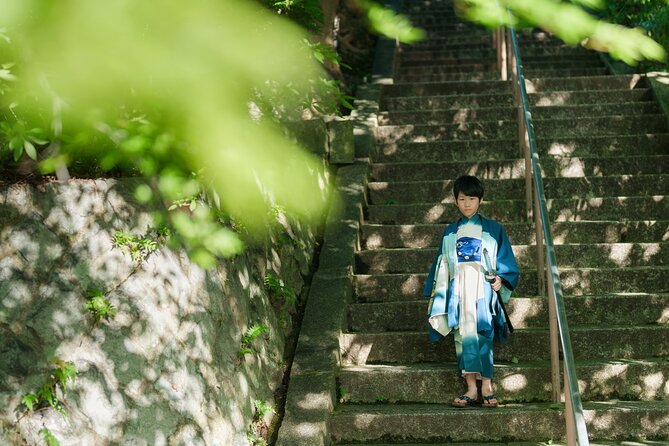
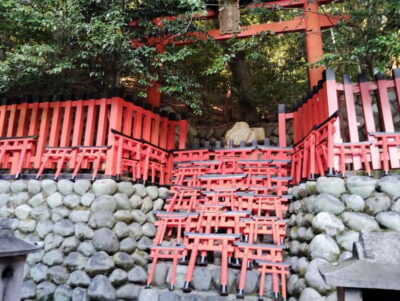
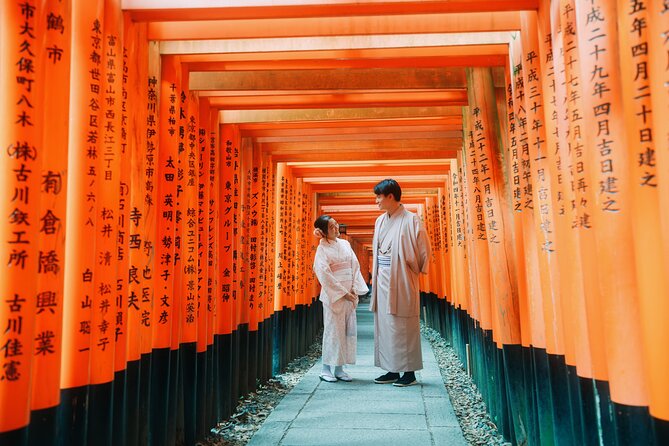
The tour highlights Fushimi Inari and its red torii gates. This is the classic Kyoto image, and it’s also the one that can go wrong if you don’t plan for crowds and direction of light.
Even without getting technical, you can feel the difference when someone is guiding you. The tour description emphasizes the “best routes” and “perfect times to catch beautiful light.” That’s the whole game at Fushimi Inari: torii lines create strong leading lines, but busy foot traffic can flatten your photos if you’re not positioned well.
Because entrances are sometimes paid at temples, and because you can choose what to visit, you’ll have options for how deep you want to go. The tour data states entrance fees can vary by temple and are typically 500–1000 yen, paid in cash on site. It’s a straightforward budget reality for this stop.
Another practical point: torii areas can involve more walking than people expect. If you want mostly portraits with a smaller walk, you can still get strong shots, but it’s worth being honest with your guide about how much time you want to spend moving through the gates.
You can also read our reviews of more photography tours in Kyoto

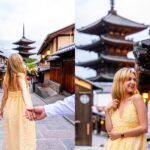
Higashiyama gardens: calm backdrops for portraits

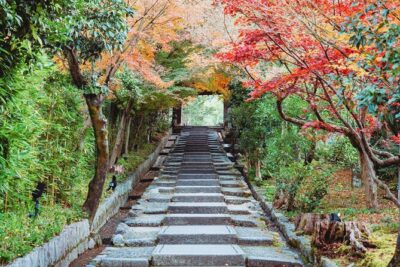
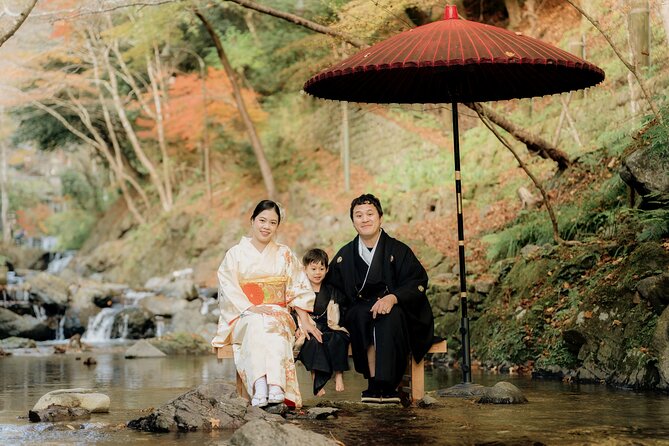
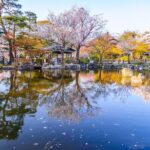
The tour includes the peaceful gardens of Higashiyama as one of the key areas. This part of Kyoto is often photographed because it gives you softer, quieter visual structure—green, stone, pathways, and frames that make people look like they belong in the scene.
For photos, gardens work because they provide natural “borders.” Even when you’re walking, your background stays clean enough to read as Kyoto. And if you’re trying to avoid the chaos of the busiest streets, Higashiyama-style scenery helps your photos look balanced.
This stop also fits the tour’s bigger theme: “more like enjoying a stroll with a friend.” When the background is calmer, it’s easier for the photographer to capture you without needing you to pause and pose for long periods.
The photo shoot itself: what you get and what to expect
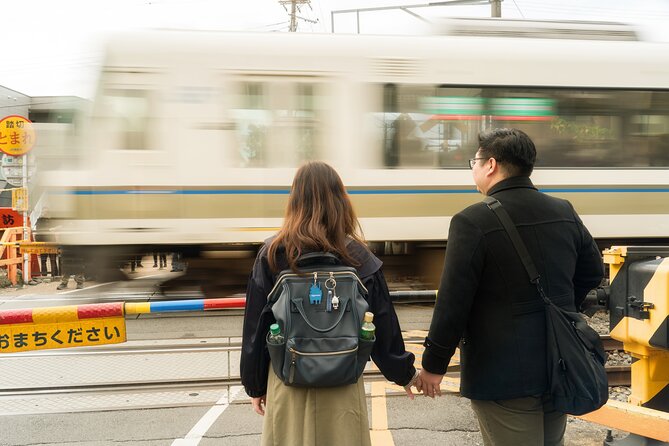
Included in the tour:
- Photoshoot during the tour
- Slide edit color digital only
- All the photo during tour (as stated)
So the core value is not just that you’ll visit famous places. It’s that you’ll leave with a set of color-edited digital images taken throughout the walk, not only at one or two pre-selected moments.
The tour’s approach is also designed to keep you comfortable in front of a camera. The guide and photographer aim for a relaxed, natural feel. That means you’ll likely get direction on where to stand or how to move, but it should still feel like you’re enjoying Kyoto rather than performing.
One more reason this matters: Kyoto is full of perfect corners, but figuring out how to pose in front of a torii gate or down a lantern-lit alley is harder than it looks. This tour handles that awkwardness for you.
If you’re someone who dislikes staged photos, this tour’s style is a strong match. If you love dramatic portrait posing, it can still work, but you’ll want to communicate your preference early in the walk so the photographer leans into the look you want.
Price and value: how $91 stacks up in Kyoto

The price is $91.04 per person for approximately 6 hours, including the local guide and personal photographer plus the color-edited digital photo set.
Is it “cheap”? Kyoto can be pricey when you add guides, private time, and photography. But here’s why this price can feel fair: you’re not just buying a walk. You’re buying (1) local routing and context, (2) a dedicated photographer focused on you, and (3) digital photo work afterward in the form of slide editing in color.
Your main extra cost to budget is entrance fees if you decide to enter paid temples. The tour notes 500–1000 yen per temple on site and that payment is by cash. It also says you can skip temple visits if you want to keep costs predictable.
So the real “value equation” is simple:
- If you’re happy staying mostly outdoors or choosing fewer paid interiors, you’ll likely keep your day within a tight budget.
- If you want to add temple entrances, plan on cash and expect a small daily bump.
This is the kind of tour that can also save you money indirectly. Instead of juggling multiple phone photos, you get a clean set of edited images without hiring separate services.
One more note on timing: this activity is often booked about 86 days in advance. That’s a signal that the slots are in demand—especially around busy periods—so it’s smart to plan early.
Who this is best for (and who might want something else)
Best fit:
- Couples and friends who want memorable photos but don’t want stiff posing
- Families who want a calmer, patient approach while still seeing major Kyoto highlights
- People with limited time who want iconic Kyoto areas covered in a single focused day
- Anyone who values both local guidance and photography help in the same experience
Less ideal:
- If you mainly want a deep, step-by-step history lesson. This tour is photo-focused, with context offered along the way.
- If you prefer to roam completely on your own and take photos whenever you feel like it. This is structured around a guided route and a photographer’s workflow.
The line about “most people can participate” is helpful. It suggests you’re not expected to handle anything extreme. Still, you are walking for about 6 hours, so you’ll want to be comfortable on your feet.
Weather and crowd reality: plan for flexibility
The tour requires good weather. That’s not just for comfort. Photo results depend on it—light, visibility, and the ability to walk and stop where needed.
Busy Kyoto days are part of the deal. The tour format helps because it’s private, and the guide and photographer can adjust your approach to crowd flow. Still, if you’re traveling during a peak season or a major holiday, it’s smart to treat the schedule like “guided, not rigid.” Great results usually come from adapting in the moment.
If weather turns, the tour data says you’ll be offered a different date or a full refund. That’s the right kind of safety net for a walking photo experience.
Should you book it?
Book this tour if you want photos that look like Kyoto and you don’t want to spend your day wrestling with timing, posing, and crowd management. The combination of a local guide plus a personal photographer, along with color-edited digital photos from throughout the walk, is the core value.
Skip it (or look for a different style) if you only want to visit places and you’re happy taking your own shots. This isn’t “just another sightseeing tour.” It’s designed for people who care about the results and want someone to handle the camera-side details.
If you’re aiming for standout images from Gion, Fushimi Inari, and Higashiyama without turning your day into a stress marathon, this is a strong pick. Just bring cash for any paid temple entrances you decide to include, and keep an eye on the weather so you get the best light possible.
FAQ
What’s included in the Kyoto photo experience?
You get a photoshoot during the tour plus slide editing in color, delivered as digital-only photos. The tour also states that all photos taken during the tour are included.
Are temple entrance fees included?
No. Entrance fees are not included and can vary by temple, typically 500–1000 yen. Payment is made in cash on site. It’s also noted that you do not have to visit temples if you don’t want to.
How long is the tour?
The experience runs for about 6 hours.
Is this a private tour?
Yes. It’s a private activity, so only your group participates.
Where do we meet and where does it end?
You meet at Kyoto Station (Higashishiokoji Kamadonocho, Shimogyo Ward, Kyoto, 600-8216, Japan). The activity ends back at the same meeting point.
What happens if the weather is bad?
The experience requires good weather. If it’s canceled due to poor weather, you’ll be offered a different date or a full refund.