REVIEW · KYOTO
Peaceful Kyoto Walking Tour
Book on GetYourGuide →Operated by Reelu inc · Bookable on GetYourGuide
Kyoto slows down on this quiet walk. I like how the tour gives you clear context at Nanzen-ji and then times the day so you can linger over Ginkaku-ji’s Zen gardens without feeling rushed. I also love the built-in pause at Blue Bottle Coffee in a 100-year-old townhouse, because it breaks up temple time with a comfy, local pace. The main catch: it involves a fair amount of walking and the info notes it’s not suitable for people with mobility impairments.
In past groups, guides such as Eiko and Ayoko have been praised for very understandable English and for answering questions with real care. You’ll get a guided route, but it still feels like Kyoto at street level: footpaths, gardens, and that soft morning/early-day rhythm around Higashiyama.
In This Review
- Key Highlights You’ll Actually Feel
- How the 4-Hour Pace Works (and Why It Matters)
- Starting at 蹴上駅 and Settling Into Nanzen-ji
- Blue Bottle Coffee Kyoto Cafe in a 100-Year Townhouse
- Eikan-dō (Zenrin-ji): Amida Buddha and a Temple Pause
- Walking the Philosopher’s Path from Eikando to Ginkaku-ji
- Ginkaku-ji at the Finish: White Sand, Moss, and Wabi-Sabi
- Price and Value: What $61 Covers (and What’s Extra)
- What to Bring (and How to Not Feel Rushed)
- Who This Tour Fits Best (and Who Should Skip It)
- Should You Book This Peaceful Kyoto Walking Tour?
- FAQ
- FAQ
- Where does the tour start?
- Where does the tour end?
- How long is the tour?
- Is the tour guided?
- Are coffee or tea included in the price?
- Do I need to pay temple admission fees?
- What is the main walking route between temples?
- Is it suitable for people with mobility impairments?
- What should I bring?
- What is the cancellation policy?
Key Highlights You’ll Actually Feel
- Nanzen-ji’s Sanmon Gate and Hojo Garden plus the brick aqueduct of the Lake Biwa Canal
- Blue Bottle Coffee in a 100-year-old townhouse for a short reset
- Eikan-dō (Zenrin-ji) with the Amida Buddha and pond garden and a decent chunk of free time
- Philosopher’s Path walking north, with cherry trees and seasonal flowers along the canal
- Ginkaku-ji’s wabi-sabi gardens, including the white sand garden Ginsadan and moss-covered areas
- A meditation-friendly pace built around guided visits and short stretches to wander
How the 4-Hour Pace Works (and Why It Matters)
This tour is 4 hours long, and that length is the secret. It’s long enough to feel like a real Kyoto day, but short enough that you’re not spending the entire time craning between train stations and ticket lines. The walking is steady, not sprinty, and the route is built around places where stopping is the point.
You’re basically moving through two kinds of Kyoto: the big, iconic Zen sites (Nanzen-ji and Ginkaku-ji) and the calmer in-between spaces (Eikan-dō and the Philosopher’s Path canal walk). That mix is what makes the experience relaxing. Instead of “see everything,” you get “see a few things well,” with breaks that keep your legs and attention from burning out.
One more practical note: you’ll be on your feet for a fair amount of time. If you hate even short climbs, or if you need step-free access throughout, you should think twice. The tour is described as wheelchair accessible, yet it also says it’s not suitable for people with mobility impairments—so it’s worth matching the route to your needs before booking.
You can also read our reviews of more walking tours in Kyoto

Starting at 蹴上駅 and Settling Into Nanzen-ji
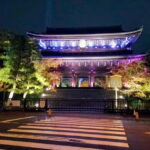
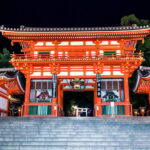
You begin at 蹴上駅, then head straight into Nanzen-ji, one of Kyoto’s most important Zen complexes. Plan to arrive ready to walk with intent. You start with an hour that’s designed for orientation: the guide helps you read what you’re looking at instead of treating it like a checklist.
At Nanzen-ji, the highlights are the dramatic architecture and the garden design. You’ll see the imposing Sanmon Gate, then move through spaces shaped by careful landscaping—especially the Hojo Garden, known for its manicured, serene feel. You also get a distinctive Kyoto-unique element: the brick aqueduct linked to the Lake Biwa Canal. It’s not just “an old structure.” When you’re standing near it, it shows how infrastructure and temple life historically intertwined.
This first temple stop sets the tone for the whole day. Once you’ve absorbed that Zen-temple rhythm, the later gardens and quiet paths make more sense. You’ll also get time to slow down and actually look—Kyoto’s details reward patience.
Potential drawback: if you’re expecting a fast, photo-only tour, this won’t be that. It’s built around guided time and slow appreciation, which is great—just know what you’re signing up for.
Blue Bottle Coffee Kyoto Cafe in a 100-Year Townhouse
Next comes a short coffee break at Blue Bottle Coffee Kyoto Cafe, a cafe set in a 100-year-old townhouse. This matters more than you might think. Temple mornings can blur together. A cozy stop in an older neighborhood building gives your brain a reset, and it’s a nice contrast to the heavy stone and formal garden spaces.
The break is about 25 minutes (short enough to keep the tour moving, long enough to order, sit, and feel human again). Since coffee and tea aren’t included, this is also the one moment to pick your preference—if you want something light, you can do that. If you’re traveling with a camera, it’s also an easy place to stop and catch your breath before the next leg.
Why I think this stop adds value: it gives you a taste of modern Kyoto without forcing you into a tourist mall. You get that “old building + modern habit” feeling, and then you’re back outside, ready to walk.
Tip: bring water from the start if you’re heat-sensitive. The coffee helps, but it won’t replace hydration.
Eikan-dō (Zenrin-ji): Amida Buddha and a Temple Pause
After the cafe, the tour heads to Eikan-dō (Zenrin-ji) for a guided visit of about 30 minutes. This is the part of the route that feels more meditative. The temple is famous for its seasonal beauty—especially autumn foliage—but even outside peak color, the setting works because it’s grounded in garden tranquility.
You’ll focus on a few key sights: the Amida Buddha statue and the tranquil pond garden. Those are visual anchors. The guide’s explanations help you connect the garden layout to how people experience it—how the eye moves, where quiet pauses naturally happen, and why the temple is considered a seasonal favorite.
Then you get 30 minutes of free time to explore. That free chunk is important. A guided tour can teach you where to look, but you often need unstructured time to absorb it. In autumn, the leaves are described as especially enchanting here, so if you’re visiting in fall, this is a strong reason to pick this route.
Possible consideration: free time can tempt you to wander faster than you should. Give yourself a slower pace, especially if you want photos. The garden experience tends to work best when you’re not rushing between angles.
Walking the Philosopher’s Path from Eikando to Ginkaku-ji
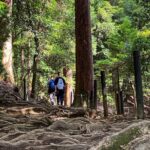
Now you shift to movement with atmosphere: the Philosopher’s Path, a quiet scenic trail lined with cherry trees and seasonal flowers along a canal. The walk runs north and is set up to be leisurely, not punishing—about 45 minutes with a little room for shopping.
This path also has a story. It’s said that philosopher Kitaro Nishida walked here while pondering his thoughts. Even if you don’t care about philosophical lore, the idea of walking slowly along water and trees helps you slow down in real time. Kyoto is good at making you do that.
What you’ll likely notice: you get a continuous view as you move, not just random “snapshot stops.” The route is described as offering a continuous look from Eikando toward Ginkaku-ji, so you’re not forced to constantly stop to connect the dots.
Practical tip: wear shoes that can handle long outdoor time on uneven or stone surfaces. Even if the walking feels gentle, the ground can be unpredictable in temple areas.
Ginkaku-ji at the Finish: White Sand, Moss, and Wabi-Sabi
You end at Ginkaku-ji (Jisho-ji), a UNESCO World Heritage Site, with a guided visit of about 30 minutes. This is the payoff stop, especially if you’re drawn to “less but better” design. The temple is known for wabi-sabi, the Japanese aesthetic connected to imperfection, restraint, and quiet depth.
The big features here are clear and memorable:
- the white sand garden, Ginsadan
- the moss-covered garden
- the serene study hall
If Nanzen-ji is about grand structure and garden formality, Ginkaku-ji is about atmosphere and subtle texture. The sand and moss aren’t just pretty. They’re about how the space makes you look—carefully, slowly, and without needing loud effects.
End-point logistics are also straightforward: the tour finishes at 東山慈照寺. After you wrap up, you’re in the right neighborhood to keep exploring on your own, but the day won’t feel like you overstuffed it.
One last thought: this ending works well because the earlier stops train your attention. When you reach Ginkaku-ji, you’re already in “Kyoto mode,” so you can absorb it instead of just seeing it.
Price and Value: What $61 Covers (and What’s Extra)
The tour price is $61 per person, which is a solid deal for a 4-hour guided route across three major temple sites plus a planned coffee break. But you should plan for temple admissions, since they’re not included.
You’ll pay on top of the tour fee for:
- Nanzen-ji: JPY 600
- Eikan-dō: JPY 600
- Ginkaku-ji: JPY 500
That’s JPY 1,700 total in admissions. Coffee and/or tea are also not included, so budget separately for your drink at Blue Bottle.
Here’s the value logic: you’re paying for English guidance through sites where details matter—architecture, garden design, and Zen context. Without a guide, you’d still see the buildings, but you might miss why they’re composed the way they are. This tour seems built for that “make sense of what you’re looking at” payoff, and the high ratings suggest the explanations land well.
So if you enjoy structure, direction, and a calm pace, the price-to-time ratio looks favorable. If you prefer total freedom, you could do it on your own—but you’d likely spend your energy sorting routes and ticket timing instead of learning.
What to Bring (and How to Not Feel Rushed)
This tour is practical, but it still asks something of you: comfortable shoes and water. I’d add a camera if you like details—gardens, gates, sand patterns, and seasonal flowers are the type of scenes you’ll want to capture slowly.
Minimum essentials:
- Comfortable shoes
- Camera
- Water
Also, dress like you’re walking between temples, not walking between stops. Bring layers in cooler weather and plan for sun in warmer months. Kyoto mornings can change quickly, and you’ll be outdoors for stretches.
If you’re traveling with limited stamina, take the time seriously. The tour includes guided time and walking time, so you can’t just treat it like a “light stroll.” You’ll enjoy it more if you pace yourself from the first stop.
Who This Tour Fits Best (and Who Should Skip It)
This is a strong fit if you want Kyoto that feels quiet and thoughtful. It works well for:
- people who like Zen gardens and temple architecture
- travelers who want an English guide to explain what they’re seeing
- anyone who enjoys a calm morning rhythm more than an action-packed checklist
- visitors who want a break built into the schedule (the Blue Bottle stop helps)
Who should skip or at least reconsider:
- anyone who can’t handle a fair amount of walking
- anyone with mobility impairments, since the tour notes it’s not suitable for that group (even though it’s labeled wheelchair accessible, the wording is mixed enough that you should confirm with the provider)
If you’re the type who gets irritated by crowds, this tour’s flow through serene spaces is a nice match. And if you’re a fall visitor, Eikan-dō’s autumn-focus reputation makes the route especially appealing.
Should You Book This Peaceful Kyoto Walking Tour?
If you want a Kyoto day that feels grounded—temples, gardens, a quiet path, and a real moment to sit down—this tour is an easy yes. The itinerary is built around places where time spent matters, and the structure helps you move efficiently without rushing through the details.
I’d only hesitate if you strongly dislike walking, or if your mobility needs are more complex than what a standard temple-area route can support. Otherwise, the combination of Nanzen-ji, Eikan-dō, the Philosopher’s Path, and Ginkaku-ji is a clean arc: architecture to calm gardens to a scenic walk to a wabi-sabi finish.
FAQ
FAQ
Where does the tour start?
It starts at 蹴上駅.
Where does the tour end?
It ends at 東山慈照寺.
How long is the tour?
The tour duration is 4 hours.
Is the tour guided?
Yes. You’ll have an English guide on a guided walking tour.
Are coffee or tea included in the price?
No. Coffee and/or tea are not included, so you pay for drinks separately at Blue Bottle.
Do I need to pay temple admission fees?
Yes. The tour lists separate admission fees for Nanzen-ji (JPY 600), Eikando (JPY 600), and Ginkaku-ji (JPY 500).
What is the main walking route between temples?
You walk the Philosopher’s Path, a canal-side trail lined with cherry trees and seasonal flowers.
Is it suitable for people with mobility impairments?
The information says it is not suitable for people with mobility impairments. It’s also labeled wheelchair accessible, so if you have specific needs, it’s smart to check before booking.
What should I bring?
Bring comfortable shoes, a camera, and water.
What is the cancellation policy?
You can cancel up to 24 hours in advance for a full refund.