REVIEW · KYOTO
Kyoto 6hr Private Guided Tour & Kimono Experience
Book on Viator →Operated by Japan Guide Agency · Bookable on Viator
Kyoto can be a blur of temples. This 6-hour private-style tour pairs Wargo kimono rental with a guide who explains the shrine and garden symbolism most people miss. You’ll get small-group attention (capped at 15) and a route built around what you want to see, not a one-size-fits-all checklist.
What I like most is that you’re not just collecting photos. At Fushimi Inari-taisha, your guide slows you down and connects the famous torii walk to deeper context, so it feels like a living place instead of a theme-park tunnel. I also like the practical pacing: kimono first, then you’re guided through major Zen and historic stops with just enough time for photos and questions.
One thing to think about: entrance fees and lunch aren’t included, and some picks take extra travel time (like Byodoin Temple in Uji). So your final cost and schedule depend on which 2–3 sites you choose.
In This Review
- Key things that make this tour work
- How the kimono + guided stops format saves your Kyoto time
- Wargo kimono in Gion: the 1-hour starter plan and what to expect
- The Zen temple choices: Golden, Silver, and the ones that feel like art
- Kinkaku-ji (Golden Pavilion) option
- Ginkaku-ji (Silver Pavilion) option
- Honen-in option for atmosphere
- Nanzen-ji option for scope
- Garden and temple sub-sites: when 15 minutes becomes meaningful
- Tofuku-ji for the season factor
- Taizo-in for a garden-focused hour
- Shugakuin Imperial Villa for a royal feel
- Ryoan-ji rock garden
- Daitoku-ji if you want Zen complexity
- Kokedera (Saihoji) for moss and UNESCO vibes
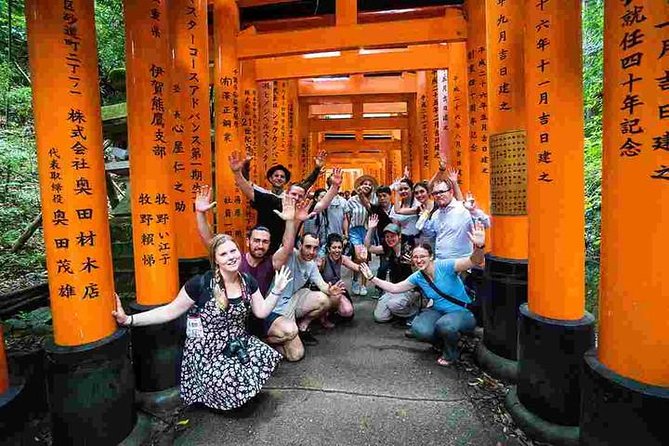
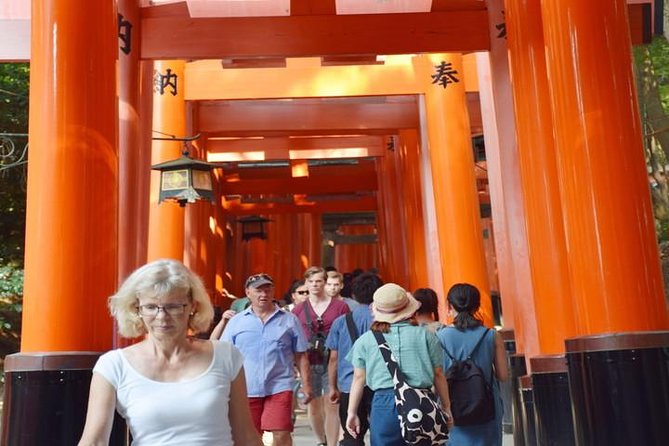
- Fushimi Inari-taisha: why a guide changes your torii walk
- Kyoto’s palace, castles, and shopping alleys: choosing the city flavor
- Kyoto Imperial Palace option
- Nijo Castle option
- Nishiki Market for food browsing and local clutter
- Pontocho for after-dark atmosphere
- Gion guidance option
- If you’re tempted by Arashiyama or Uji: factor in travel time
- Price and value: is $162.52 per person fair for 6 hours?
- Who this tour suits best (and who might want a different plan)
- Should you book the Kyoto 6hr Private Guided Tour and Kimono experience?
- FAQ
- How long is the Kyoto 6-hour private guided tour?
- Is kimono rental included, and how long does it take?
- Where is the kimono rental location?
- What kimono sizes are available?
- Do I get to choose which sites we visit?
- Are entrance fees included?
- Do I need to pay for transportation or pickup?
- Is this tour private?
- What’s included in the tour?
Key things that make this tour work
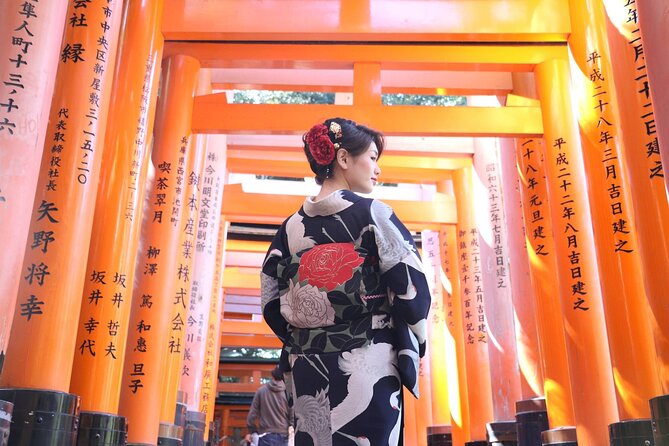
- Kimono at Wargo in Kyoto Gion: the standard plan is designed as an easy first kimono experience, and it’s built into the 6-hour plan.
- A real licensed English-speaking guide: you get explanations of meaning, history, and symbolism—especially at shrines and Zen gardens.
- Choose 2–3 stops from a long list: you avoid the common problem of “too many stops, no breathing room.”
- Fushimi Inari with story, not just torii: your guide highlights hidden symbols and what changed over time.
- Zen temple variety in a single day: from the Golden and Silver Pavilions to mossy gates and famous garden layouts.
- Good crowd strategy: going early helps you move calmly and take better photos.
How the kimono + guided stops format saves your Kyoto time
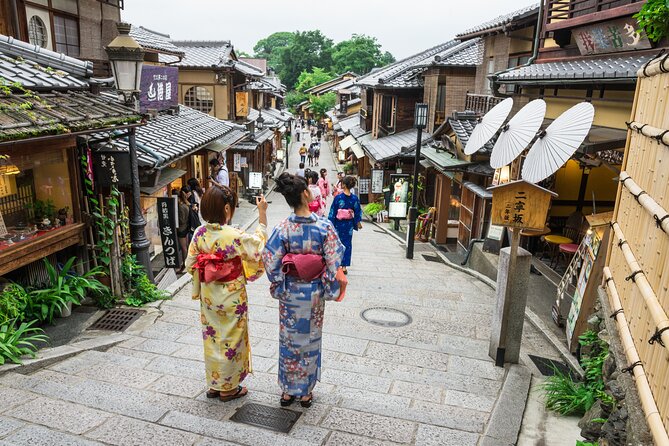
This is a 6-hour experience designed to solve two Kyoto problems fast: first, what to do when you only have a day; second, how to make big sights feel understandable instead of overwhelming.
Here’s the structure: you start with kimono time, then you meet your licensed local guide to do a custom plan of 2–3 sites from a provided menu of temples, palaces, markets, and scenic areas. That choice matters. Kyoto’s famous spots are not all equally close to each other, and trying to pack in everything usually turns into walking stress. By limiting it to a few stops, you can actually listen and look.
Also, the format is flexible enough to match different moods:
- Want iconic photos? Pick a big-name temple or shrine.
- Want quieter atmosphere and garden details? Choose the moss, rock garden, and smaller Zen sites.
- Want a more “Kyoto city” mix? You can combine a temple moment with shopping alleys like Nishiki or a dinner-side stroll like Pontocho.
If you want a day that feels guided but not rushed, this structure is the main value.
You can also read our reviews of more guided tours in Kyoto
Wargo kimono in Gion: the 1-hour starter plan and what to expect
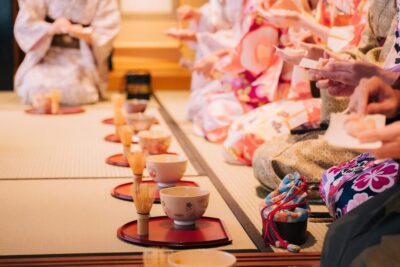
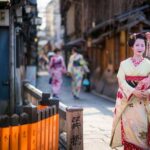
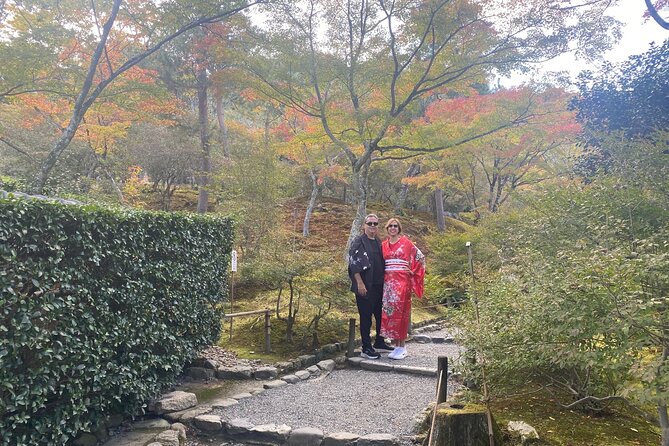
The kimono stop is at Wargo’s Kyoto Gion store, and you’ll use their Standard Kimono Plan. The idea here is simple: it’s a friendly introduction to kimono wearing, with designs described as a mix of cute charm and elegant style. You should expect it to feel more like “learn the basics” than “performance-level couture.”
Timing is built in: the kimono portion runs about 1 hour (estimated from your tour start). That’s important because Kyoto days can fall apart when kimono takes longer than you planned. With this setup, you’re not stuck wondering whether you’ll still make it to your key temple.
Sizing is another practical detail that can make or break the experience. The provided size range is:
- Women: 150–170 cm
- Men: 165–200 cm
If you can’t land on the perfect fit, the staff will dress you as best as they can. That matters if you’re between sizes or buying clothes for the trip is not realistic.
One note: entrance fees to temples and sightseeing spots are not included. So you’ll want to have some cash or card ready for whatever you choose after the kimono.
The Zen temple choices: Golden, Silver, and the ones that feel like art

When you pick your temple stop(s), you’re not just choosing a building. You’re choosing a mood and a way of seeing.
Kinkaku-ji (Golden Pavilion) option
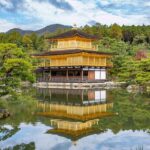
Kinkakuji is the Zen temple famous for the top floors covered in gold leaf. It’s a “wow” stop, and it photographs well. The trade-off is that it can feel like a fast visit if you only have a few minutes—so the value of a guide is getting you to notice the architectural balance and why that gold detail matters.
Ginkaku-ji (Silver Pavilion) option
Ginkakuji sits on Kyoto’s eastern mountain side, and it’s known as a Zen site connected to shogun Ashikaga Yoshimasa. Again, it’s visually striking, but the real win is using your guide to point out what to look for so you don’t spend the whole time just trying to keep up with the crowd flow.
You can also read our reviews of more private tours in Kyoto

Honen-in option for atmosphere
Honen-in is described as having a scenic approach that ends in a moss-covered gate, plus interior features like sand mounds. This is the kind of stop that can make Kyoto feel like Kyoto—quiet, gentle, and slightly cinematic. If you care about atmosphere over “biggest name,” Honen-in is a strong choice.
Nanzen-ji option for scope
Nanzen-ji has spacious grounds at the base of the Higashiyama mountains and is said to be an important Zen temple in Japan. This stop tends to feel less like one single photo moment and more like a walk through a larger landscape. That’s a good match if you want to stretch your legs between tighter sites.
Garden and temple sub-sites: when 15 minutes becomes meaningful
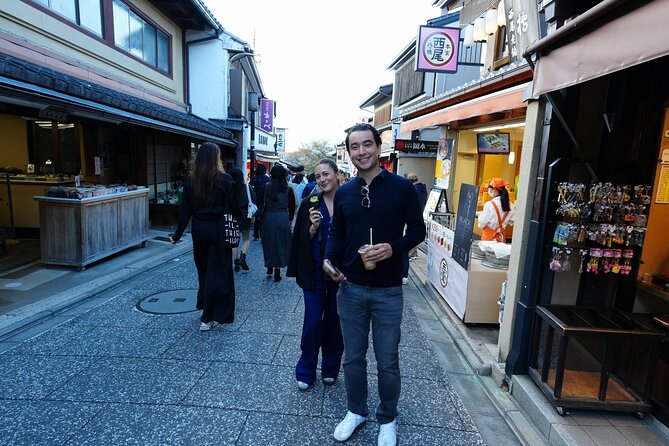
Kyoto’s best moments often sit inside the details: the garden placement, the arrangement of stones, the quiet in a side courtyard.
Here are some specific options you can choose based on your taste:
Tofuku-ji for the season factor
Tofukuji is known for spectacular autumn colors, and it was founded in 1236. If you’re visiting in fall, this could become a headline stop. If not, you’ll still get something meaningful, but the peak “wow factor” depends on season.
Taizo-in for a garden-focused hour
Taizo-in (a subtemple of Myoshin-ji) is noted for a highly recommended garden in any season. If you want a calmer, nature-forward stop, this is a good bet.
Shugakuin Imperial Villa for a royal feel
Shugakuin Imperial Villa was built in the 17th century by Emperor Gomizuno and is managed by the Imperial Household Agency. Even with limited time, a site like this tends to make you think about Kyoto as a place of power and ritual, not just tourism. If you like historic context, it’s a nice counterweight to the photo-heavy hits.
Ryoan-ji rock garden
Ryoan-ji is famous for Japan’s most noted rock garden. The layout is the point, so time matters. With a guide, you’re more likely to notice how the arrangement prompts different ways of looking. If you’re the type who loves “seeing the same thing differently,” choose this.
Daitoku-ji if you want Zen complexity
Daitoku-ji is described as a temple complex of temples within temples, and your guide at this stop is Michael Lambe (as provided). The emphasis is on the deep meaning of meditative gardens. If you’ve ever found Zen gardens confusing on your own, having someone interpret the logic can be a big confidence boost.
Kokedera (Saihoji) for moss and UNESCO vibes
Kokedera Temple (Saihoji /苔寺) is listed as a UNESCO World Heritage Site. This is the “green details” stop—moss, texture, and a slower pace. Even if you only have about 15 minutes, it’s the kind of place where a guide can help you look at the right surfaces.
Fushimi Inari-taisha: why a guide changes your torii walk
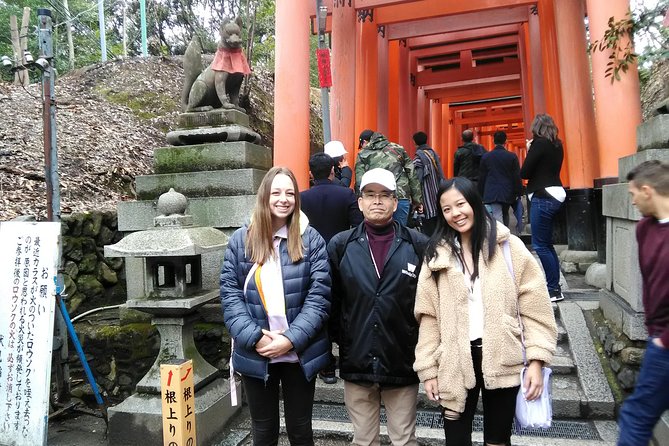
If you’re only going to one shrine in Kyoto, make it Fushimi Inari-taisha—but don’t treat it like a quick photo sprint.
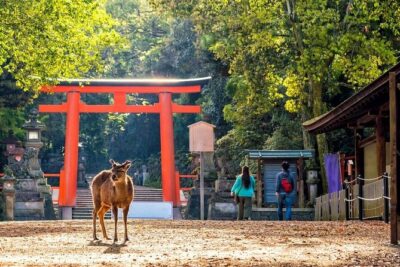
This tour’s pitch is that most people go for the red torii tunnel pictures and then leave. The guided approach is different: you’ll see it as a place with layers of meaning, including hidden symbols and how the shrine connects to local culture over time.
You also get better flow through the crowds. In one of the provided experiences, Yasuko is credited with helping keep the visit smooth and explained clearly, with enough structure that it felt unhurried even within limited time. That’s the practical value: you’re not guessing where to look or how much to walk before you’re tired.
One more tip from the same kind of experience: go earlier rather than mid-day if you care about photos. With more people around, it’s harder to frame shots and easier to feel like you’re walking through a traffic jam.
Kyoto’s palace, castles, and shopping alleys: choosing the city flavor
Even with a temple-focused day, I like adding one “Kyoto city” stop so the day feels balanced. This tour includes options that do that well.
Kyoto Imperial Palace option
Kyoto Imperial Palace was the residence of Japan’s Imperial Family until 1868, when the capital moved from Kyoto to Tokyo. It’s a major historic anchor, and it helps you understand why Kyoto mattered beyond scenery. If you like political history and layout, it’s a strong pick.
Nijo Castle option
Nijo Castle is a UNESCO World Heritage Site, built in 1603 as the residence of Tokugawa Ieyasu, the first shogun of the Edo period. This is your “state power meets architecture” stop. It can feel more structured than a temple circuit, which gives your brain a break.
Nishiki Market for food browsing and local clutter
Nishiki Market is described as a narrow five-block shopping street with more than one hundred shops and restaurants, nicknamed Kyoto’s Kitchen. Even if you don’t buy much, it’s a great way to reset from solemn spaces and see daily life. The only caution: it’s busy, so if crowds drain you, keep it short.
Pontocho for after-dark atmosphere
Pontocho is an atmospheric narrow alley from Shijo-dori to Sanjo-dori, one block west of the Kamogawa River. It’s packed with restaurants, so it’s a natural place to end near dinner time. If you’re choosing your 2–3 stops wisely, pairing a temple or shrine earlier with Pontocho later can make the day feel complete.
Gion guidance option
Gion’s geisha district can be confusing for first-timers, and this tour lists a guided approach to help you not get lost and to discover small places. This is best if your goal is a stroll with context, not a frantic sprint for famous streets.
If you’re tempted by Arashiyama or Uji: factor in travel time
Two options on the list can stretch your schedule: Byodoin Temple in Uji and Arashiyama.
- Byodoin Temple is noted as being in Uji city, with extra travel time expected. If you’re choosing only 2–3 stops, it can still be worth it, but don’t expect the same time-to-effort ratio as sites inside central Kyoto.
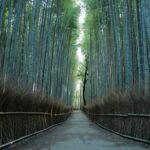
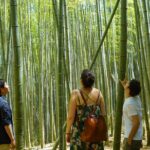
- Arashiyama includes the iconic Togetsukyo Bridge (originally built in the Heian period and reconstructed in the 1930s) and walking paths through the bamboo groves. This is a “walk-and-look” type of stop. It’s great when you want scenery and photo moments, but it can take more energy than a temple-and-go.
If your priority is symbolism and gardens, you’ll probably get a more satisfying day by staying closer to central Kyoto sites.
Price and value: is $162.52 per person fair for 6 hours?
At $162.52 per person for about 6 hours, this tour is not the cheapest way to do Kyoto. But it’s also not priced like a “designer day.” The value comes from three things you usually pay extra for when you travel independently: a guide, time saved, and kimono included.
What you’re getting:
- A licensed local English-speaking guide
- A guided plan of 2–3 sites selected from the list
- Wearing a kimono on the standard plan
- A smoother experience through crowded places like Fushimi Inari
What costs extra:
- Temple and site entrance fees
- Lunch
- Transportation fees (unless your specific setup includes pickup—pickup is listed, but you should still expect some costs)
So how do you judge value? If you were going to hire a guide for even one major shrine visit, you’d lose a lot of money to guesswork and crowd friction. Add kimono, and the pricing starts to look more reasonable. If you hate the idea of paying entrance fees on top, then choose fewer “ticket-required” stops and budget for them.
Who this tour suits best (and who might want a different plan)
This tour is a strong fit if:
- you want meaning, not just motion
- you only have one day (or a short block) in Kyoto
- you want a kimono experience without DIY stress
- you like small-group attention and a guide who points out what to notice
It might be less perfect if:
- you’re on a tight budget for entrance fees and food
- you want to hop between lots of unrelated areas with zero planning
- you’re set on doing far-apart sites and want minimal travel time
Should you book the Kyoto 6hr Private Guided Tour and Kimono experience?
I’d book this if your ideal Kyoto day includes three things: a kimono start in Gion, a guided shrine or Zen temple moment, and enough time to actually understand what you’re looking at. The customization to 2–3 stops is the secret sauce. You don’t end up sprinting through a checklist, and the guide can make places like Fushimi Inari feel like Kyoto’s living culture instead of a red-door photo trap.
If you book, decide your stops before you go and be realistic about travel time for Uji and Arashiyama. Also, budget separately for entrance fees and lunch so you aren’t surprised when you start adding up.
FAQ
How long is the Kyoto 6-hour private guided tour?
The tour is listed as about 6 hours.
Is kimono rental included, and how long does it take?
Yes. Kimono wearing is included under the standard plan, and the kimono experience portion is listed at about 1 hour.
Where is the kimono rental location?
The kimono stop is Kyoto Gion Store (Wargo).
What kimono sizes are available?
Women’s sizes are listed as 150–170 cm, and men’s sizes are 165–200 cm. If you can’t find a perfect fit, the staff will dress you as best as they can.
Do I get to choose which sites we visit?
Yes. Your tour is a customizable plan of 2–3 sites that you decide on with your guide from the provided options.
Are entrance fees included?
No. Entrance fees are not included for the temple and shrine stops.
Do I need to pay for transportation or pickup?
Transportation fees are listed as not included. Pickup is listed as offered in the tour summary, but transportation costs may still apply depending on your situation.
Is this tour private?
It’s described as private for your group (only your group participates), and it’s also listed as a small-group style experience with a cap of 15 maximum.
What’s included in the tour?
Included items are a licensed local English-speaking guide, meeting in Kyoto on foot, kimono wearing (standard plan only), and a customizable guided plan of 2–3 sites from the options list.