REVIEW · KYOTO
Traditional Concert in Public bath near Kyoto Station
Book on Viator →Operated by Gen · Bookable on Viator
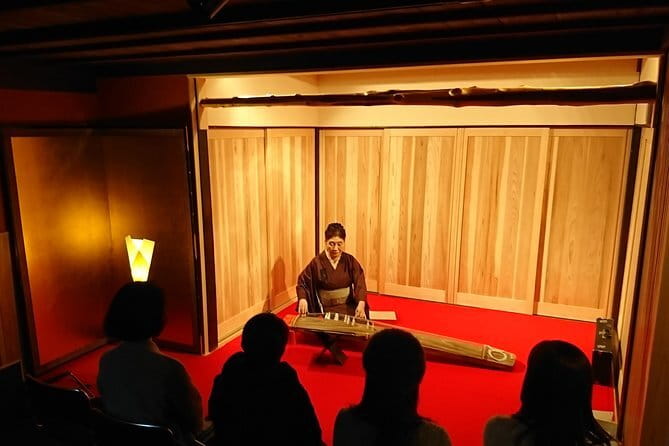
A bathhouse becomes a concert hall. That alone is enough to make you curious. In Kyoto, you’ll hear koto and shamisen in a carefully renovated former sento (public bathhouse), where the tiled walls and high ceilings help the music travel with clarity.
I like two things most: the setting is genuinely different from the usual concert venues, and the sound quality is built into the room. The repertoire also has range, from classic pieces to contemporary arrangements and even original compositions that can change with the season.
One consideration: the show is only about 1 hour, so it’s not a long night event. Plan your evening around the concert time, not the other way around.
In This Review
- Key Highlights You’ll Actually Notice
- Why a Renovated Sento Changes the Music
- The Kujo-yu Location: Kyoto Station Easy-Access, Real-World Timing
- What You’ll Hear: Koto and Shamisen With Seasonal Range
- Inside the Bathhouse Atmosphere: Close, Focused Listening
- Program Value: Paying for a Sound and a Setting, Not Just a Ticket
- Practical Planning: How to Fit It Into Your Kyoto Day
- Who Should Book This (and Who Might Skip It)
- A Few Tips to Make the Evening Feel Worth It
- Should You Book This Kyoto Koto and Shamisen Concert?
- FAQ
- How long is the concert?
- Where does the concert take place?
- What instruments will you hear?
- What is included in the ticket price?
- Do I need a paper ticket?
- Is the venue near public transportation?
- Is there free cancellation?
Key Highlights You’ll Actually Notice
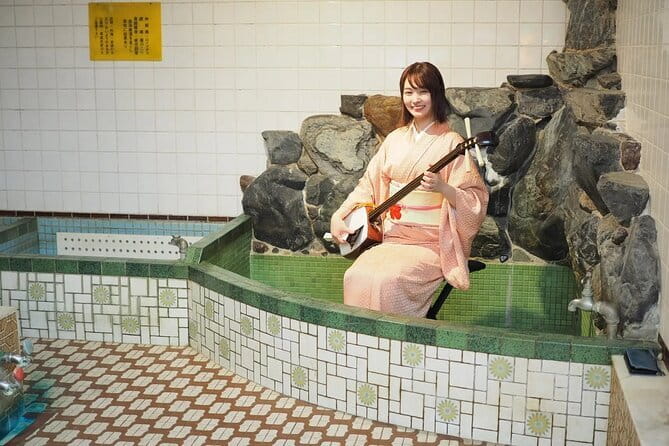
- Former sento acoustics: tiled walls and high ceilings shape the sound of koto and shamisen
- Near Kyoto Station: easy to slot into a travel day without deep detours
- Program variety: classical masterpieces, contemporary arrangements, and original pieces
- Seasonal change: repertoire shifts depending on the season and performers
- Mobile ticket: simple, lightweight day-of logistics
- Historic, reused space: a beloved community bathhouse now hosting live traditional music
Why a Renovated Sento Changes the Music
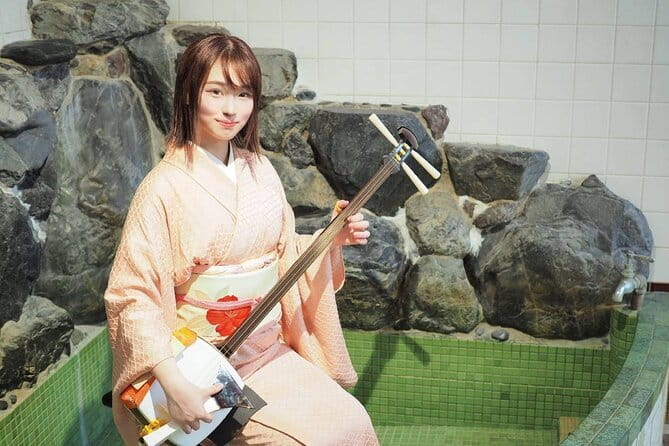
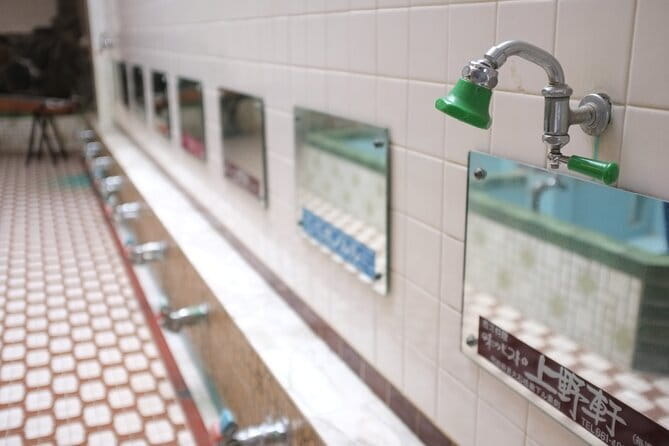
There’s a reason this concert feels special right away: the room was built for a public bath. High ceilings and tiled walls aren’t just decorative. They affect how sound behaves—how it bounces, how it lingers, and how it spreads through the space.
When you hear koto and shamisen in a former sento, the music doesn’t feel like it’s coming from a stage. Instead, it feels like the sound belongs to the architecture. Even for people who usually stick to sightseeing, this is the kind of experience that teaches you something fast: traditional instruments can sound incredibly precise in the right room.
And it’s not only a visual trick. This venue was carefully renovated, not replaced. That matters because the acoustics are part of the value. You’re not paying just to sit and listen. You’re paying for a particular way the music can sound in a specific space.
You can also read our reviews of more tours and experiences in Kyoto
The Kujo-yu Location: Kyoto Station Easy-Access, Real-World Timing
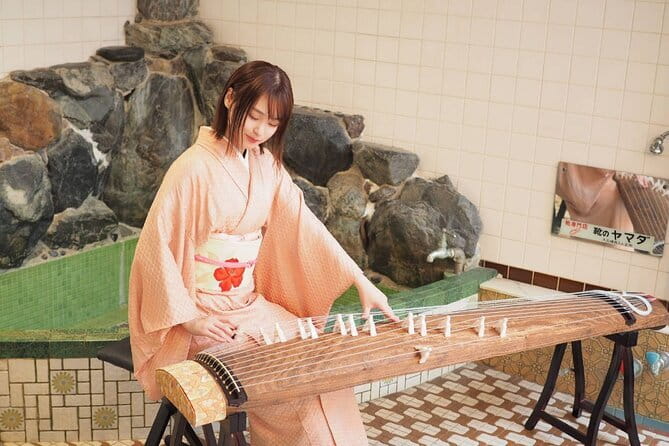
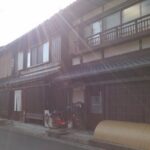
This concert happens at コワーケーションスペース九条湯 (Kujo-yu), near Kyoto Station. That location is a big practical win. Kyoto can be hard to plan when you’re moving between neighborhoods. Here, you can keep your transit simple and build the show into the middle or end of your day.
The total duration is about 1 hour. For many visitors, that’s a sweet spot. You get a focused cultural experience without losing half a day. If you’re juggling temple time earlier and evening plans later, this kind of schedule works.
You’ll also get a mobile ticket, which helps if you don’t want to manage paper or deal with last-minute printing. Mobile tickets are especially helpful when your day is already full—trains, maps, snacks, and the inevitable sidetrack.
What You’ll Hear: Koto and Shamisen With Seasonal Range
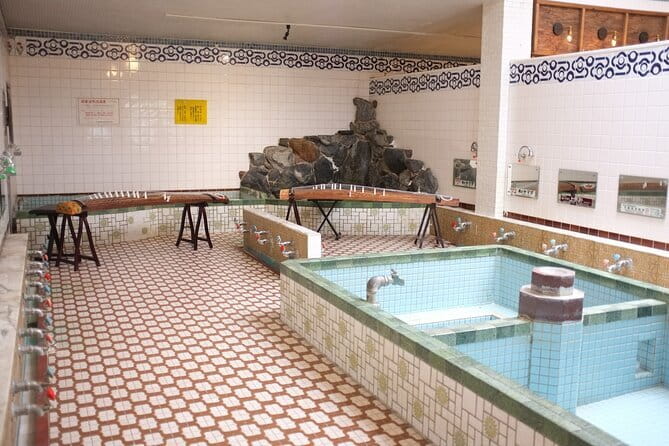
This concert centers on traditional Japanese instruments—especially koto and shamisen. That combo is a classic pairing for a reason: it balances delicate detail with rhythmic presence. If you’ve never listened closely, this is a great entry point because the instruments are distinct. You can actually hear how they speak to each other.
The program isn’t locked into one style. It can include:
- classical Japanese masterpieces
- contemporary arrangements
- original compositions
Even better for repeat visitors (or people who hate feeling like they missed something): the repertoire changes by season and performers. That means you’re not seeing a one-size-fits-all routine. You’re attending a living performance that reflects timing and the artists involved.
If you’re the type who likes to compare shows across a trip, this setup gives you a reason to do it more than once in theory. And if you’re not, it still means you get a mix, not just one tone or one era of music.
Inside the Bathhouse Atmosphere: Close, Focused Listening
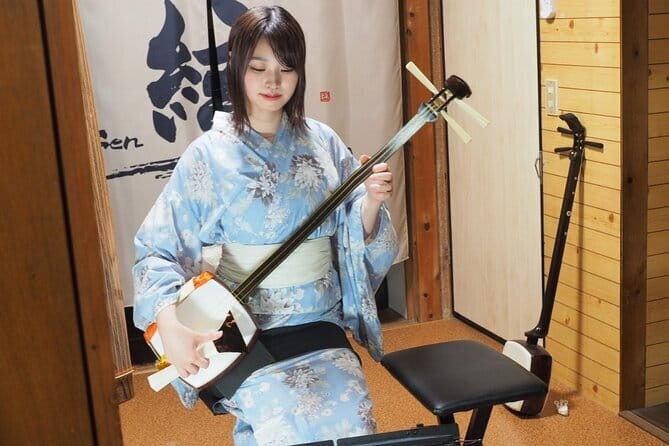
This is an intimate concert. You’re not sitting in a massive arena. The room’s former bathhouse design helps create that feeling, with sound traveling across the tiled surfaces and under the high ceiling.
One thing I’d pay attention to is how you listen. In a venue like this, you’ll get more from the experience if you treat it like you’re in a performance room, not a background event. Keep your attention on the instruments. Let pauses land. The hall’s acoustics can make small moments feel meaningful—slower passages, quick flourishes, and the way the koto lines up with the shamisen’s texture.
The vibe is also historically grounded in a simple way. This bathhouse was cherished by the local community for years, and now it’s been renovated for performances. That reuse gives the evening more weight than a generic concert space. You’re experiencing music in a place that already had a role in everyday life.
And yes, it can feel a little surreal in the best way. You’re essentially watching tradition happen in a building that once held soap and steam. That contrast is part of the charm.
Program Value: Paying for a Sound and a Setting, Not Just a Ticket

At $32.52 per person, this is not a bargain-priced museum audio tour. But it also isn’t priced like a fancy, high-demand headline concert. The value comes from what you’re actually buying:
- A specific venue experience (former sento with renovated acoustics)
- A traditional instrument performance featuring koto and shamisen
- Variety in the program with classical, contemporary, and original work
- Seasonal change, so the show is likely to feel fresh even if you return later
You also get tickets included. The listing doesn’t bundle extra add-ons like drinks or snacks. That might sound obvious, but it matters for budgeting. If you want coffee or tea, you’ll need to plan to buy it separately before or after.
Another value note: the tour is often booked in advance. The average booking window is 32 days. That doesn’t mean panic-buying is required, but it does mean you should book when you’re confident about your Kyoto dates. If your schedule is flexible, you can treat it as an option. If your schedule is fixed, lock it in earlier.




Practical Planning: How to Fit It Into Your Kyoto Day
Here’s how I’d plan it, keeping things realistic.
Aim to arrive with buffer time. You’re dealing with a mobile ticket and a specific venue. You’ll enjoy the start more if you’re not rushing through Kyoto Station crowds and then trying to find your seat.
Since it’s about 1 hour, decide what you want afterward:
- If you want an easy evening, pair it with nearby dining near Kyoto Station.
- If you’re continuing to temples later, treat this as a calm cultural anchor, not a late-night event.
The show is near public transportation, so you won’t need complicated logistics. And the good news: most travelers can participate. That doesn’t guarantee comfort for every situation, but it signals it’s not limited to a narrow set of visitors.
Also, keep your expectations aligned. This is a concert. You’re there to listen. If you want big visual spectacle, this isn’t built around dramatic staging. The main event is the instruments and the room.
Who Should Book This (and Who Might Skip It)
This concert is a strong fit if you:
- want something distinct in Kyoto beyond temples and gardens
- enjoy live music and are curious about Japanese traditional instruments
- like architectural experiences where the space affects the sound
- want a short cultural event that’s easy to reach from Kyoto Station
You might consider skipping if:
- you’re only interested in long, multi-hour activities
- you’re looking for lessons or hands-on time (this is a concert performance experience)
- you need snacks or drinks included, because coffee/tea isn’t included
If you like experiences that feel quietly special rather than loudly touristy, this should land well.
A Few Tips to Make the Evening Feel Worth It
Based on how this kind of concert works in a venue like a renovated sento, I’d do three things.
First, go in ready to listen. The difference here is acoustic and musical. Give it your full attention for the hour.
Second, plan around the start time. It’s short. If you arrive late, you can miss the flow that makes the room’s sound so good.
Third, don’t overpack your night. If your schedule is jammed with nonstop sightseeing, this kind of seated listening can become stressful. If you leave room to breathe, the concert lands better.
Should You Book This Kyoto Koto and Shamisen Concert?
If you’re on the fence, here’s my practical take.
Book it if you want a Kyoto experience that feels different without requiring a huge time commitment. The combination of former sento acoustics, a tight 1-hour duration, and a program that spans classical, contemporary, and original works gives it strong value for the money.
Skip or wait if you’re specifically chasing something long, interactive, or food-centered. This is music-first.
For most people visiting Kyoto and trying to build a balanced itinerary, I’d say it’s worth your spot—especially because it’s near Kyoto Station and uses a venue you can’t really copy elsewhere.
FAQ
How long is the concert?
The concert lasts about 1 hour.
Where does the concert take place?
It takes place at コワーケーションスペース九条湯 (Kujo-yu), a renovated sento near Kyoto Station.
What instruments will you hear?
The performance features traditional Japanese instruments, including the koto and shamisen.
What is included in the ticket price?
Your ticket includes admission to the concert.
Do I need a paper ticket?
No. You’ll use a mobile ticket.
Is the venue near public transportation?
Yes, it’s near public transportation.
Is there free cancellation?
Yes. You can cancel up to 24 hours in advance for a full refund.