REVIEW · KYOTO
Kyoto: Fushimi Inari Night Walking Tour with Guide
Book on GetYourGuide →Operated by Trip with Goku · Bookable on GetYourGuide
Lantern-lit torii makes Kyoto feel private. On this Fushimi Inari night walk, I like how the shrine turns calm and human-scale, not like a sightseeing stampede. I also love the small-group feel and the way local guides (I’ve heard excellent experiences with Goku and Kate) can turn Shinto details into something you can actually picture.
One thing to consider: this tour focuses on the lower and middle sections of Fushimi Inari, not the entire mountain trek. So if your dream is a full-hike experience, you’ll want to plan a longer outing.
In This Review
- Key highlights at a glance
- Why Fushimi Inari at night feels different (and better)
- Starting at JR Inari Station: fast meeting, low stress
- The 2-hour flow: what happens on the walk
- What you’ll see: torii gates, lantern light, and the shrine rhythm
- Timing and photos: when sunset helps your experience
- The guide experience: trained locals who speak your language
- Comfort, heat, and what to wear for an evening walk
- Price and value: is $38 worth it for 2 hours in Kyoto?
- Who this tour suits best (and who might want something else)
- Should you book this Kyoto Fushimi Inari night tour?
- FAQ
- Where do I meet the guide?
- How long is the tour?
- Which part of Fushimi Inari does the tour cover?
- What languages are available?
- What should I bring?
- Is the tour refundable if my plans change?
Key highlights at a glance
- Meet right at JR Inari Station: Easy start at the ticket gate so you don’t lose time
- Lantern atmosphere: Torii gates glow softly as twilight settles
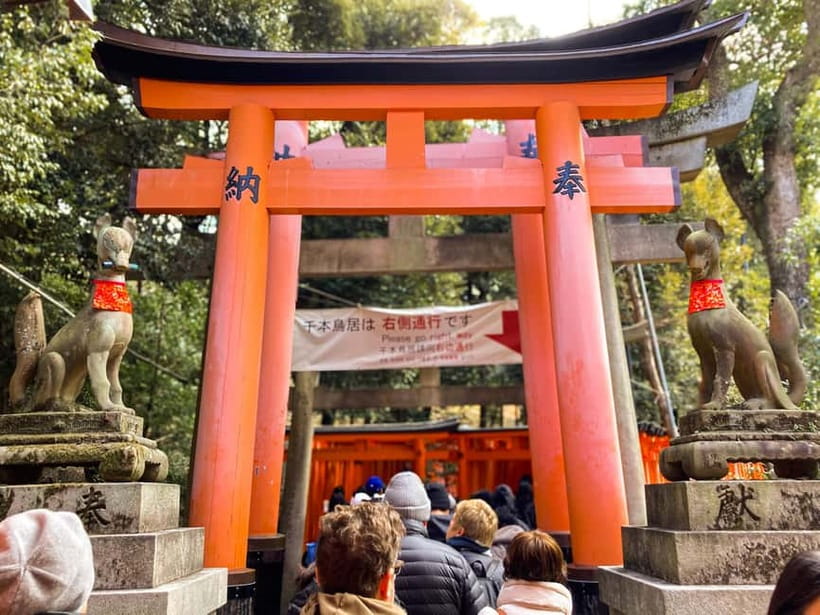
- Senbon Torii on quieter routes: You’ll walk part of the thousands of gates without the worst crowds
- Shinto meaning on the move: Torii symbolism, rituals, and shrine customs explained
- Photo + quiet pauses: Free time for photography and reflection at key spots
- Small group, up to 10 people: More Q&A and more conversation with your guide
Why Fushimi Inari at night feels different (and better)
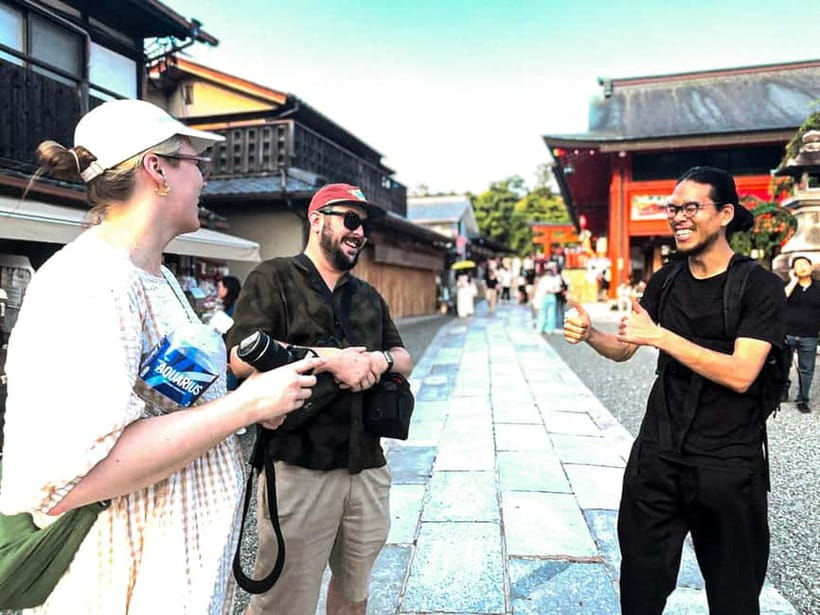
Fushimi Inari is famous for a reason. Even in daylight, the torii gates feel like a dream you can walk through. At night, though, the vibe changes fast. Shadows soften. Lanterns and evening light give everything a gentler glow, so the shrine doesn’t feel like an attraction—you start to feel like you’ve stepped into a working sacred space.
This is also where a guided approach pays off. Without context, Fushimi Inari can blur into repeating patterns: gate, corridor, gate, corridor. With a local guide, each segment becomes understandable. You learn what the torii gates represent, what shrine worship looks like, and why people come here when the crowds thin.
The best part for me is the tone of the walk. It’s not just lectures or photo stops. It’s a conversation—your guide adjusts their explanations to your questions and what you want to notice, whether that’s ritual details, cultural differences, or how daily life in Japan shapes how places like this are treated.
You can also read our reviews of more walking tours in Kyoto


Starting at JR Inari Station: fast meeting, low stress
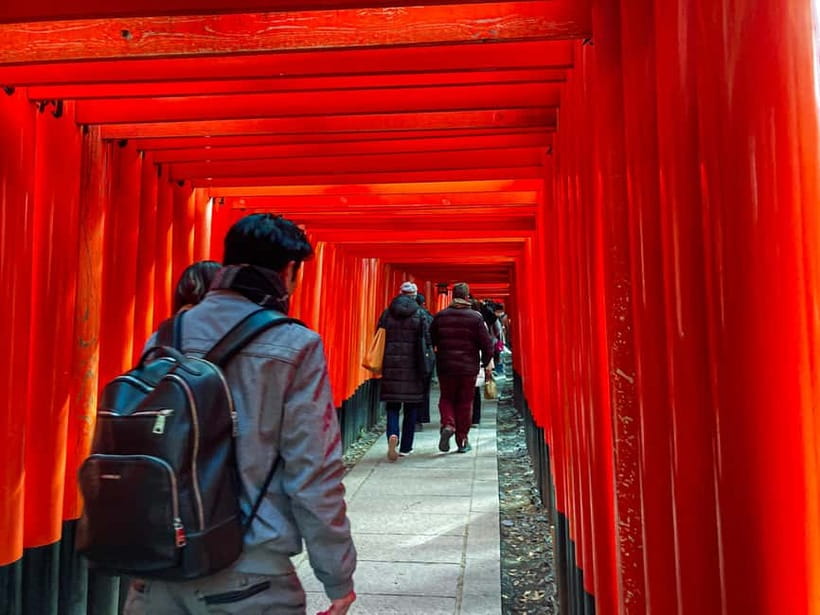
You meet directly at JR Inari Station at the ticket gate. The route choice matters here. A lot of Kyoto tours make you hunt for a meeting spot in the middle of a neighborhood. This one keeps it simple: there’s only one ticket gate at the station, so you can find your guide without playing detective.
Because the tour is only 2 hours, good logistics matter. You want to spend your time walking and learning—not wandering around before you even start. The station-based meeting also makes it easier to pair this with other Kyoto plans before or after.
One practical note: you’ll want comfortable shoes. Even on a night route that avoids the steepest parts of the full mountain, you’ll still be moving through uneven ground and long stretches of steps and pathways.
The 2-hour flow: what happens on the walk
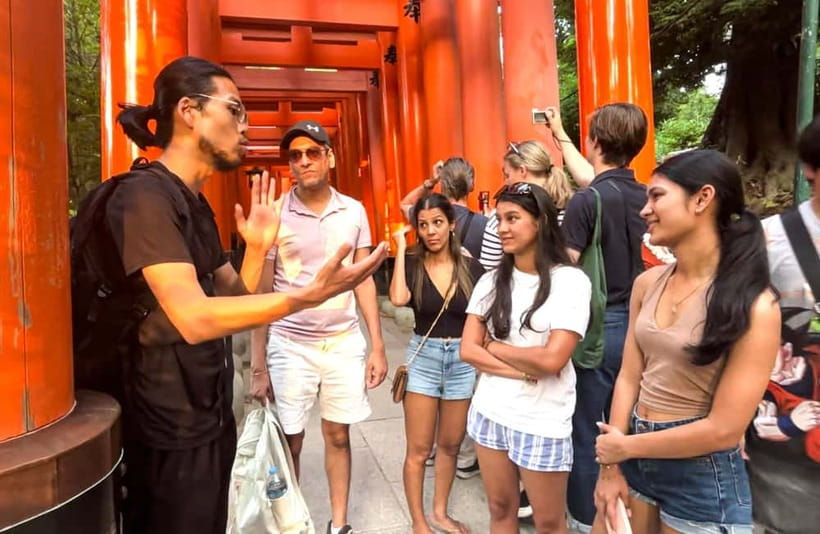
The guided portion runs for about 1.5 hours, with the full experience lasting 2 hours from meet to return. The walk centers on Fushimi Inari Taisha and specifically the lower and middle sections. That’s intentional, and it’s a smart choice for an evening tour.
Here’s how the experience typically feels as you move through it:
- You start near the shrine area and head into the torii corridor.
- Your guide explains what you’re looking at and what it means, step by step, rather than dumping everything at once.
- You’ll walk part of the Senbon Torii (the famous thousand torii gates) along quieter scenic routes away from the heaviest crowds.
- You get free time at key spots—enough to take photos, pause, and look carefully without feeling rushed.
- You finish back at JR Inari Station.
The value of this pace is that you can actually absorb what you’re seeing. Fushimi Inari doesn’t reward speed. It rewards attention.
What you’ll see: torii gates, lantern light, and the shrine rhythm
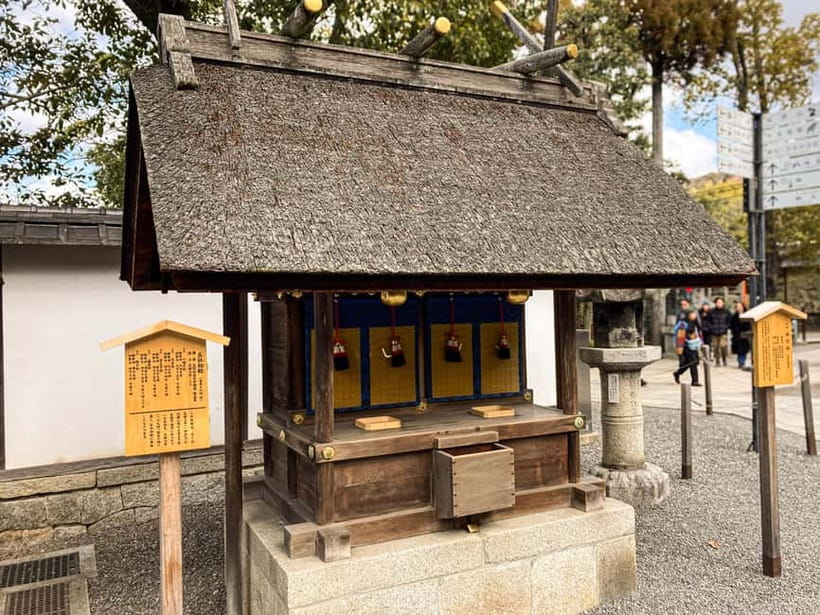
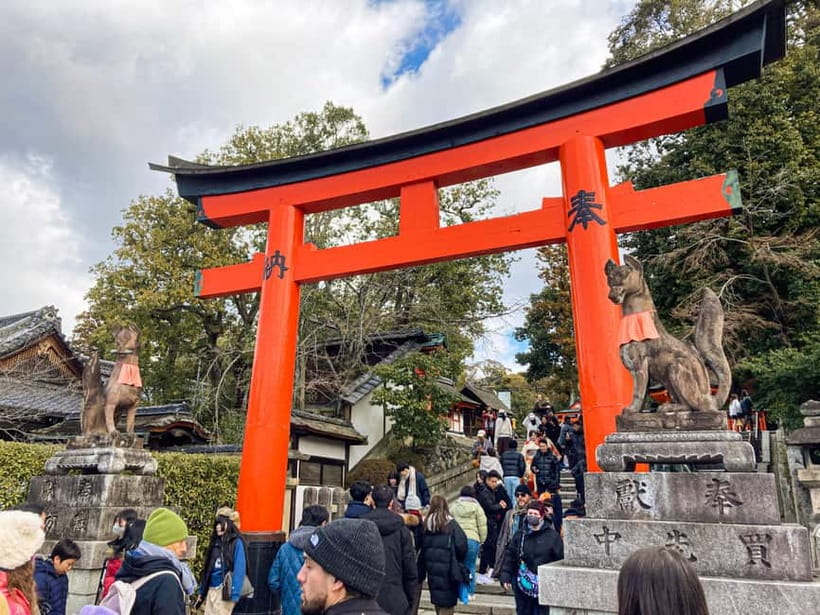
Fushimi Inari’s torii gates create a strong visual pull. At night, that pull becomes more emotional. Colors and light soften, and the pattern feels less like a checklist and more like a slow-moving corridor.
Your guide helps you make sense of that pattern. You’ll get interpretation of torii gate meanings and explanations tied to Shinto shrine life and worship customs. In practical terms, that means you’ll know what questions to ask as you walk—like why people interact with shrine spaces the way they do, and what the architecture is communicating.
One useful detail to plan around: this tour focuses on the lower and middle sections. So you’ll get a strong torii experience without committing to a long hike. You can still feel the scale of the shrine system, but the route is more approachable for a standard evening.
Timing and photos: when sunset helps your experience
Night tours live and die by timing, and this one is built around twilight. You’ll be heading into the evening hours as twilight falls, and in-season sunset is around 6:00 PM. That’s a sweet spot: the light is changing, the pathways become calmer, and the shrine atmosphere shifts toward something quieter and more spiritual.
If you care about photos, this matters. Evening lighting can give torii gates a soft glow and reduce harsh glare that can flatten the scene in midday sun. You’ll also have planned moments of free time for photography, so you’re not always shooting while walking.
Tip: bring a charged smartphone. This isn’t just about photos—sometimes it’s the easiest way to keep your bearings on longer walking routes and review directions if you’re moving between station and shrine.
You can also read our reviews of more guided tours in Kyoto




The guide experience: trained locals who speak your language
The biggest quality difference between a good tour and a forgettable one is the guide. Here, the emphasis is on trained local professionals who understand Japanese culture and religious traditions, especially Shinto shrine context. Tours are in English by default, and depending on availability you can request French, Spanish, Russian, or Portuguese.
You’ll also notice the guide style. The tour is designed as Q&A, not a one-way script. If you want explanations about shrine rituals, you’ll get them. If you want to compare Japanese and Western cultural habits, your guide can talk that through. And if you’re simply curious about what you’re seeing—how the space works and why people behave the way they do—there’s room for that too.
The reviews highlight how personal this can feel. One guide, Goku, led a tour even when only one person had signed up for that day/time, which tells you the group limit isn’t just a marketing number—it can translate into real one-on-one conversation. Another guide, Kate, impressed people with careful, detail-oriented explanations, and the evening choice helped manage hot, humid conditions during summer.
Comfort, heat, and what to wear for an evening walk
This is Kyoto, and evenings can still feel warm depending on the season. The good news is that the tour leans into night timing for a reason. In summer, going after the day’s peak heat can make the walk feel more comfortable, and the lantern atmosphere makes it feel special rather than sweaty and rushed.
Still, dress like you’re walking. Think:
- shoes with grip for stone steps and paths
- breathable clothing
- a phone charged for photos and navigation support
The tour also asks that you have WhatsApp or SMS available so the guide can contact you prior to the tour. That’s the kind of small detail that can save you stress on travel days.
Price and value: is $38 worth it for 2 hours in Kyoto?
At $38 per person for a 2-hour small-group guided experience, this price can be a good deal if you care about context, not just a “seen it” photo. The main reason is that you’re paying for more than movement through a famous spot.
What you get for the money:
- a trained guide focused on shrine traditions
- explanations about Shintoism, shrine rituals, and spirituality
- torii gate symbolism and architecture interpretation
- a small group limited to 10 participants
- time for Q&A and photo/quiet stops
If you were to go unguided, you could still wander the torii gates at night. But you’d be missing the meaning of what you’re seeing, and you’d likely spend more time figuring out where to pause and what to focus on. Here, the route is designed to keep you on scenic, quieter sections while the guide does the connecting-the-dots work.
If you’re the type who enjoys asking questions and reading the atmosphere of a place, the value rises quickly.
Who this tour suits best (and who might want something else)
This tour fits best if you:
- want a more intimate Fushimi Inari experience without pushing through the busiest moments
- prefer learning from a guide, especially about Shinto shrines and ritual behavior
- want strong torii views and photo time, but not a full mountain climb
It may be less ideal if you:
- want to hike all the way up the mountain routes (this tour only covers lower and middle sections)
- expect a food-focused experience (food and drinks aren’t included)
Should you book this Kyoto Fushimi Inari night tour?
I’d book it if your main goal is to see Fushimi Inari in a quieter, lantern-lit mood and leave with a better understanding of what the torii gates and shrine customs actually mean. The meeting point at JR Inari Station is easy, the group size is small, and the guide-led format gives you something extra beyond photos.
I might skip it if you’re chasing the full, long mountain trek. In that case, plan a longer self-guided hike or a different outing that matches that goal.
If you’re undecided, this is the kind of tour that works especially well for a first visit—because it teaches you how to look, not just what to walk past.
FAQ
Where do I meet the guide?
You meet at the ticket gate at JR Inari Station. There is only one ticket gate, so it’s easy to find.
How long is the tour?
The total experience is 2 hours. The guided tour portion lasts about 1.5 hours.
Which part of Fushimi Inari does the tour cover?
The tour focuses on the lower and middle sections of Fushimi Inari, not the entire mountain.
What languages are available?
The tour is conducted in English by default. Depending on availability, guides may lead in French, Spanish, Russian, or Portuguese.
What should I bring?
Wear comfortable shoes and bring a charged smartphone.
Is the tour refundable if my plans change?
Yes. You can cancel up to 24 hours in advance for a full refund.