REVIEW · KYOTO
Kyoto/Osaka: Kobe & Himeji Journey Through Culture & History
Book on GetYourGuide →Operated by Infinity tours and travels · Bookable on GetYourGuide
Japan can feel like a puzzle. This private Kobe and Himeji journey adds the picture-in-picture: Kobe Harborland on the coast, then Himeji Castle and gardens in Japan’s classic style. I really like the mix of modern city stops and heritage sights, and I also like that you get a true private vehicle with an English-speaking driver, so you’re not juggling trains. The one thing to consider is that a private tour lives and dies by the driver’s punctuality and involvement, so it’s smart to set clear expectations for how much you want explained versus simply dropped at each spot.
In a single 10-hour day, you’ll ride an air-conditioned van, get WiFi on board, and hop between signature Kobe neighborhoods and Himeji’s UNESCO-listed landmark areas. Expect photo stops, short visits, and time at each place that feels designed for first-timers who want the highlights without turning the day into a sprint. It’s also described as customizable, so if you care about a specific pace or photo priority, bring it up early and keep it practical.
In This Review
- Key things to know before you go
- From Kyoto or Osaka to Kobe and Himeji: the big-picture plan
- Getting picked up (and dropped off) from Kyoto or Osaka
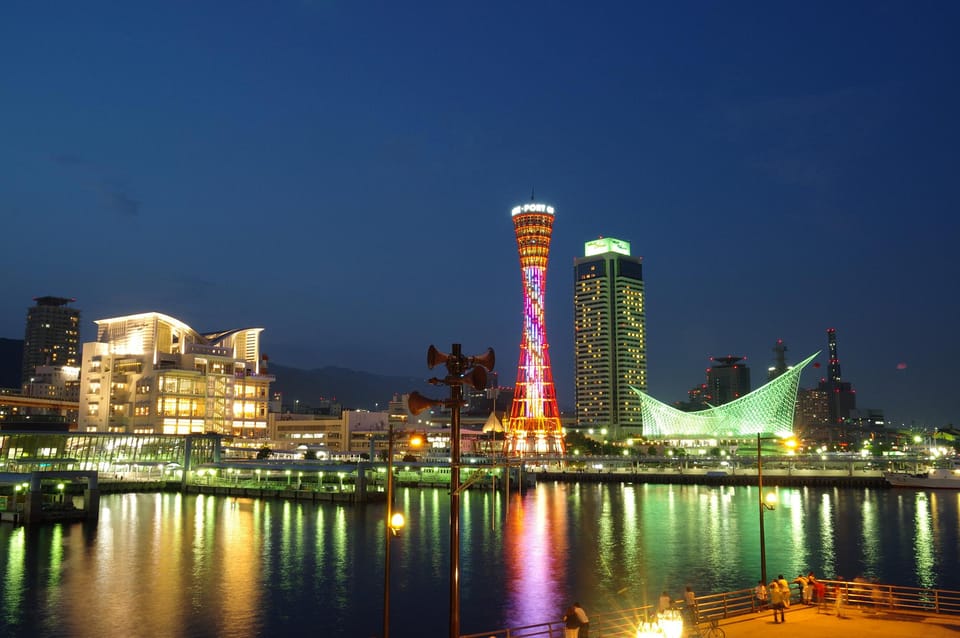
- Kobe Harborland: a coastal first look and easy photo wins
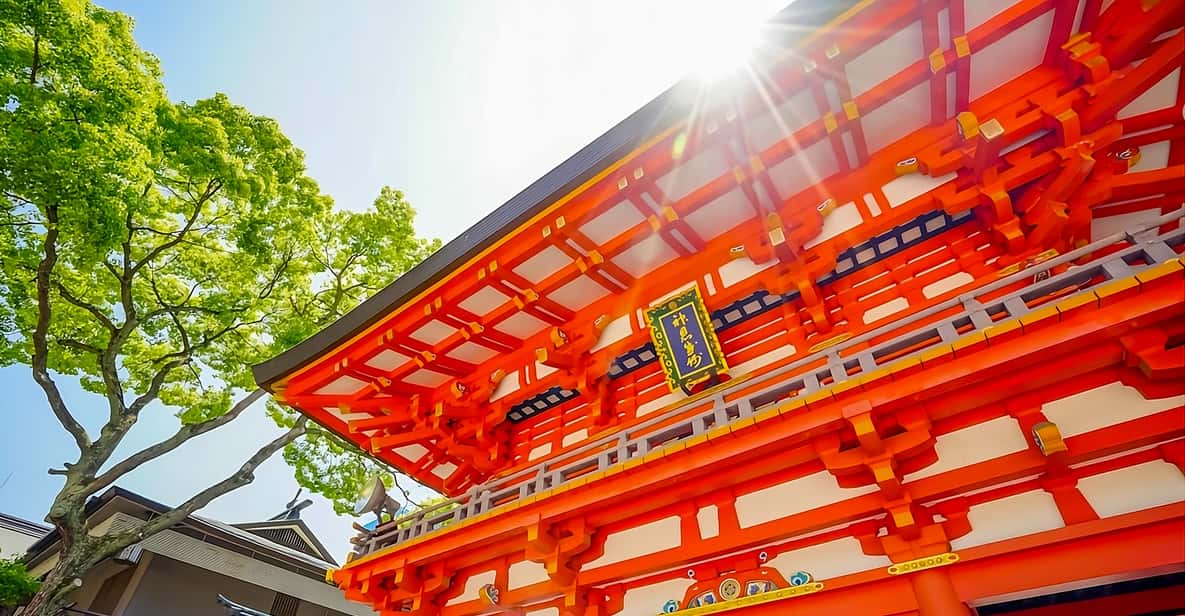
- Ikuta Shrine: calm sacred space in the middle of a city day
- Kobe Chinatown (Nankinmachi): street energy and quick cultural flavor
- Nunobiki Herb Gardens: the ropeway-style view stop to watch for
- Himeji Castle: the White Heron landmark you’ll keep thinking about
- Koko-en Garden: teahouses, ponds, and waterfall calm
- Kobe beef and local bites: where the real spending happens
- Price and value: is $451 for up to 6 people fair?
- The driver experience: what to expect in a private day
- Who this tour suits best (and who should rethink it)
- Should you book this Kobe & Himeji private journey?
- FAQ
- Where does this tour pick up?
- Where is the tour dropped off?
- How long is the tour?
- Is this tour private?
- What is the group size limit?
- Is an English-speaking driver included?
- Is WiFi included?
- Are entry fees and food included?
- Is the vehicle air-conditioned?
- What about cancellation and payment flexibility?
Key things to know before you go
- Private transportation from Kyoto or Osaka keeps the day relaxed and reduces transfer stress.
- Himeji Castle plus Koko-en Garden gives you both the famous landmark and the calmer gardens mood.
- Kobe Harborland, Ikuta Shrine, and Nankinmachi (Chinatown) pack in contrast: sea views, sacred space, and street-food energy.
- Nunobiki Herb Gardens by ropeway is a highlight to watch for in your routing, with city-view photo opportunities.
- Kobe beef is part of the concept, but food and entry fees aren’t included, so plan your budget.
- A few real-life reports point to variable driver punctuality and engagement, so choose this tour with your own expectations in mind.
From Kyoto or Osaka to Kobe and Himeji: the big-picture plan
This is the kind of day trip that makes sense when you want two regions in one shot. Kyoto and Osaka can swallow your attention, but this tour changes the scenery fast: Kobe brings coastal energy and city layers, then Himeji slows everything down with the White Heron Castle and garden time.
What I like about this format is that it’s structured but not overly rigid. You get a van for the travel legs, and you get designated time windows for each key stop. That matters because Kobe-to-Himeji is the kind of route where it’s easy to waste time if you’re trying to DIY it with trains, buses, and ticket lines.
Also, the private setup makes the rhythm different. You’re not sharing your schedule with strangers who move at their own speed. If you’re traveling with family or you just prefer control—where you stand, when you pause for photos, when you need a restroom break—this is built for that.
You can also read our reviews of more historical tours in Kyoto
Getting picked up (and dropped off) from Kyoto or Osaka
You’ll have two pickup options: Kyoto or Osaka, and you’ll end with drop-offs in either Kyoto or Osaka. That flexibility is a big deal if you’re staying near a main area and want to avoid cross-city transfers.
The drive time is listed as about 1.5 hours for the van legs. In a day that lasts around 10 hours, that means transport takes a meaningful chunk—so having it managed for you is the value play. You can also count on the van being air-conditioned, with WiFi on board, which is genuinely useful when you’re waiting between stops or checking the next place’s directions.
Practical tip: since punctuality can make or break the day, build in buffer. If you’re ready early at your pickup spot, you’re less likely to feel rushed later when the schedule tightens.
Kobe Harborland: a coastal first look and easy photo wins
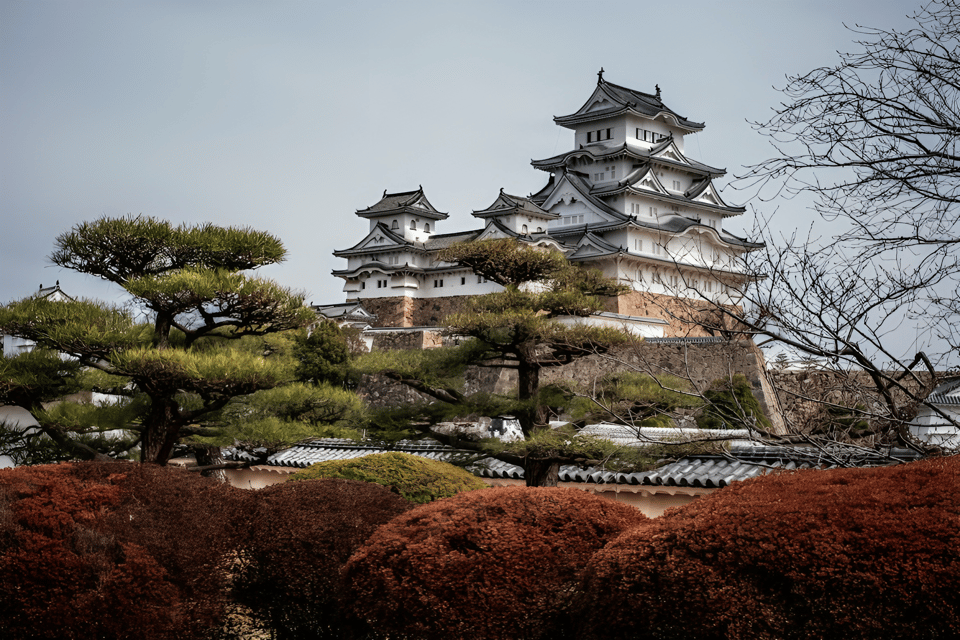
Kicking off at Kobe Harborland is smart. It’s the kind of area where you can get your bearings fast: harbor views, lively shopping streets, and cafes. Even if you only have an hour, you can still get that first emotional hit of Kobe—the sea-air atmosphere, the skyline angles, and lots of places to frame photos without needing a long hike.
Here’s how to get the most out of that hour:
- Start with a quick walk for perspective. Don’t zoom in right away.
- Take one set of wide-angle harbor shots, then return for details.
- If you spot a cafe you like, grab a drink only if it helps your energy. Food costs aren’t included here, so treat purchases as optional unless you need a break.
A short stop like this works best as a reset. You’re coming from Kyoto or Osaka, and you’ll hit several more stops after. Harborland helps you shift from transit mode into sightseeing mode.
Ikuta Shrine: calm sacred space in the middle of a city day
Next up is Ikuta Jinja, described as one of Japan’s oldest Shinto shrines, right in the heart of Kobe. This is a good contrast stop because it changes the pace. Harborland is visual and social; a shrine is more about stillness, attention, and observation.
The practical value here: you’re not just checking a box. You’re getting a different kind of Japan experience within the same day. When you travel with limited time, that contrast keeps the day from blurring together.
What to do in your hour:
- Slow down. Spend the time walking rather than rushing photo after photo.
- Look for the shrine’s surroundings and how the area sits within Kobe’s urban feel.
- If you’re sensitive to crowding, choose your photo moment around the times when people naturally pause.
This is also a place where a driver who gives even basic context helps. Some tours have drivers who mostly drop you off. If you’d like a little more explanation, ask directly early in the day: what should I notice here?
Kobe Chinatown (Nankinmachi): street energy and quick cultural flavor
Kobe Chinatown, also known as Nankinmachi, is a natural way to keep the day fun. Expect colorful streets, authentic-feeling street food options, and unique shops. This is the stop where you can let your curiosity lead.
Because food isn’t included, you control your spend. You can sample something small, or you can treat it as a browsing hour with photo stops and maybe a drink. Either way, Chinatown makes the day feel more like a human experience rather than a checklist.
How to use the hour well:
- Don’t try to eat everything. Pick one or two items you’ll remember.
- Use the shops as photo points. Often the storefronts and signs create better pictures than the street itself.
- If you have dietary limits, this is where you can quickly scan options and move on.
Also, if your driver is active and conversational, this is a great stop to ask about what’s worth trying. If your driver is more hands-off, you’ll still be fine—Chinatown is built for wandering—but you’ll want to plan your own food approach.




Nunobiki Herb Gardens: the ropeway-style view stop to watch for
Nunobiki is listed as Nunobiki Herb Gardens, reached by ropeway, with city views. Even if you’re not an herb-gardens person, the point here is the perspective: you get a different angle on the city, plus the garden atmosphere that feels calmer than street-level sightseeing.
One important note: your day’s exact placement of this stop can depend on your routing, since the tour is described as customizable. If ropeway timing matters to you, ask your driver to confirm early where it fits.
What you’ll likely care about most:
- Getting those elevated photo angles
- Having a quiet moment in garden space
- Avoiding the rush mindset—this is one of the few stops designed for taking it slower
If the weather turns gray, ropeway and view stops still work, but photos may be moodier than dramatic. That can be fine. In Japan, even softened light can look good.
Himeji Castle: the White Heron landmark you’ll keep thinking about
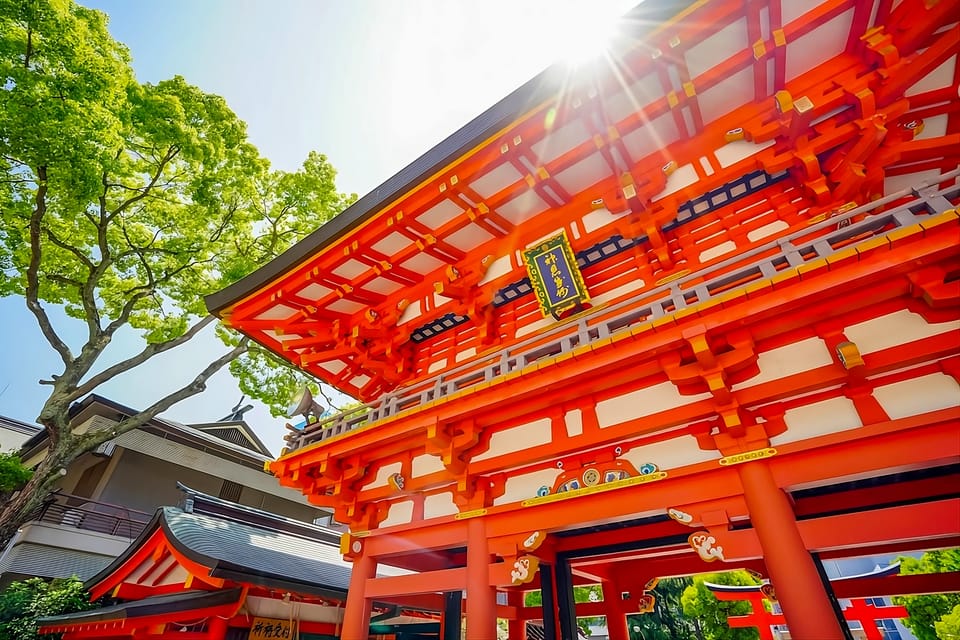
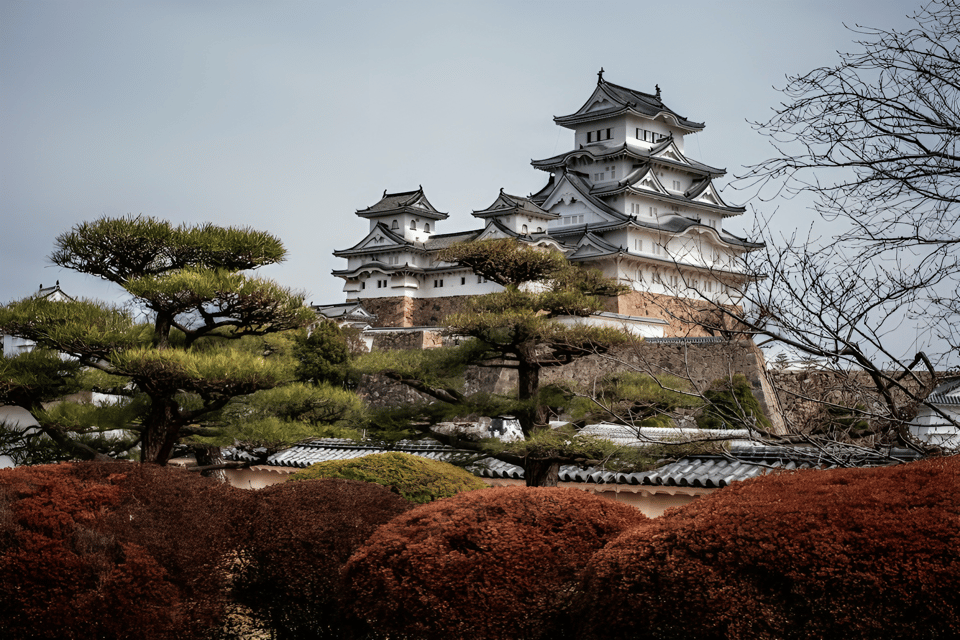
Himeji Castle is the big-ticket item, described as Japan’s iconic White Heron Castle and a UNESCO World Heritage Site. Even if you’ve seen castle photos before, the real thing lands differently: it’s a mix of scale, clean lines, and that unmistakable feeling that this was built to endure.
You’ll have about one hour here. That’s enough time to appreciate the main structures and capture your must-have photos, but not enough to turn this into a slow, museum-level experience. So plan your priorities:
- Pick one or two angles you really care about.
- Spend a few minutes orienting yourself before you shoot.
- If there’s an entry fee area you want to include, remember that entry fees aren’t included, so factor that into your budget.
What makes this stop especially valuable on a single-day tour is how it anchors the whole day. Kobe gave you street life and coastal energy. Himeji gives you Japan’s monumental side, plus a strong visual centerpiece.
Koko-en Garden: teahouses, ponds, and waterfall calm
After castle impact, you go to Koko-en Garden—a traditional garden with ponds, waterfalls, and teahouses. This is the kind of pairing that works well because garden time gives your brain a rest. You’ve done the big sight. Now you do the slower, more sensory part.
You’ll again have about one hour. With a limited window, focus on moving through the garden thoughtfully rather than trying to see everything. Gardens in Japan are often best enjoyed by following sightlines—stop, look, then follow the next visual cue.
Practical tips:
- Take a few photos, but don’t spend the whole hour behind your camera.
- Look for the water features. Waterfalls and ponds add movement, and those moments are usually the easiest to frame well.
- If the day is humid, plan for a short break. Your van trip and walking can add up.
Koko-en also helps your day feel complete. A castle alone can feel intense. A garden alone can feel gentle. Together, you get both ends of the emotional spectrum.
Kobe beef and local bites: where the real spending happens
The tour concept includes a Kobe beef experience, plus local cuisine and matcha-flavored treats tied to Himeji. But here’s the catch that matters for budgeting: food and drinks are not included.
That doesn’t mean you can’t eat well. It means you should decide in advance what your meal style is:
- If you want Kobe beef to be the main meal of the day, plan your purchase time and bring enough cash or card flexibility.
- If you’re more snack-focused, use Chinatown and local stops for small bites, and save a larger meal for Himeji or your preferred restaurant near the end.
For value-minded travelers, the best approach is to treat the tour as transport + guided routing + time at highlights, and treat meals as your personal choice. That gives you control over your spending without sacrificing the major sights.
Price and value: is $451 for up to 6 people fair?
The price is $451 per group for up to 6 people, and the duration is 10 hours. On paper, that’s “not cheap.” In practice, it can be good value because it replaces a lot of DIY hassle: coordinating transit between cities, managing timing, and spending mental energy figuring out where to go next.
To judge value, I think in three buckets:
1) You’re paying for convenience and control. Private pickup and drop-off, an air-conditioned van, and a driver who speaks English reduce the hardest part of Japan travel for many people—timing and navigation.
2) You’re also paying for fewer unknowns. Entry fees and meals aren’t included, so those are still on you, but the big movement of the day is handled.
3) Driver quality matters. Some experiences are described as more hands-on with route adjustments when the weather changes. Other experiences sound like less guidance, more drop-off. That means the price is only as good as how your driver runs the day. If you want stories, context, and active help, you should ask for that early.
If you’re a solo traveler, the cost per person is higher than a shared group tour would be. If you’re a small family, a couple with extra friends, or anyone who wants privacy, it can look more reasonable fast.
The driver experience: what to expect in a private day
This is where this tour can surprise you—either in a good way or a not-so-good way. Since you’re paying for a private service, you should expect more than just movement from stop to stop.
From real patterns in feedback, I’d plan for two scenarios:
- A driver who actively helps can adjust plans when conditions change. One report describes a route change due to rain and a later stop that worked better for photo timing, plus a helpful drop-off location at a department store rather than only the original hotel-style endpoint.
- A driver who is more drop-and-go can leave you to figure out logistics at each stop, which is fine if you love DIY. It becomes frustrating if you’re traveling with someone who needs extra assistance or you’re traveling with a baby.
So my advice is simple: before you start moving, tell your driver what you want. If you want explanations, say so. If you’re okay with photo stops and self-guided wandering, say that too. It’s a private tour—match the service to your style.
Also, keep a close eye on time. There’s at least one report of the driver arriving late and causing the tour to be missed. You can’t fully control that, but you can reduce risk by being ready at pickup and staying reachable.
Who this tour suits best (and who should rethink it)
This day works best if you:
- Want a one-day hit list of Kobe and Himeji without the logistics stress
- Like both modern city energy and heritage icons
- Travel with up to 6 people and can split the group cost
- Prefer privacy and a driver with English
You might want to rethink or at least clarify expectations if you:
- Need a driver who will provide constant guidance and not just transport
- Have tight accessibility needs or a stroller-baby situation where timing matters a lot
- Are very sensitive to punctuality issues and would be upset by last-minute changes
The tour is described as wheelchair accessible, and that’s an important factor. Still, private tours can be more flexible than public transit, so it’s worth asking about how stops are handled for your specific needs before departure.
Should you book this Kobe & Himeji private journey?
I’d book it if you want a clean, practical way to see Himeji Castle, walk through Koko-en, and still spend real time in Kobe’s personality—Harborland, Ikuta Shrine, and Nankinmachi. The value improves a lot when you travel as a group of up to 6, and the private vehicle makes the day feel manageable instead of chaotic.
I’d be a little cautious if you’re counting on deep storytelling or nonstop assistance. In a private tour, that experience can vary by driver, and the consequences show up fast when time is short. If you’re set on having explanations and a highly structured visit, message or ask for that upfront and be clear about what you want at each stop.
If you do book, go in with a good mindset: use the driver for navigation and routing, keep your meal and entry-fee budget separate, and prioritize your must-shoot moments in each place. Then this becomes a very satisfying day—coastal Kobe, sacred calm, and the White Heron in one smooth sweep.
FAQ
Where does this tour pick up?
It offers pickup options in Osaka or Kyoto.
Where is the tour dropped off?
The tour includes drop-off locations in Kyoto and Osaka.
How long is the tour?
The total duration is 10 hours.
Is this tour private?
Yes. It’s a private group experience.
What is the group size limit?
The price is for a group of up to 6 people.
Is an English-speaking driver included?
Yes. The tour includes an English-speaking driver.
Is WiFi included?
Yes. WiFi on board is included.
Are entry fees and food included?
No. Food and drinks and entry fees are not included.
Is the vehicle air-conditioned?
Yes. The tour includes an air-conditioned vehicle.
What about cancellation and payment flexibility?
It has free cancellation up to 24 hours in advance for a full refund, and it also offers reserve now & pay later.