REVIEW · KYOTO
Kyoto: Authentic Biking Half Day Experience
Book on GetYourGuide →Operated by TripGuru Japan · Bookable on GetYourGuide
Kyoto, faster and calmer on a bike. I like the relaxed feel of a Mamachari bike—comfortable, practical, and made for cruising—while still getting to see Kyoto’s top spiritual and historic stops in one half-day loop. I also love how the route strings together Gion, Nanzenji Zen Temple, and the Philosopher’s Path so you get context, not just snapshots. The main tradeoff: with so much ground to cover in 4 hours, you’ll spend less time wandering each site than if you went solo.
You’ll ride with an English-speaking TripGuru guide in a small group (up to 9), which helps a lot when you’re navigating unfamiliar streets. One more plus: you’re not just biking—you’re learning what you’re looking at, stop by stop, with a calm pace that makes the ride feel like orientation, not a sprint.
In This Review
- Key points that make this bike tour worth your time
- Why a Mamachari bike fits Kyoto better than walking
- Meeting at Gojo Station, then gliding into Gion
- Nanzenji Zen Temple: two chances to slow down
- Philosopher’s Path by bike: a canal-side break between big landmarks
- Ginkakuji and Ginkakujicho: the Silver Pavilion stop
- Shimogamo Shrine and Kyoto Imperial Palace: Shinto calm, then palace space
- Small group, English guide, and the pace that keeps it fun
- Price and value: what $79 includes, and why it adds up
- What to bring, and who should skip the bike
- Should you book this Kyoto biking half-day?
- FAQ
- How long is the Kyoto biking half-day experience?
- Where do I meet the guide?
- What kind of bike is included?
- Is the route easy to ride?
- Which places are included in the route?
- What is included in the price?
- What should I bring with me?
- Is this tour suitable for everyone?
Key points that make this bike tour worth your time
- Mamachari comfort: a standard non-electric B-type with 3 gear shifts plus a helmet, built for an easy, mostly flat route.
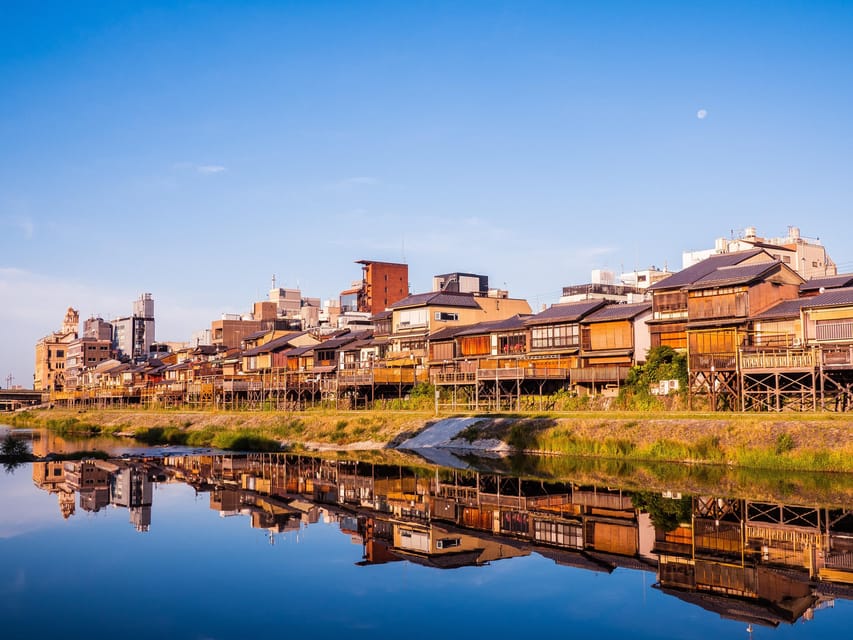
- A smart Kyoto route: start in Gion, then head to Nanzenji, the Philosopher’s Path, Ginkakuji, Shimogamo Shrine, and the Kyoto Imperial Palace.
- You get guided moments: short guided walks inside key stops, not just riding past them.
- Photo-friendly pacing: guides like Miya or Kats are known for giving enough time to take pictures without rushing you.
- Good value for a half-day: includes bike rental, Nanzenji Temple entrance, guide, and insurance.
Why a Mamachari bike fits Kyoto better than walking
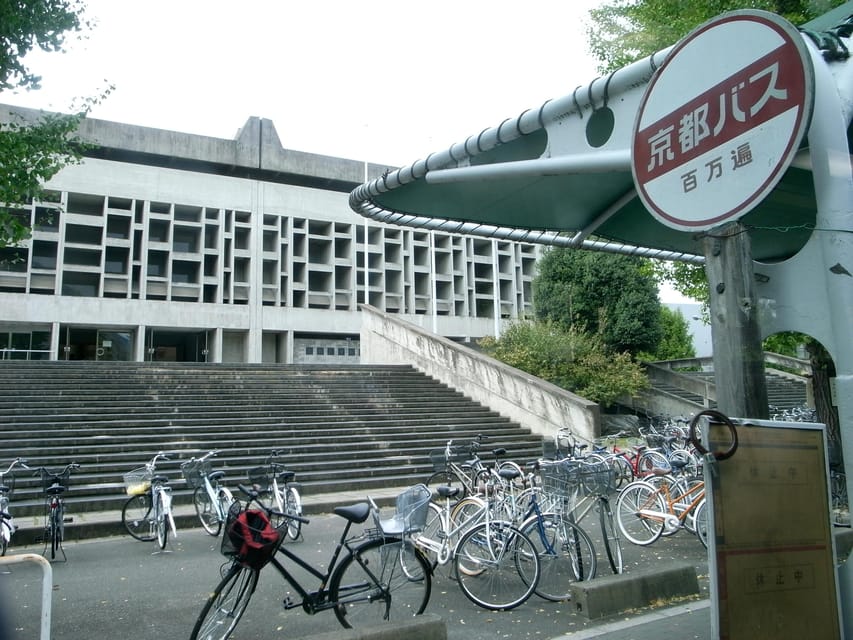
Kyoto is one of those cities where biking just makes sense. This tour uses a Mamachari, the everyday-style “mom’s bike” many locals ride—upright, easy to handle, and comfortable for sightseeing.
Because the route is mostly flat with only a few gentle slopes, you’re freed up to enjoy the sights instead of fighting the terrain. And with 3 gear shifts on the standard bike rental, you can adjust without needing elite cycling skills.
The helmet is included, which is a small thing that adds up to a big comfort boost when you’re in traffic and want to feel at ease. If you’re choosing between walking for hours and getting around faster, a bike tour like this usually gives you better odds of seeing multiple landmark clusters without burning your whole day.
You can also read our reviews of more cycling tours in Kyoto
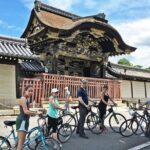
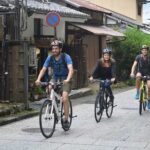
Meeting at Gojo Station, then gliding into Gion
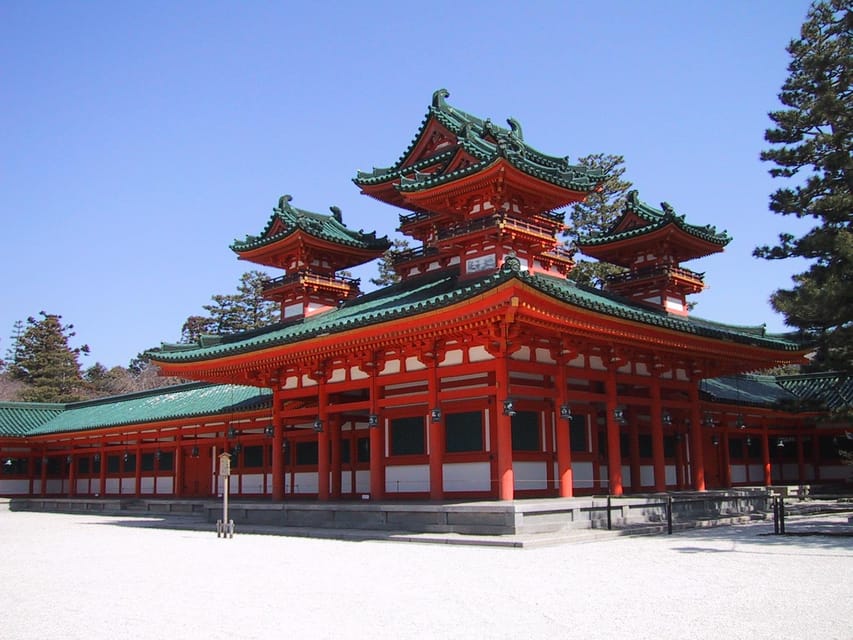
You’ll meet at Subway Gojo Station, exit 2. Look for your guide wearing a TripGuru shirt or holding a TripGuru sign, and keep your camera handy right from the start.
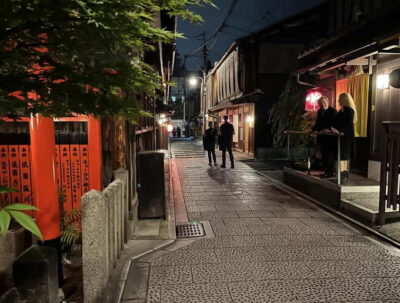
From there, you roll into Gion for about 20 minutes. This is a great warm-up segment: you ease into the rhythm of the ride, get comfortable on the bike, and start your sightseeing from one of Kyoto’s best-known districts, described here as the geisha neighborhood.
The practical win with starting in Gion is that you’re already in a high-interest area before you feel tired. It also sets the tone—Kyoto can feel like a lot the first day, and having a guide help you connect what you see to what it means takes the edge off.
One caution: if you don’t ride often, spend the first minutes getting your braking and balance nailed down. The first stretch is where you’ll set yourself up for an easy half-day.
Nanzenji Zen Temple: two chances to slow down
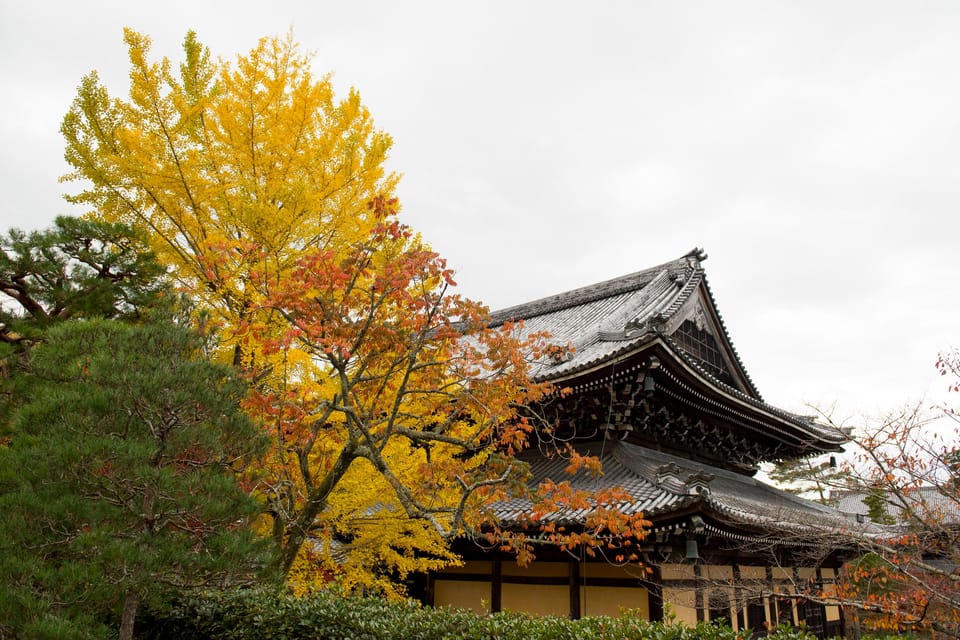
The tour heads to Nanzenji Temple after your Gion segment, with about 45 minutes of biking time allocated to get there and settle into the stop. Nanzenji is a Zen temple, and the tour gives you a meaningful visit, not just a quick roadside look.
Then later in the day, you’ll return to Nanzenji Temple for a guided visit plus another bike segment afterward—about 15 minutes of visit time on top of the riding. That split timing matters. It lets you experience the location in more than one way during the loop rather than treating it like a single stop you rush through.
Also, the Nanzenji entrance fee is included, so you won’t waste time figuring out tickets or paying at the gate. It’s one less stress point, and in a half-day schedule that’s a real quality-of-life upgrade.
What to watch for here: temple grounds can mean uneven paths and some walking even if you’re on a bike most of the time. Comfortable shoes matter, and you’ll want to wear them from the start, not just pack them.
Philosopher’s Path by bike: a canal-side break between big landmarks
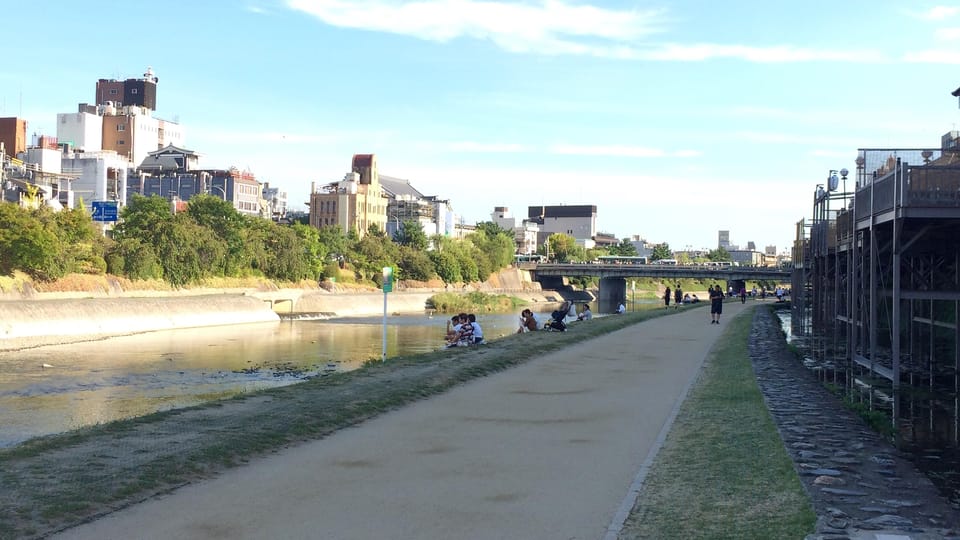
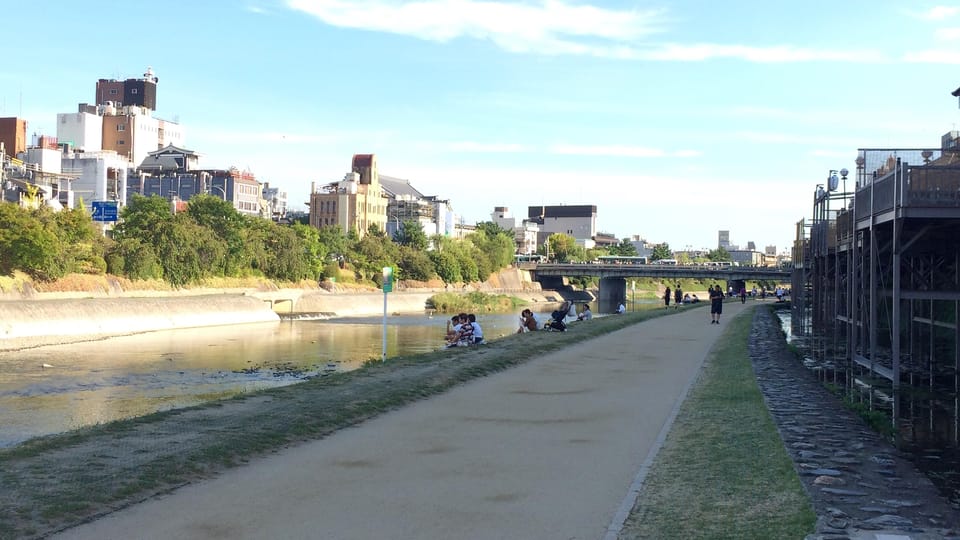
The Philosopher’s Path is where your ride gets pretty and calm. You’ll cycle along the canal-side route for about 30 minutes, then you’ll come back later for another 30-minute stretch.
That repeat timing is useful. Instead of burning out on a single long photo stop, you get an in-between rhythm—ride for a bit, pause, take pictures, then ride again. And because the route is described as canal-side and known for natural beauty, it’s a nice counterweight to the more structured feeling of major temple and shrine visits.
The tour keeps the biking relaxed, so you can focus on framing shots and absorbing the atmosphere. Bring your camera and take advantage of the gentle pace—standing still in Kyoto can be crowded, but riding the line can help you find your own viewpoint.
A small practical note: since this is an out-and-back style loop, you’ll want to keep your hands free for steering and braking. Don’t try to juggle your phone while moving. Save the best photo moments for when you’re stopped or rolling very slowly.
Ginkakuji and Ginkakujicho: the Silver Pavilion stop
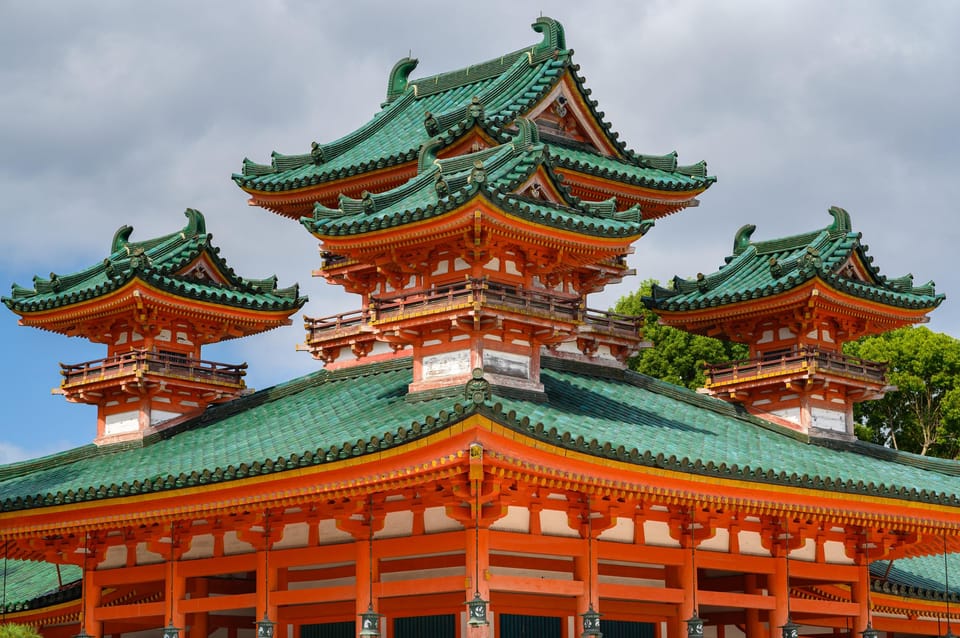
Next up is Ginkakuji (the Silver Pavilion), entered through Ginkakujicho, with about 20 minutes of bike tour time in that section.
Ginkakuji is described here as a Zen temple with peaceful gardens. Even if you only have a short window, this is the kind of place where a little time goes far—peaceful gardens tend to reward slow attention, not speed.
In a half-day schedule, think of Ginkakuji as a reset point. You’ve already learned a lot about temple culture through the Nanzenji stop, and this is a chance to connect that idea to a different setting within Kyoto’s spiritual landscape.
Because you’re on the bike for the transfer and the schedule is tight, don’t expect everything to feel leisurely. Still, the guide helps you make sense of what you’re seeing, and that turns a quick visit into something more satisfying than a checklist photo.




Shimogamo Shrine and Kyoto Imperial Palace: Shinto calm, then palace space
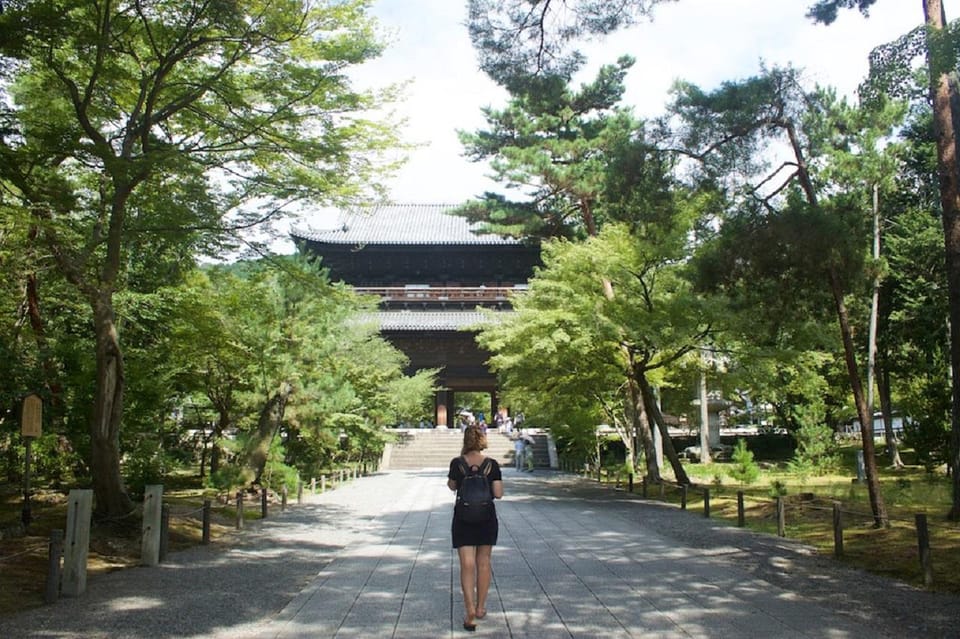
After Ginkakuji, the tour heads to Shimogamo-jinja Shrine for about 30 minutes of biking, plus a guided visit. Shimogamo is one of Kyoto’s oldest Shinto shrines, set in serene, wooded grounds, so it naturally shifts the mood from temple calm to shrine calm.
That guided time helps, especially when you’re not sure what to look for. Even a short explanation can make the difference between seeing a gate and understanding why the place is important in Kyoto.
Then you bike to the Kyoto Imperial Palace, with about 30 minutes of bike time and time to relax in the expansive palace grounds. This is a smart final stop because it works like a mental exhale. Shrines and temples keep you in a reflective mode, and the palace grounds give you a different kind of spaciousness before the ride ends.
By the time you reach the palace, you’ve likely covered several distinct areas of Kyoto in one loop. Ending here can be a relief if you want variety without having to plan multiple days.
Small group, English guide, and the pace that keeps it fun
This is a small-group tour limited to 9 participants, led by an English-speaking TripGuru guide. That size matters more than people think. You can ask a question, get photo help, and stay with the group without feeling like you’re trapped in a long line.
Based on how guides like Miya and Kats are described, the photo stops aren’t rushed. That sounds minor, but it changes the whole experience. If you’re traveling with a camera, a guide who understands you’ll want a few clean shots makes the ride feel more like your day rather than a parade.
Safety is another real plus. A guided bike loop across Kyoto gives you structure. Even on mostly flat routes, you want someone watching the flow, keeping the group together, and helping you avoid last-minute stress.
One more perk for families: there’s at least one reported experience where children aged 13 and 11 enjoyed the tour. The key is that everyone was able to ride comfortably and follow along.
Price and value: what $79 includes, and why it adds up
The tour is priced at $79 per person for about 4 hours. For that, you get several practical items bundled together:
- English-speaking tour guide
- Bicycle rental: standard non-electric B-type with 3 gear shifts
- Helmet
- Entrance fee at Nanzenji Temple
- Insurance
That combo is what makes this feel like value rather than just paying for transportation. Bike rental alone costs money, and guided time is usually where quality lives, especially in a city where sites feel close on a map but take effort to organize on your own.
What’s not included is also important. Meals and other drinks aren’t part of the price, so plan on grabbing something before or after the ride. Hotel pickup and drop-off also aren’t included, so you’ll want to be ready to start at Gojo Station and return there.
If you’re trying to make your first day in Kyoto efficient, this is the kind of cost structure that helps: you’re paying for a guided route, not just a bike.
What to bring, and who should skip the bike
Kyoto biking is easy only if you come prepared. Bring comfortable shoes (you’ll likely do some walking at stops), a camera, and cash.
The activity also isn’t suitable for everyone. It’s not for pregnant women, people with mobility impairments, people with heart problems, people with respiratory issues, or anyone who can’t ride a bike. Since the route includes some gentle slopes and you’re on public streets for part of the day, you don’t want to gamble with comfort or fitness.
If you can ride a bike and you’re generally healthy, this tour is a nice way to sample Kyoto’s main spiritual and cultural landmarks without turning your vacation into a marathon.
Should you book this Kyoto biking half-day?
Book this tour if you want a first-day orientation and you like the idea of getting around under your own power with a guide doing the heavy thinking for you. It’s especially good if you want variety in one session: Gion, Nanzenji, Philosopher’s Path, Ginkakuji, Shimogamo Shrine, and the Kyoto Imperial Palace—all strung together in a route designed to keep the day flowing.
Skip it if you’re the type who needs long, quiet hours inside each site, because the schedule is built to cover a lot in 4 hours. Also skip it if biking feels stressful—this tour works best when you’re comfortable riding and can enjoy the ride, not just tolerate it.
If you want Kyoto in motion, with context and a bike that’s easy to handle, this is a strong bet.
FAQ
How long is the Kyoto biking half-day experience?
It runs for 4 hours.
Where do I meet the guide?
Meet at Subway Gojo Station, exit 2. Look for a guide wearing a TripGuru shirt or holding a TripGuru sign.
What kind of bike is included?
You get a standard non-electric B-type bicycle with 3 gear shifts, plus a helmet.
Is the route easy to ride?
The tour is described as mostly flat with a few gentle slopes.
Which places are included in the route?
You’ll pedal and visit stops including Gion, Nanzenji Temple, the Philosopher’s Path, Ginkakuji, Shimogamo-jinja Shrine, and Kyoto Imperial Palace.
What is included in the price?
Included items are an English-speaking tour guide, bicycle rental, helmet, entrance fee at Nanzenji Temple, and insurance.
What should I bring with me?
Bring comfortable shoes, a camera, and cash.
Is this tour suitable for everyone?
No. It’s not suitable for pregnant women, people with mobility impairments, people with heart problems, people with respiratory issues, or anyone who can’t ride a bike.