REVIEW · KYOTO
Kyoto Early Bird Tour in Uji and Fushimi Inari
Book on Viator →Operated by GuideMe Japan · Bookable on Viator
Red gates look different early. This morning route stitches together Fushimi Inari and Uji’s calmer temple circuit with the goal of beating the worst crowds. It’s built for people who want Kyoto, without feeling like they’re part of a human line.
I like two things a lot: the small group size (max 8) and the chance to ask real questions. With an English-speaking guide (many bookings include Genki), you’ll get practical context about what you’re seeing—like the differences between Shinto and Buddhism—so the sites make more sense in your head, not just in photos.
The main drawback is logistics. Transportation costs aren’t included (¥390 per person), and the tour ends at Uji Station, so you’ll need your own plan to continue to Kyoto or elsewhere.
In This Review
- Key points that make this Kyoto morning tour worth your time
- Why early-bird timing matters at Fushimi Inari and beyond
- Price and what you really get for $55.18
- Route reality: meeting at Kyoto Station and ending in Uji
- Stop 1: Fushimi Inari-taisha before the full crowd wave
- Stop 2: Byodoin Temple and the Phoenix Hall UNESCO experience
- Stop 3: Ujigami Shrine, a quieter end with old wooden character
- The guide makes it make sense: Genki and Shinto-Buddhism context
- Pacing and timing for a 5.5-hour morning
- What to plan for day-of: tickets, transport, and smart extras
- Who this tour suits best (and who might want a different plan)
- Should you book this Kyoto early bird Uji and Fushimi Inari tour?
- FAQ
- What’s included in the tour price?
- How long is the Kyoto early bird tour in Uji and Fushimi Inari?
- Where does the tour start and end?
- Which stops are included?
- Is Byodoin Temple admission included?
- Are Fushimi Inari-taisha Shrine and Ujigami Shrine admission fees included?
- How many people are in the group?
- Is transportation included?
- How does ticket delivery work?
- What is the cancellation window?
Key points that make this Kyoto morning tour worth your time
- Early start for space around you: less crowd pressure at the big stops
- Small group access: max 8 travelers, so questions actually land
- Byodoin Temple entry is included: less waiting on-site
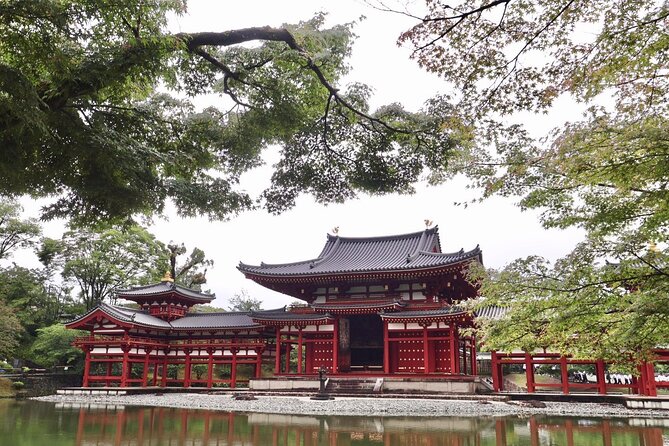
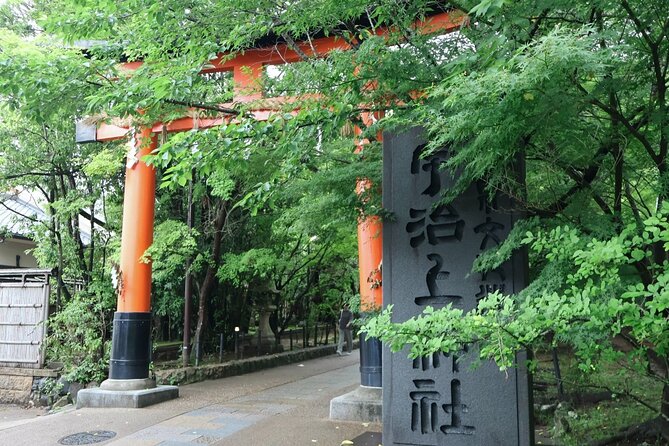
- UNESCO Byodoin + Phoenix Hall: a signature Uji experience tied to the 10 yen coin
- Ujigami Shrine is a quieter pause: Japan’s oldest standing shrine with mossy, wooden charm
- Mobile ticket: you’re not juggling paper on a busy morning
Why early-bird timing matters at Fushimi Inari and beyond
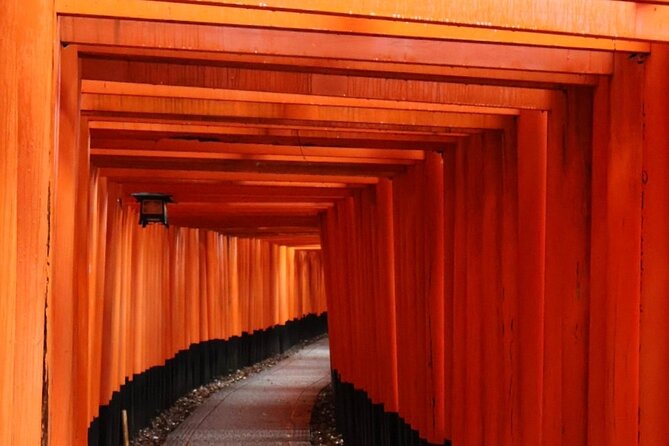
Kyoto’s famous spots can feel like a clockwork machine: you show up, you wait, you move. This tour is designed to slip into the flow earlier, when the air is cooler and the crowds haven’t fully arrived. That means your time goes toward walking and learning, not just inching.
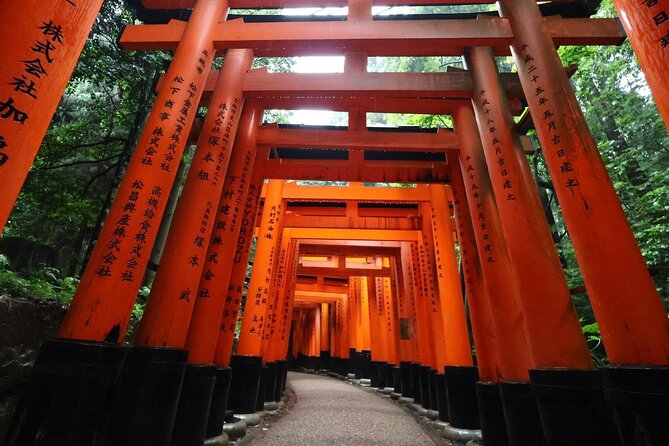
At Fushimi Inari-taisha, you’ll be walking through thousands of red gates—exactly the kind of sight that looks better when you can actually move at a normal pace. Early timing also helps you see the shrine as a lived spiritual space, not just a photo backdrop.
In Uji, early timing does something even more valuable: it turns “temple sightseeing” into a calmer, more focused experience. When there’s breathing room, you notice details—wood texture, stone steps, the way the sites are laid out—without getting herded.
You can also read our reviews of more tours and experiences in Kyoto.


Price and what you really get for $55.18
At $55.18 per person, the price isn’t just paying for a “walk and look.” You’re paying for three main value drivers:
- An English-speaking guide
- Byodoin Temple entrance included
- A small group size (max 8), which usually means fewer delays and more attention
Then there’s the trade-off. Transportation (¥390 per person) isn’t included, and lunch isn’t included either. You’re also starting at Kyoto Station and finishing at Uji Station, which may affect how you plan the rest of your day.
So what’s the smart way to judge value? If you’re the type who hates long waits and wants guided context for Shinto and Buddhism, this price can feel fair. If you don’t mind crowd lines and you’d rather set your own pace across Uji and Inari, you might compare DIY costs and decide.
One more practical note: it’s booked about 62 days in advance on average, so if your dates are set, don’t procrastinate.
Route reality: meeting at Kyoto Station and ending in Uji
The tour starts at Kyoto Station (Higashishiokoji Kamadonocho, Shimogyo Ward). That’s convenient because it’s a major transport hub, and you can arrive with less stress than trying to meet somewhere tucked into side streets.
It ends at Uji Station (Otsukata Uji, Kyoto 611-0021). Your guide can help with direction planning if you’re heading back toward Kyoto, but they won’t ride the train back with the group. In other words: plan to handle your onward travel on your own after the last stop.
This matters if you’re the sort of traveler who hates “split decisions” at the end of tours. If you’re fine figuring out trains after a morning itinerary, this setup is totally workable—and it can even make your day feel smoother, because you end closer to Uji rather than doubling back.
Stop 1: Fushimi Inari-taisha before the full crowd wave
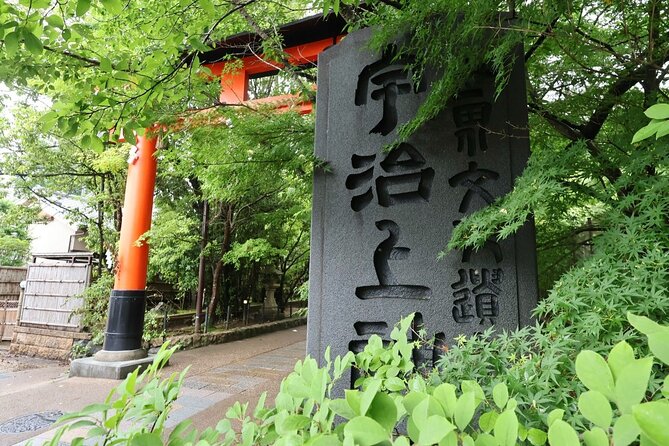
Time on stop: about 1 hour 30 minutes
Admission: free
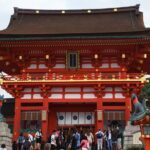
Fushimi Inari-taisha is the shrine built for instant recognition: thousands of red torii gates that create a tunnel-like walk. The wow factor is obvious, but early-bird timing changes the feel. Instead of being stuck behind slower groups, you can actually keep moving and enjoy the rhythm of the path.
This is also a great place for your guide to set context. Even if you’re not a religion-history buff, having someone explain how Shinto practices show up in shrine space helps you read the site as more than scenery.
A small practical consideration: this stop is long enough to do meaningful walking, but you’ll still be moving toward the rest of the itinerary soon after. If you’re the type who wants to linger at every gate, you’ll want to keep an eye on the group pace.
Stop 2: Byodoin Temple and the Phoenix Hall UNESCO experience
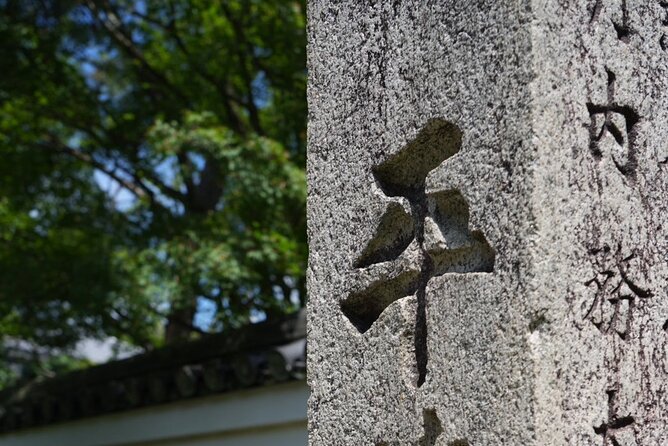
Time on stop: about 1 hour 30 minutes
Admission: included
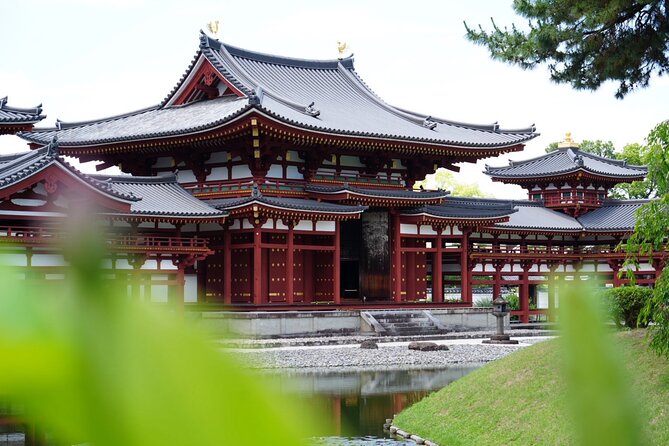
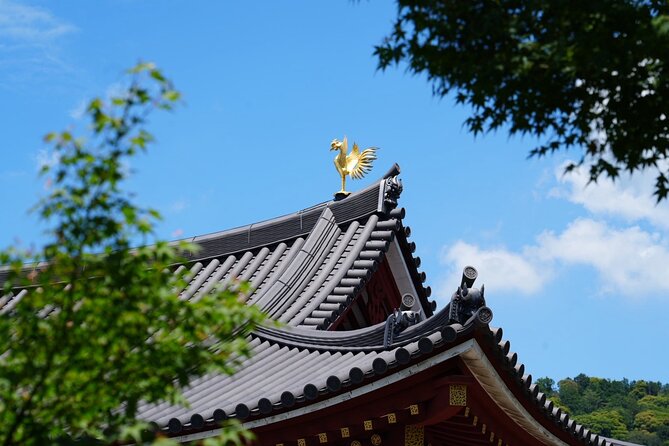
This is the centerpiece. Byodoin Temple is a UNESCO World Heritage Site, and it’s famous for the Phoenix Hall—the building featured on the back of Japan’s 10 yen coin. That coin connection sounds like trivia until you see the architecture and realize how recognizable the silhouette is once you’re standing there.
The best part for most people is that Byodoin entry is included, and the tour aims to help you avoid long ticket lines. Waiting is the enemy of early-bird tours; the morning only works if you’re not paying the crowd tax later.
What you’ll likely appreciate most here is the structure of the visit. You’re not just walking in randomly—you’re spending focused time at a site that has multiple layers: the UNESCO importance, the temple architecture, and the symbolism behind what you’re seeing. And with a guide who explains Shinto and Buddhism differences, you’ll get more sense out of the mix of spiritual influences around Kyoto.
Possible drawback: if you’re hoping for a fully unstructured, meandering “do what you want” temple stroll, the included entry and guided flow can feel a bit more scheduled. For most travelers, that’s a plus.


Stop 3: Ujigami Shrine, a quieter end with old wooden character
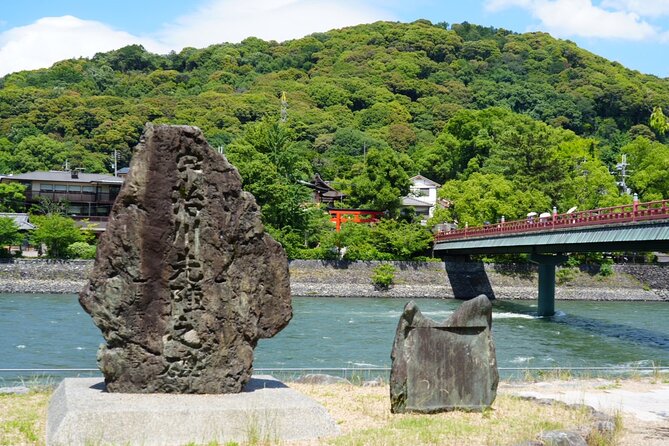
Time on stop: about 1 hour 30 minutes
Admission: free
Uji is often treated like a side note compared to central Kyoto, but this stop gives you a strong reason to care. Ujigami Shrine is described as Japan’s oldest standing shrine, with centuries-old wooden architecture and moss-covered grounds. Even without extra framing, that combination makes it feel more like a place where time slows.
This is where the tour’s early-bird strategy pays off again. When the shrine is less crowded, the mood shifts from sightseeing mode to noticing mode. You’ll see the texture of the setting rather than scanning for the next major photo moment.
Because this is the final stop before you reach Uji Station, it also functions like a soft landing. You get a calm, spiritual closure to the morning—red gates and big landmarks earlier, then a more grounded, quiet atmosphere at the end.
The guide makes it make sense: Genki and Shinto-Buddhism context
One of the strongest themes in the experience is the quality of the guide. Many groups are led by Genki, and the feedback highlights how he explains the differences between Shinto and Buddhism in a way that’s clear and easy to remember.
That matters more than you might think. Kyoto’s shrine-temple mix can feel like one big confusing blur if you’re going in cold. When someone gives you a simple framework, you start spotting patterns: why certain places feel different, what certain site elements are doing, and how the spiritual world in Japan overlaps in everyday life.
I also like the pacing of this approach. You’re not getting a lecture that steals your walking time. You get just enough context so your brain can organize what you see while you’re still there.
And because the group is small, you’re not stuck waiting for a big crowd question window. If something doesn’t click, you have a better chance of getting a direct answer.
Pacing and timing for a 5.5-hour morning
The total duration is about 5 hours 30 minutes. That’s a realistic length for a “morning sweep” style tour: long enough to hit three major cultural stops, short enough to keep your afternoon open.
You should expect walking. Even though it’s not advertised as an intense hike, the tour is built around moving between active shrine and temple areas, plus a guided rhythm that keeps everyone together. The tour notes a moderate physical fitness level recommendation, so plan for stairs and uneven surfaces that are common around temple and shrine grounds.
The time allocations are even across the three stops (about 1 hour 30 minutes each). That balance keeps the day from feeling rushed at just one location. It also means the “crowd-killer” factor is working in your favor: early access at each stop helps your 90 minutes feel like real time, not time spent waiting.
What to plan for day-of: tickets, transport, and smart extras
A few practical notes that can save you stress:
- You’ll receive a mobile ticket, which is convenient on a phone before you head into each site area.
- Transportation isn’t included (¥390 per person). Budget for this so you don’t get surprised mid-planning.
- Lunch isn’t included, so decide where you want to eat after the tour ends at Uji Station.
Packing-wise, the obvious Kyoto basics apply. Wear comfortable shoes you trust for temple steps. Bring a light layer; mornings can feel cooler than you expect, especially when you’re walking early.
If you’re returning to Kyoto after the tour, tell your guide. They’ll assist you with directions, but again, they won’t take the train back with the group. Having a simple plan in your phone before you finish helps.
Who this tour suits best (and who might want a different plan)
This tour is a strong fit if you:
- Want Fushimi Inari + Uji in one morning without jumping logistics all day
- Prefer a small group and a guide who answers questions
- Hate waiting in ticket lines and want Byodoin entry included
- Like learning context, not just taking photos
It may be less ideal if you:
- Want a full, self-paced day in central Kyoto and would rather control every stop time
- Don’t want to deal with extra transport costs and an end point in Uji Station
- Prefer lunch included in a single package (here, lunch is not included)
Should you book this Kyoto early bird Uji and Fushimi Inari tour?
I’d book it if you’re aiming for a Kyoto “best hits” morning with fewer crowds and more clarity. The combination of small group size, Byodoin Temple admission included, and a guide who explains the Shinto-Buddhism mix is the real reason this feels worth the money.
If your top priority is maximum flexibility over comfort and guidance, then a DIY plan might suit you better. But if you’d rather walk calmly through torii gates and the UNESCO Phoenix Hall without spending your morning battling queues, this early-bird structure is exactly the kind of value that pays off.
FAQ
What’s included in the tour price?
The tour includes an English-speaking guide and the entrance fee to Byodoin Temple. It does not include transportation fees or lunch.
How long is the Kyoto early bird tour in Uji and Fushimi Inari?
The tour duration is approximately 5 hours 30 minutes.
Where does the tour start and end?
The tour starts at Kyoto Station (Higashishiokoji Kamadonocho) and ends at Uji Station (Otsukata Uji).
Which stops are included?
The tour includes Fushimi Inari-taisha Shrine, Byodoin Temple, and Ujigami Shrine.
Is Byodoin Temple admission included?
Yes. Byodoin Temple entrance is included in the tour.
Are Fushimi Inari-taisha Shrine and Ujigami Shrine admission fees included?
Both are listed as free for this tour’s stops.
How many people are in the group?
The tour has a maximum of 8 travelers.
Is transportation included?
No. Transportation is not included, and it’s listed as ¥390 per person.
How does ticket delivery work?
You’ll receive a mobile ticket.
What is the cancellation window?
You can cancel for a full refund up to 24 hours before the experience starts.