REVIEW · KYOTO
Kyoto: Fushimi Inari Taisha Shrine Walking Tour with Guide
Book on GetYourGuide →Operated by KYOTO CITY TOURISM ASSOCIATION · Bookable on GetYourGuide
Torii gates in Kyoto never get old. This walking tour pairs Fushimi Inari Taisha with a quieter stop at Sekiho-ji Temple, plus a guide who explains customs as you go, using eco-friendly public transport. I especially like how the experience aims at real understanding, not just photos, and how you’ll end with local next-step ideas for your day. One thing to plan for: the train fare to Fushimi Inari Taisha is not included, so budget that on top of the tour price.
This is also a strong match if you want clear, human guiding. The Kyoto City Tourism Association certified guides bring etiquette and tradition to life, and Junko’s style in particular sounds like it makes the whole area click fast. I also like the added contrast of temple stillness, including a Zen garden moment and the pull of Jizo statues at Sekiho-ji. Since it’s about two hours of walking, your feet need to be ready, even if the route is guided and paced.
In This Review
- Key highlights worth your time
- Fushimi Inari Taisha feels sharper when etiquette is part of the walk
- Kyoto Station to Fushimi Inari: the smart way to start, step by step
- The Senbon Torii walk: seeing the gates with context, not just crowds
- Sekiho-ji Temple: the calm contrast and Jizo statues you’ll want to linger with
- How long it takes, and who should love the pace
- Price value: $34 is fair, if you factor in the train fare
- Dates for October 2025: plan around the operating days
- Meeting point and ending: where to go so you don’t lose time
- Should you book this Fushimi Inari and Sekiho-ji walking tour?
- FAQ
- Is this tour offered in English
- How long is the Fushimi Inari Taisha Shrine walking tour
- Where do I meet the guide
- What’s included in the $34 price
- Do I need to pay for train fare
- Can I bring a child for free
Key highlights worth your time
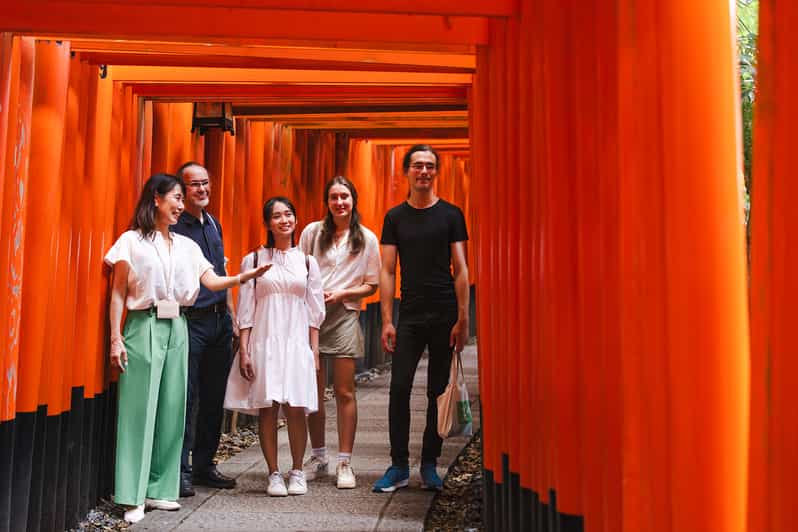
- Official certified Kyoto guide who explains customs and what to notice (in English)
- Eco-friendly public transportation from Kyoto Station instead of private transit
- Senbon Torii experience at Fushimi Inari Taisha, guided with context
- Sekiho-ji Temple and Jizo statues in a more tucked-away setting
- Zen garden time that slows the pace after the famous shrine lanes
Fushimi Inari Taisha feels sharper when etiquette is part of the walk
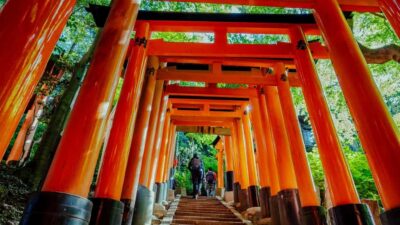
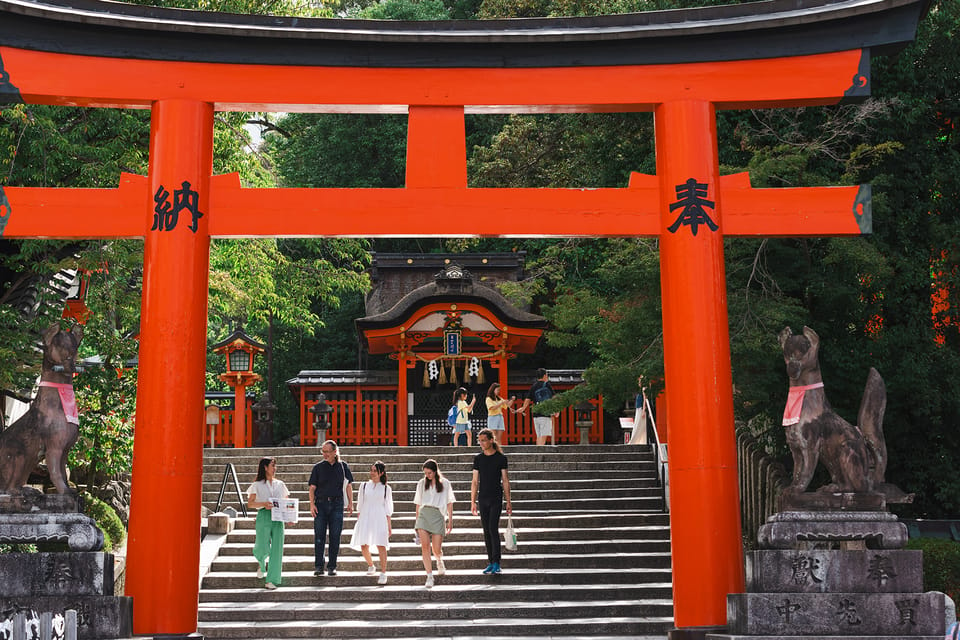
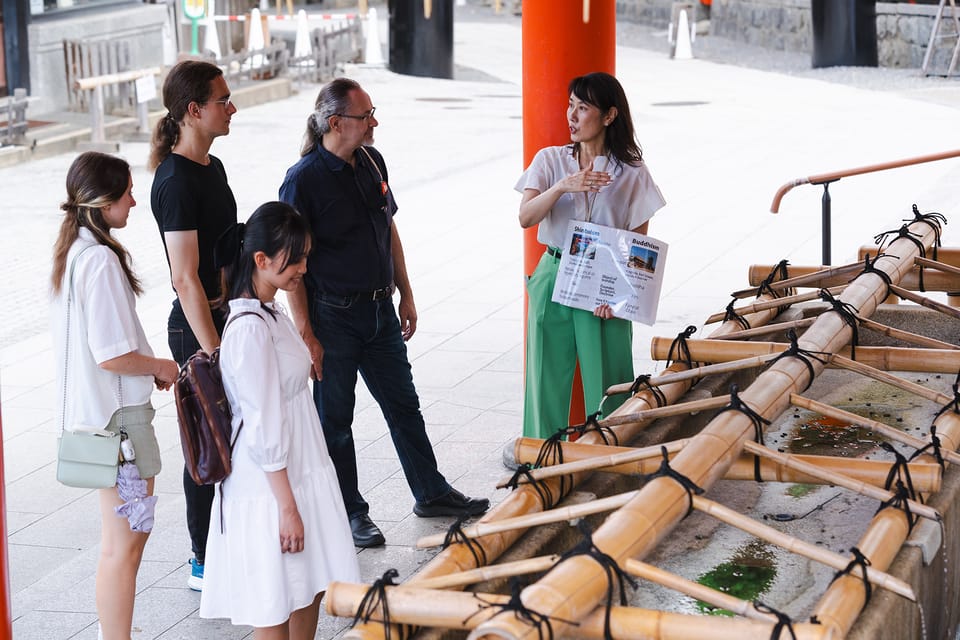
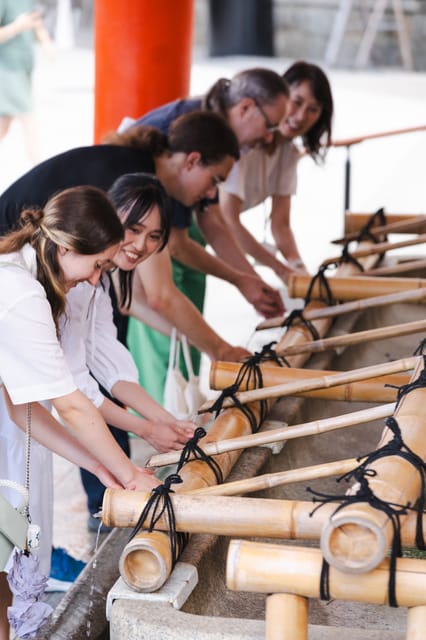
Fushimi Inari Taisha is one of Kyoto’s most recognizable shrine complexes, mainly because of the thousands of torii gates that form a long, iconic corridor. The special value here is that you’re not just walking past landmarks. You’re learning how to behave there and what those traditions mean, so your visit feels more respectful and more meaningful.
A good guide also helps you read the space. With a site like this, the scenery can overwhelm you fast: torii after torii, people flowing in different directions, and lots of small details you could easily miss. The tour’s focus on customs and traditions is what turns it from a checklist stop into a place you actually understand.
The tone matters too. The guide experiences described for this tour put a spotlight on clear communication and being responsive to questions. That’s practical for you, because the shrine world has its own rhythm and rules, and you’ll feel less like you’re guessing your way through.
You can also read our reviews of more walking tours in Kyoto


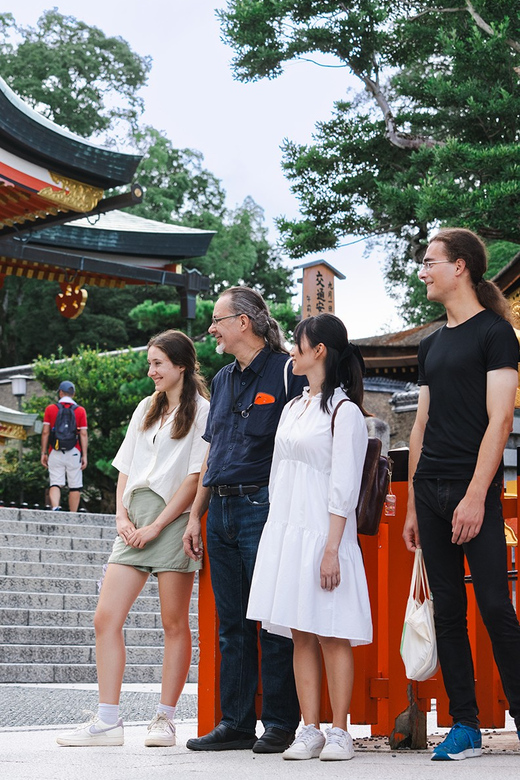
Kyoto Station to Fushimi Inari: the smart way to start, step by step
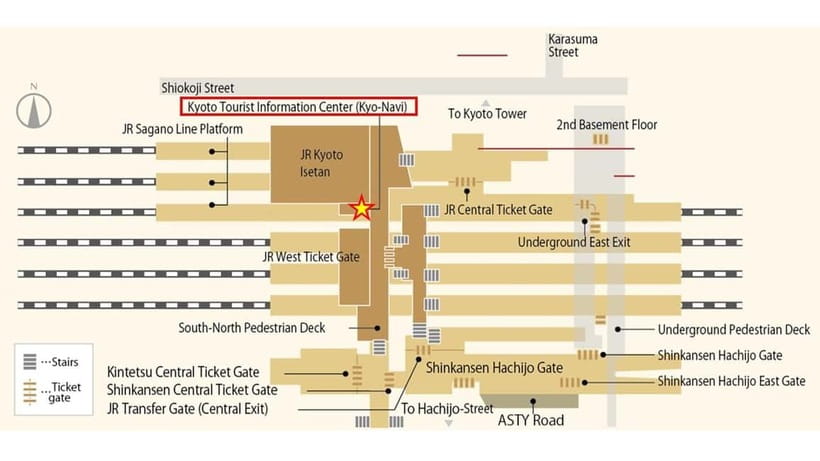
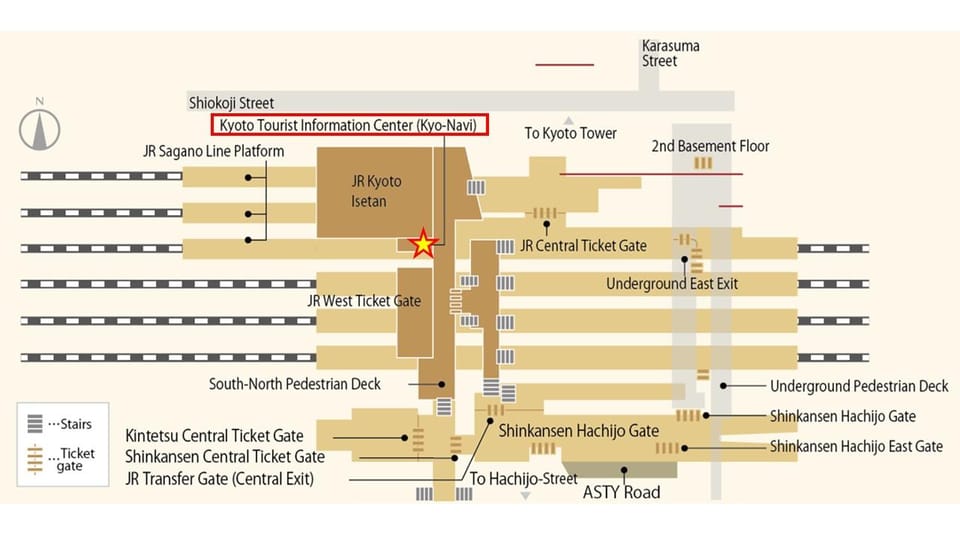
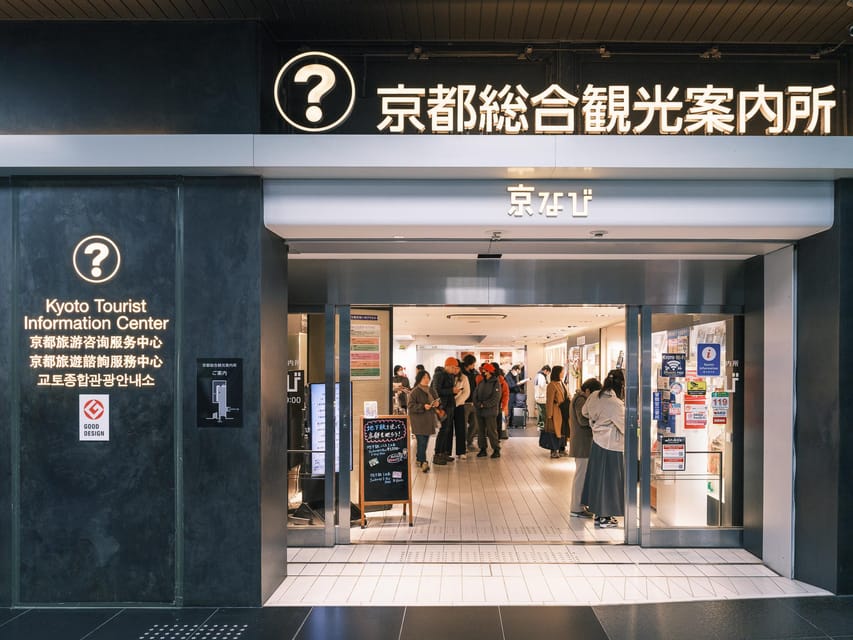
Your day begins at Kyo-Navi, the Kyoto Tourist Information Center inside Kyoto Station. This matters more than it sounds, because a “meeting point fail” can ruin the first hour. Kyo-Navi is on the 2nd floor of Kyoto Station, near the pedestrian walkway on the north side, and next to the Kyoto JR Isetan area. If you get turned around, the local name to ask for is Kyo-Navi (京なび).
From there, you’ll take public transit with the guide. The tour specifically frames this as eco-friendly, and it also tends to be easier than trying to coordinate taxis or private transfers. You’ll also get the cultural basics while you’re moving, which is a nice time saver. Instead of waiting until you reach the shrine to start learning, you begin with context immediately.
One practical point: train fare is not included. That doesn’t make the tour bad value, but it does mean you should plan for that extra cost so you aren’t surprised at the ticket machine.
The Senbon Torii walk: seeing the gates with context, not just crowds
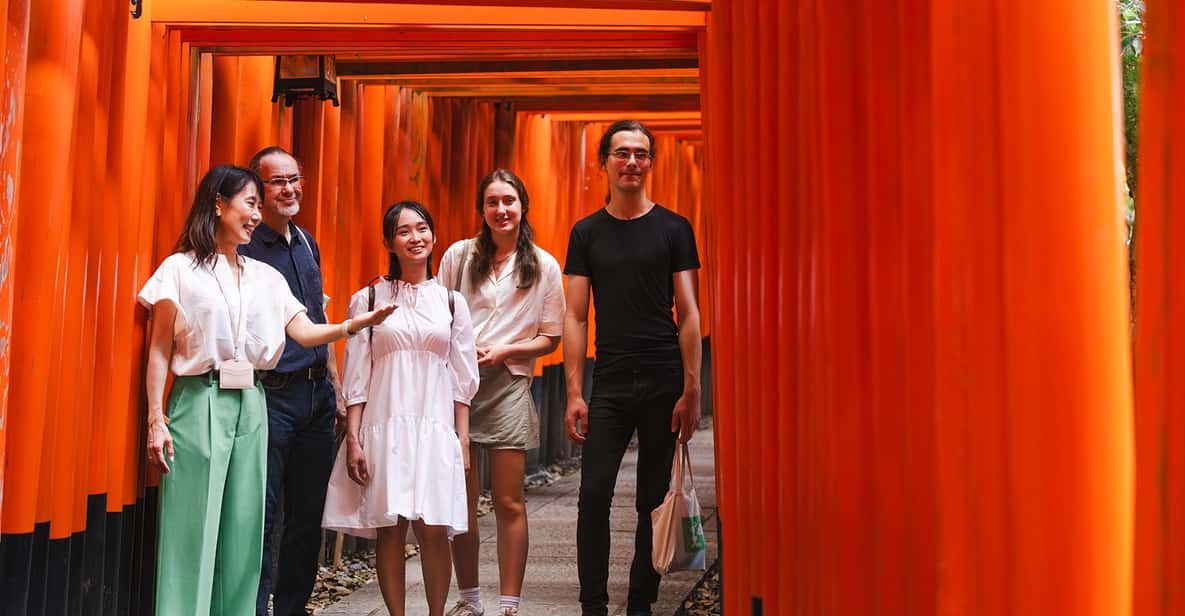
At Fushimi Inari Taisha, you’re there for the main show: the Senbon Torii gates. This is the kind of Kyoto scene that looks unreal in photos, but becomes more interesting when you understand what you’re looking at. The tour is built to keep you moving through the right areas while your guide explains customs and what to notice.
The biggest “why this works” is how guidance changes your attention. Without direction, you can end up spending most of your time trying to figure out where you’re supposed to be, or you might skim past small details because you’re focused on the famous corridor alone. With a guide, you can slow down on what matters and still keep the route efficient.
This is also where English-language guiding helps. The tour runs only in English, so you won’t have to piece together etiquette from signs, or rely on spotty translations. If you like asking questions, this kind of structured walking tour is one of the easiest ways to get answers in real time.
Sekiho-ji Temple: the calm contrast and Jizo statues you’ll want to linger with
After the shrine’s torii spectacle, the tour shifts to a quieter, more reflective stop: Sekiho-ji Temple. This is where the tour’s “hidden” angle comes in, specifically through the Jizo statues and a Zen garden atmosphere.
What makes this portion valuable is the contrast. Fushimi Inari can feel like a visual surge: strong lines, repeated gates, and lots of foot traffic. Then Sekiho-ji pulls the experience inward. It’s the kind of setting where you can actually slow your breathing, look closely at the statues, and notice how the space encourages calm.
The tour includes entry tickets to Sekiho-ji Temple, which is a real value item. Many tours cover walking and guiding but make you pay separately for entry. Here, you can focus your budget better and spend more mental energy on the experience itself.
Also, the guide style is part of why this stop lands. One review highlighted enjoying the Zen garden with the guide’s explanation, and that’s exactly what I’d look for if you want more than “stand here, take a picture.” If you care about how temples work—how visitors should behave, how the space is meant to be experienced—this segment is the payoff.
How long it takes, and who should love the pace
This is a walking tour that’s recommended for people who enjoy walking, and it takes about two hours. That timeline is key for planning your Kyoto day. Two hours is long enough to feel like you saw something real, but short enough to pair with another neighborhood stroll afterward.
It’s also not a fit if you’re trying to avoid walking entirely. Even though it’s guided and paced, you’ll still be on your feet through the shrine area and then to the temple. If your schedule includes tight museum windows or late-night plans, you’ll want to build in buffer time.
Suitability is clear from the rules:
- You must join with an adult if bringing a child (and the tour requires children to be accompanied).
- The tour doesn’t allow unaccompanied minors.
- If you’re traveling as a group that includes young kids, the free child policy may matter a lot.
Child policy, in plain terms: each paid participant can bring one child aged 0-6 for free. If that free child wants to use luggage service, there’s a service fee. If you want more than one child, extra children need to purchase an adult ticket.
You can also read our reviews of more guided tours in Kyoto




Price value: $34 is fair, if you factor in the train fare
At $34 per person, this tour sits in a reasonable range for an English-language guided experience that includes both professional guiding and entry to a temple. The best way to judge value is what’s included versus what’s not.
Included:
- Kyoto City Tourism Association certified guide
- Entry tickets to Sekiho-ji Temple
Not included:
- Train fare to Fushimi Inari Taisha
So you’re paying for the human guidance and the included temple entry, while the transit cost is on you. If you’re staying around Kyoto Station, taking local trains is often straightforward anyway, and having the guide do the “how to get there and what to do once there” part can save you time and confusion.
Also, the tour’s structure reduces decision fatigue. You’re not trying to map out shrine etiquette on the fly, and you’re not left wondering how much time to spend at each part. For many people, that alone makes the price feel fair.
Dates for October 2025: plan around the operating days
This tour runs from October 6 to October 31, 2025, but not on Saturdays or Sundays. If you’re visiting Kyoto in early to mid-October and your schedule includes a weekday, this can be a convenient slot that doesn’t eat an entire day.
Because it’s a specific window, I’d treat the date as part of your planning, not an afterthought. If your trip lands on a weekend, you’ll need an alternative day or a different tour option.
Meeting point and ending: where to go so you don’t lose time
Meet at Kyo-Navi (Kyoto Tourist Information Center) inside Kyoto Station. Specifically, it’s on the 2nd floor near the pedestrian walkway on the north side, next to Kyoto JR Isetan. If you’re anxious about finding it, do a quick station walk before the start time.
For the end point, the tour information indicates two possibilities: it can finish back at the meeting point, or it can conclude in the Fushimi Inari area or around JR Tofukuji Station. The safest move is to follow the exact instructions in your reservation confirmation email, since that’s where the details are finalized.
Should you book this Fushimi Inari and Sekiho-ji walking tour?
If you want Fushimi Inari Taisha with more meaning than sightseeing, I think this is worth your time. The standout reasons are the certified English guiding, the emphasis on customs and etiquette, and the added temple contrast at Sekiho-ji with Jizo statues plus a Zen garden moment.
I’d skip it only if you hate walking or you’re tightly time-boxed to the point where two hours of steady strolling is a headache. Also, if you strongly prefer “self-paced first, guide later,” this format may feel more structured than you want.
FAQ
Is this tour offered in English
Yes. The tour is conducted only in English.
How long is the Fushimi Inari Taisha Shrine walking tour
It takes about two hours and is a walking tour.
Where do I meet the guide
Meet at Kyo-Navi, the Kyoto Tourist Information Center in Kyoto Station. It’s on the 2nd floor near the pedestrian walkway on the north side, next to Kyoto JR Isetan. You can ask for Kyo-Navi (京なび).
What’s included in the $34 price
The tour includes a Kyoto City Tourism Association certified guide and entry tickets to Sekiho-ji Temple.
Do I need to pay for train fare
Yes. Train fare to Fushimi Inari Taisha Shrine is not included.
Can I bring a child for free
Each paid participant can bring one child aged 0-6 for free, as long as the child is accompanied by an adult during the tour. If you bring more than one child, each additional child must purchase an adult ticket.