REVIEW · KYOTO
Ikebana Traditional Japanese Art of Flower Arranging
Book on Viator →Operated by Kaeribana · Bookable on Viator
Flowers get a second life in Kyoto. That’s the charm of an Ikebana class, where freshly cut stems become a planned, living composition instead of a throwaway bouquet, rooted in Japanese wabi-sabi simplicity and mindfulness.
I like this experience for two practical reasons: you get hands-on instruction from an English-speaking expert (Mana has led classes in past sessions), and you learn tips designed to help your flowers last up to two weeks. It’s also built for real beginners, with a short format that still covers the core basics you’ll actually use right away.
The main drawback is time. In about 1 hour 30 minutes, you won’t get a full survey of Ikebana schools and centuries of debate the way a long workshop or lecture might. If you’re after deep historical context, plan to ask your instructor extra questions during the class time.
In This Review
- Key things to know before you go
- Why Ikebana Feels Different From Normal Flower Arranging
- Where the Class Happens in Kyoto (and What That Means for You)
- Your 90 Minutes: The Pace, the Setup, and What You’ll Actually Do
- Nageire and Moribana: Two Styles You’ll Learn Without Getting Lost
- The Mindfulness Part: Wabi-Sabi Aesthetics You Can Feel in Your Hands
- The Seasonal Flowers and the Freshness Tips That Matter
- Getting the Most Out of Your Class With a Couple of Smart Moves
- Price and Value: Is $72.26 Worth It?
- A Heads-Up on One Possible Friction Point
- Who Should Book This Ikebana Class?
- Should You Book This Ikebana Class?
- FAQ
- How long is the Ikebana class?
- Where does the class meet in Kyoto?
- Is the class taught in English?
- How big are the groups?
- What style or styles of Ikebana will I learn?
- Are seasonal flowers included?
- Do they teach flower care so the arrangement lasts?
- What do I receive for entry?
- Is there free cancellation?
Key things to know before you go
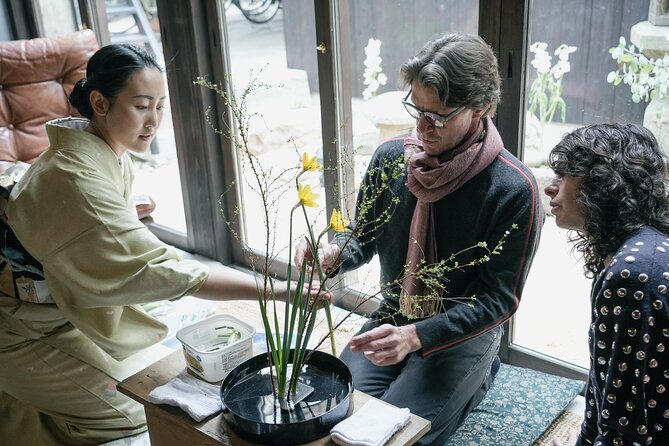
- Small group size (max 6): more chance to get personal guidance while you arrange.
- You practice two beginner-friendly styles: Nageire and Moribana are explained and demonstrated.
- Seasonal flowers: you work with what’s fresh and in season for Kyoto.
- Care tips for freshness: instruction includes how to keep flowers looking good for up to two weeks.
- Mindfulness + minimalist aesthetics: you’re not just placing stems; you’re learning a slower way of seeing.
Why Ikebana Feels Different From Normal Flower Arranging
Ikebana literally points you toward a different mindset: “living flowers.” Instead of treating flowers like decoration, you’re invited to notice their natural shape and use it as the starting point. The class frames it as giving the stems a new life through careful arrangement—almost like you’re cooperating with what’s already there.
That’s where the wabi-sabi element comes in. Wabi-sabi is about finding beauty in imperfection, simplicity, and the honest reality of things. In a flower arrangement, that can mean working with asymmetry, respecting the line of a stem, and not forcing everything to match. The goal is harmony and balance, not a perfect picture.
And because the lesson is described as a mindfulness practice, the pace matters. You’re encouraged to slow down and pay attention to how the arrangement comes together. Even if you don’t think of yourself as a “mindfulness person,” you’ll probably notice how quickly it becomes easier to focus once you’re holding the stems and shaping the composition with guidance.
You can also read our reviews of more tours and experiences in Kyoto.

Where the Class Happens in Kyoto (and What That Means for You)
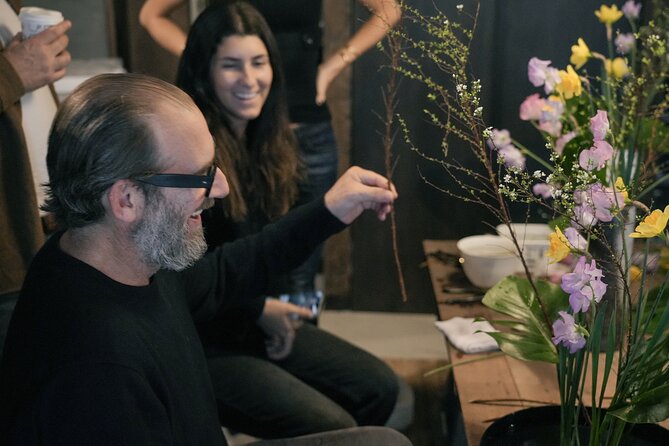
The meeting point is in northern Kyoto, Kamigyo Ward, Tanbayachō, at Symphony Kitano Higashi (address listed for the activity). It’s also described as near public transportation, which is a big deal in Kyoto, where good trains and buses can turn a stressful route into a simple walk.
The location is set up for this kind of workshop, and the vibe tends to feel more like a real Japanese home setting than a classroom with rows of seats. In past sessions, people appreciated the environment as a typical Japanese house, which matters because it supports the theme. You’ll probably feel less like you’re doing a quick activity and more like you’re learning within the right cultural frame.
Group size is capped at 6 travelers, so don’t expect a noisy, turn-and-burn tourist activity. This format is built for conversation and adjustments. If you like asking questions and getting hands-on feedback, this size helps.
Finally, you’ll receive a mobile ticket, which keeps things straightforward once you’re in Kyoto.
Your 90 Minutes: The Pace, the Setup, and What You’ll Actually Do
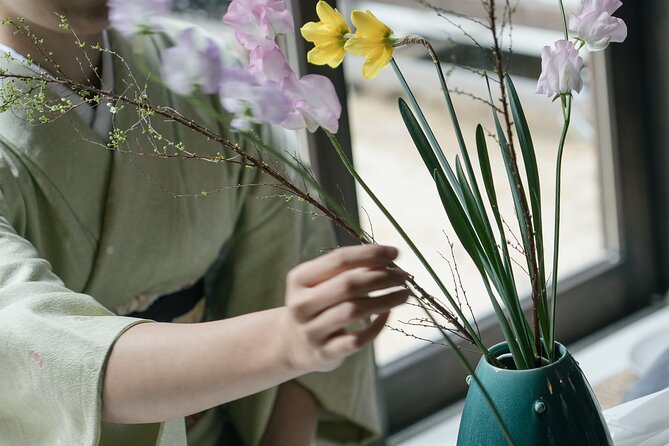
This is an approximately 1 hour 30 minutes class. That time window is both the charm and the boundary.
Here’s what you can generally expect in that span:
- A short overview of what Ikebana means and how the principles translate into an arrangement.
- Demonstrations of two different styles—Nageire and Moribana.
- Your turn to create your own arrangement(s) with help from the instructor.
- Practical care tips so your finished work can last.
In that structure, the class stays beginner-friendly without feeling superficial. In past sessions, people praised how clear the demonstration felt and how much freedom they had while arranging. That balance is important: you want someone to show you what’s possible, but you also need room to make it yours.
Do note the pace: in 90 minutes, you’re going to learn enough to finish something beautiful and meaningful, but you won’t have hours to obsess over every detail. If you want a slower, more iterative process, treat this as a strong first step—and plan to practice again after you get home.
Nageire and Moribana: Two Styles You’ll Learn Without Getting Lost

One of the most consistent positives is that you cover two Ikebana styles in the short time slot. Nageire and Moribana are both explained and demonstrated by the English-speaking expert, and they’re positioned as quintessential beginner approaches.
That matters because many Ikebana experiences pick one style and stop there. Learning two styles helps you understand that Ikebana isn’t a single rigid formula. It’s more like a set of principles that can be expressed in different ways.
In practice, you’ll benefit because:
- You see how the instructor thinks, not just what the final arrangement looks like.
- You get a chance to apply guidance to more than one arrangement concept.
- You leave with a better sense of what you enjoy—then you can practice the style that clicks for you.
If you’re the kind of person who likes variety and learning multiple methods, this format will feel efficient. If you were hoping for a long, deep lecture about schools and historical evolution, the class might feel more practical than academic—which is also exactly how many people prefer to learn a hands-on art.
The Mindfulness Part: Wabi-Sabi Aesthetics You Can Feel in Your Hands
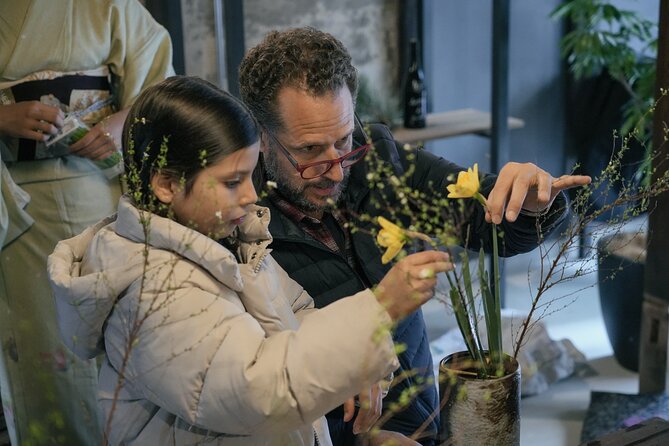
The class isn’t sold as a meditation retreat, but it does use Ikebana as a mindful practice. The idea is that flowers are living beings, and your arrangement becomes a conversation with what you’re holding. You’re invited to ponder the feeling of the stems and build harmony from there.
That’s not fluff. When you’re working with living plant material, you’re forced to slow down. Flowers have natural curves, textures, and limits. You can’t muscle them into pretending to be something else. So you start making choices based on what’s actually present, which naturally leads to a calmer, more attentive mindset.
People have also responded well to the way the instructor ties philosophy to practicality. Past sessions highlighted that Mana explained both the deeper meaning and the tangible how-to steps. That combo helps you avoid two common problems in cultural classes: getting only theory with no skill, or getting only steps with no context.
In a wabi-sabi approach, you’re not aiming for flashy perfection. You’re aiming for a composition that feels balanced and honest. If you’ve ever enjoyed Japanese aesthetics in gardens or on temple grounds, this class is that same sensibility, translated into something you build yourself.

The Seasonal Flowers and the Freshness Tips That Matter
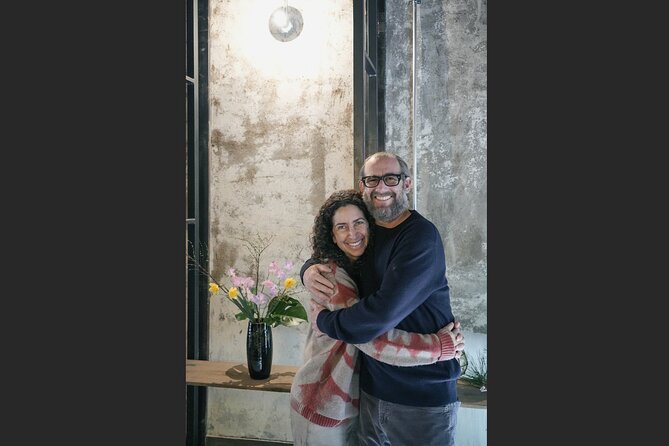
You’ll work with seasonal flowers, which is a quiet but meaningful detail. Seasonal means you’re more likely to get stems that match the time of year in Kyoto, and that usually makes the arrangement feel more connected to place.
More importantly, the class doesn’t treat flowers as disposable props. You’ll learn tips to maintain fresh flowers so they can last up to two weeks. That’s a big value point because most “make-a-craft” workshops don’t include the practical reality of flower care.
In a short class, where your goal is to finish with something you can enjoy after you return to your hotel, care tips are everything. If you follow the guidance, you’re extending the experience beyond the workshop walls. You’re also turning your arrangement into something you can actually live with, not just photograph and toss.
Getting the Most Out of Your Class With a Couple of Smart Moves
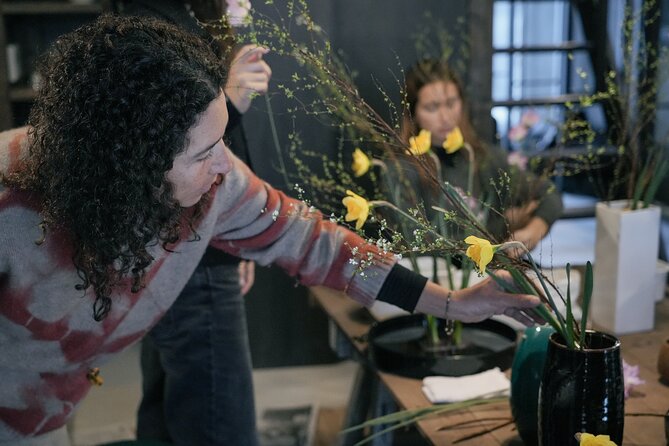
Because the group is small and the instructor is actively guiding, you can get better results by doing a few things during the class:
- Ask early. If you’re unsure about how an arrangement should take shape, ask at the point you’re stuck. Waiting until the end often means you’ll finish with less confidence.
- Watch the demonstration, then pause. Instructors will show you the flow of decision-making. Look for how they choose what to keep prominent and what to soften.
- Treat it as a conversation, not a test. The class tone (especially when it’s guided by Ikebana philosophy) is about balance and harmony, not doing it right on the first try.
If you’re a couple, this class can also be a nice shared activity. The small-group format makes it easier to cooperate rather than just watch each other from across a table.
Price and Value: Is $72.26 Worth It?
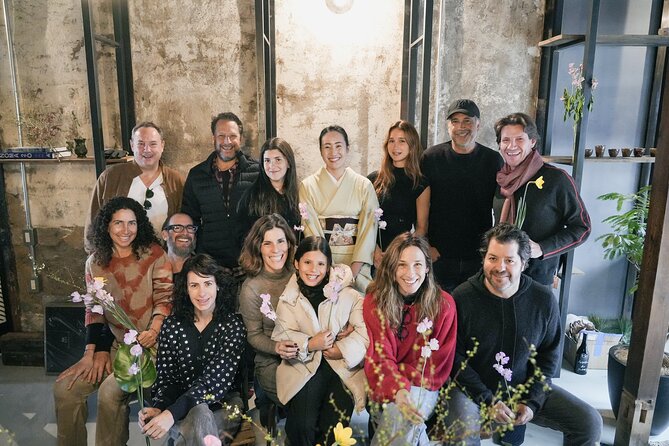
At $72.26 per person for about 1 hour 30 minutes, you’re paying for three things:
- An English-speaking expert guiding you through a traditional art form.
- Seasonal materials used for your arrangements.
- Practical flower-care instruction so your work lasts.
For Kyoto, where many activities are either museum time or food time, this is a different kind of value: it produces an object you can enjoy, and it leaves you with a skill you can practice again later. The small group size (max 6) also supports the value. When instruction is individualized, the learning tends to stick.
Is it cheap? No. But for a hands-on art class with expert guidance and take-home results that can last, it often feels like a fair trade—especially if you plan to practice the same style again after your trip.
A Heads-Up on One Possible Friction Point
There is at least one report of a no-show situation at the meeting point and no response when contacted. That’s not typical based on the overall rating trend, but it is real enough that you should take a practical precaution.
When you arrive, give yourself time to find the meeting spot calmly, and keep your booking details accessible on your phone. If anything feels off, contact the operator as soon as possible rather than waiting.
Also, consider your expectations. One person felt the class was just too short for the amount of history and different-school context they wanted. If that’s your priority, treat this as a hands-on foundation and then plan to supplement with independent reading or a longer talk elsewhere.
Who Should Book This Ikebana Class?
You’ll probably love it if you:
- Want a hands-on cultural experience that fits into a tight Kyoto schedule.
- Enjoy Japanese aesthetics, especially wabi-sabi ideas like simplicity and imperfection.
- Are interested in mindfulness but prefer learning through doing.
- Like practical take-home skills, including how to keep flowers fresh for up to two weeks.
- Prefer small groups where you can get feedback while you work.
You might hesitate if:
- You want a deep historical survey of Ikebana schools within the same session.
- You expect a long, slow craft marathon rather than a structured 1.5-hour class that ends with finished arrangements.
Should You Book This Ikebana Class?
I’d book it if you want a focused, guided introduction to Ikebana that ends with something tangible and meaningful. The combination of two styles (Nageire and Moribana), clear demonstrations, and practical freshness tips makes it more useful than many “try it once” workshops.
If you’re only in Kyoto for a few days, this is the kind of activity that adds cultural depth without eating your whole day. And if you’re the type who enjoys quiet, intentional activities, the mindfulness and minimalist framing will likely feel right.
If you’re after maximum history, max theory, and max school comparison, you may want a longer format. Otherwise, this is a strong way to learn the basics and walk away with a skill that keeps paying off long after your trip.
FAQ
How long is the Ikebana class?
The class lasts about 1 hour 30 minutes.
Where does the class meet in Kyoto?
It meets at Japan, 602-8287 Kyoto, Kamigyo Ward, Tanbayachō 3481, Symphony Kitano Higashi.
Is the class taught in English?
Yes. It’s described as using an English-speaking Ikebana expert.
How big are the groups?
The class has a maximum of 6 travelers.
What style or styles of Ikebana will I learn?
You’ll learn two styles: Nageire and Moribana, which are explained and demonstrated.
Are seasonal flowers included?
Yes. You’ll enjoy and work with seasonal flowers as part of the class.
Do they teach flower care so the arrangement lasts?
Yes. You’ll learn tips to help maintain fresh flowers, with guidance that can help them last up to two weeks.
What do I receive for entry?
You’ll receive a mobile ticket.
Is there free cancellation?
Yes. You can cancel for a full refund up to 24 hours in advance of the experience start time.