REVIEW · KYOTO
Discover Kyoto by Bike: Authentic Half Day Tour
Book on Viator →Operated by TripGuru · Bookable on Viator
Kyoto feels made for bikes. This half-day ride strings together landmarks you’ll actually enjoy visiting, with an English-speaking guide and a Mamachari-style bike.
I love two things most: the route choices that keep you off the long, slow bus-and-walk grind, and the guide’s knack for explaining what you’re seeing in a way that clicks fast.
One thing to consider: it’s a 4-hour cycling experience, so you’ll want to be comfortable pedaling steadily, plus there’s a stop (Philosopher’s Path) listed with an admission ticket that isn’t included.
In This Review
- Key highlights you’ll feel right away
- Why Kyoto works so well on two wheels
- Your bike, your guide, and how the tour flows
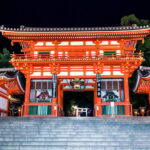
- Gion: pedal through Kyoto’s best-known neighborhood the practical way
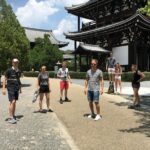
- Nanzen-ji Zen Temple: calm grounds and a smooth transition
- Philosopher’s Path by bike: canal-side scenery with less time lost
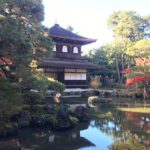
- Ginkakuji (Silver Pavilion): gardens that reward your slower tempo
- Shimogamo Jinja: older Shinto grounds and a quieter pace
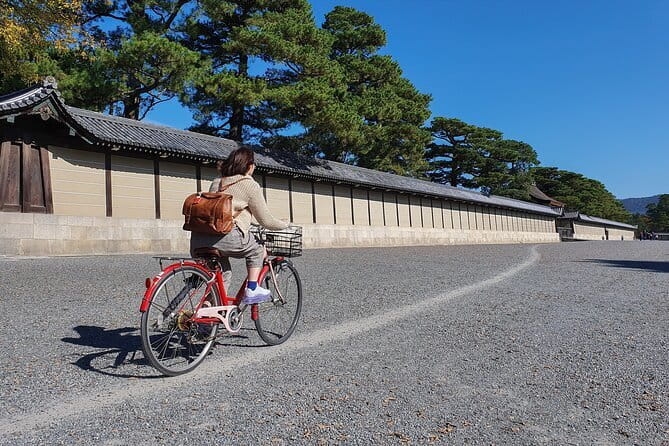
- Kyoto Imperial Palace: a big finish with room to breathe
- How the 4-hour format feels in real life
- Price and value: is $85 a fair deal?
- Who this tour is best for (and who should think twice)
- Small, smart tips before you ride
- Should you book Discover Kyoto by Bike: Authentic Half Day Tour?
- FAQ
- How long is the Kyoto bike tour?
- Where does the tour start and end?
- What’s included in the price?
- Do I need to arrange my own transport to the meeting point?
- Are temple and attraction admission fees covered?
- Is the tour suitable for most travelers?
Key highlights you’ll feel right away
- Gion by bike: local streets instead of just stopping at a photo point
- Nanzen-ji stop with included entrance: you get the temple moment without extra hassle
- Philosopher’s Path on a schedule: a scenic canal walk feel, but from the seat of a bike
- Ginkakuji (Silver Pavilion) time: enough minutes to enjoy the gardens, not just arrive-and-go
- Shimogamo Shrine’s older mood: classic Shinto grounds and a quieter beat
- Kyoto Imperial Palace grounds: a satisfying finish that feels bigger than you expect
Why Kyoto works so well on two wheels
If you’ve only seen Kyoto from the sidewalk, you’ll notice the difference right away. Cycling changes the pacing. You glide between areas that are often “close” on a map but feel far after walking and weaving through crowds.
This tour is built for a relaxed rhythm. You get a comfortable standard non-electric bike with 3 gear shifts, and the route is described as mostly flat with a few gentle slopes. That matters because Kyoto can be tiring fast if you try to do too much on foot.
And the real win is how you move through the city in an ordinary way—like locals do. One guide on this tour, Alex, is known for adding context and steering around streets and pavements in practical ways. Another, Nobumasa, is praised for showing lots of great spots and explaining the history clearly. That blend of logistics plus story is what turns a ride into something memorable.
You can also read our reviews of more cycling tours in Kyoto
Your bike, your guide, and how the tour flows
You’ll start at Gojō Station (Osakacho, Shimogyo Ward, Kyoto 600-8177). The tour ends back at the meeting point, so you’re not stuck planning a second transportation step later. It’s also listed as near public transportation, which is exactly what you want in Kyoto.
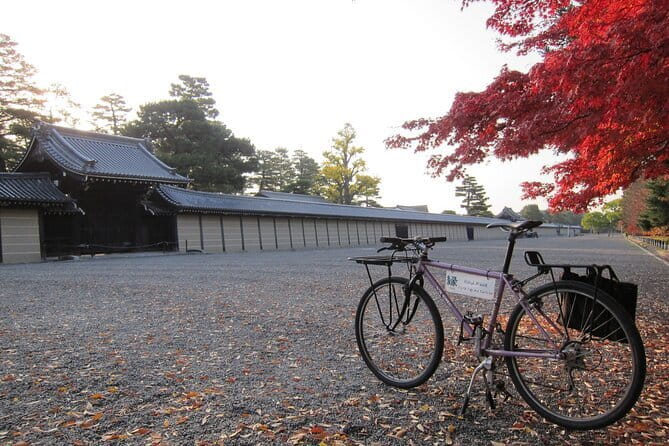
Bike setup is straightforward: you get a helmet and a bike described as Mamachari-style (B-type) with 3 gear shifts. This isn’t an e-bike, so you’re still doing the work—but you don’t need to be a cyclist to enjoy it. With only gentle slopes and lots of flats, the gears are mostly there for comfort, not survival.
What really changes the experience is the guide. Across the tour’s guides, you see the same theme: clear explanations, patience (including for photos), and smart navigation. Guides like Miya are noted for a thoughtful balance—riding along scenic stretches like the river and the Philosopher’s Path, then giving you enough time at temples to actually absorb them.
Gion: pedal through Kyoto’s best-known neighborhood the practical way
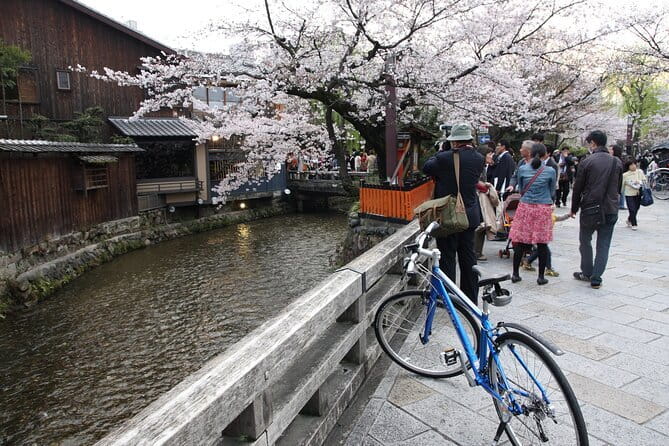
The tour begins with Gion, and that’s a smart opening move. Gion is famous, yes—but it’s also a place where traffic patterns and walking paths can slow you down. Starting here on a bike helps you get your bearings quickly and gives you momentum right away.
The tour time at Gion is about 20 minutes, and the notes list admission as free. In this short window, you’re not meant to become a Gion historian. You’re meant to feel the streets: the narrower lanes, the everyday flow, and the way the neighborhood looks from street level rather than from one big scenic viewpoint.
A guide like Alex is especially praised for taking people through authentic streets and shortcuts that buses and regular walking routes often can’t manage. That’s your benefit. You’re not just ticking a famous area off a list—you’re getting a better angle on how the neighborhood actually operates.
Nanzen-ji Zen Temple: calm grounds and a smooth transition
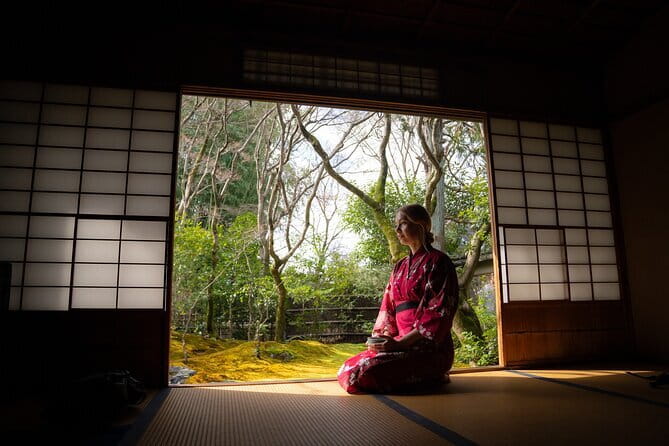
Next you head to Nanzen-ji Zen Temple for about 30 minutes. The tour notes say admission is free, and the included list also calls out the entrance fee at Nanzenji. Translation: you don’t have to scramble to figure out what’s covered once you arrive.
This stop is your “slow down” moment. After a first neighborhood hit, the temple grounds help reset your brain. Even if you don’t know every detail about Zen or temple architecture, you’ll notice the atmosphere shift when you’re not packed into a line.
Why this stop works on a bike tour: the ride gets you there without burning time. Then you get a compact block of visit time to enjoy the space. Thirty minutes is enough to wander at a comfortable pace and still feel like you did more than just take a quick photo.
Philosopher’s Path by bike: canal-side scenery with less time lost
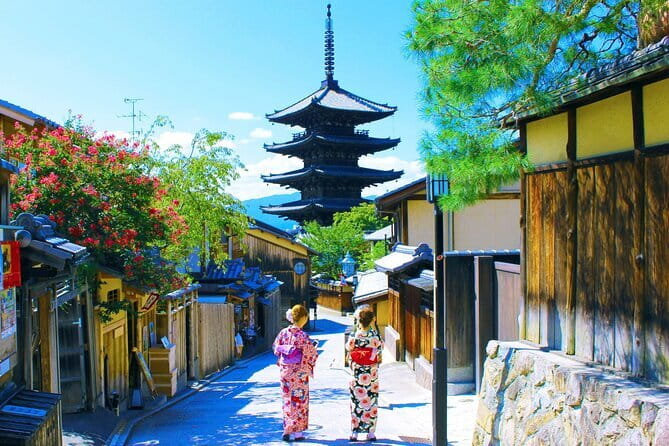
Then comes Philosopher’s Path, about 20 minutes. This is one of Kyoto’s most recognizable walking stretches, famous for its canal and the calm feeling that comes from following it on foot.
Here’s the practical catch: the tour notes list admission ticket not included for this stop. You’ll want to be ready for a small extra ticket cost, even if you aren’t sure of the amount beforehand.
Why it’s still worth it: on a bike tour, you get to experience the corridor’s mood without spending your entire morning stuck in the “walk, stop, walk again” pattern. You also tend to feel less exhausted because you’re not doing every meter by foot.
A well-paced ride matters on Philosopher’s Path. Guides are noted for balancing riding time and temple time thoughtfully, and that’s what helps you enjoy this area rather than just rush past it.





Ginkakuji (Silver Pavilion): gardens that reward your slower tempo
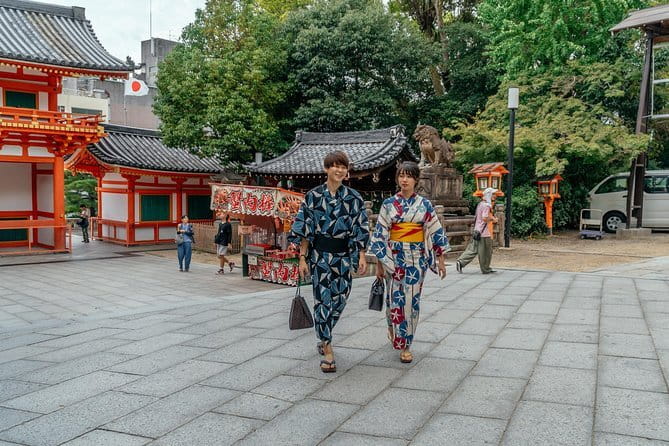
After the canal-side moment, you’ll visit Ginkakuji (the Silver Pavilion) for about 20 minutes. Admission is listed as free, and the pacing here is ideal for what Ginkakuji is good at: gardens, quiet details, and slow looking.
Twenty minutes sounds short until you’re there. Most people overestimate how much they can “see” in a garden. You’ll do better if you treat it like a stroll: look first, read second, and don’t try to conquer every corner.
This is also a good place to practice your “less is more” travel style. If you spend too long trying to photograph everything, you’ll miss how the space feels. The bike timing helps: you get a focused temple block, then keep moving before fatigue hits.
Shimogamo Jinja: older Shinto grounds and a quieter pace
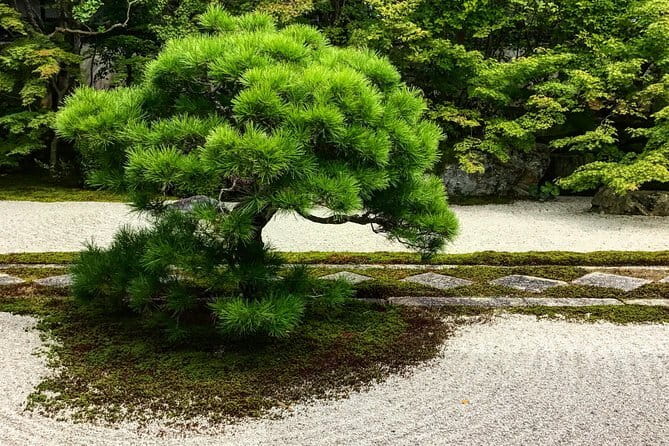
Next you cycle to Shimogamo Jinja, about 1 hour. Admission is listed as free, and the stop is set in serene, wooded grounds—which is exactly the kind of scene Kyoto does best.
Compared with temple stops that are more about specific buildings or hall interiors, a shrine like this tends to reward time spent walking between spaces. One hour gives you room to slow down, pause, and notice the setting rather than just racing through.
This stop can be the emotional midpoint of the tour. The earlier parts feel like major “Kyoto highlights.” Shimogamo feels like Kyoto’s daily spiritual life—at least in the way the grounds present themselves: quiet, shaded, and less about crowds.
Kyoto Imperial Palace: a big finish with room to breathe
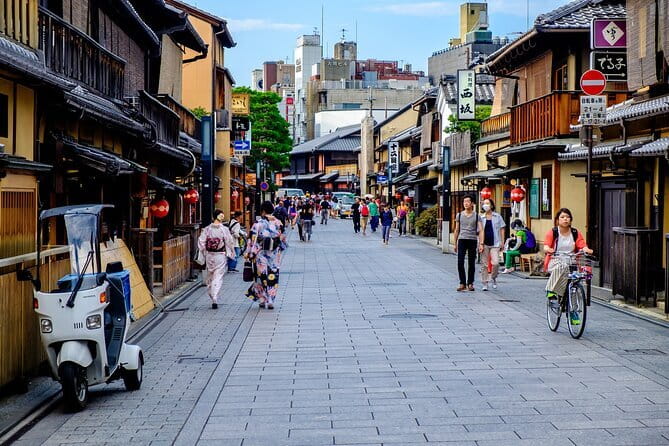
Your final stop is the Kyoto Imperial Palace, around 30 minutes. Admission is listed as free, and the notes describe it as the former residence of Japan’s imperial family with expansive grounds.
Thirty minutes might sound like a “token” visit, but imperial palace grounds are the kind of place where space does half the work for you. You don’t need to see every nook to feel that you’re in a different scale of place—wider paths, open areas, and a sense of formality.
This is also a satisfying wrap-up because it contrasts with the earlier rhythm of smaller temple moments and shrine walkways. You finish with room to relax and take in the grounds, then bike back to your starting point.
How the 4-hour format feels in real life
A half-day tour is the sweet spot in Kyoto. If you only have one day, you can’t afford to lose hours in transit. If you have two days, a half-day guided ride can still act like a map in your head—so later self-guided explorations feel easier.
Here, the time is roughly 4 hours (approx.) with multiple stops. That’s enough to cover real highlights without exhausting you into “I’m too tired to care” mode.
The bike helps with energy management. Even if you hop off the seat to enjoy temples and shrines, your legs aren’t doing the nonstop walking that drains you. And since the route is described as mostly flat, you should feel more comfortable than you would on a full-day route with constant stairs and long uphill stretches.
One more practical note: the tour is listed as private (only your group participates). That often means a smoother experience and better pacing control, even if you’re in a small group.
Price and value: is $85 a fair deal?
At $85 per person for about 4 hours, the value depends on what you’d otherwise spend your time doing.
If you’re planning to visit these areas by train and bus, you’re likely paying transit costs plus entrance tickets (and still doing lots of walking). This tour bundles the essentials: an English-speaking guide, helmet, bike rental (standard non-electric with gears), and insurance. It also includes the entrance fee at Nanzenji specifically, and several other major stops are listed as free.
You’re also getting something you can’t buy with money easily: smarter route flow. Guides are praised for insider navigation and short cuts, including steering people through areas where buses and walking don’t work as well. That time saving is real value.
One small “budget” item to flag: Philosopher’s Path admission isn’t included. So if you’re trying to keep spending ultra-tight, budget a bit for that.
Also, timing helps. The tour is often booked around 11 days in advance on average, so if you want your best shot at a convenient slot, don’t wait until the last minute.
Who this tour is best for (and who should think twice)
This works great if you want a guided, active Kyoto day but don’t want the mental work of planning routes, ticket logistics, and neighborhood navigation.
You’ll likely enjoy it if you:
- like seeing multiple top sites in one go
- can comfortably ride a bike for a few hours
- want a guide who explains what you’re looking at (not just where to stand)
You might want a different style of tour if you:
- have limited comfort with sustained cycling
- prefer long, wandering visits where timing matters less
If you’re traveling with a friend or partner, the private format can feel especially good because the guide can flex pacing to your group.
Small, smart tips before you ride
A few practical things can make this smoother:
- Wear comfortable shoes you can walk in quickly, since temple and shrine areas often require short walks even if you’re on a bike.
- Bring a water bottle if you usually get thirsty during active sightseeing. Meals aren’t included.
- Expect to spend more time looking than racing. Temple and garden stops reward a slow eye.
- If you want photos, go for them. Guides are described as patient with picture taking.
If your plans change, the tour notes free cancellation up to 24 hours in advance, so you’re not locked in unreasonably.
Should you book Discover Kyoto by Bike: Authentic Half Day Tour?
Book it if you want Kyoto in a format that feels efficient but not frantic. This is a good choice for first-timers because it hits Gion, Nanzen-ji, Philosopher’s Path, Ginkakuji, Shimogamo Jinja, and the Kyoto Imperial Palace in one guided flow. The bike adds freedom and saves you from the “Kyoto miles” effect where walking eats the whole day.
I’d especially recommend it if you like the idea of seeing Kyoto through a guide’s eyes. With guides such as Alex and Nobumasa praised for explanations and smart route decisions, you’re not just following a checklist. You’re being led through the city in a way that makes the neighborhoods feel connected.
Think twice if you want mostly slow, off-the-bike wandering. This tour is built for movement. But if you’re okay with that trade, it’s one of the more satisfying ways to do Kyoto in half a day without burning out.
FAQ
How long is the Kyoto bike tour?
The tour runs for about 4 hours.
Where does the tour start and end?
It starts at Gojō Station (Osakacho, Shimogyo Ward, Kyoto 600-8177, Japan) and ends back at the meeting point.
What’s included in the price?
The tour includes an English-speaking guide, bicycle rental (standard non-electric B-type with 3 gear shifts), a helmet, insurance, and the entrance fee for Nanzenji Temple.
Do I need to arrange my own transport to the meeting point?
Yes. Hotel pickup and drop-off are not included, so you’ll need to get to the meeting point yourself.
Are temple and attraction admission fees covered?
Nanzenji’s entrance fee is included. The tour lists admission as free for several stops, and it also notes that the Philosopher’s Path ticket is not included.
Is the tour suitable for most travelers?
The tour notes say most travelers can participate, and it includes a bike and helmet for safety. Confirmation is received at booking time.