REVIEW · KYOTO
Fish cutting class
Book on GetYourGuide →Operated by Fish cutting class · Bookable on GetYourGuide
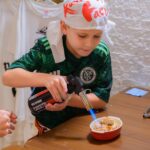
Handling a fish yourself changes how you taste it. This fish cutting class at Kimura in Nishiki Market is fascinating because you start with raw fish and end with a meal you made, plus you get a commemorative photo with your catch. I love the hands-on sashimi payoff, and I love learning knife work from the English-speaking instructor Masashi. One drawback to plan for: it can get messy, so wear clothes that can get dirty, and it is not a fit for kids under 10.
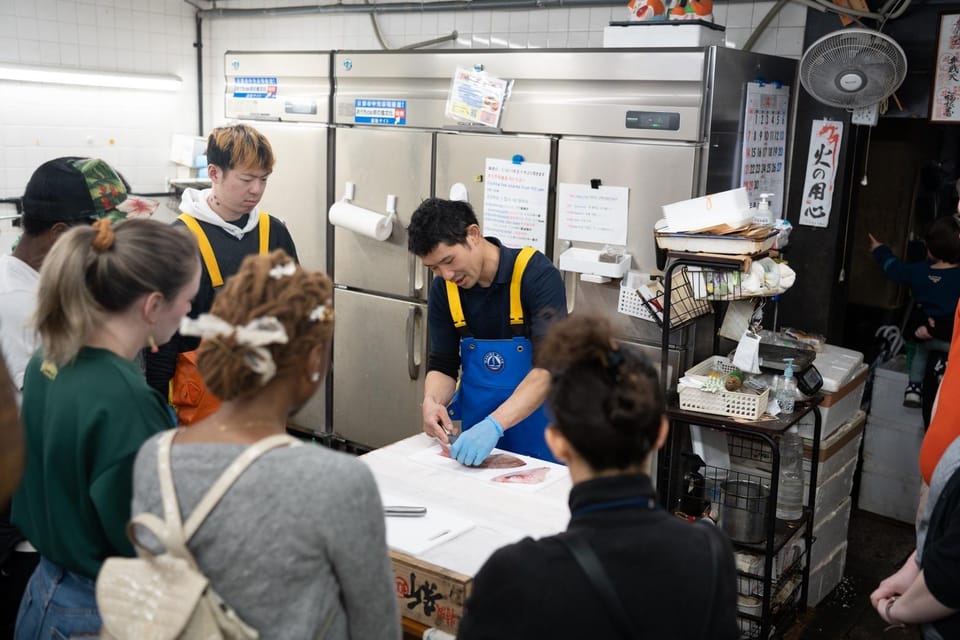
In a small group (up to 8), you’ll work through the steps like you would in a real fishmongers shop. You’ll watch the basics first, then you’ll fillet yourself, then you’ll slice and plate sashimi and carpaccio before lunch. If you want a clean, hands-off food tour, this is not it—but if you want skills you can actually repeat, it is great.
In This Review
- Key points worth knowing before you go
- Kimura at Nishiki Market: where fish work is the main event
- The 150-minute flow: from fillets to sashimi and carpaccio
- Watching, then doing: how the instruction really helps
- Eating what you cut: why lunch becomes the highlight
- Knife skills you can actually keep using
- Dietary notes: gluten-free and halal soy sauce
- Who this is best for in Kyoto (and who should skip it)
- Price and value: what $77 buys you in real terms
- What to bring (and what to expect in the room)
- Should you book the fish cutting class at Kimura?
- FAQ
- FAQ
- How long is the fish cutting class?
- Where do I meet for the class?
- What will I make and eat during the class?
- Is the class beginner-friendly?
- What dietary options are available for soy sauce?
- What should I wear and are there restrictions for kids?
Key points worth knowing before you go
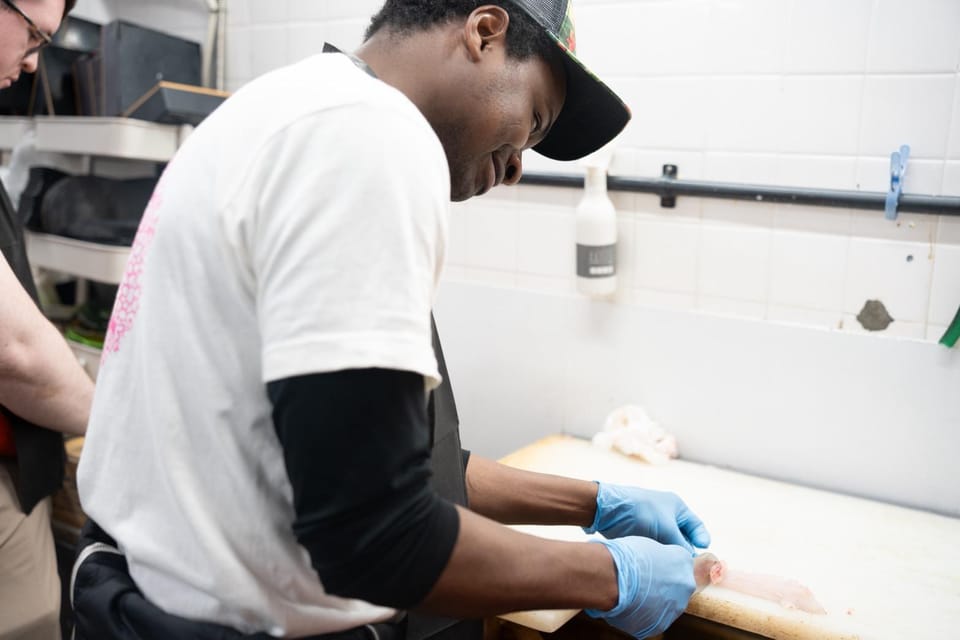
400-year-old fish shop setting at Kimura: You’re working where fish handling has long been the daily rhythm.
Up to 8 people in English: Small class size means you get real guidance instead of a quick demo.
You fillet, you slice, you eat: The best part is not just watching sashimi—it’s eating yours.
Carpaccio plus sashimi: You’ll learn more than one style of raw-fish prep.
Diet-friendly soy sauce options: Gluten free soy sauce and halal soy sauce are available.
Blue and orange aprons, plus gloves and tools: The class provides key gear, so you can focus on technique.
Kimura at Nishiki Market: where fish work is the main event
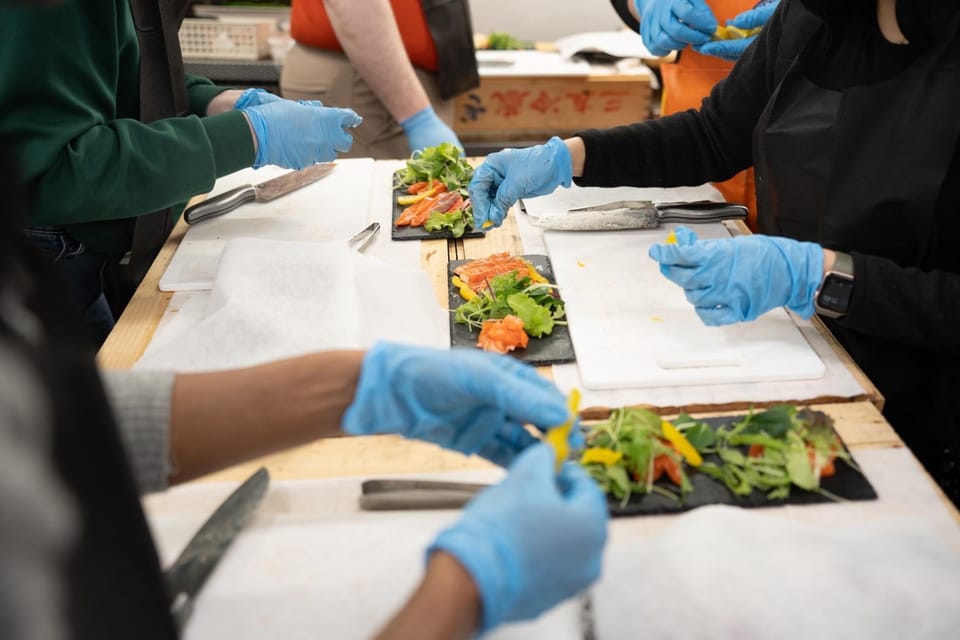
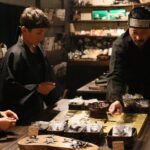
Nishiki Market is a classic place to wander, but this class gives you a reason to stop with purpose. The meeting point is Kimura, a fish shop in the market area, and you’re not just sampling from the sidelines. You’re inside a working fishmonger setup that has been around for about 400 years, which matters because it frames food here as craft, not just product.
The vibe is focused. People come in, fish goes out, and the shop runs on skill. That’s why this experience feels different from the usual sushi class that starts after the hard part is done. Here, the hard part is the start: preparing fish from the raw stage.
You’ll be given a blue and orange apron (and you’ll use gloves and the knife provided). That combination signals what you’re walking into: hands-on work with real expectations for technique and care.
You can also read our reviews of more tours and experiences in Kyoto

The 150-minute flow: from fillets to sashimi and carpaccio
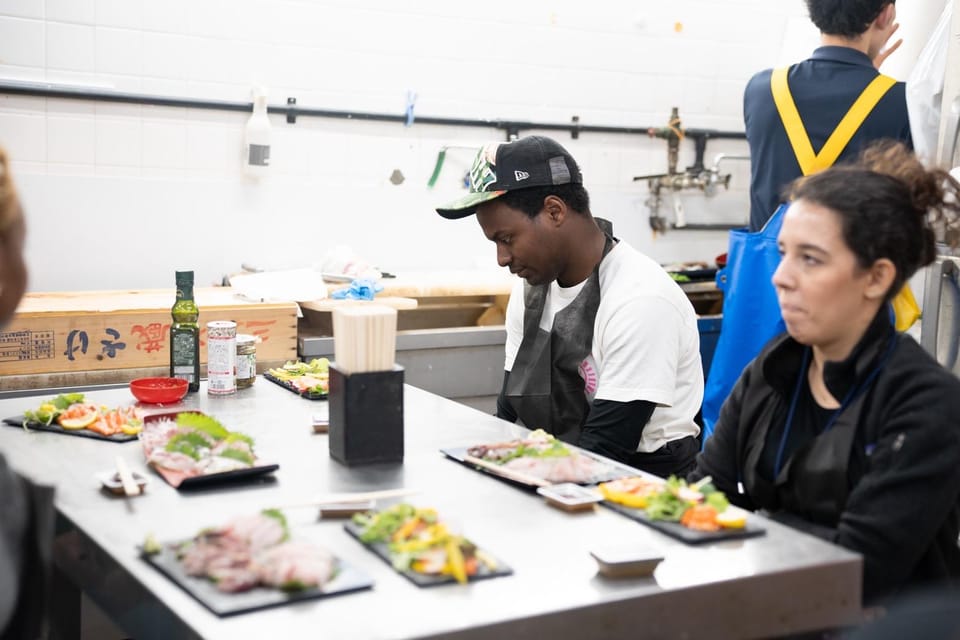
The class runs about 150 minutes, which is long enough to learn, practice, and eat without feeling rushed. The sequence is straightforward and stepwise, and that’s a big part of the value.
First, you’ll get a quick introduction. Then the instructor will fillet fish and let you watch closely. This is not a vague show-and-tell. You’re observing how the knife angle, the pressure, and the pace connect, so you know what you’re supposed to copy.
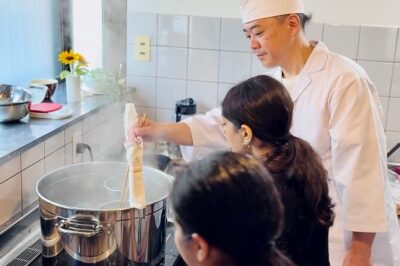
Next, you move into participation. You’ll fillet fish yourself, and the instructor will guide you as you work, correcting issues on the spot. This is where beginners get comfortable fast, because someone is watching your technique live. One of the most praised parts is exactly this: Masashi being patient, friendly, and specific about what to adjust.
After the fish is filleted, you’ll make sashimi from the cuts you’ve prepared. You’ll also make carpaccio. That matters because it trains your eye and hand for presentation, not just thickness. For most people, sushi workshops teach rolling or plating. This one teaches ingredient preparation and knife handling from the beginning.
Finally, you eat your results for lunch. You’ll have rice alongside the fish you prepared. The point is simple and powerful: the sashimi tastes better because you made it, but also because you understand what you did and why it matters.
Watching, then doing: how the instruction really helps
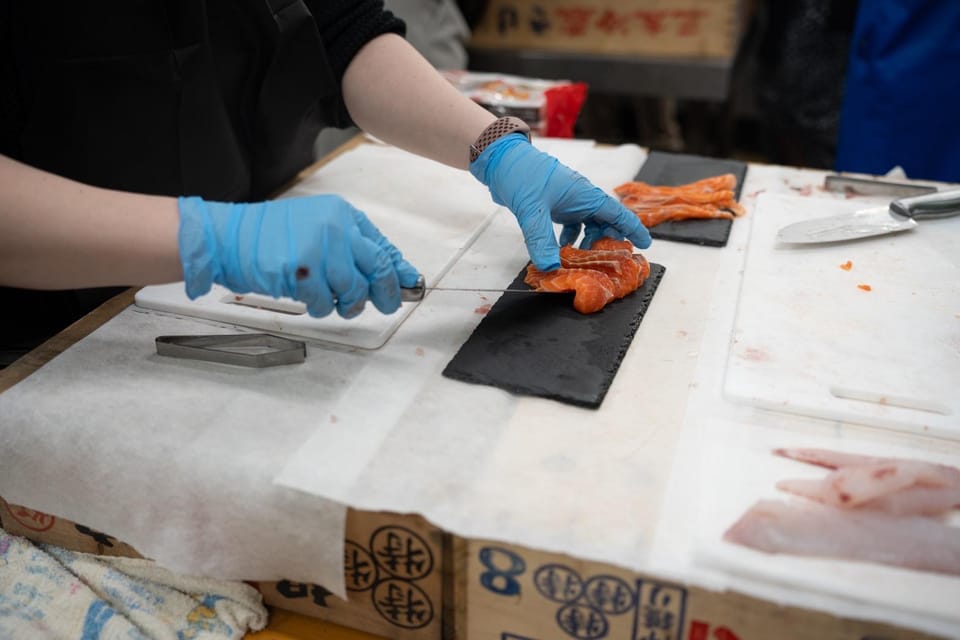
This class is built for real learning, not passive watching. The first filleting round is your blueprint. You see the work, then you practice it while the instructor is still right there to fix your mistakes.
That structure helps you avoid the most common problem in food classes: you either watch too much and retain nothing, or you jump in and miss the fundamentals. Here, you get both. You watch the steps, then you repeat them, and then you refine them while you still remember what you saw.
The instructor, Masashi, is highlighted in feedback for being relaxed and attentive. You should expect hands-on correction, not just encouragement. The goal is for you to leave with a clearer sense of what good sashimi prep looks and feels like.
Also, the small group size (limited to 8) makes the teaching practical. You’re not stuck waiting a long time for feedback while other people are practicing.
Eating what you cut: why lunch becomes the highlight
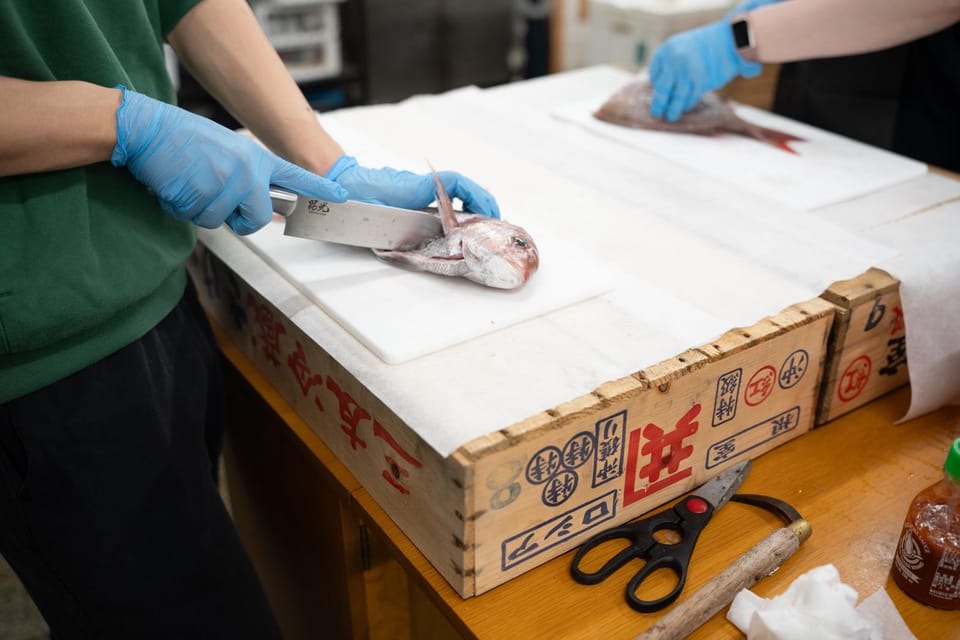
Lots of cooking classes end with a plate that tastes good. This one ends with a plate that feels earned.
When you fillet fish yourself, you naturally pay attention to textures and structure. You notice how clean cuts help the fish look better and taste better. You also start to understand why sashimi is so often treated like a precision food, not just a raw-food novelty.
You’ll also make carpaccio, which gives you an extra reference point for slicing style and presentation. By the time you sit down, you’re not guessing anymore. You can connect your knife choices to what’s on your plate.
And yes, you’ll get that commemorative photo with the fish. It’s a small detail, but it’s part of the fun. It turns the experience into something you can remember beyond the taste.
Knife skills you can actually keep using
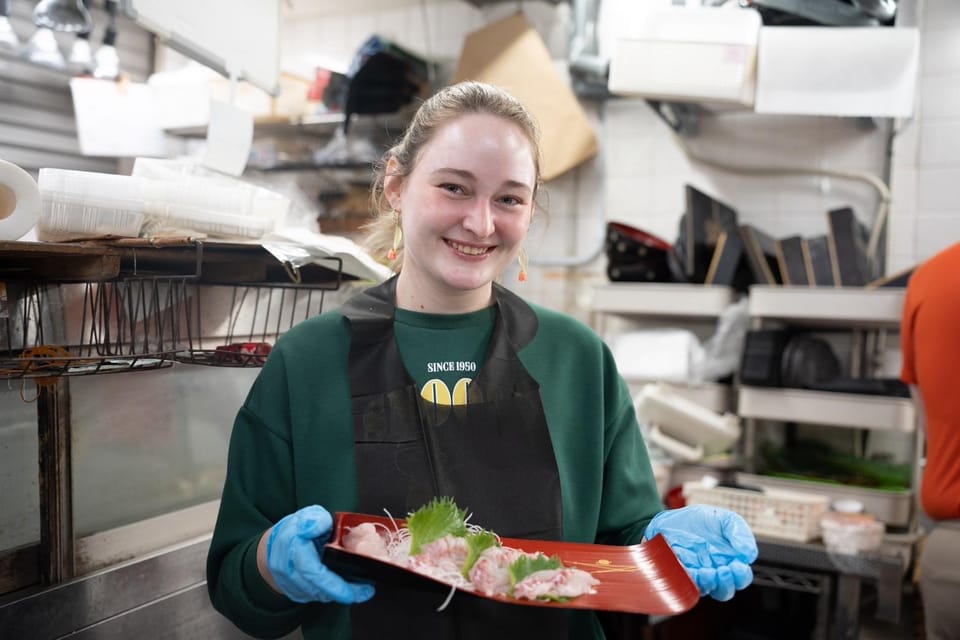
Even if you never cook professionally, learning knife handling is a portable skill. This class gives you a structured path into the basics: watch, try, correct, then use the result in sashimi and carpaccio.
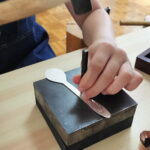
You’ll use the knife provided, plus gloves and an apron. That removes a lot of the friction that makes beginner knife classes frustrating. You don’t have to wonder which tool is right or where to stand. You can focus on what the instructor is teaching and how your hand should move.
If you love food craft, this workshop is especially satisfying because it teaches the part that most visitors never see. Many experiences start after the fish is already cleaned and portioned. Here, you learn how raw fish becomes ready to eat.
The result is a new kind of appreciation. You’ll likely find yourself looking at fish counters differently afterward, with more respect for the work happening behind the scenes.
Dietary notes: gluten-free and halal soy sauce
Food needs differ, and this class is set up to handle at least two common ones. Gluten free soy sauce is available, and halal soy sauce is also offered. That’s a real comfort when you’re trying a raw-fish experience, because you can eat what you make without feeling like you need substitutions.
What the class includes on the sauce side is soy sauce and carpaccio sauce. If you have dietary restrictions beyond that, you should ask ahead. The class info explicitly invites questions about soy sauce options, so it’s appropriate to confirm what you need before you go.
Who this is best for in Kyoto (and who should skip it)
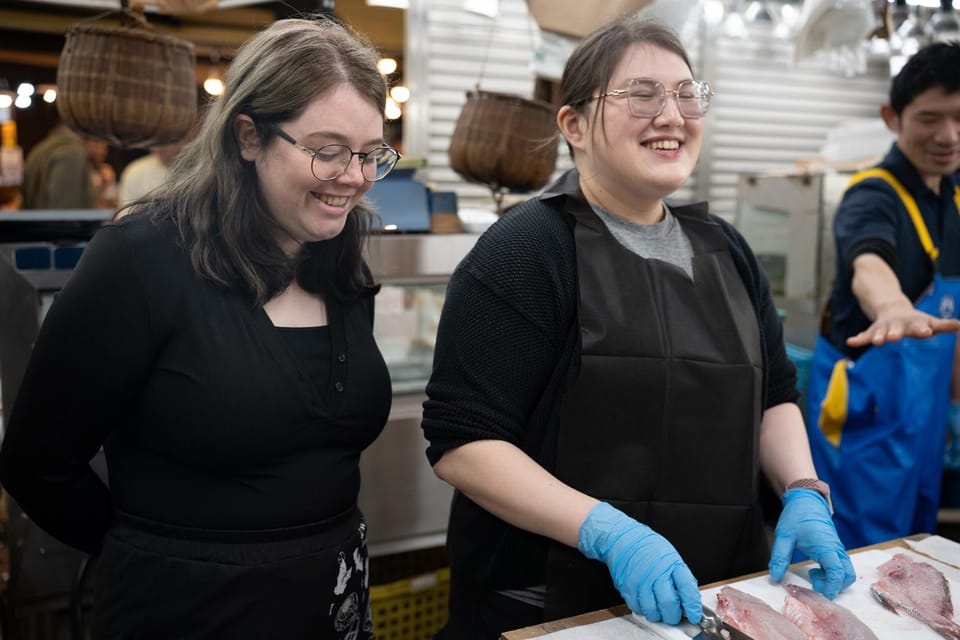
This is for you if you want more than a tasting. Choose it if you like learning by doing, especially if you enjoy hands-on food work and want to understand Japanese food culture from the raw ingredient stage.
It’s also a good match for sashimi fans who care about the difference between good technique and random slicing. The class is frequently described as informative for people who really want to study, and that aligns with the “do it yourself” structure.
Beginners are welcome, but you should be willing to get your hands dirty. Clothes that can get dirty are required. And there’s a hard boundary: children under 10 years old are not suitable.
If you’re traveling with kids, this one may not work. If you’re sensitive to mess or prefer food experiences that stay entirely hands-off, you might choose something else.
Price and value: what $77 buys you in real terms
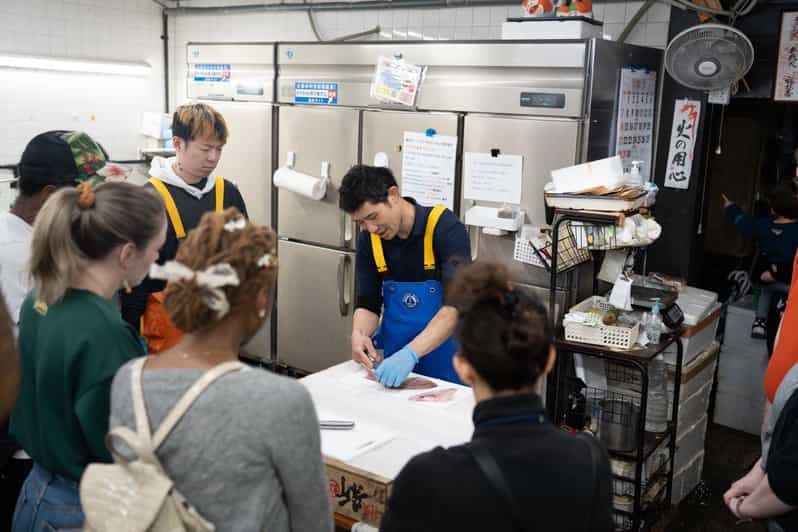
At $77 per person for 150 minutes, this class isn’t cheap in the typical budget sense. But it’s also not a gimmick.
You get fish you handle, rice, the knife you use, the apron you use, rubber gloves, soy sauce, and carpaccio sauce. That means you’re not paying just for instruction and a tiny sample. You’re paying for ingredients, tools, and time—plus real coaching through mistakes.
The biggest value driver is the workflow. You’re not just learning how to eat or assemble. You’re taking raw fish through filleting, slicing into sashimi, making carpaccio, and then eating it for lunch. That makes the class feel like a full experience, not a short demo.
Also, English instruction is included, and the class size stays small. You’re more likely to get practical feedback when there are fewer people in the room.
If your goal is to taste great sashimi, there are cheaper ways to do that. If your goal is to understand why sashimi works and to practice the core technique yourself, this price starts to feel fair fast.
What to bring (and what to expect in the room)
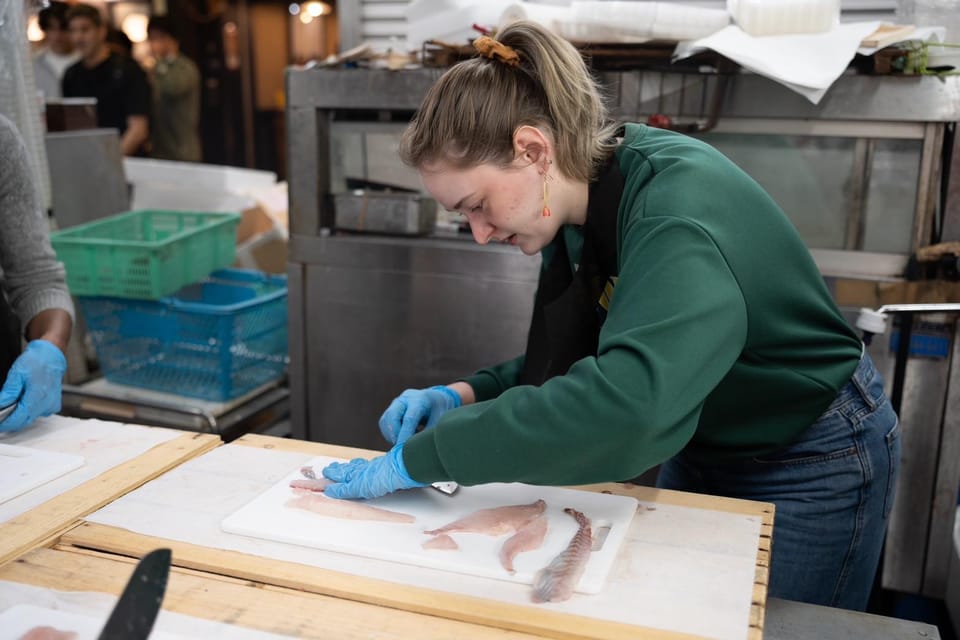
Go in prepared. You’ll want clothes that can get dirty. You’ll be working with raw fish and handling knives, so expect a working-food environment, not a classroom that stays tidy.
Gloves and aprons are provided, which helps. Still, your clothes might smell like fish afterward or pick up stains, even with careful work. Plan accordingly.
The class notes that nudity isn’t allowed, which is standard for workshops like this and keeps the space appropriate for everyone.
The instructor language is English, so you can follow the steps without guessing what you should be doing. And since the group is capped at 8, you should be able to ask questions and get corrections when you need them.
Should you book the fish cutting class at Kimura?
If you’re a foodie who wants to go beyond tasting and into technique, I think this is an easy yes. The experience gives you three key wins: hands-on knife work, raw fish prep (which most classes skip), and the satisfaction of eating what you made.
Book it if you want a small-group class with English instruction, you’re okay getting messy, and you’re excited by sashimi and carpaccio. It’s also a strong pick if you like the idea of learning from Masashi and working step-by-step with close guidance.
Skip it if you want a low-effort tour. This is work. It’s also not designed for children under 10.
FAQ
FAQ
How long is the fish cutting class?
The class lasts about 150 minutes.
Where do I meet for the class?
You meet at Kimura, a fish shop in Nishiki Market.
What will I make and eat during the class?
You’ll fillet fish, then make sashimi and carpaccio. You’ll eat the fish you prepared for lunch, along with rice.
Is the class beginner-friendly?
Yes, beginners are welcome.
What dietary options are available for soy sauce?
Gluten free soy sauce and halal soy sauce are available. You can ask about your needs in advance.
What should I wear and are there restrictions for kids?
Wear clothes that can get dirty. Children under 10 years old are not suitable. Nudity isn’t allowed.