REVIEW · KYOTO
Kyoto: Walking tour Kiyomizu, Geisha District with a Local
Book on GetYourGuide →Operated by ENSHI KYOTO · Bookable on GetYourGuide
Kyoto on foot, with a Kyoto-grown guide. On this Kiyomizu Temple and Gion walk, I like how the local guide turns big-name sites into stories you actually remember, especially the history and customs around Geisha culture. You also get built-in photo time plus an omikuji fortune slip, so it feels like more than just sightseeing. The one drawback to keep in mind: the route has steep slopes and stairs, so it is not a great match if walking is hard for you.
I like that the pacing is set for small streets, not main roads. Your guide will hold Q&A at each location, and you get answers while the context is still fresh. It is an English tour, run by ENSHI KYOTO, and it starts on the southeast side of Shijo Bridge with a red flag.
In This Review
- Key things to know before you go
- Meeting Shijo Bridge and Matching Your Guide’s Walk Style
- Kiyomizu Temple Entry: What You’ll Actually Get Out of It
- The Omikuji Fortune Slip: A Small Stop With Real Atmosphere
- Avoiding Main Roads: Why the Quiet Streets Matter
- Gion and the Geisha District: History With Context, Not Slogans
- Photo Shoot Time: Turning Good Views Into Actual Keepsakes
- Q&A at Each Location: The Fastest Way to Understand Kyoto
- Price and Value: Why $40 Can Be a Smart Deal Here
- Who This Kyoto Kiyomizu and Gion Walk Is Best For
- Practical Tips: Comfortable Shoes and Realistic Expectations
- So, Should You Book It?
- FAQ
- Where does the tour start?
- What time does it end?
- What’s included in the price?
- What language is the tour?
- Is it suitable for people with limited mobility?
- What should I bring?
Key things to know before you go
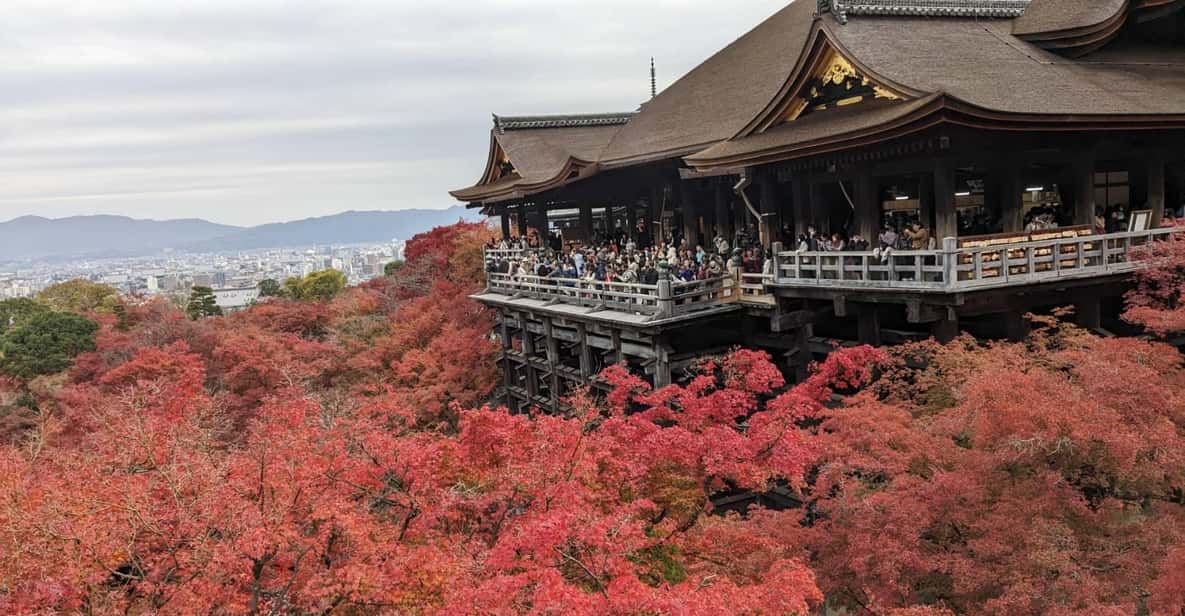
- Kiyomizu Temple entry included so you spend less time at ticket counters.
- Photo shoot included for pictures that look like you planned them, not like you chased them.
- Omikuji fortune slip to add a hands-on moment to the walk.
- Q&A at each stop so you can ask the questions you normally hold back.
- Quiet streets over main roads for a calmer, more local feel.
Meeting Shijo Bridge and Matching Your Guide’s Walk Style
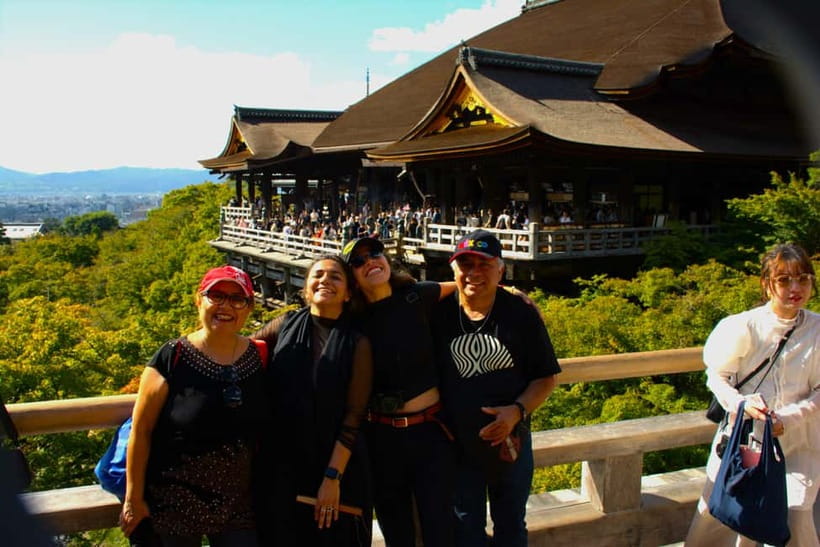
This tour starts at the southeast side of Shijo Bridge. Look for the guide holding a red flag. That detail matters more than you’d think: Kyoto can feel like a maze when you’re jet-lagged, so a clear meetup point keeps things smooth.
I also like that the tour ends back at the meeting point. That means you’re not stuck trying to reinvent your route home after you’ve walked the steep parts. You can plan dinner without that extra stress.
The guide is local and grew up in Kyoto. In practice, that translates to explanations that go beyond what signage tells you. The tour experience you’ll likely care about most is how the guide connects what you see with how people behave there—especially in places like Gion, where etiquette can be subtle.
You can also read our reviews of more walking tours in Kyoto

Kiyomizu Temple Entry: What You’ll Actually Get Out of It
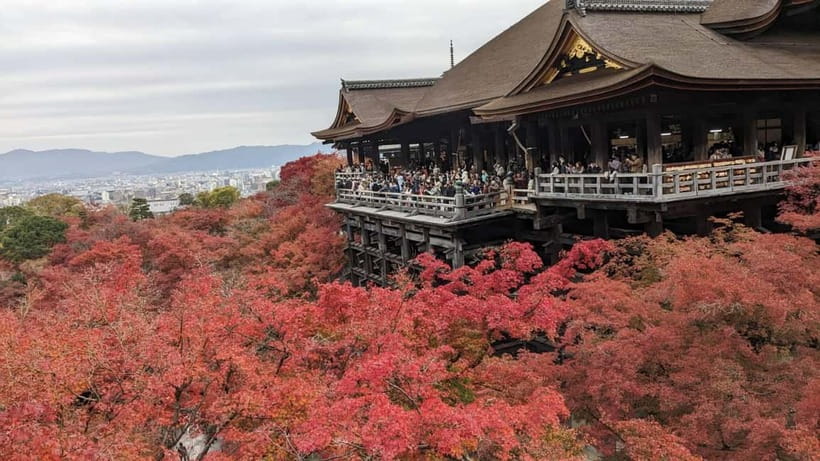
Kiyomizu Temple is the anchor stop, and entry tickets are included. That’s useful value because you skip the extra hassle and focus on the experience. The tour also frames Kiyomizu as one of Japan’s most important temples, not just another stop on a long list.
What I like most is the way the guide talks about details along the way. You’ll hear background tied to what you’re looking at right now. Instead of dry history, the focus is on helping you understand the meaning behind the site and how visitors should behave there.
There’s also an interactive vibe built in. The tour includes Q&A at the location, so if something feels confusing—like why people do certain things—you get a real answer on the spot. That turns you from a passive walker into an observant one, and you’ll get more enjoyment even if you’re not the type to read every sign.
Practical note: this part of Kyoto often involves stairs and slopey paths. Wear shoes you trust. If you’re even slightly unsure about your stamina, this is where your planning should start.
The Omikuji Fortune Slip: A Small Stop With Real Atmosphere
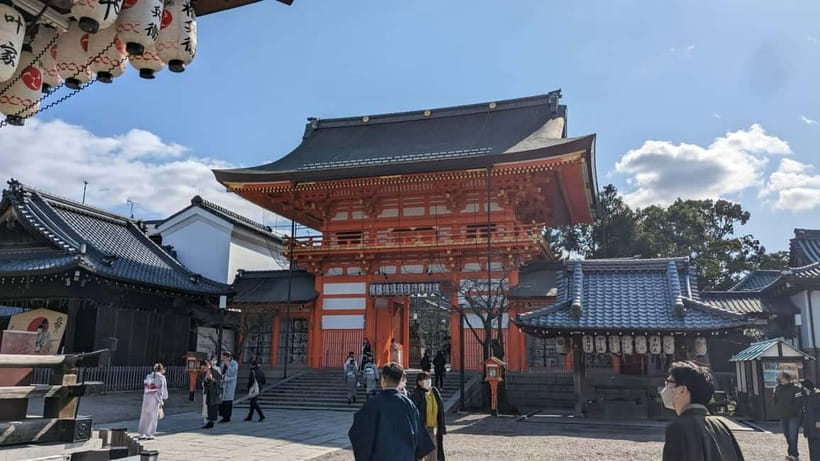
You’ll get an omikuji fortune slip as part of the tour. It’s a quick moment, but it’s also a clever one. It gives you something to do, not just something to see.
In Kyoto, rituals like this are a window into daily culture. Even if your fortune is funny or vague, the experience itself helps you understand that people treat these traditions with seriousness, even while they’re on a walk and taking photos. The guide can explain the customs you might otherwise miss.
Also, omikuji is a great reset between heavier history stops. You can take a beat, look closely, and then continue with a clearer head for the next district.
If you like cultural “do one thing” moments, this is exactly that kind of add-on.
Avoiding Main Roads: Why the Quiet Streets Matter
One of the smartest choices this tour makes is how it moves. You’ll avoid main roads and stroll through quieter streets. That changes the whole feel.
On a crowded sightseeing route, you can spend time dodging people and trying to catch a photo before the next group blocks the view. Here, the emphasis is on walking the calmer lanes where you can actually slow down and notice details: architecture, street rhythm, and the way the neighborhood looks when it is not acting like a stage.
This is the kind of route where you’ll benefit most from having a local guide. They can point out cues you’d normally gloss over, like what locals tend to look for and what kind of behavior fits the setting. The tour also aims to share tidbits you won’t easily find online, which is exactly what you want from a guided walk.
There’s a Q&A at each location, so if you see something and wonder what it means—ask. The guide is there for that.
Gion and the Geisha District: History With Context, Not Slogans
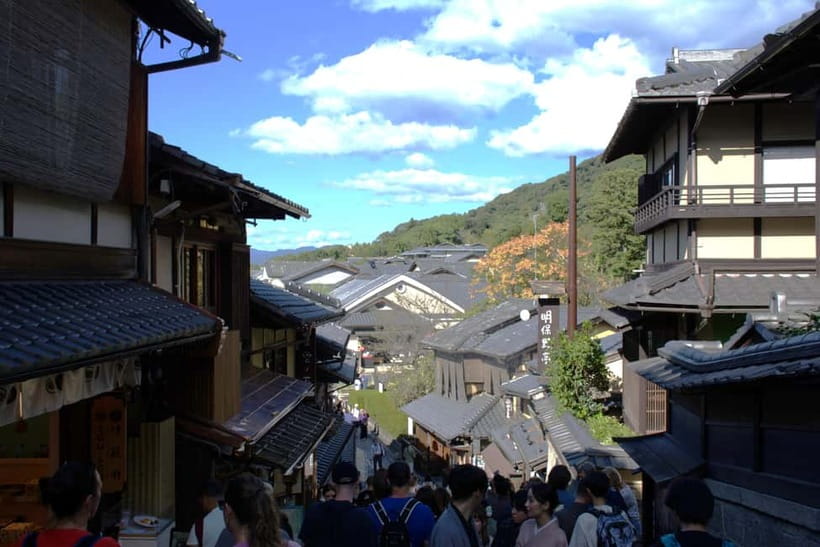
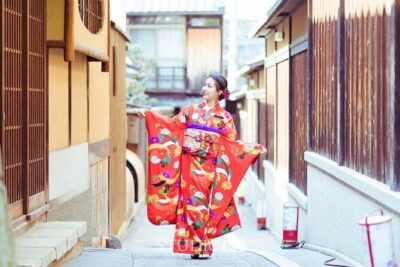
Gion is where Kyoto’s charm turns into curiosity. You’ll explore the Geisha district and get history of Geisha culture, explained in a way that helps you understand what you’re seeing.
What I appreciate is that the tour doesn’t treat Geisha culture like a costume drama. It gives you the background and the cultural context—so the district feels less like a photo spot and more like a living tradition. When you know the basics, you notice details differently. You also handle conversations and questions with more respect.
You’ll get more than surface-level facts. The guide shares unique knowledge and explains Kyoto customs, including things that visitors often don’t think to ask about. That can be as simple as understanding social expectations in the area, or how to interpret what you see from a cultural point of view.
In short: walking Gion with context makes your pictures better, and it makes your time feel more grounded.

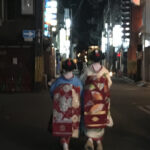
Photo Shoot Time: Turning Good Views Into Actual Keepsakes
A photo shoot is included. I like this because it takes the guesswork out of photography in Kyoto. The guide can help with timing and angles so your photos look intentional rather than random.
Also, when the tour is designed around specific photo moments, you’re less likely to end up with the classic problem: you spend the best light searching for the right spot, then realize the stairs are already winning.
If you’re traveling with a group and someone always ends up taking photos instead of seeing, a guided photo moment balances that. Even if you use your phone, you’ll come away with a set of images that actually represents what you experienced—Kiyomizu Temple, the quiet streets, and the Gion atmosphere.
And yes, the memories matter too. But having strong pictures helps you remember details later when you’re back home comparing notes with friends.
Q&A at Each Location: The Fastest Way to Understand Kyoto
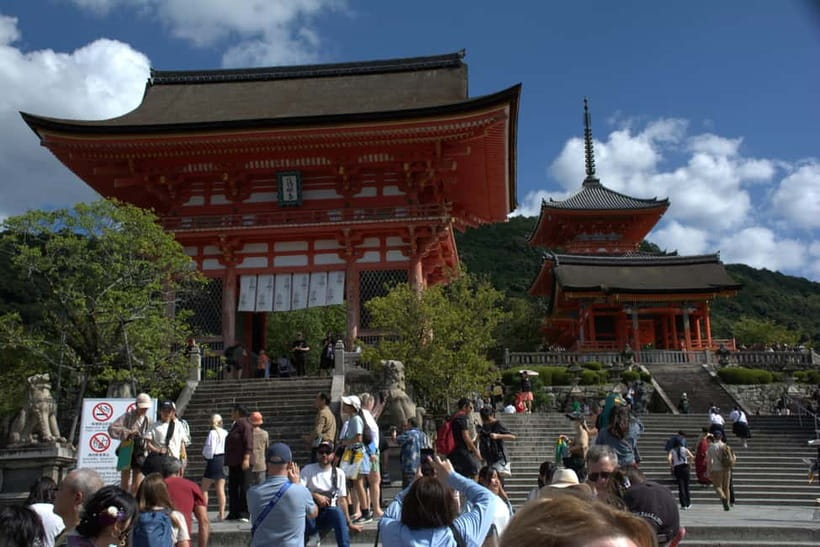
The tour includes a Q&A session at each location. That is one of the most practical features on the entire experience.
Without Q&A, you might spend a lot of time thinking, I wonder what that means. With Q&A, you can ask while you’re still near the object, the street, or the ritual, and the guide can connect the explanation to what you can see right now.
This is also where you’ll benefit if you’re curious but hesitant. A good guide makes it easy to ask questions, even if your question sounds basic. One guide name you’ll hear on this tour is Naoya-san. People specifically mention his explanations as easy to follow and his friendly, fun approach.
The takeaway for you: plan to ask at least one question. Even a small one. It’s the difference between walking through Kyoto and understanding it.
Price and Value: Why $40 Can Be a Smart Deal Here
The price is $40 per person. That’s a fair number for an English-guided walk in Kyoto—especially because this one includes key extras.
Here’s where the value comes from:
- Entry tickets to Kiyomizu Temple are included.
- A photo shoot is included, so you’re not paying extra for guidance or time.
- You also get an omikuji fortune slip.
When a tour bundles those pieces, you reduce decision fatigue. You spend less time on logistics and more time on the experience. Also, Kiyomizu Temple entry alone typically won’t cover the whole cost—so the guide time, the photo moment, and the cultural ritual add real value.
If you’re the kind of traveler who loves planning but hates rigid tours, this format works well. It gives structure without making the day feel like a factory line.
Who This Kyoto Kiyomizu and Gion Walk Is Best For
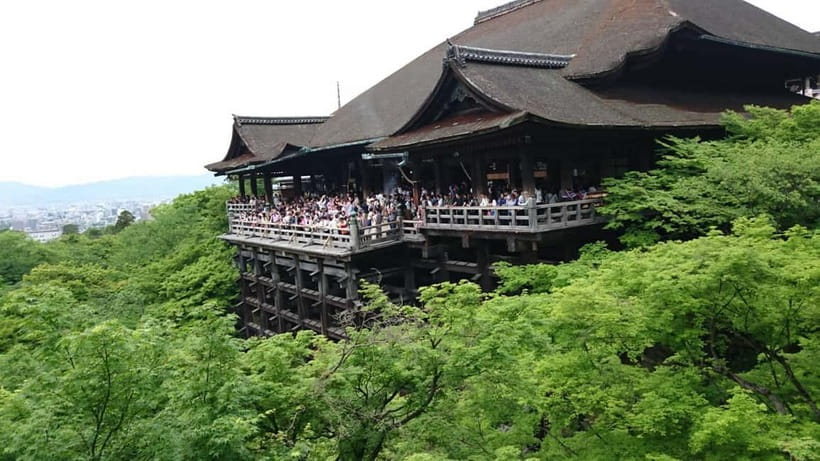
This tour is English-language and designed for comfortable walking on steep terrain. It is best for you if you want:
- A local guide who can explain Kyoto customs and Geisha history.
- A walk that avoids main roads so you can enjoy the atmosphere.
- Photo time plus a guided cultural ritual moment.
It’s not a match for everyone. The tour is not suitable for wheelchair users, people with respiratory issues, people with altitude sickness, people over 80, or people with low level of fitness.
And here’s the big practical filter: steep slopes and stairs. If that’s a challenge for you, you’ll likely feel it on this route. If you’re unsure, be honest with yourself. Kyoto is beautiful, but it doesn’t soften the hills for visitors.
Practical Tips: Comfortable Shoes and Realistic Expectations
Bring comfortable shoes. Seriously. This is the one packing item that can make or break the day.
Also, set your expectations for how the tour feels. This is a walking tour with cultural stops and Q&A. It’s not a relaxed stroll on flat sidewalks. You’ll be moving through Kyoto’s historic areas, and that means you should give your legs a little respect.
If you’re prone to getting winded, this is worth factoring in early. The route involves slopes, and your comfort will depend on your own mobility.
On the plus side, the guide’s local knowledge likely helps you move efficiently. But they can’t change the terrain.
So, Should You Book It?
I’d book this tour if you want Kyoto with context. You’ll get Kiyomizu Temple entry handled, time for photos that actually look good, and a guide who explains both temple culture and Geisha history in a way that connects to real customs. The Q&A structure makes it especially good if you like learning while you walk.
Skip it if you have trouble with stairs and steep slopes, or if any of the listed health constraints apply to you. This tour is designed for mobility.
If you’re on the fence, here’s a simple decision rule: if walking uphill is manageable for you and you want a guided story behind the sights, $40 feels like a smart way to buy understanding—not just photos.
FAQ
Where does the tour start?
The tour starts on the southeast side of Shijo Bridge, where a guide holding a red flag will meet you.
What time does it end?
It ends back at the meeting point.
What’s included in the price?
Entry tickets to Kiyomizu Temple, a photo shoot, and an omikuji fortune slip are included.
What language is the tour?
The tour is available in English.
Is it suitable for people with limited mobility?
No. It is not suitable for wheelchair users, and it involves steep slopes and stairs.
What should I bring?
Bring comfortable shoes, since the route includes steep slopes and stairs.