REVIEW · KYOTO
Kyoto: Private Customized Walking Tour with a Local Insider
Book on GetYourGuide →Operated by City Unscripted · Bookable on GetYourGuide
Kyoto has a way of looking perfect on postcards. This tour is different: it’s built around what you want to see, at your pace, with a local who steers the day. I love the private walking format (less waiting, more talking), and I also love the pre-tour questionnaire that helps the host shape the route around your interests, not a one-size plan. One thing to watch: this is a walking experience, so if you hate being on your feet or you need lots of “taxi-only” movement, you may want to plan for extra transport costs between areas.
What makes it work in Kyoto is the mix of culture and practicality. You’ll get insider recommendations for restaurants and shops, plus guidance on where to go next so you can keep exploring after the tour ends. If you’re the type who likes temples, food, gardens, neighborhoods, or all three, this is an easy way to get traction fast.
In This Review
- Key highlights to look for
- How the questionnaire turns Kyoto into your kind of day
- Meeting point, hotel pickup, and how to start without stress
- Pace and route design: what you truly control in a 2–6 hour walk
- Temple and shrine time: seeing meaning, not just landmarks
- Gion and Geisha culture walks without awkward guesswork
- Food stops that actually match your preferences
- Off the beaten path: hidden alleys, quieter gardens, and smart detours
- Getting around between sites: walking first, then transport if needed
- Price value: what $64 per person buys in practice
- Who this tour is best for (and who might not love it)
- Should you book this Kyoto customized walking tour?
- FAQ
- FAQ
- How long is the Kyoto private customized walking tour?
- What does the tour cost?
- What languages are the guides?
- Is this tour a private group?
- Is hotel pickup included?
- Where does the tour meet if there is no hotel pickup?
- What’s included in the price?
- What’s not included?
- Do I fill out anything before the tour?
- Is there free cancellation and a reserve-now option?
Key highlights to look for
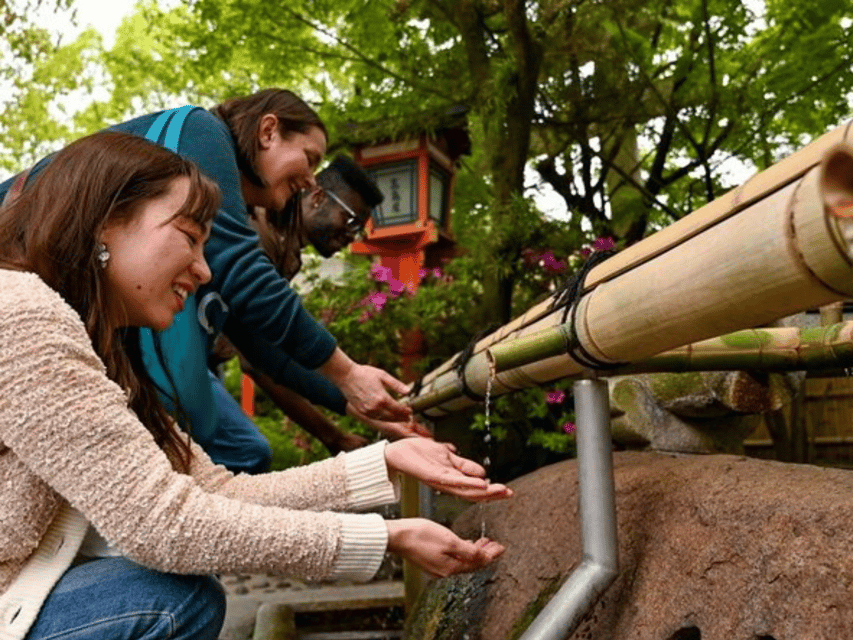
- Questionnaire-driven customization so your host can tailor the route to your pace and interests
- Local insider stops, often including places like Nishiki Food Market and Nanzenji, depending on your preferences
- Flexible 2–6 hour length lets you choose a quick orientation walk or a fuller half-day experience
- Hands-on, conversational culture with room for detours when the moment feels right
- Practical aftercare with restaurant and sightseeing suggestions so you’re not starting from zero
How the questionnaire turns Kyoto into your kind of day
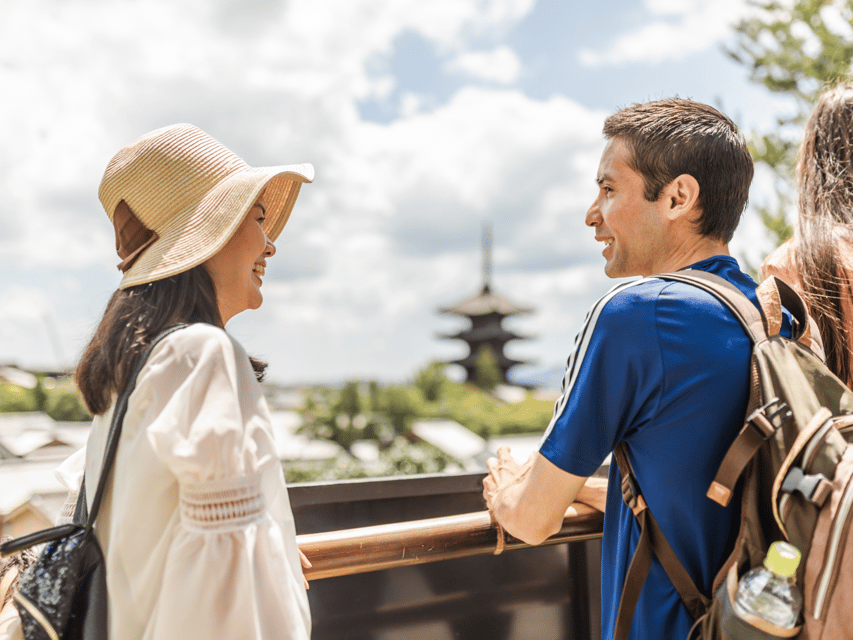
Kyoto can be overwhelming. There are shrines everywhere, gardens with complicated reputations, and neighborhoods that all look like they belong in a movie. The big advantage here is that you don’t just get a list of famous stops—you get a plan that matches your interests.
Before you meet, you fill out a short questionnaire. The goal is simple: help the provider pair you with a like-minded host and then let that person design a route that fits you. In plain terms, that means you should be able to get more out of the day if you tell your guide what you care about.
Some examples of how this shows up from guide styles in the same tour format: one host, Pam, focused on making people feel personally cared for while teaching them about Japan in a friendly way. Mia’s approach often hits both culture and food, including time around Nishiki Food Market. Harun’s style is the friend-with-a-plan route, blending the sites you want with extra context that helps the areas click in your head.
That’s the real value of the questionnaire: it makes your host listen first, then plan.
You can also read our reviews of more walking tours in Kyoto

Meeting point, hotel pickup, and how to start without stress
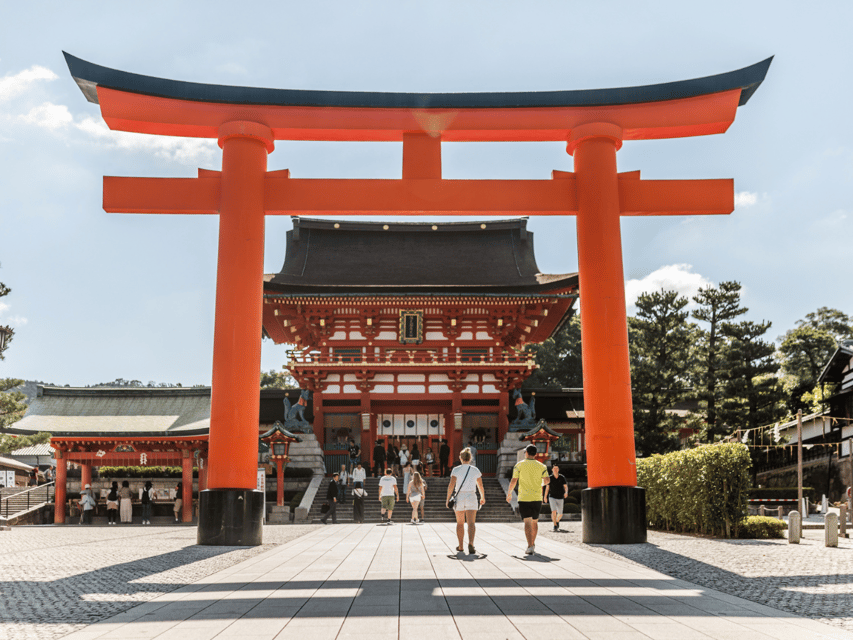
A walking tour only feels smooth if the start is smooth. This one gives you two options.
For central Kyoto hotels, hotel pickup can be arranged. If you don’t do pickup, your host meets you at Starbucks Coffee – Kyoto Sanjo-ohashi Bridge (Nakagyo Ward). That meeting point matters because it’s a clear, easy-to-find anchor when you’re jet-lagged and navigating a new city.
Also, remember this is a private tour with direct communication with your host for planning and recommendations. That’s helpful because Kyoto isn’t just about where you go—it’s about how you get there. If you have a timing constraint, a mobility need, or a specific lunch request, having a real conversation up front keeps the day from turning into guesswork.
And yes: the tour is listed as wheelchair accessible, which is important to know if you’re traveling with mobility constraints. Because you’re walking, your guide’s route choices will matter even within an accessible framework—so it’s smart to tell them what feels comfortable for you early.
Pace and route design: what you truly control in a 2–6 hour walk
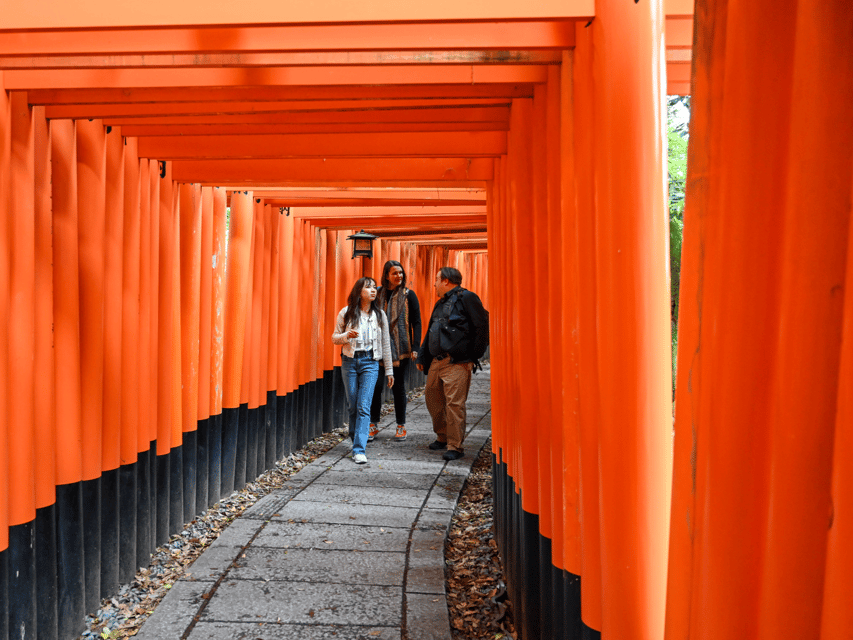
You get to choose duration and starting time, with options from 2 to 6 hours. That range is more than convenience. It changes what your host can realistically fit in, and it changes how relaxed the day feels.
A 2–3 hour option is great if you’re trying to:
- get oriented in Kyoto,
- see a few key areas without rushing,
- learn practical “how to move around” tips,
- and still have energy left for dinner plans.
A longer half-day (4–6 hours) works better when you want a fuller experience like a temple area plus a garden stop plus a food experience. It’s also the window where your guide can include quieter backroads and small detours that make Kyoto feel lived-in rather than checklist-driven.
Your host should also be open to adapting as you go. Several guides in this tour format have been praised for staying flexible with timing and adjusting based on what the group is enjoying. That adaptability is huge in Kyoto because crowd levels can flip fast by neighborhood and time of day.
Finally, this is a private group, so you’re not negotiating around other people’s priorities. If you want slower pacing and more questions, you can ask for that.
Temple and shrine time: seeing meaning, not just landmarks
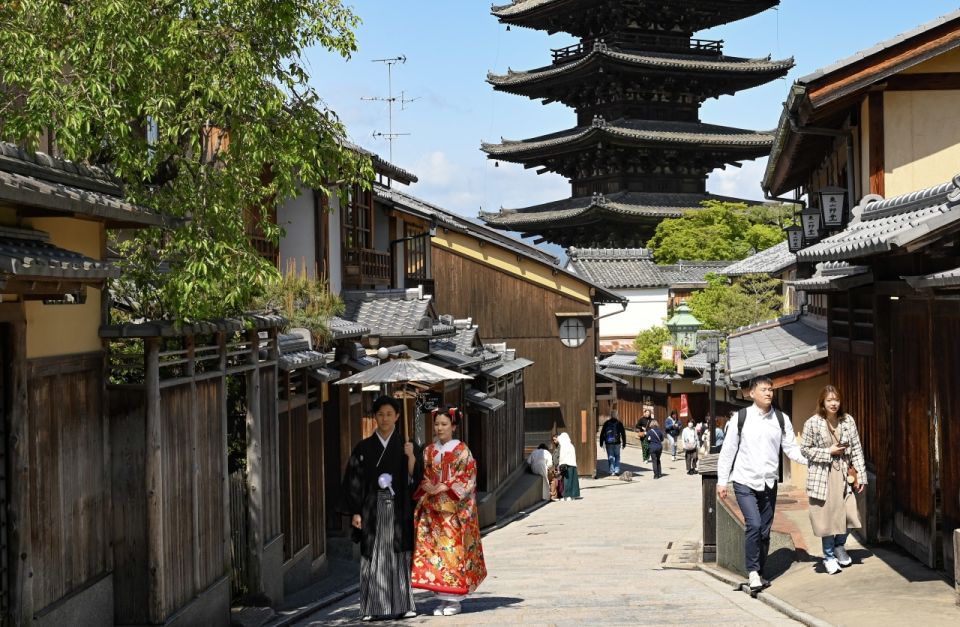
Kyoto’s temples and shrines can feel similar if you don’t get context. The best part of this kind of guided walking—done right—is that you don’t just stand there looking up. You start to understand the why.
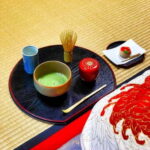
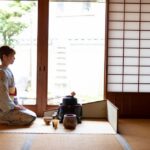
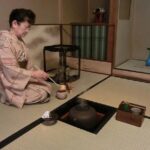
Depending on your interests, your host may take you to places like Nanzenji. In one memorable example from this tour style, a guide Sasha helped a group pair Nanzenji with garden storytelling and a matcha experience in a traditional tea room at the temple. That combination is a strong way to connect the architecture, the landscaping, and the ritual side of the site.
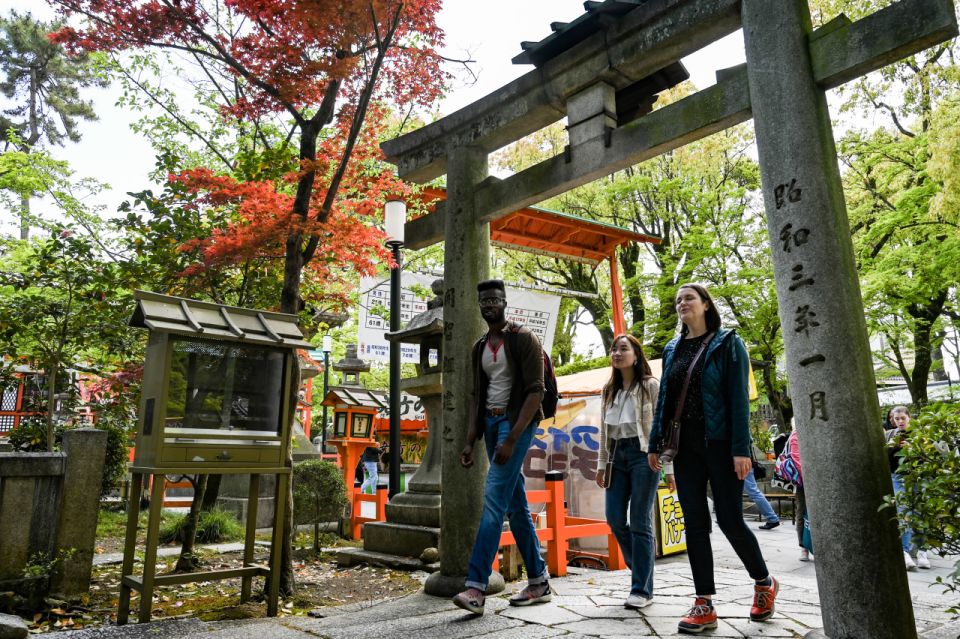
Another example: Philosopher’s Path and Gion have shown up in customized routes during cherry blossom season. If your priority is scenery plus atmosphere, this is the kind of area pairing that makes sense.
You may also get explanations on religion and history that make the areas feel less mysterious. One guest described learning about Buddhism and local religions with a guide who combined monuments with delicious local dishes. Another praised a guide’s ability to teach Japanese history and culture in an engaging way while keeping the route efficient.
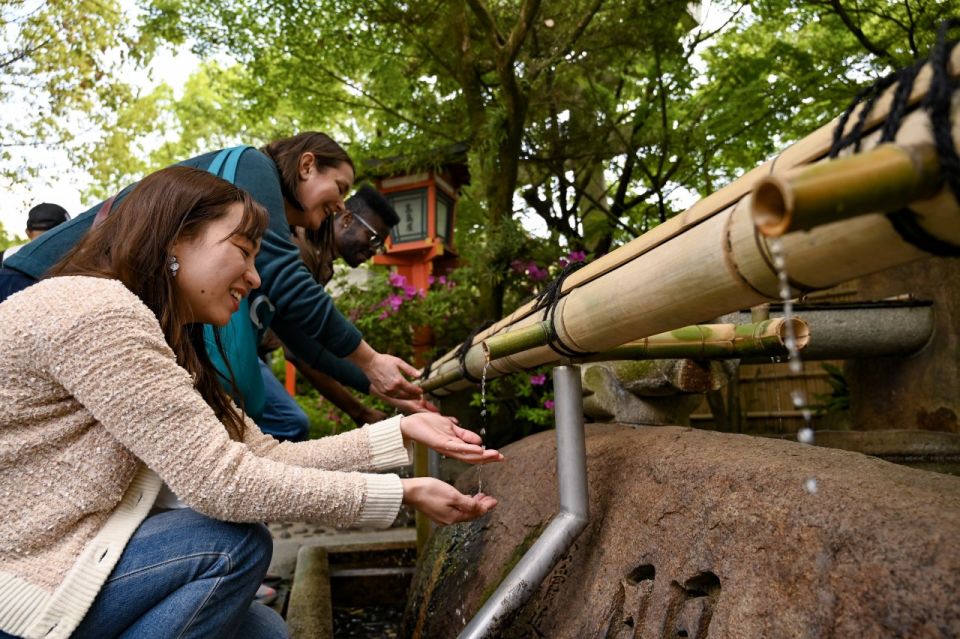
What to watch for: you’ll get more out of this if you speak up. If you care about specific themes—like Zen gardens, Shinto traditions, geisha-era culture, or simply how to behave at shrines—tell your host. This format works because your guide can tailor the stop order and the explanation style to match your curiosity.
Gion and Geisha culture walks without awkward guesswork
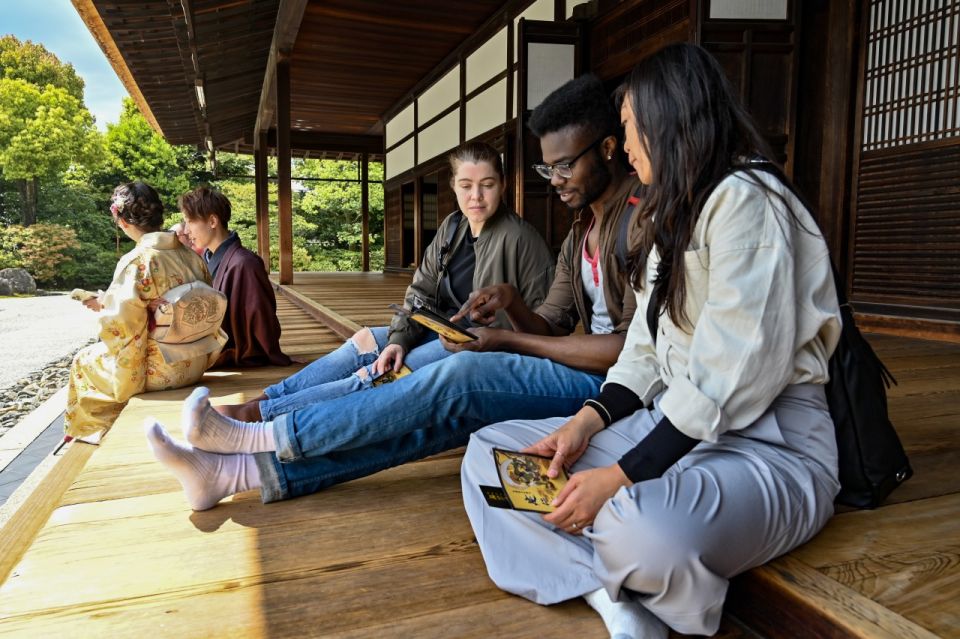
Gion can feel like a maze. It’s beautiful, but it can also be confusing: where do you walk, what’s respectful, and how do you avoid turning the day into photo-only time?
In this tour style, you can ask for a Gion-focused experience, and guides have been praised for covering geisha culture in a way that feels human, not textbook-y. One guest highlighted how Nisa was especially helpful with explaining Geisha culture and also other aspects of Japanese life—exactly the kind of context that makes the neighborhood click.
If your interests are mixed—like you want shrines plus old streets—your host can often connect the dots between areas so Gion feels like part of the bigger Kyoto story instead of a separate tourist bubble.
Practical benefit: with a local guide, you’re more likely to understand where to linger and where to move on. That saves time and helps you avoid dead-end wandering in narrow lanes where traffic and crowd flow can get tricky.
You can also read our reviews of more private tours in Kyoto




Food stops that actually match your preferences
Kyoto food is a highlight, but it’s easy to do the wrong thing: grab something famous-but-touristy when what you wanted was a smaller, more local experience.
This tour format builds in food flexibility, but it doesn’t promise a set meal. Food and drinks are not included, which is important. The value is that your host gives recommendations that fit your route and your tastes.
One guest praised Mia for great food at Nishiki Food Market. Nishiki is one of those places where a guide changes everything. Without direction, you can end up cycling through stalls without knowing what you’re tasting or where to go next. With guidance, you can shop with confidence and get suggestions that suit the moment.
Another guest described lunch recommendations that catered to dietary requirements, showing that the host can adapt food suggestions to real constraints—not just generic ones. If you’re vegetarian, avoiding specific ingredients, or you have strong food preferences, this is one of the strongest reasons to book a customized tour rather than self-guided wandering.
You might also see a tour include a small, local-feeling counter experience at someone’s home, depending on the guide and your interests. The point isn’t that every route includes something “unique.” The point is that customization gives your guide room to match you with food experiences that feel right for your day.
Off the beaten path: hidden alleys, quieter gardens, and smart detours
Kyoto’s most famous areas are famous for a reason, but the best memories often come from the edges. This tour format is set up to help with that, mainly through two mechanisms: personalization and flexibility.
Guests have specifically called out routes that avoided crowds, with guides taking people “off the beaten path.” One guide, Milos, was praised for bringing guests to quieter areas with fewer crowds. Another guest talked about seeing authentic, less-touristy places as a longtime resident guide, plus a top Japanese garden and temple time.
Even if you’re visiting for the first time, you’ll likely appreciate detours that help you feel like you’re walking with a local. Those side streets can also be where Kyoto’s details show up—small shrines, seasonal textures, and everyday life that doesn’t look staged.
The other detour advantage: your host can handle real-world hiccups. One guest described help backtracking to retrieve a teenager’s cell phone left at a site. That kind of problem-solving is hard to plan for on your own.
Getting around between sites: walking first, then transport if needed
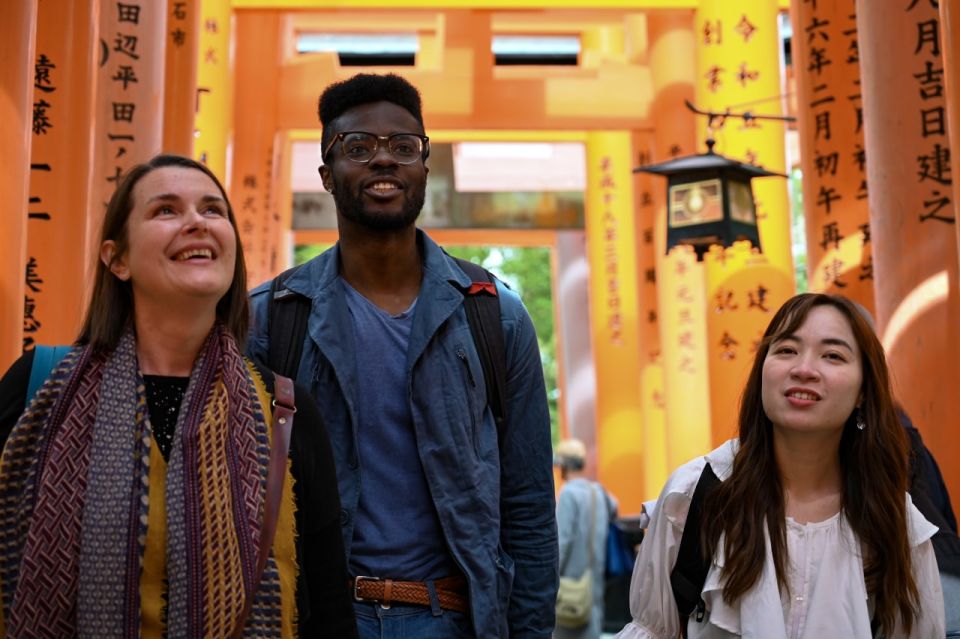
Because this is a walking tour, you’ll be moving on foot for the main experience. However, public transportation or local taxis may be used to transfer between sites, and transportation costs are not included. Your guide can discuss the exact costs after your reservation is finalized.
This matters because Kyoto’s neighborhoods are close, but not always close enough to make a full loop without buses or taxis. A smart host uses transport when it saves you time and keeps the day from dragging.
What you should do: think of walking as the spine of the tour, and transport as the flexible connector. If you tell your host your tolerance for walking distance and steps, they can build a route that matches.
Also, if you want to combine far-apart areas—like pairing a temple day with another district later—it’s worth choosing a longer duration, since transfers will take time.
Price value: what $64 per person buys in practice
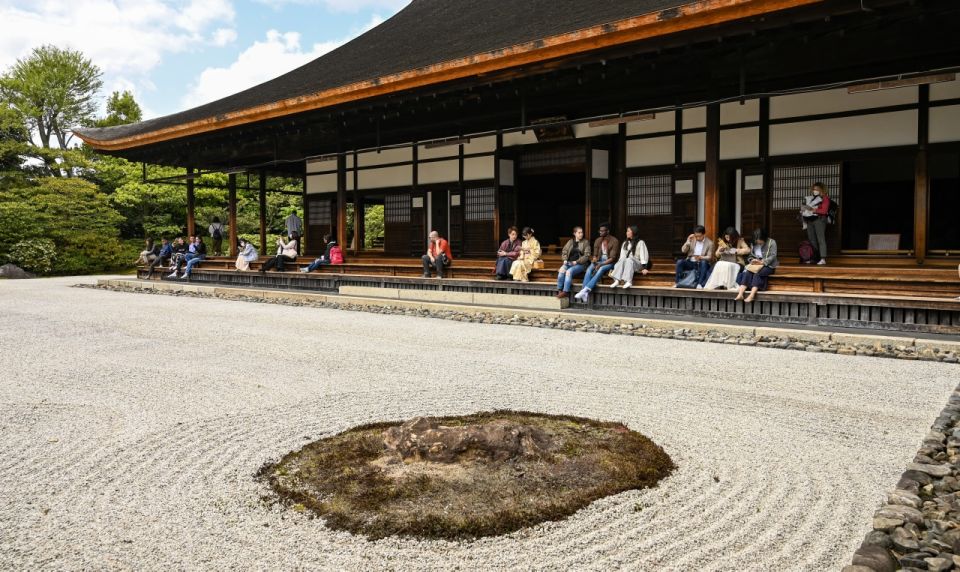
At $64 per person for a 2–6 hour private walking experience, the value is about efficiency and decision-making.
You’re paying for:
- one-on-one time with a local who can explain what you’re seeing,
- a route shaped around your interests (so you don’t waste time on stops that don’t land),
- insider recommendations for food and shopping,
- and flexible pacing that helps you avoid the feeling of rushing through sacred places.
The cost is also easier to justify in Kyoto because food and attractions can pile up if you’re wandering without direction. While extra food, drinks, and attraction tickets aren’t included, your host’s suggestions can help you spend wisely rather than repeatedly second-guessing.
If you’re a couple, this can be a strong option because private time is the whole point. If you’re traveling solo, it’s still a great way to get local guidance without the pressure of joining a larger group.
The main value question to ask yourself is simple: do you want help choosing where to go next? If yes, this format is good value. If you already have a tight plan and don’t want to deviate, you may prefer a self-guided route.
Who this tour is best for (and who might not love it)
This tour fits best if you:
- want Kyoto tailored to your interests (temples, food, gardens, neighborhoods),
- like asking questions and getting explanations in context,
- prefer a calm pace over checklist speed,
- care about restaurant and shop recommendations,
- and want guidance for what to do after the tour ends.
It might be less ideal if you:
- strongly dislike walking,
- need very specific accommodations without any flexibility (because route changes depend on your guide),
- or you only want one fixed set of landmarks and nothing else.
The fact that guides can adapt—often adding insights or swapping in quieter areas—means it works best when you’re open to a conversation and a little spontaneity.
Should you book this Kyoto customized walking tour?
I’d book it if you want a Kyoto day that feels like it was made for you, not downloaded from a spreadsheet. The private setup, the questionnaire-driven matching, and the combination of culture plus practical food and shopping advice make it one of the more sensible ways to do Kyoto—especially early in your trip.
I’d think twice if your plans are rigid and you want zero walking variables. Also, remember you may pay extra for transfers and for meals, since food and transportation costs are not included. If that’s okay with your budget, this is a strong, low-stress way to get local direction fast.
FAQ
FAQ
How long is the Kyoto private customized walking tour?
You can choose a duration from 2 to 6 hours.
What does the tour cost?
The price is listed as $64 per person.
What languages are the guides?
The tour guide is listed as English and Japanese.
Is this tour a private group?
Yes, it’s a private group.
Is hotel pickup included?
Hotel pickup can be arranged for any central Kyoto hotel.
Where does the tour meet if there is no hotel pickup?
If you don’t do pickup, the meeting point is Starbucks Coffee – Kyoto Sanjo-ohashi Bridge (Kyoto, Nakagyo Ward).
What’s included in the price?
The included items are a private and personalized walking tour, insider tips from a local, flexible durations and start times, a pre-tour questionnaire, and direct communication with your host.
What’s not included?
Additional food, drinks, attraction tickets, and transportation costs are not included. Public transport or local taxis may be used for transfers at an additional cost.
Do I fill out anything before the tour?
Yes. You’ll receive a questionnaire about your personality and interests, and the host uses it to design a custom route and communicate directly with you.
Is there free cancellation and a reserve-now option?
Free cancellation is available up to 24 hours in advance for a full refund, and you can reserve now and pay later.