REVIEW · KYOTO
Kyoto: Arashiyama Walking Tour with Local Guide
Book on GetYourGuide →Operated by KYOTO CITY TOURISM ASSOCIATION · Bookable on GetYourGuide
Kyoto can feel like a museum with crowds. This tour gives you a calmer, local way into Arashiyama, starting at Kyoto Station and walking you through bamboo and Zen gardens with an English-speaking city guide. You’ll also get practical tips for spotting what matters, not just snapping photos.
I really like that the tour covers two of the area’s biggest “why people come” moments: the bamboo forest walk and Hogonin Temple’s Zen garden experience. I also appreciate the small human details—guides like Yuko and Yoriko have a knack for explaining how different gardens are meant to be read, and Charlie’s style kept the pace friendly and easy to follow.
One thing to plan for: this is about two hours on foot, and it’s not a sit-and-watch style tour. If you don’t love walking, you may feel rushed between the bamboo, Hogonin, and the bridge at the end.
In This Review
- Key things to know before you go
- Getting Oriented at Kyoto Station: Kyo-Navi and the Luggage Stop
- The Train Ride With an Official Guide (and Why It Helps)
- Bamboo Forest Walk: What to Look for in the Green Tunnel
- Hogonin Temple: Zen Gardens That Make You Look Twice
- Togetsu-kyo Bridge: The Calm Finish by the Riverside
- Price and Value: Is $34 a Good Deal?
- Timing and Fit: Who This Walk Works Best For
- The Best Way to Get More From the Tour
- Should You Book This Arashiyama Walking Tour?
- FAQ
- Where is the meeting point for the Arashiyama walking tour?
- Do I need to pay for train fare to Arashiyama?
- How long is the tour?
- Is the tour offered in English?
- What attractions are included on the walk?
- Is admission to Hogonin Temple included?
- Can children join, and is there a free option?
- Are unaccompanied minors allowed?
- What is the cancellation window?
Key things to know before you go
- Start at Kyoto Station at Kyo-Navi (京なび) so you don’t waste time figuring out where to begin
- Official city guides in English keep the route focused and the explanations clear
- Hogonin Temple includes entry tickets, so you’re not scrambling at the door
- Hogonin’s Zen garden is the star, with guide-led context that helps you look smarter
- End with a Togetsu-kyo Bridge riverside walk that’s made for photos and slow breathing
- $34 is for a guided, guided-only experience (train fare isn’t included)
Getting Oriented at Kyoto Station: Kyo-Navi and the Luggage Stop
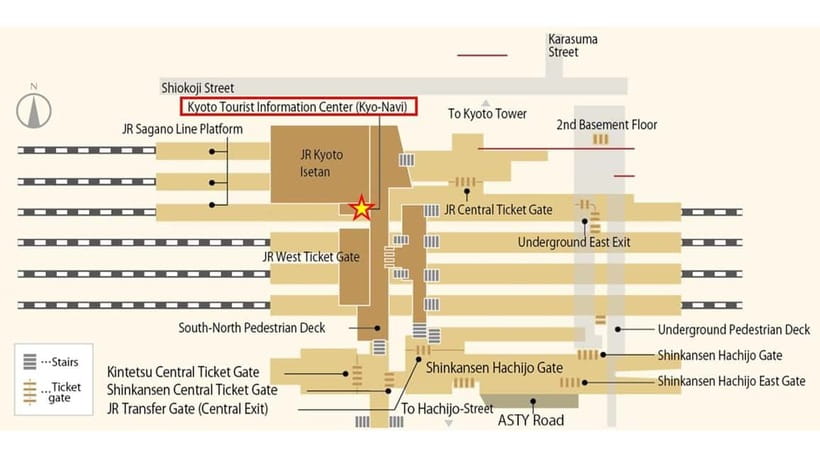
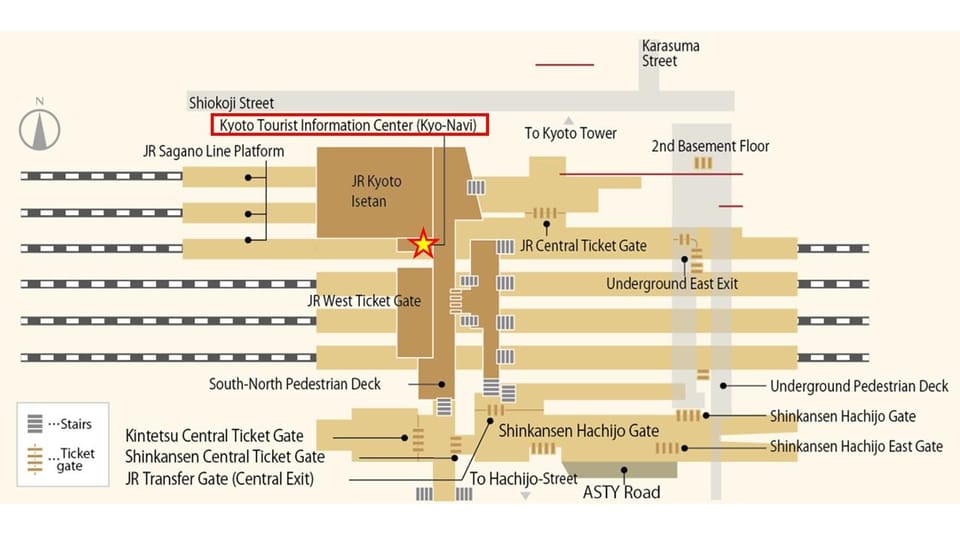
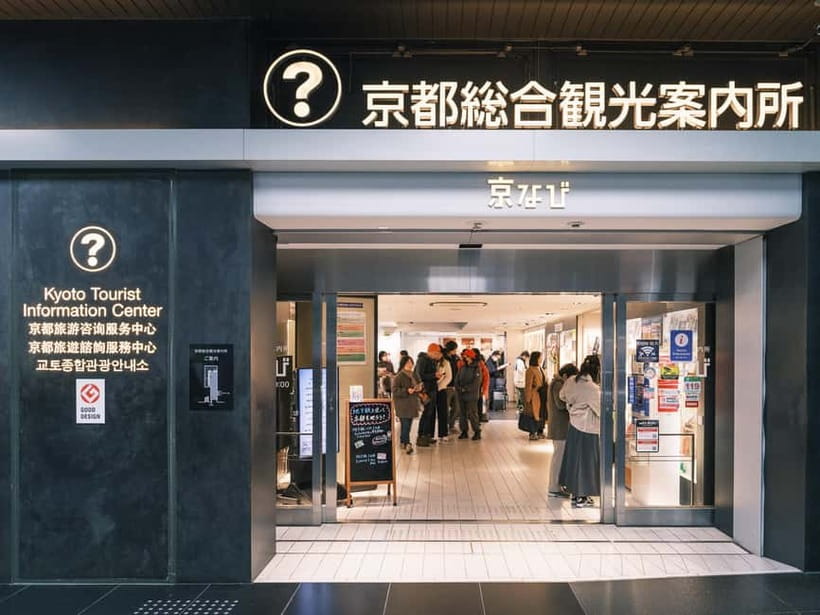
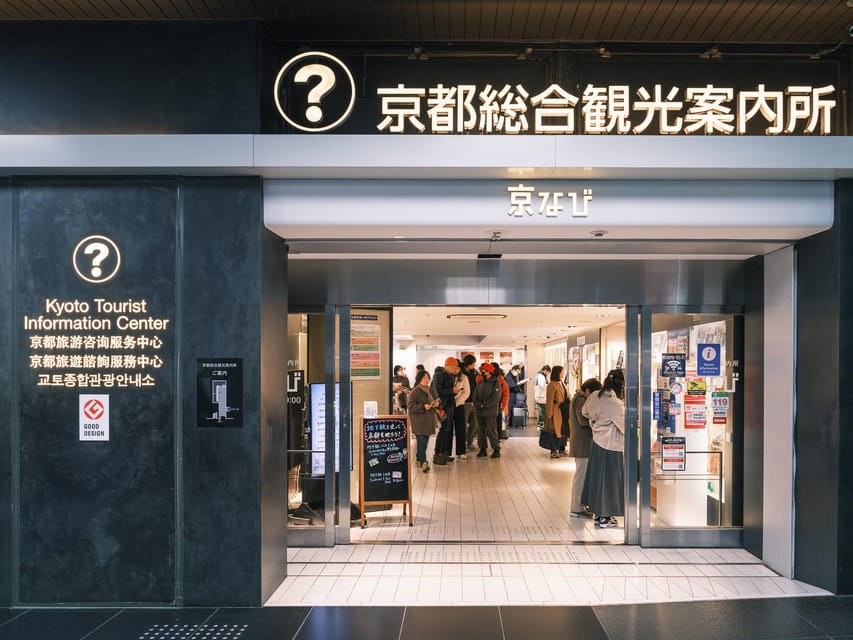
The day starts at Kyoto Station, where you meet at the Kyo-Navi Kyoto Tourist Information Center. It sits on the north side of the station area, and it’s easiest to find if you look for the 2nd-floor pedestrian walkway that leads to Kyo-Navi—right next to (and south of) the big department store called Kyoto JR Isetan.
If you’re thinking, I want this to feel stress-free, you’re right on target. This meeting point setup matters because Arashiyama day trips can turn into a logistics puzzle. Here, you get a clean start, and after meeting you leave your luggage at Crosta Kyoto. That small detail can change the whole vibe of the walk—less weight on your shoulders while you’re trying to enjoy the bamboo and temples.
Also note the tour is only conducted in English, so you can relax into the explanations without fighting a language barrier. The provider is KYOTO CITY TOURISM ASSOCIATION, which usually means you’re getting guides who are used to consistent, city-authorized interpretation.
You can also read our reviews of more walking tours in Kyoto


The Train Ride With an Official Guide (and Why It Helps)
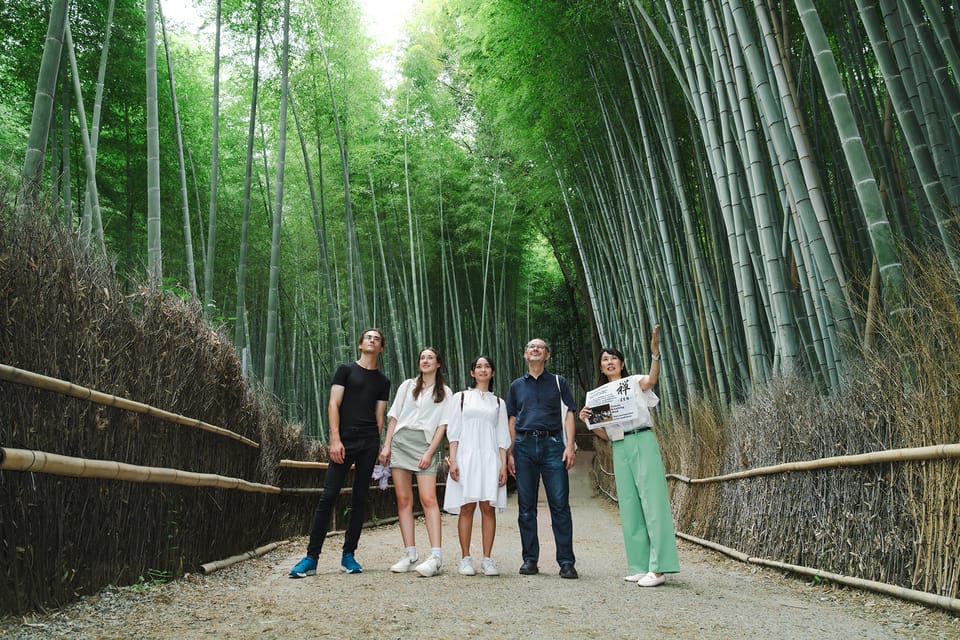
You’ll go to Arashiyama using eco-friendly public transport, and the train journey is done with the official guide. That’s not just a transit step—it’s part of how the tour stays organized and meaningful.
Even without getting stuck in too much background theory, the guide can set you up with what to notice as you arrive. In particular, guides have a way of connecting Kyoto’s garden and temple traditions to what you’ll actually see later at Hogonin Temple. One review specifically noted how Yuko explained different kinds of gardens at the temple and shrine areas, and that kind of guidance is exactly what turns a pretty place into a place you understand.
Train fare is not included, so factor that into your planning. Still, for $34 you’re paying for guided time, English interpretation, and included admission to Hogonin Temple. If you prefer to travel light, the luggage service helps keep this a simple day rather than a carry-everything scramble.
Bamboo Forest Walk: What to Look for in the Green Tunnel
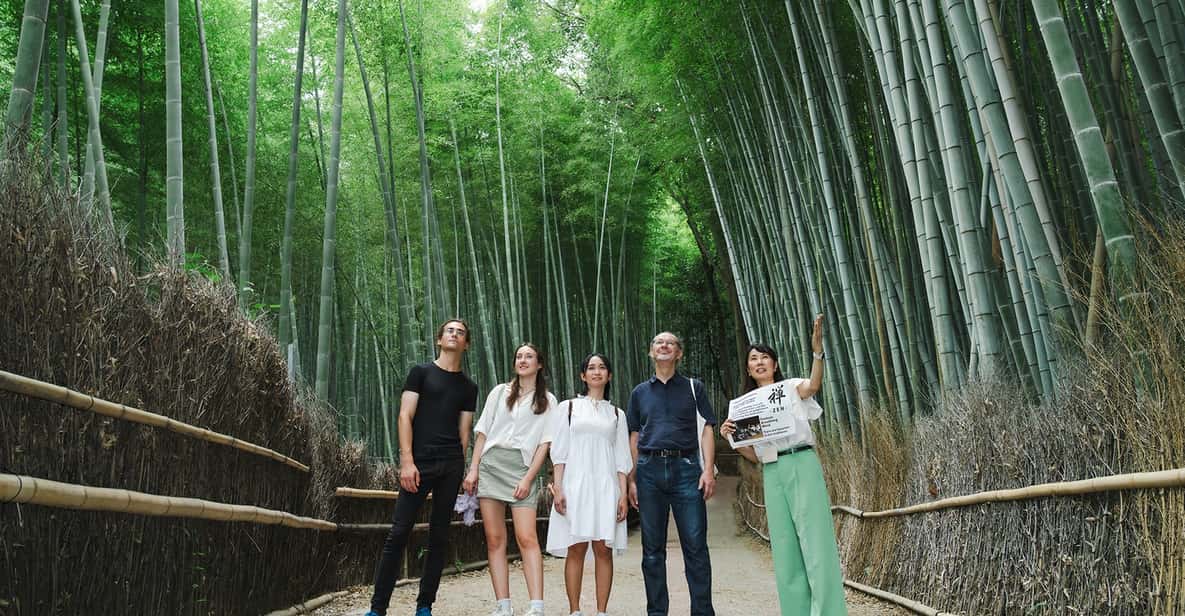
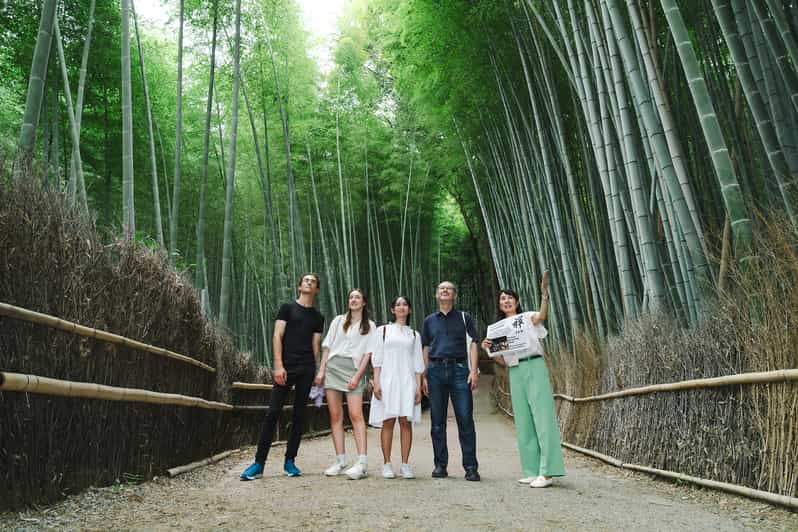
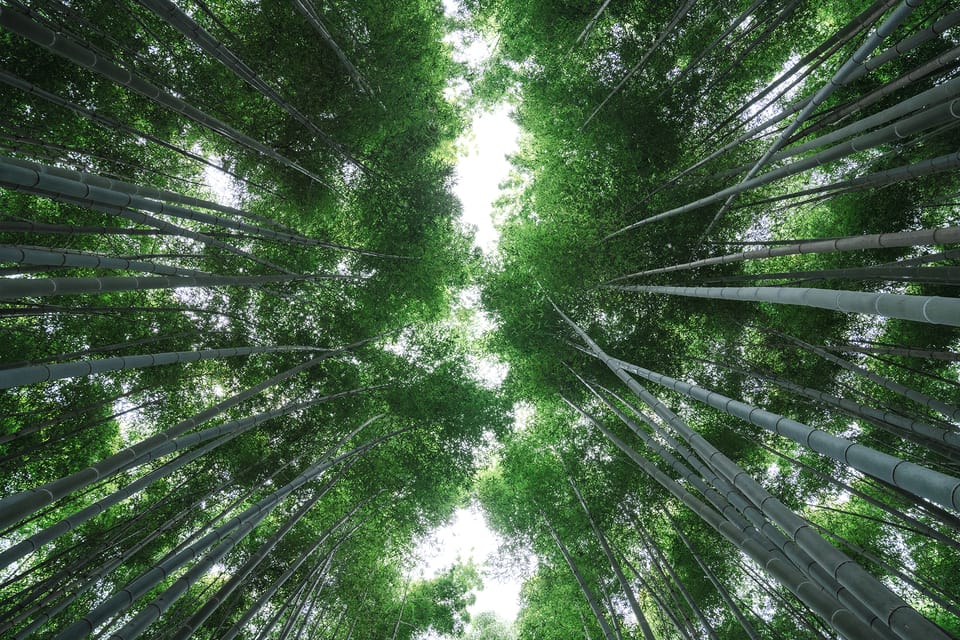
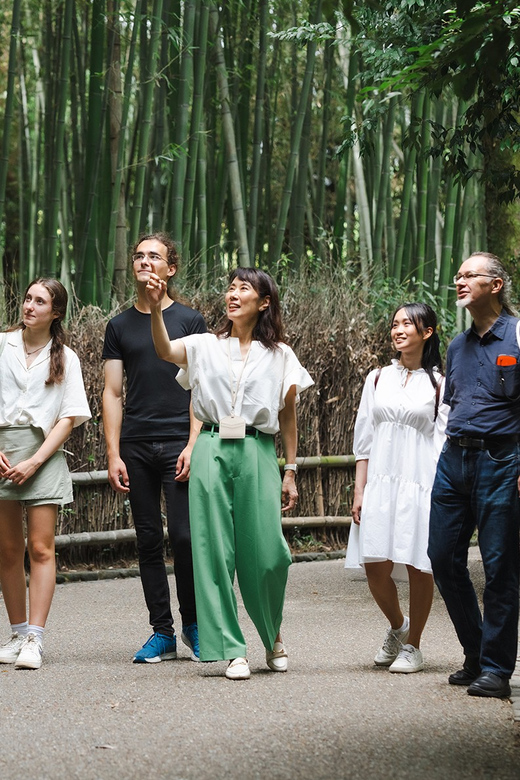
The bamboo section is the headline for a reason. You’ll walk through a tunnel of green where sunlight filters through the trees, creating that classic Arashiyama look—plus plenty of spots that make it easy to pause and take photos.
Here’s the practical part: bamboo crowds can get chaotic if you just follow other people’s feet. With a guide, you’re more likely to catch viewpoints at a calmer moment and understand how the area’s design supports the mood. Guides also tend to explain how gardens and temple spaces are shaped for slow observation, which makes a bamboo walk feel less like a photo stop and more like a transition into Zen space later.
If you love walking, you’ll probably enjoy this pacing. The tour is recommended for people who like to walk, and it takes about two hours total. That means the bamboo time is enough to feel memorable, but not so long that you feel stuck waiting.
Hogonin Temple: Zen Gardens That Make You Look Twice
Hogon-in Temple is where the tour earns its keep. You visit with entry tickets included, and the guide-led narration is the difference between seeing a garden and reading what the garden is trying to say.
The highlights focus on Hogonin Temple’s gorgeous Zen garden, plus the appeal of a hidden Zen garden at the same site. I like this approach because it gives you variety inside one destination. You’re not just ticking off one “main sight.” You get a guided pathway through the calm, and the guide helps you notice how different garden elements change the feel of the space.
Guides such as Yuko and Yoriko have been praised for how they explain garden types and how the customs and traditions shape Kyoto. That matters here. A lot of people walk through temples and gardens without knowing what they’re looking at. When the guide explains the purpose behind garden features, you start seeing details you would otherwise miss—like how sightlines, arrangement, and the feeling of space are part of the experience, not decoration.
One more thing: Hogonin is described as having a wonderful Zen garden and a hidden Zen garden, which suggests there’s a sense of discovery even if you’ve been to Kyoto before. If you’re returning and want more than the usual sightseeing checklist, this garden-focused stop can feel like a fresh angle.
Togetsu-kyo Bridge: The Calm Finish by the Riverside
After Hogonin, the tour ends with a serene walk to Togetsu-kyo Bridge. This is a smart closing choice because it gives you a change of pace: less garden looking, more open-air river views.
The bridge stroll works especially well for photos, but I also like it as a wind-down. You’ve already shifted into temple pacing and quiet attention. Then you get the river air, the longer sightlines, and that Kyoto-at-ease feeling that makes the area famous.
It also helps that the tour returns you to the meeting point at the end. You’re not left trying to figure out the “now what” phase with a map and no plan. You finish back where you started, which is handy if you have dinner reservations elsewhere in Kyoto.
You can also read our reviews of more guided tours in Kyoto



Price and Value: Is $34 a Good Deal?
At $34 per person, this tour positions itself as a value option for visitors who want guidance without committing to a full half-day tour.
Here’s how I see the value stacking up:
- You get a certified city guide speaking English.
- Hogon-in Temple entry tickets are included, which removes one common cost and one common hassle.
- You spend time in two big Arashiyama draws—bamboo and Zen gardens—without needing to coordinate every step yourself.
The one part not included is the train fare to Arashiyama. That’s normal for a guided walking tour, but you should budget for it. Also, there’s no hotel pickup or drop-off, so you’re responsible for getting to the Kyoto Station meeting point. If you’re already planning to be in that area, you’ll feel the price makes sense.
Where this price really shines is if you care about explanation and context. Reviews praise guides for background information that adds meaning, not just narration. If you’re happy with photos-only sightseeing, you might skip a guided tour. If you want the “why” behind what you’re seeing, $34 can feel like a bargain for two focused hours.
Timing and Fit: Who This Walk Works Best For
This tour runs October 6 to October 31, 2025, excluding Saturdays and Sundays. It’s also not available for unaccompanied minors. Each paid guest can bring one child aged 0–6 for free, but if that child wants to use luggage service, there’s a service fee. If you bring more than one child, the additional child needs an adult ticket.
In terms of physical style, it’s a walking tour with about two hours on foot. That makes it a good choice for:
- First-time visitors who want the Arashiyama highlights with context
- People who prefer organized pacing over “wander and hope”
- Anyone who wants to spend less time figuring logistics and more time enjoying the sights
- Garden and temple lovers who like learning what they’re looking at
It might not be ideal if:
- You want a long, slow Arashiyama day with lots of free time
- You strongly dislike walking
- You’re traveling with a child who needs unaccompanied handling (the tour doesn’t allow unaccompanied minors)
The Best Way to Get More From the Tour
A quick tip that improves your whole experience: treat the guide’s explanations as “camera focus,” not homework. If the guide tells you how gardens are designed to be read, use that to guide where you stand and where you pause during photos.
Also, because the tour is about walking and timing, bring:
- Comfortable shoes for temple and garden paths
- Light layers, since Kyoto weather can shift
- A phone camera mode that works quickly for bamboo (the lighting changes fast through the stalks)
Finally, arrive ready to start from Kyo-Navi at Kyoto Station. Finding the meeting point quickly makes the rest of the day feel smooth.
Should You Book This Arashiyama Walking Tour?

I’d book this tour if you want a focused Arashiyama experience: bamboo forest views, Hogonin Temple Zen garden context, and a calm finish at Togetsu-kyo Bridge—guided in English, with admission handled for Hogonin.
Skip it if you’re planning a DIY Arashiyama day with lots of free wandering and you don’t care about interpretation. Also consider your walking comfort, because this isn’t a long sit-down tour.
If you want the kind of Kyoto experience that feels intentional—where you understand what you’re seeing by the time you reach the bridge—this one is a strong match.
FAQ
Where is the meeting point for the Arashiyama walking tour?
Meet at the Kyo-Navi Kyoto Tourist Information Center inside Kyoto Station. It’s on the north side, and the pedestrian walkway on the 2nd floor leads to it next to the south of Kyoto JR Isetan. You can ask for Kyo-Navi (京なび) if needed.
Do I need to pay for train fare to Arashiyama?
Yes. Train fare to Arashiyama is not included.
How long is the tour?
It’s a walking tour recommended for people who love to walk and it takes about two hours.
Is the tour offered in English?
Yes. The tour is conducted only in English.
What attractions are included on the walk?
You’ll visit a bamboo forest, Hogonin Temple (including its Zen garden), and then finish with a walk to Togetsu-kyo Bridge.
Is admission to Hogonin Temple included?
Yes. Entry tickets to Hogon-in Temple are included.
Can children join, and is there a free option?
Each paid guest can bring one child aged 0–6 for free. If the free child wants to use the luggage service, there is a service fee. Additional children beyond the first need to purchase adult tickets.
Are unaccompanied minors allowed?
No. Unaccompanied minors are not allowed.
What is the cancellation window?
You can cancel up to 24 hours in advance for a full refund.