REVIEW · KYOTO
Kyoto: Nishiki Market Food Tour
Book on GetYourGuide →Operated by Arigato Travel KK · Bookable on GetYourGuide
Kyoto’s food maze is better with a guide. Nishiki Market is often called the Kitchen of Kyoto, and a small-group English tour turns a wall-to-wall market into something you can actually understand. I like how guides such as Raquel and Sanae focus on what you taste, not just where you walk, including how it connects to Kyoto’s UNESCO World Heritage context.
You also get hands-on variety in a short time. I especially like the seasonal tastings across roughly 10 vendors, from fresh seafood and grilled bites to pickled vegetables and sweets, with Japanese tea along the way.
One consideration: you’ll need to handle the pre-trip admin and show up at the meeting point yourself. There’s no hotel pick-up included, and you also must provide a passport information copy for participants aged 10 and up.
In This Review
- Key highlights to know before you go
- Nishiki Market: the Kitchen of Kyoto (and why this tour works)
- How the 3-hour walking plan feels in real life
- What you’ll actually taste: seafood, snacks, pickles, sweets, and tea
- The guide matters: why English narration changes everything
- Getting there: meeting point near Kawaramachi (easy once you know it)
- Price and value: what $173 covers (and why it’s not just snacks)
- Food allergies and dietary needs: the part you shouldn’t wing
- Who this is best for (and who might prefer something else)
- Should you book the Kyoto Nishiki Market Food Tour?
- FAQ
- How long is the Kyoto Nishiki Market Food Tour?
- What does the price include?
- Where is the meeting point?
- How do I get there from Kawaramachi Station?
- How big is the group?
- Do I need to provide a passport copy?
- Is hotel pick-up and transportation included?
Key highlights to know before you go
- ~10 vendor stops in about 3 hours so you can taste more than you could on your own
- Family-run stalls where the guide helps you order, interpret flavors, and choose wisely
- Seasonal foods including seafood, pickles, grilled snacks, and market sweets
- Japanese tea included with explanations that make the pairing click
- Small group limited to 8 for smoother pacing and easier questions
Nishiki Market: the Kitchen of Kyoto (and why this tour works)
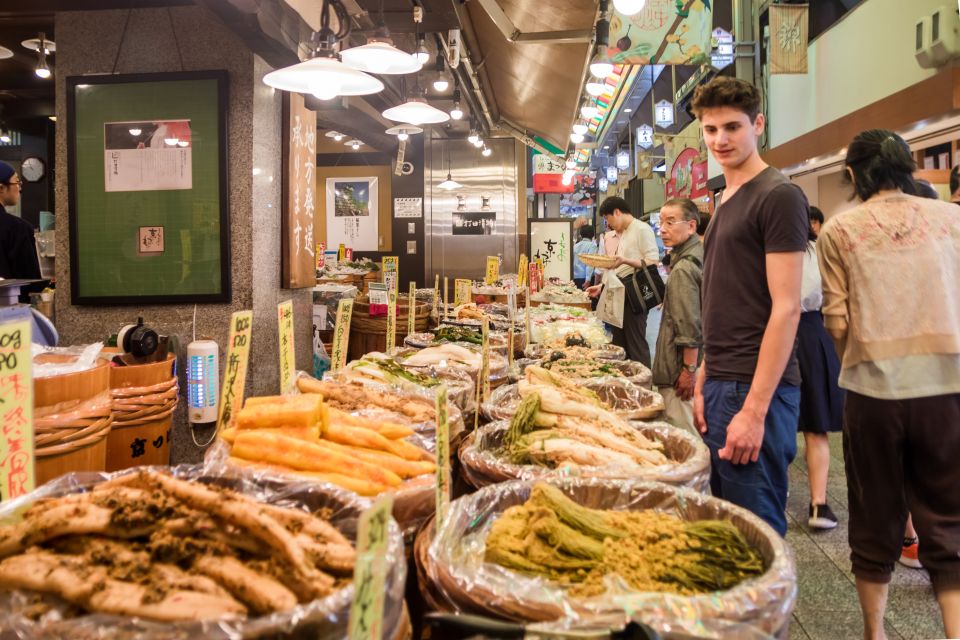
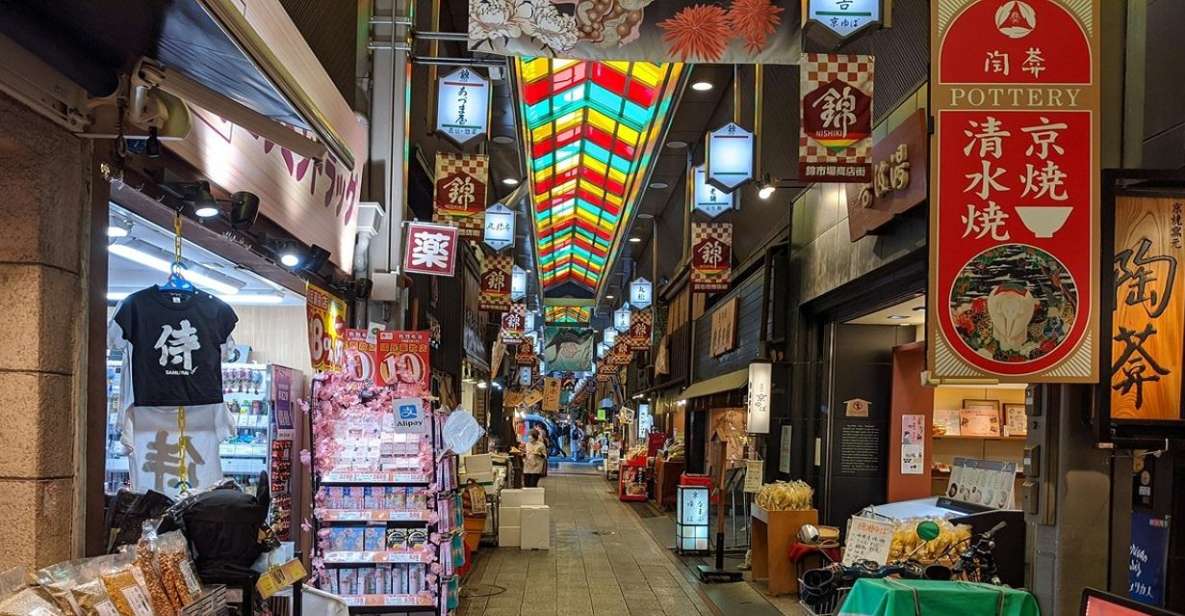
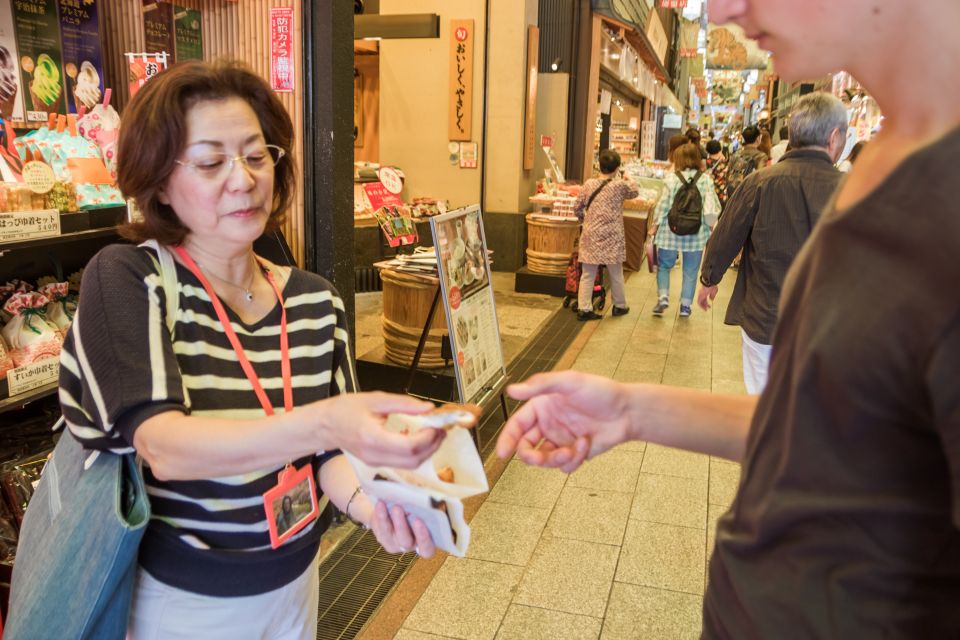
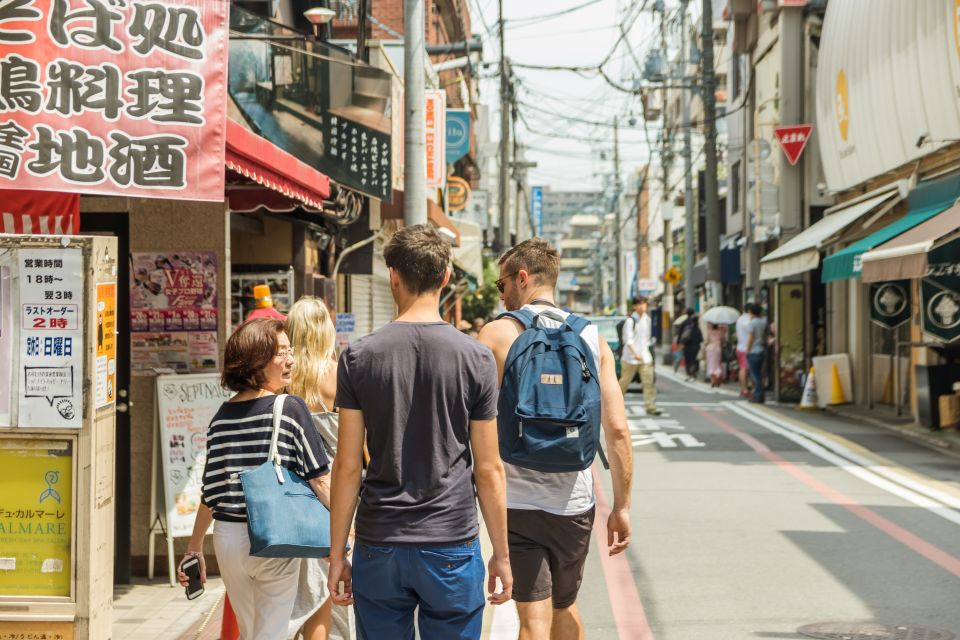
Nishiki Market sits near Kawaramachi, and it’s the kind of place where the smells hit first. You’ll see neat rows of dried goods, shiny seafood displays, and little counters where a vendor is chopping, grilling, or packing snacks by hand. It’s famous for a reason, but popularity can also be confusing.
This tour works because it gives you a path through the noise. Instead of wandering, you follow an order that makes sense: salty and savory bites early, then shifts into other textures and flavors as you go. Your guide also explains what you’re looking at and why it shows up in Kyoto cooking, including the way Japanese cuisine leans hard on seasonality.
The market is also old-school. Even if you’ve been in Nishiki before, you may have missed the point of what each stall represents. Guides named Raquel, Sanae, Sae, and Marie come up in recent experiences, and the common thread is that they steer the tour toward meaning: what the ingredients are, how the flavors are built, and what to pay attention to when you buy later.
You can also read our reviews of more food & drink experiences in Kyoto

How the 3-hour walking plan feels in real life
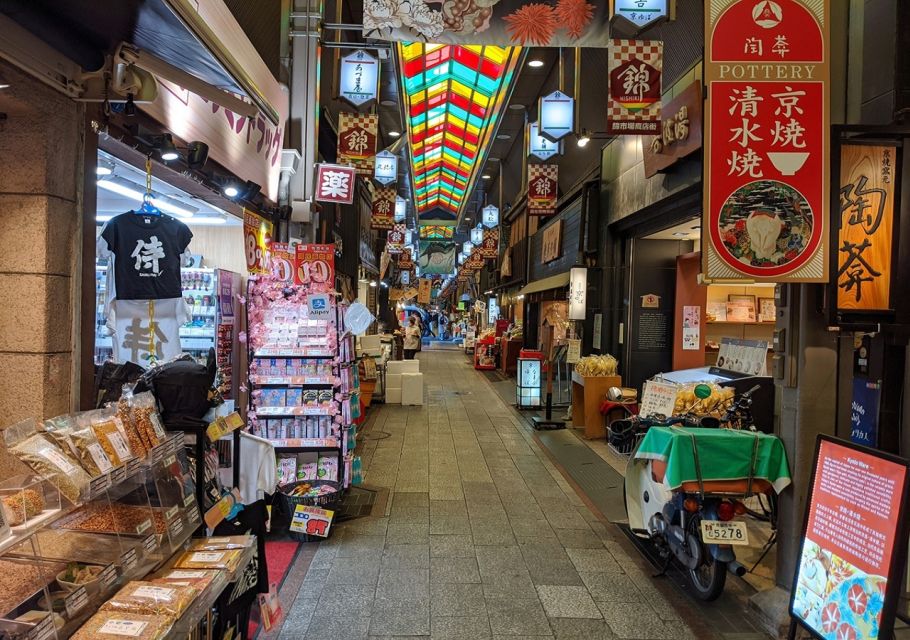
The tour is designed to stay moving without feeling rushed. You’ve got three hours total, and with a group capped at 8, the pace is manageable even in narrow aisles. Plan for standing, sampling, and short walking stretches more than long sightseeing pauses.
Here’s how the experience typically unfolds, based on what’s included and the kinds of stops described:
First, you start at the meeting point near Kawaramachi and get your bearings. The guide usually sets expectations fast: how to taste, when to ask questions, and how to think about what makes Kyoto food different from what you might expect in other parts of Japan.
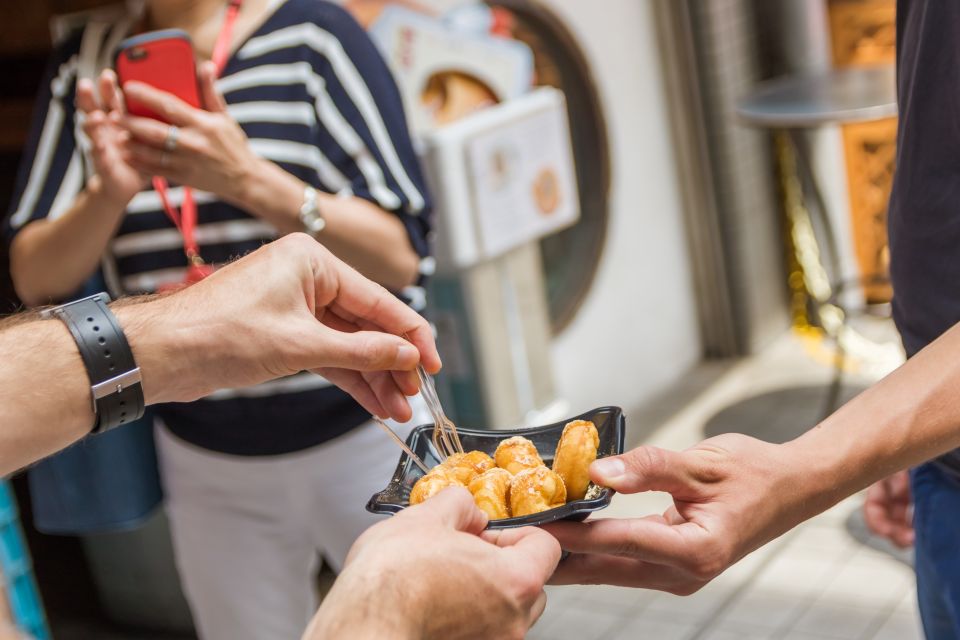
Next, you move stall to stall. The tour includes tastings at around 10 market vendors, plus Japanese tea. Expect a mix of small bites that add up. You’re not just “trying random snacks.” The sequence is meant to build a picture of Kyoto’s flavors—grilled seafood, local snack items, pickled vegetables, and sweets are all part of the typical flavor range.
Then comes the part that helps the whole day make sense: a seasonal lunch that’s included. One reason I like this structure is simple. Market snacks can be fun, but lunch turns the food experience into a meal you can remember, not just a pile of small samples.
Finally, there’s shopping time. That’s where you can buy what you liked, plus any specialty items that make sense to take home. The guide can help you choose, too—especially if you’re trying to bring back something that won’t turn into expensive packing regret.
What you’ll actually taste: seafood, snacks, pickles, sweets, and tea
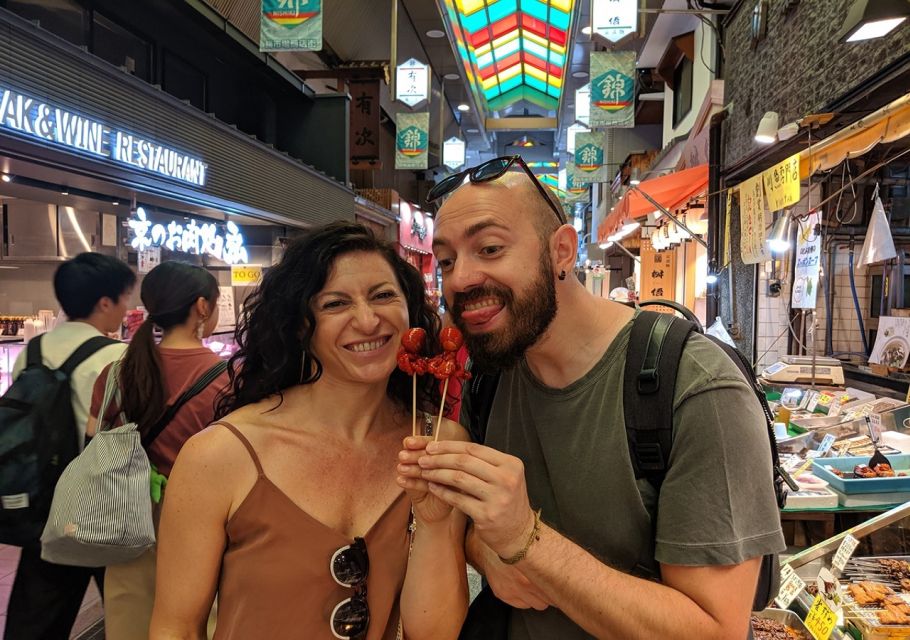
Nishiki Market has a reputation, so it’s easy to assume you’ll eat the obvious stuff and call it a day. The tour is better than that because it pushes you beyond the first impression.
Here’s the flavor lineup you should expect to see during the tour:
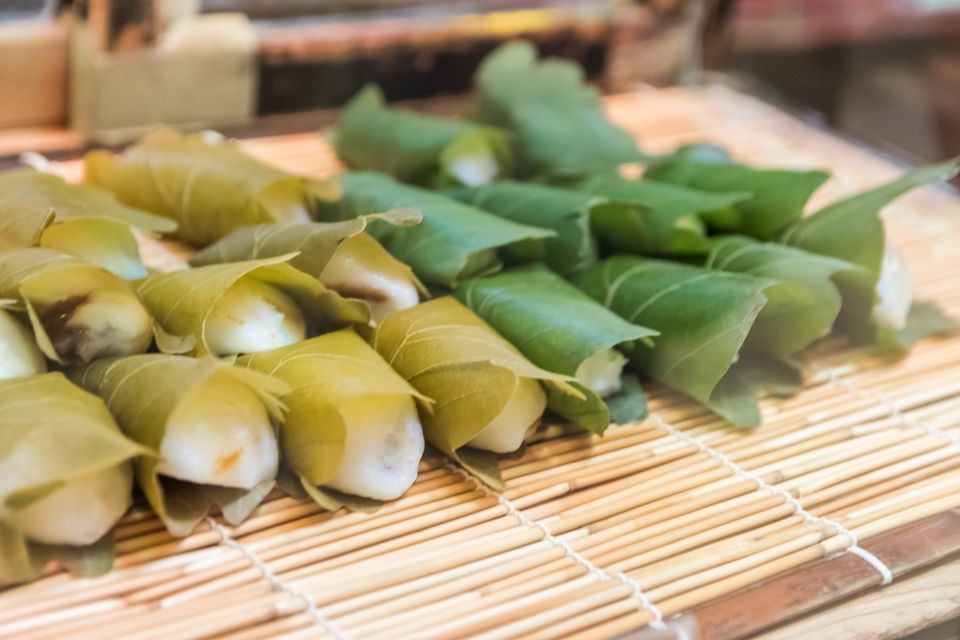
- Fresh seafood and grilled bites: The aromas from sizzling skewers and grilled seafood are part of the show. You’re not just observing—you’re sampling, with guidance on what makes each item special.
- Local snacks and seasonal items: The tour is built around what’s currently at its best. That means the menu won’t feel stuck in a single tourist script.
- Pickled vegetables: These often come with a clean, bracing bite that helps your palate reset. It also shows you how Japanese flavors balance acidity and salt.
- Specialty sweets: Kyoto has a sweet culture that isn’t only about sugar. You’ll get at least some sweet taste that connects back to local traditions.
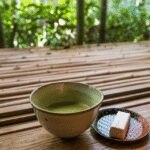
- Japanese tea included: This matters more than it sounds. Tea can make the tastings feel cohesive, especially when you’re switching between salty, grilled, and sweet items.
From the experiences shared with different guides over the years, you may also encounter items like dried bonito fish as a curiosity-level specialty. That’s the kind of taste that can change what you think you like—because it’s easy to overlook on your own.
Also note what you don’t have to worry about: you’re not left to decipher every menu. The guide helps you choose and keeps the tasting moving so you don’t end up spending most of your time stuck at the first counter that looks good.
The guide matters: why English narration changes everything
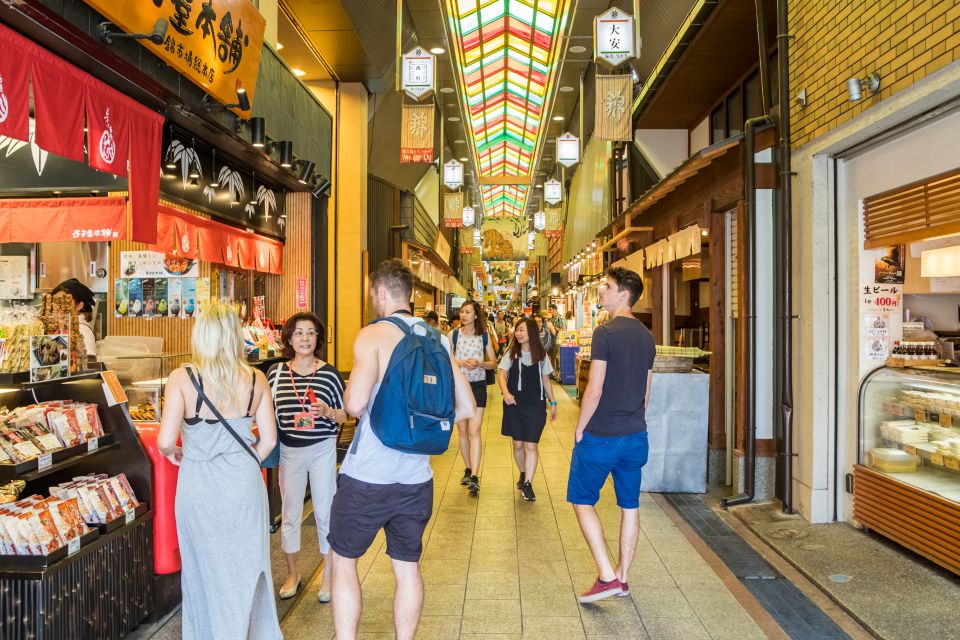
A food tour without context turns into a snack parade. This one aims for the opposite: you walk, taste, and learn just enough to make the market stop feeling random.
The strongest praise across recent experiences centers on guides being professional, warm, and genuinely helpful. People call out guides like Raquel for being polished and organized, Sanae for historical and cultural insights, and others such as Sae and Marie for making the tour feel both friendly and informative. Ida and Kohei show up as well, with comments about how well prepared they were and how smoothly they handled the flow.
What that means for you on the ground: you’ll get answers to the questions that usually pop up mid-snack. Why is this item seasonal? What’s the ingredient focus in Kyoto-style flavors? What should you taste for beyond sweetness or salt?
Your guide also helps you notice the small signals vendors use—textures, preparation methods, and packaging habits that tell you how people actually buy and eat. That’s the stuff that makes a market visit feel like real food culture instead of a list of bites to collect.
One more plus: because the group is small (up to 8), it’s easier to ask follow-ups. In a larger crowd, you’d lose that conversation time. Here, you get to actually connect dots.
Getting there: meeting point near Kawaramachi (easy once you know it)
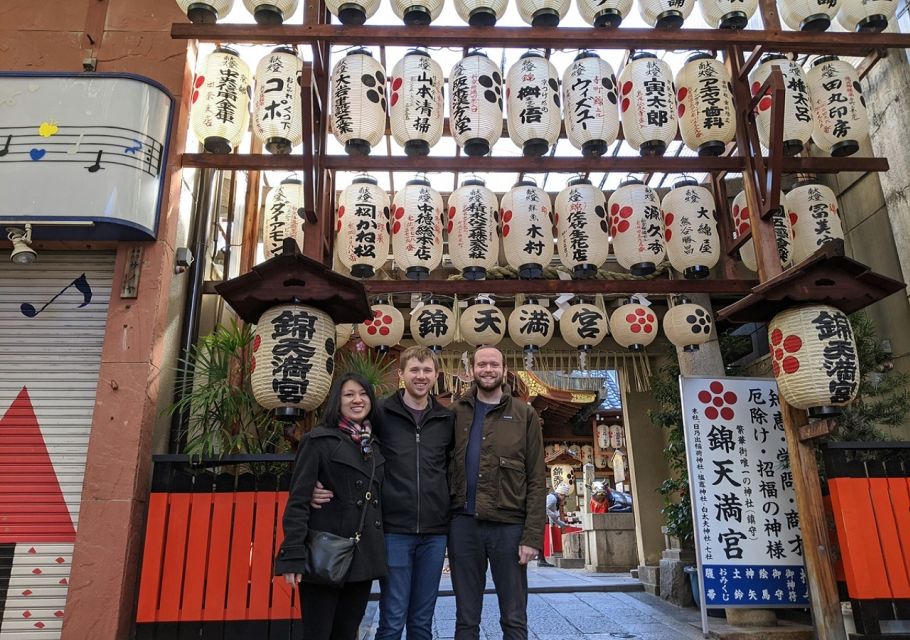
The meeting point is in front of Lacoste at Kawaramachi: Naramonochi 375, Shimogyō-ku, Kyoto (〒600-8004).
Train access is straightforward: from the Hankyu Line, get off at Kawaramachi Station and take exit 9. This is one of those details that saves time because it prevents you from arriving late and flustered.
Also keep your shoes in mind. The tour is a walking food route in a narrow market area. The simple rule is comfortable walking shoes. You’ll be standing more than sitting, and you’ll want good grip.
If you’re staying somewhere else in Kyoto, plan your timing so you can reach Kawaramachi calmly. Hotel pick-up isn’t included, though you can arrange it for an extra charge if you want the door-to-door option.
You can also read our reviews of more tours and experiences in Kyoto
Price and value: what $173 covers (and why it’s not just snacks)
At $173 per person for about 3 hours, this isn’t a budget “walk around and taste” add-on. But it also isn’t overpriced for what you actually get.
Here’s the value math in plain terms:
- Seasonal lunch included (not just small bites)
- Food tastings at around 10 vendors
- Japanese tea included
- Live English guide for context and pacing
- Shopping time so you can buy what you liked
If you tried to replicate this on your own, you’d probably spend less at first—but you’d lose the guide’s ability to steer you toward high-quality choices quickly. In a famous market, that guide speed matters. It also matters when you’re trying foods you don’t recognize.
What’s not included is also clear: gratuity, transportation costs, and additional drinks or food you might purchase beyond the tastings. So if you want extra beverages or more shopping than the included time allows, budget for that.
For me, the best way to judge the cost is this: you’re paying for a structured, guided sampling route plus lunch, not just access to the market. For most people, that’s where the value lands.
Food allergies and dietary needs: the part you shouldn’t wing
This tour can be great, but you should treat dietary needs seriously. You’re asked to inform the operator of any food allergies or dietary requirements. If you have restrictions, do it early. Don’t wait until the day of the tour.
Also remember that market food can include ingredients you might not expect. The guide can often help you choose, but they can only do their best work if they know your needs ahead of time.
If your diet is very restrictive, consider reaching out before booking so you can confirm the tastings align with your requirements. The data provided doesn’t list specific substitutions, so the safest approach is communication.
Who this is best for (and who might prefer something else)
This tour is ideal if you want a smart, guided way to experience Nishiki Market without turning your Kyoto day into a guessing game. It’s especially good for:
- First-time visitors who want to understand Japanese food patterns fast
- People who like seafood, grilled snacks, pickled flavors, and small sweets
- Anyone who enjoys chatting with a guide and asking why certain foods show up season after season
- Groups who value small-size comfort (max 8 participants)
It may be less ideal if you already feel confident navigating Nishiki on your own and only want to shop. In that case, you might prefer a self-guided market session. But if your goal is to sample widely and learn while doing it, this format is a strong fit.
Should you book the Kyoto Nishiki Market Food Tour?
If you want a guided, structured way to taste Kyoto and you like the idea of learning what you’re eating while you eat it, I’d book it. The big wins are the small-group pacing, the English guide, the tastings across roughly 10 vendors, and the included seasonal lunch plus tea.
Where you should hesitate is mostly logistics and planning. Make sure you can reach the Kawaramachi meeting point on time without hotel pick-up, and handle the passport copy requirement for participants aged 10+. If you’ve got food allergies, also plan ahead so the guide can help you choose safely.
If those boxes are checked, this is a high-value way to experience Kyoto’s Kitchen of Kyoto without spending your whole trip trying to decode what to order.
FAQ
How long is the Kyoto Nishiki Market Food Tour?
The tour runs for 3 hours.
What does the price include?
The price includes seasonal and regional lunch and food tastings at the market, visits to around 10 vendors, Japanese tea, and shopping time.
Where is the meeting point?
Meet in front of Lacoste at Kawaramachi: Naramonochi 375, Shimogyō-ku, Kyoto (〒600-8004).
How do I get there from Kawaramachi Station?
From Hankyu Kawaramachi Station, take exit 9.
How big is the group?
The tour is a small group limited to 8 participants.
Do I need to provide a passport copy?
Yes. A copy of your passport information is required for all participants aged 10 and over.
Is hotel pick-up and transportation included?
No. Hotel pick-up isn’t included (it can be arranged for an additional charge), and transportation costs are not included.