REVIEW · KYOTO
Kyoto Private 6 hour Tour: English Speaking Driver Only, No Guide
Book on Viator →Operated by Japan Guide Agency · Bookable on Viator
Kyoto is easier when you skip the transfers. This private 6-hour driver plan lets you hit major sights on your own schedule, with hotel pickup/drop-off and a car that feels like a little refuge between temples. I like the flexibility to spend more (or less) time where you care most, and I like the way the driver can reduce stress with close parking and timing. One drawback to know up front: it’s driver-only, so there’s no licensed local guide included, and you’ll want to bring questions if you want extra context.
The best part is that the day is built for real sightseeing, not just checking boxes. You pick 3–4 stops from the Kyoto “highlights” set, then your English-speaking driver handles the driving and gets you to the right areas without you wrestling buses, taxis, and lanes. If you’re traveling with kids, older parents, or anyone who tires easily, this format is often a lifesaver—especially in hot months when AC matters.
Here’s the tradeoff: some sites need tickets you’ll pay separately, and a 6-hour window means each stop is short—think quick marvel, not a slow study. Still, if you want to maximize Kyoto’s top hits while keeping the day humane, this is a very strong way to do it.
In This Review
- Key things that make this tour work
- Driver-only in Kyoto: what you gain (and what you don’t)
- Price and value: how $400.37 per group makes sense
- Your 6-hour plan: how the pacing actually feels
- Stop 1: Kiyomizu-dera and the UNESCO setting (plus ticket timing)
- Stop 2: Gion streets and Tatsumi Bridge vibes on foot
- Stop 3: Kinkaku-ji (Rokuon-ji) and the quick hit effect
- Stop 4: Tenryu-ji for a calmer Zen break (and a shorter visit)
- Stop 5: Fushimi Inari-taisha and pacing the torii gates
- Stop 6: Arashiyama Bamboo Grove and managing crowd energy
- Comfort and real-life logistics: where private beats public
- Customizing your stops without breaking the day
- Who should book this Kyoto private driver tour?
- Should you book it?
- FAQ
- Is a licensed local English-speaking guide included?
- How many people can ride in the private vehicle?
- Are entrance fees included for the temples and shrines?
- Do you get hotel pickup and drop-off?
- What sites are typically included in this 6-hour plan?
- Can I cancel for free?
Key things that make this tour work
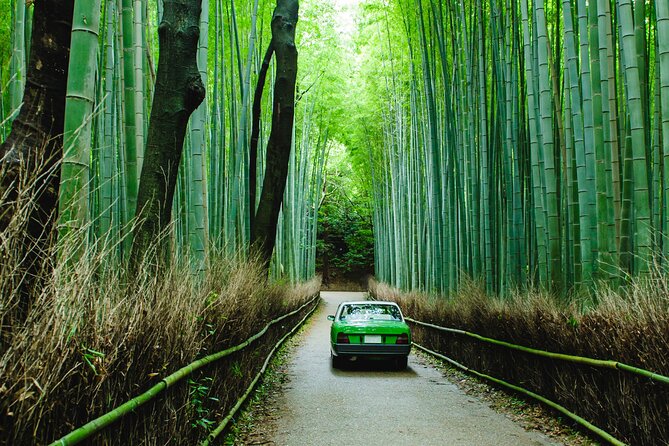
- Private vehicle for up to 3 people means Kyoto stays calm while you move between far-apart districts
- English-speaking driver handles timing and navigation, including close parking when possible
- Customizable 3–4 stops lets you shape the day around your interests
- A set highlight route covers classic Kyoto icons like Kiyomizu-dera, Gion, Kinkaku-ji, Fushimi Inari, and Arashiyama
- Driver flexibility can help with pacing for mobility needs and heat breaks
Driver-only in Kyoto: what you gain (and what you don’t)
This tour is built around one idea: you don’t need more logistics, you need less. With a private vehicle and hotel pickup, you avoid the two biggest Kyoto pain points—long rides between sights and the stress of figuring out where to get on and off transit.
The other big thing you gain is time with your group. You’re paying for a dedicated car, not sharing it with strangers, so you can slow down at Gion, speed through a stop, or adjust on the fly if the crowd level feels wrong. Several drivers mentioned in past experiences—like Harry, Takashi, Nobu-san, Yutaka, Hiro, Sachi, and Mr. Fuji—were praised for keeping the day moving smoothly and parking as close as they could.
Now for the limitation: there is no licensed local guide included. That doesn’t mean your driver won’t share context. Many English-speaking drivers do explain what you’re seeing at stops. But if you want deep, formal, guide-style narration, you’ll need to bring questions and expect it to be flexible rather than structured.
You can also read our reviews of more guided tours in Kyoto
Price and value: how $400.37 per group makes sense
The price is listed as $400.37 per vehicle/group for up to 3 people. That means the real cost depends on how many of you ride. For two or three people, private touring starts to feel reasonable because you’re effectively buying back your time and eliminating transit friction.
Here’s how I’d frame the value:
- You’re paying for a 6-hour transportation solution in one of Japan’s most complicated cities to navigate.
- You’re also buying relief from the “where do we go next?” problem, which is often the hidden cost of group travel.
- You’ll still pay separate entrance tickets at several major stops, but the driver-only format keeps costs controlled compared with a full guided package.
If you’re traveling solo or as a couple and you’re not confident you can handle Kyoto navigation, this still can be worth it. You’re not just buying a car; you’re buying a low-stress day.
Your 6-hour plan: how the pacing actually feels
A typical full day like this is designed for quick hits. You’ll start with Kiyomizu-dera, move through classic central Kyoto with Gion and Kinkaku-ji, then shift toward the south/west with Tenryu-ji, Fushimi Inari-taisha, and Arashiyama.
Each stop is capped around an hour or less. That’s intentional. Kyoto’s famous places are famous for a reason, and they also come with crowds and lines. This tour’s goal is to get you in the right areas quickly and then let you enjoy what matters most within a time box.
A good way to think about it: you’re not trying to “master” Kyoto. You’re trying to leave with the strong memories—architecture, atmosphere, and views—without ending the day exhausted.
Stop 1: Kiyomizu-dera and the UNESCO setting (plus ticket timing)
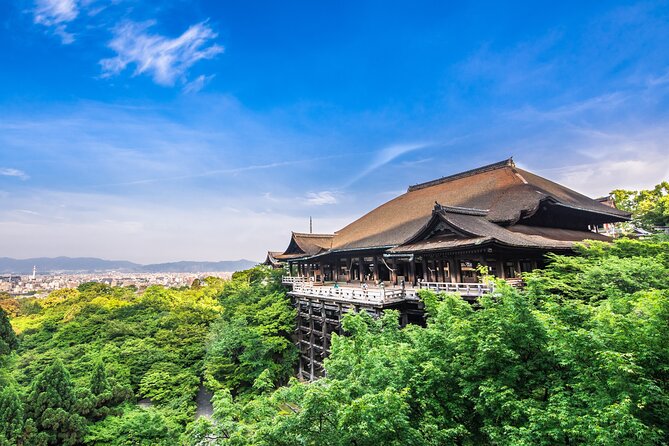
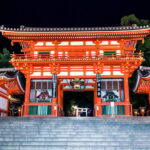
Kiyomizu-dera is one of eastern Kyoto’s signature temples, and it’s part of the Historic Monuments of Ancient Kyoto UNESCO World Heritage site. The experience centers on temple views and the dramatic sense of place—especially around the main complex where people naturally slow down and look for photo angles.
You get about 1 hour, and entrance fees are not included. That means you should budget both time and money before you go inside. If you want to photograph calmly, arrive with a mindset of short bursts: snap a few key views, then step back and watch how the crowd flows.
Possible drawback: because this is a major icon, the busiest periods can make the “one hour” feel tighter. Your best move is to ask your driver to park as close as possible and then start your temple walk immediately rather than spending your first minutes deciding where to go.
Stop 2: Gion streets and Tatsumi Bridge vibes on foot
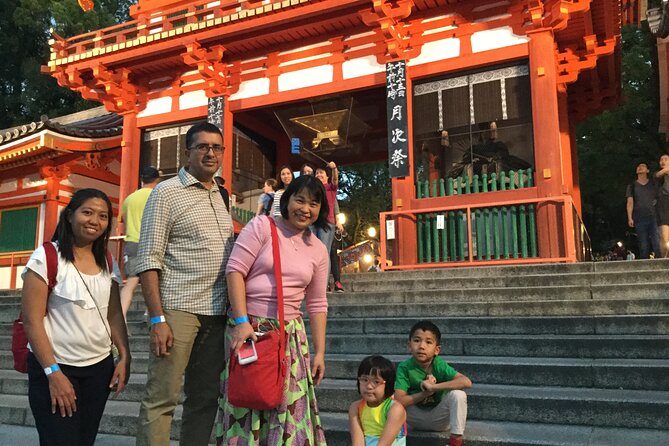
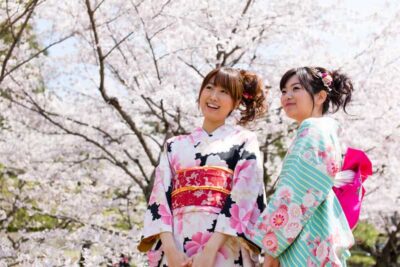
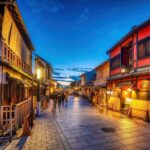
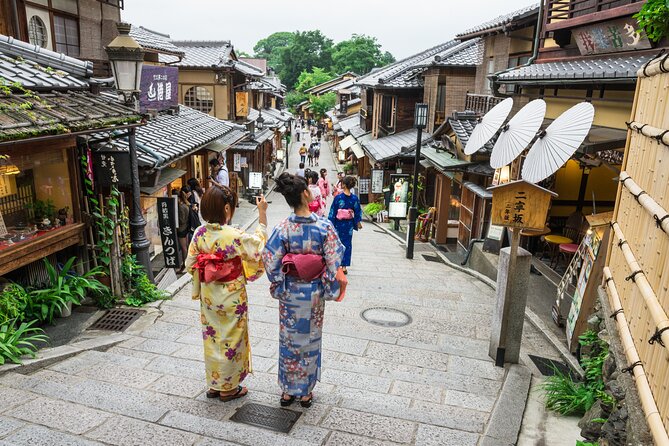
Gion is Kyoto’s best-known geisha district area. You’ll see the mix of old-street atmosphere, upscale boutiques, and the kind of locations where people gather to spot traditional culture in the real world. The key visual points here are Hanamikoji Street and the area around Tatsumi Bridge, which is often referenced as a photo-friendly spot.
This stop is about 1 hour and doesn’t include admission fees. That’s good because you can spend your time simply walking, browsing, and looking rather than lining up for tickets.
My practical advice: treat Gion like a strolling zone, not a checklist. If you rush, you miss what makes it feel Kyoto. If you slow down, you’ll notice details—wooden lanes, storefront signs, and the way the neighborhood changes block by block.
You can also read our reviews of more private tours in Kyoto
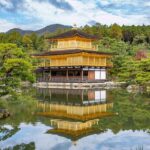
Stop 3: Kinkaku-ji (Rokuon-ji) and the quick hit effect
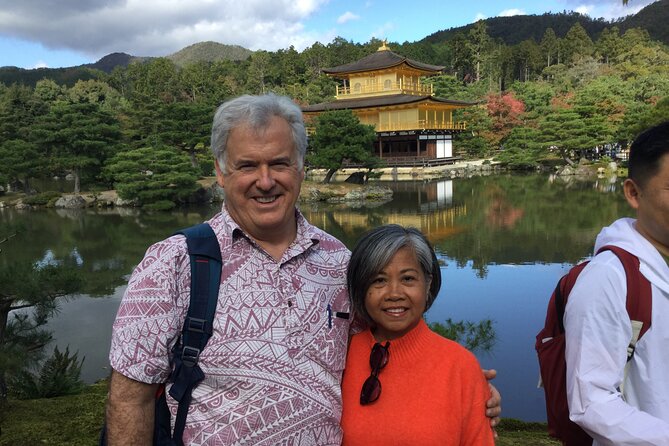
Kinkaku-ji, officially called Rokuon-ji, is the Zen temple people come to see for the famous look everyone recognizes. Expect a concentrated experience: you’ll want to see the structure from a few angles, then keep moving so you don’t get stuck in the heaviest crowd pocket.
This stop is also about 1 hour, and entrance fees are not included. So again: plan for extra cost and keep an eye on the time spent at entrances.
One thing I like about this stop in a private-car day is that you’re less likely to lose time searching for parking and transit exits. Several drivers in past experiences were praised for close parking and smart routing, which helps a lot when you only have one hour here.
Stop 4: Tenryu-ji for a calmer Zen break (and a shorter visit)
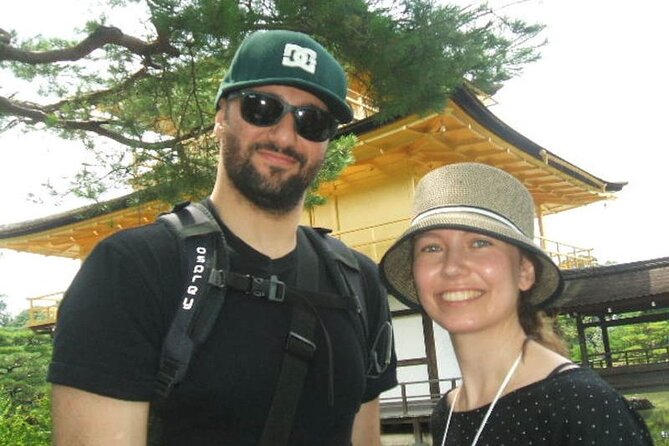
Next comes Tenryu-ji, known as a head temple of the Tenryu-ji branch of the Rinzai sect of Zen Buddhism. You’ll get about 40 minutes, which is short, but it can work if you have the right mindset: come for atmosphere and key views, not a full deep dive.
Entrance fees are not included, so treat this as your “quick Zen reset.” If you’re tired from walking earlier stops, this short timing can feel perfect—enough time to feel the place without turning the day into a marathon.
Possible consideration: because it’s shorter, you’ll want to move with purpose. Spend the first few minutes orienting yourself, then commit to the main areas you want to see. Don’t let hesitation chew up your time.
Stop 5: Fushimi Inari-taisha and pacing the torii gates
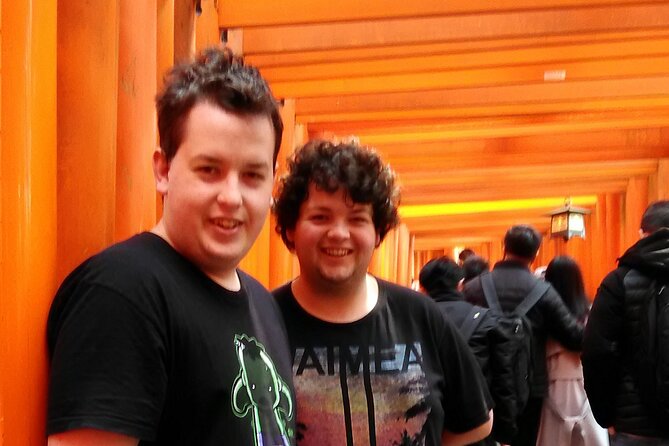
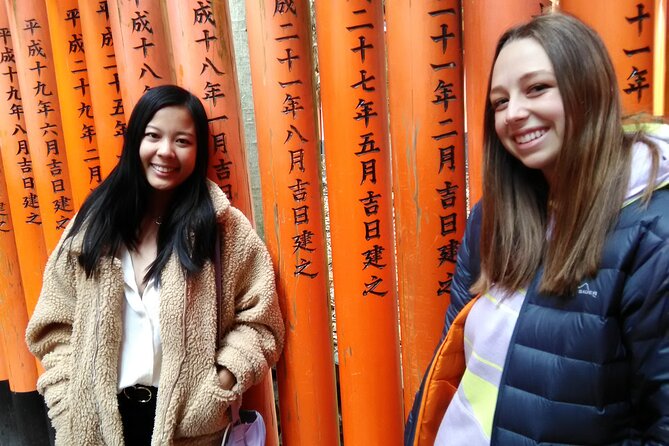
Fushimi Inari-taisha is one of Kyoto’s most distinctive shrines. The main headline is the thousands of vermilion torii gates that lead into a network of trails behind the main shrine area.
This stop is about 1 hour, and admission fees are listed as free. That’s helpful because the experience is mostly walking through the gate corridors and exploring the shrine paths rather than paying to enter a museum-like space.
My strong pacing advice: if the crowd density is high, don’t try to “do it all.” Choose a comfortable trail length, enjoy the torii rhythm, then turn around before you get annoyed. You’ll see more with a calm plan than with a forced push to the farthest point.
Stop 6: Arashiyama Bamboo Grove and managing crowd energy
Arashiyama is famous for the bamboo grove, and yes, it really can feel like you stepped into another mood. It’s dramatic: tall stalks, a tunnel effect, and that quiet visual repetition that makes photos look good even when you’re not trying too hard.
You get about 1 hour, and admission fees are listed as free. That means your time is all about where you stand, how long you linger, and whether you want to walk beyond the most crowded core.
Practical move: arrive expecting people. Then focus on timing within your hour—spend a little time for overview shots, then find a calmer spot and slow down. The driver’s job here is mainly positioning you well at the start so you can use your hour wisely.
Comfort and real-life logistics: where private beats public
A private car in Kyoto does more than save your legs. It saves your decision fatigue. You don’t have to map bus routes while also reading signs in another language, and you don’t have to time transfers between areas that can feel far apart.
This tour specifically lists hotel pickup and drop-off and a private air-conditioned vehicle, which is huge if you’re visiting in warm or humid weather. In one past experience, the AC was described as a life-saver on a hot June morning, and that matches what I’ve seen over and over in Japan—heat turns “easy walking” into “why did I do that.”
Another small but real win from past driver experiences: close parking where possible, plus pacing that accounts for mobility needs. If you’re traveling with older family members, a wheelchair, or kids, that matters more than people think. One driver helped with getting as close as possible to entrances and even brought a handicap placard for parking support—details like that can make or break a day.
Customizing your stops without breaking the day
This experience isn’t locked into only one script. You can choose a customizable tour of 3–4 sites from the highlight set. That flexibility is what makes a private driver smarter than a fixed group tour.
Here’s how I’d customize based on your travel style:
- If you love temples and classic architecture, keep Kiyomizu-dera and Kinkaku-ji and swap the shorter stop depending on your pace.
- If you care about atmosphere and streets, prioritize Gion and keep a single major temple stop rather than trying to do every icon.
- If you’re photo-focused, consider which places give you multiple angles within short walking time—Fushimi Inari’s torii corridors often win for variety.
The key is to protect your energy. With only 6 hours total, adding more stops isn’t always better. Pick fewer, see them well.
Who should book this Kyoto private driver tour?
This is a great fit if you want a top-sights day without spending half the day commuting. It also works well if:
- you’re visiting Kyoto for the first time and want the “greatest hits” in one day
- you’re traveling with mixed mobility levels (kids plus grandparents, for example)
- you value comfort between stops, especially in warmer weather
- you’d rather spend your energy on temples and streets than on transportation planning
It’s less ideal if you want a tightly structured, licensed guide experience every minute. Since it’s driver-only, you’ll get driving and coordination first, and you may or may not get formal, guide-style narration at every stop.
Should you book it?
If you’re trying to fit Kyoto’s key highlights into a limited schedule, I’d say yes, book this style of tour. The biggest payoff is stress reduction: hotel pickup, private AC comfort, and a driver who helps you make the most of a short window.
The decision gets easier if you’re going as a pair or small group of up to three, because the per-vehicle price stretches farther. For solo travelers, it can still be a smart choice if you really want to avoid the navigation and transfer hassle.
Just go in with the right expectations: buy or budget for entrance fees at major sites, plan for shorter visits, and use your driver as your coordination partner. When you do, you can end the day feeling you saw Kyoto’s essentials—without feeling you survived it.
FAQ
Is a licensed local English-speaking guide included?
No. This experience includes an English-speaking driver, but it does not include a licensed local English-speaking guide.
How many people can ride in the private vehicle?
The price is for up to 3 people per group/vehicle.
Are entrance fees included for the temples and shrines?
Entrance fees are not included. Some stops are listed as free, while others (like major temples) require tickets that you’ll pay separately.
Do you get hotel pickup and drop-off?
Yes. Hotel pickup and drop-off in Kyoto are included.
What sites are typically included in this 6-hour plan?
A typical day includes Kiyomizu-dera, Gion, Kinkaku-ji, Tenryu-ji, Fushimi Inari-taisha, and Arashiyama, with options to customize the exact 3–4 sites chosen.
Can I cancel for free?
Yes. You can cancel for free up to 24 hours in advance for a full refund.