REVIEW · KYOTO
Kyoto: Zen Meditation at a Private Temple with a Monk
Book on Viator →Operated by Travel Japan Together · Bookable on Viator
Zen in Kyoto beats the usual sightseeing. This 1.5-hour session trades crowds for private temple access and monk-led Zen meditation tips, finished with matcha tea and traditional snacks. I especially like how the monk focuses on practical basics (like how to sit properly) and how the setting feels calm in a way that big-name temples often don’t. One thing to consider: you’ll be sitting and staying still for the session, so if that’s uncomfortable for you, plan accordingly.
The experience runs with a small max group size of 9, and it’s centered on etiquette and technique, not performance. That matters, because it turns meditation into something you can actually take home and repeat at a quieter pace.
In This Review
- Key highlights you’ll care about
- Private Zen at a temple usually closed to the public
- Kodaiji Park meeting to Nene-no-michi: how the timing feels
- What you do during the monk-led meditation session
- Step one: settle in and learn the foundation
- Step two: try meditation in the temple setting
- Step three: carry the lesson forward
- Matcha tea and traditional snacks: why the food is part of the lesson
- Price and group size: is $98.83 good value?
- Who this Kyoto Zen tour suits best
- How to get the most from your meditation lesson
- Should you book Kyoto Zen Meditation with a monk?
- FAQ
- FAQ
- How long is the Kyoto Zen Meditation tour?
- What is the price per person?
- Where do I meet for the tour?
- Where does the tour end?
- How many people are in the group?
- Is there a mobile ticket?
- Do I get matcha tea and snacks?
- When do I receive confirmation?
- What is the cancellation policy?
Key highlights you’ll care about
- Monk-led instruction focused on Zen principles, not just quiet sitting
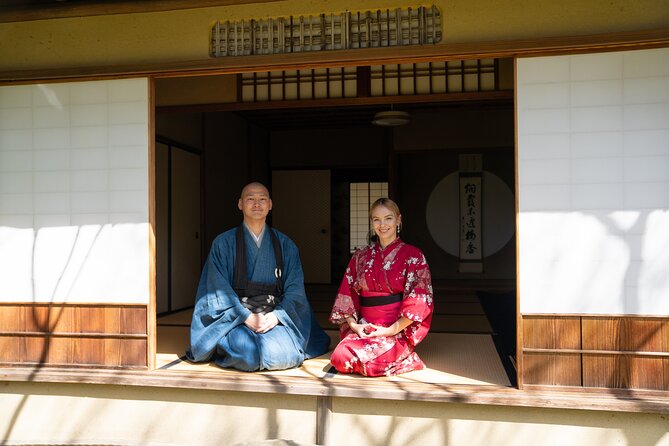
- Private temple setting typically closed to the public near Kodaiji Park
- Small group size (up to 9) for a more personal pace
- Matcha tea and traditional snacks included after the practice
- A practical reset for your body with tips for sitting upright correctly
Private Zen at a temple usually closed to the public
Kyoto can make you feel like you’re constantly in line: gates, shrines, photo spots, then more lines. This experience flips that rhythm. You start from Kodaiji Park and head to a nearby temple that is typically not open to the public, which instantly changes the mood. Instead of walking through a show, you’re practicing in a space that feels like it belongs to everyday temple life.
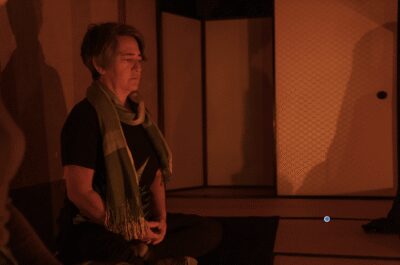
The best part is that you’re not thrown into silence and told to figure it out. A monk leads the session and shares core principles of Zen meditation in a way that’s meant to be usable. One review nailed it: the practice includes practical guidance on posture and sitting correctly. If you’ve ever tried meditating and felt like you were mostly fighting your own body, this kind of instruction is gold. You leave with clearer habits, not just a nice memory.
Also, the group is small. With a maximum of 9 people, the atmosphere stays quiet and respectful. You’re less likely to feel like a tourist in the way, and more likely to feel like you’re learning a ritual.
You can also read our reviews of more private tours in Kyoto
Kodaiji Park meeting to Nene-no-michi: how the timing feels
Your meeting point is Kodaiji Park (463-28 Shimokawarachō, Higashiyama Ward, Kyoto). From there, the tour leads you to the hidden temple close by. You’ll finish at Nene-no-michi in Shimokawarachō.
That location setup matters. Kodaiji Park is already a familiar Kyoto anchor for many visitors, so you’re not hunting in far-out neighborhoods. And finishing at Nene-no-michi means you’re not stuck back at the park gate. In practice, it can work nicely as a break in your day—do it mid-morning or mid-afternoon when you want to drop your speed.
Duration is about 1 hour 30 minutes. That’s a sweet spot for first-timers. Long enough to learn posture basics and settle into a rhythm, short enough that you’re not trapped for half your sightseeing day. If you’re the type who needs structure, the time window helps: you’ll know you’re doing a contained session, then you’ll move on.
What you do during the monk-led meditation session
This tour is simple in outline, but the details are where it feels worth it.
Step one: settle in and learn the foundation
You’ll begin with an introduction from the monk. The focus is Zen meditation principles and how to approach practice respectfully. Several reviews highlight that the monk’s guidance is both genuine and insightful, which is exactly what you want here. Kyoto temples are serious places. A good teacher helps you meet that seriousness in the right way—without making it feel stiff or unwelcoming.
A standout detail from the reviews: you might not expect to be taught how to sit upright correctly, but that’s part of the value. The posture tips can sound small, but they change everything. If your spine collapses or your balance feels off, your brain gets distracted. Better posture creates a calmer base for attention.
Step two: try meditation in the temple setting
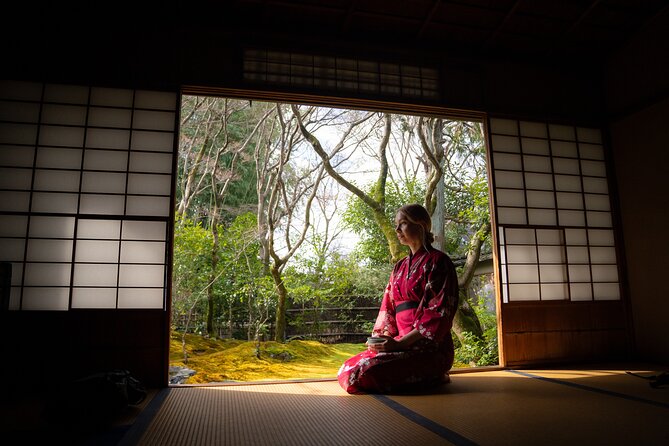
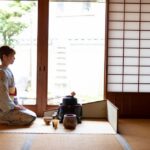
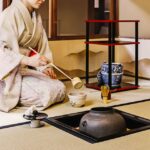
After the introduction, you get time to actually meditate in the serene temple atmosphere. This is the moment where the private access matters. When a temple is usually closed to the public, the space tends to feel less interrupted, more respectful, and more naturally quiet. That helps beginners. You’re not fighting the noise of the typical tourist flow.
Expect that the monk may provide guidance during the session, and the translation is important too. Reviews praise the translation and the education level, which suggests this tour is designed for people who want to understand what they’re doing, not just follow instructions.
Step three: carry the lesson forward
Even if you only do meditation occasionally, this type of instruction gives you a repeatable checklist: sit upright, breathe steadily, and treat practice like a skill. One review mentioned that a metaphor helped connect the practice to real life. That’s the kind of teaching you want if you’re leaving Kyoto and wondering what to do on day two at home.
Matcha tea and traditional snacks: why the food is part of the lesson
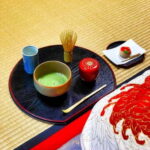
The session doesn’t end on an empty note. You get matcha tea and traditional snacks as part of the experience.
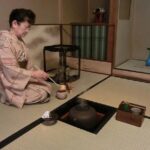
This might sound like a standard add-on, but it’s more functional than it seems. The tea break is a gentle landing. After you’ve sat still and focused, you’re back on your feet with something calming and familiar in form. Matcha is also deeply tied to Japanese culture, so it fits the tone of the day: quiet, careful, and a little ceremonial.
Traditional snacks work the same way: they help you transition out of meditation mode without turning it into a rush to find food afterward. If you’re planning your day around temples, that matters. You won’t spend your post-session time asking, What’s open? and Where can I eat quickly?
Price and group size: is $98.83 good value?
At $98.83 per person, this isn’t the cheapest way to experience Zen in Kyoto. But value isn’t only about price—it’s about what you’re buying.
Here’s what you’re paying for:
- Private temple access that’s typically closed to the public
- A monk-led session with a teaching component, not just a sit-and-watch
- Small group size capped at 9, which helps keep the experience personal
- Included matcha tea and traditional snacks
If you compare this to a DIY approach, you could absolutely find free quiet corners and attempt meditation on your own. But DIY misses the core teaching: posture and Zen principles explained in a clear way, plus a setting that supports it.
I think the cost makes sense if you’re a beginner or if you want real instruction. If you already meditate regularly and just want a quiet spot, you might find it pricey for the 1.5-hour window. Still, private access plus a structured teaching session is a strong combo.
Who this Kyoto Zen tour suits best
This experience fits best if you want Kyoto to feel meaningful, not just photographed.
You’ll likely enjoy it if:
- You’re curious about Zen but don’t know where to start
- You want a monk’s perspective on practice and culture
- You prefer small groups (this one maxes at 9)
- You’d rather learn technique than wander from temple to temple
You might reconsider if:
- You have limited tolerance for sitting still for an hour-plus
- You’re seeking a high-energy, sightseeing-heavy day (this is calm, slow, and respectful)
- You need lots of walking and active exploration during a tour window
One thing I’d point out from the reviews: the overall tone seems both accessible and authentic. The combination of a private temple, clear guidance, and translation support makes it less intimidating than it might sound.
How to get the most from your meditation lesson
You can’t control the temple atmosphere, but you can control your readiness. Here are practical tips that fit the spirit of what the monk is teaching:
- Arrive ready to sit. If you need stretches, do them before the session starts.
- Keep expectations grounded. This is practice time, not a spectacle.
- Listen for posture cues. The reviews specifically call out learning how to sit upright correctly—take that seriously.
- Treat it like a class. Even though it’s quiet, it’s still instruction. Ask yourself: What habit am I building today?
If you do those things, you’ll leave with more than calm photos in your camera. You’ll leave with an approach you can repeat.
Should you book Kyoto Zen Meditation with a monk?
Book it if you want a genuine, structured introduction to Zen meditation in a private temple setting, with a monk’s guidance and included matcha tea and snacks. The small group size and practical instruction are the reasons it earns high marks.
Skip or think twice if you strongly prefer active sightseeing or you know sitting still for 90 minutes won’t work for your body. For everyone else, this is one of those Kyoto experiences that actually changes how you think about meditation after the day ends.
FAQ
FAQ
How long is the Kyoto Zen Meditation tour?
It lasts about 1 hour 30 minutes (approx.).
What is the price per person?
The price is $98.83 per person.
Where do I meet for the tour?
You meet at Kodaiji Park, 463-28 Shimokawarachō, Higashiyama Ward, Kyoto, 605-0825, Japan.
Where does the tour end?
The tour finishes in Nene-no-michi, Shimokawarachō, Higashiyama Ward, Kyoto, Japan.
How many people are in the group?
The maximum group size is 9 travelers.
Is there a mobile ticket?
Yes, the tour uses a mobile ticket.
Do I get matcha tea and snacks?
Yes. You’ll enjoy matcha tea and traditional snacks as part of the experience.
When do I receive confirmation?
Confirmation will be received at the time of booking.
What is the cancellation policy?
Free cancellation is available. You can cancel up to 24 hours in advance for a full refund, with cut-off based on local experience time.