REVIEW · KYOTO
Gion at Night: Secrets and Legends of the Geishas
Book on GetYourGuide →Operated by Japandas · Bookable on GetYourGuide
Geisha legends feel different after dark. This Gion at Night walk is built for that moment: a small-group Kyoto evening stroll where the guide’s stories put faces, roles, and rituals behind the lantern light. I like that it keeps you moving through the neighborhood’s most recognizable scenes without turning the whole experience into a giant crowd-watching contest.
I also like the human touch here. The tour is led in Spanish by an expert who can explain what you’re seeing in plain language, and one guide named Simé stood out for clear storytelling and keeping the group together. The main drawback to think about is that it may still feel busy in Gion at night, and you should confirm you know what you’re paying for before you arrive, since one guest reported confusion about a free-tour expectation.
In This Review
- Key Things That Make This Gion Night Tour Worth Your Time
- A Night Walk in Gion That Doesn’t Feel Like a Stampede
- Starting at Minamiza Theater: The Neighborhood’s Cultural Mood Setter
- Tatsumi Bridge After Dark: A Famous View With Better Stories
- Hanamikoji Street: Tea Houses, Geisha Lore, and How to Observe Respectfully
- Walking Through Gion: The Real Neighborhood Feel
- Gion Corner at the End: Traditional Performance Culture, Without the Tickets
- Yasaka Shrine Lit Up: Why the Quiet Finish Changes the Night
- The Guide Is the Product: Spanish Storytelling From Simé
- Price and Value: What You Pay for, and What You Still Need to Budget
- Logistics That Affect Your Experience (Meeting Point and Timing)
- Who Should Book This Gion at Night Walk?
- Should You Book This Tour or Skip It?
- FAQ
- FAQ
- Where does the tour start?
- How long is the Gion at Night tour?
- What language is the guide?
- What’s the maximum group size?
- Is the tour wheelchair accessible?
- Is food or drinks included?
- Are show tickets included at Gion Corner or any private tea houses?
- Does the tour price include local taxes and fees?
- Is free cancellation available?
Key Things That Make This Gion Night Tour Worth Your Time
- Small group (max 15 travelers) for easier pacing and questions as you walk
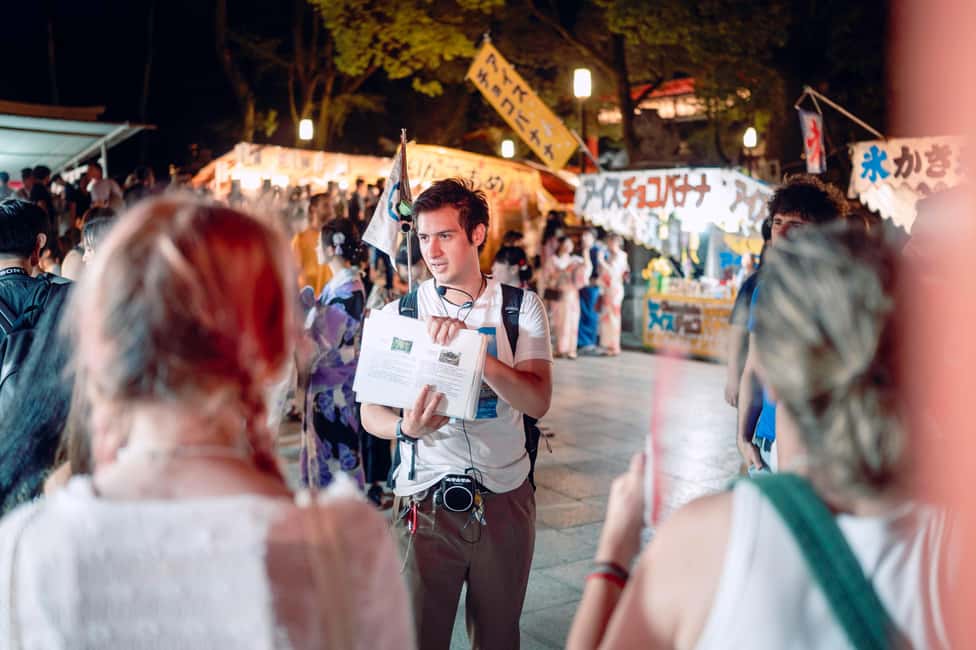
- Spanish guide with story-driven local context, including geisha culture explained in an accessible way
- Iconic photo stops like Tatsumi Bridge and Hanamikoji Street, done at night
- Minamiza Theater start and a traditional culture stop at Gion Corner
- A calm finish near Yasaka Shrine, when the lights are on and the pace slows
A Night Walk in Gion That Doesn’t Feel Like a Stampede
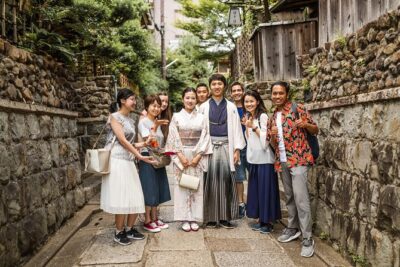
Gion is famous, and at night it can still feel like everyone has the same idea: come for the lanterns, the alleys, the geisha lore. What I like about this tour is the structure aimed at control. It runs 150 minutes at a pace that supports conversation, not just marching. And with up to 15 people, you’re less likely to get swallowed by a wall of shoulders at every corner.
The “away from the crowds” promise matters most for how you experience the streets. In Gion, a lot of the magic is in what you notice when you’re not forced to crane your neck. You get time to look at details like signage, storefront rhythms, and the way lanes open and narrow as you move between viewpoints.
That said, one guest noted it was more crowded than expected. So if you’re someone who needs quiet corners and zero foot traffic, go in with a realistic mindset: Gion is still Gion. Your best bet is to show up ready to walk and accept that “less crowded” is relative.
You can also read our reviews of more evening experiences in Kyoto

Starting at Minamiza Theater: The Neighborhood’s Cultural Mood Setter
Your tour kicks off at Minamiza Theater (Kyōto Minami-za). You’ll get a short guided moment there, about 10 minutes, which sets the tone for the rest of the walk. Even if you don’t plan to watch a performance, starting at a theater spot helps you understand why Gion is more than “pretty streets.” It’s a place where traditional entertainment is part of the local fabric.
This matters because later you’ll hear references to traditional arts and performance spaces. Starting with Minamiza gives you a “context hook” so the stories land faster when you move to places like Gion Corner near the end. Think of it as the tour’s orientation, done early while everyone is still together.
Tatsumi Bridge After Dark: A Famous View With Better Stories
Next up is Tatsumi Bridge, another 10-minute stop. It’s one of those Kyoto scenes people recognize instantly, and the bridge is a classic because the surroundings frame the view so well. At night, the lighting shifts the mood. Instead of daytime clarity, you get softer edges and a more atmospheric feel.
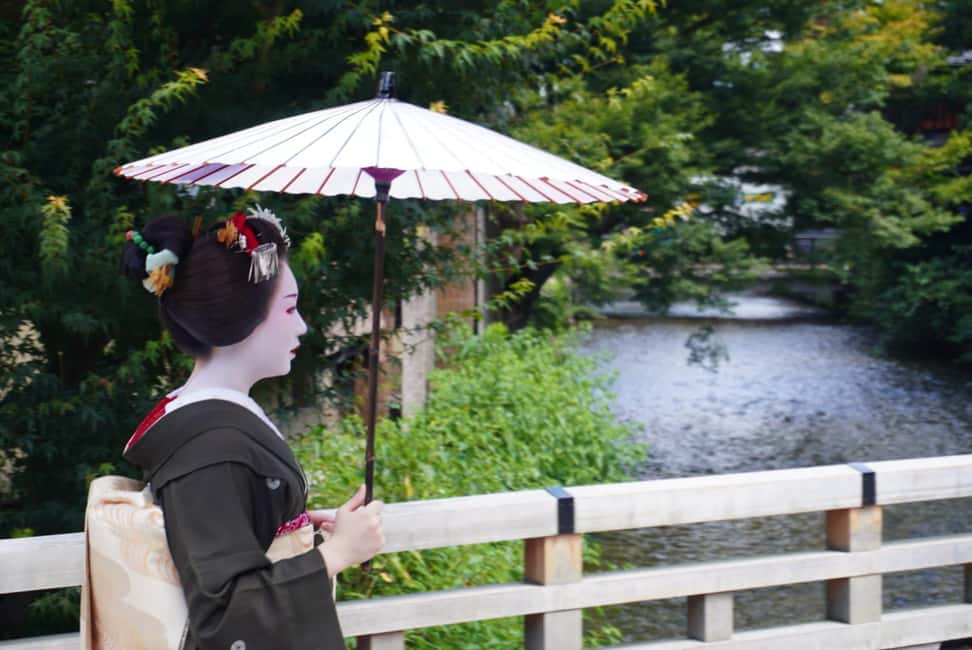
What makes this stop more than a quick photo is what the guide is working toward: tying what you see to the role of geisha culture and the everyday traditions that brought people to these corners long before modern tourists arrived. If you like your sightseeing with meaning, this is where you start feeling the “legend layer” come on.
One practical consideration: if your goal is photos without other people in frame, you’ll have a tougher time at a landmark like this. Your advantage comes from the timing and group size—less time waiting, fewer bodies to dodge.
Hanamikoji Street: Tea Houses, Geisha Lore, and How to Observe Respectfully
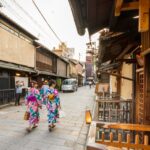
You’ll spend about 10 minutes on Hanamikoji Street, one of Gion’s most iconic lanes. The big draw is obvious: tea houses and the stories tied to geisha who still move through these streets. But the real value of a guided stop here is learning how to look.
Hanamikoji is not just a “background.” It’s a street where history repeats in small ways: signage style, frontage rhythm, and the way lanes guide your eye toward bridges, shrines, and nearby neighborhoods. A good guide keeps it grounded—what’s symbolic, what’s practical, and what you might be seeing versus what people assume they’re seeing.
Also, this is one of those places where manners matter. If you’re photographing, keep it respectful and don’t block paths. If someone appears to be doing their business, treat it like you would anywhere else you encounter privacy.
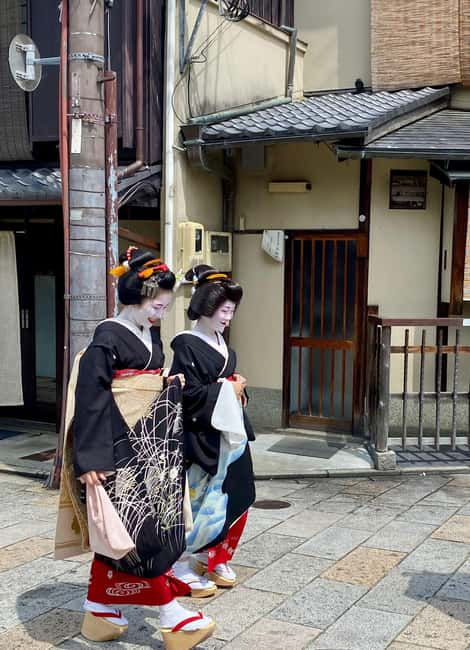
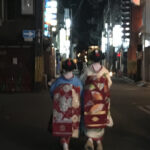
And there’s a fun note from the experience details: the tour was enjoyed partly because the group saw geishas in a taxi. You never control what you’ll spot, but being out at the right hours—and moving intelligently—can improve your chances.
Walking Through Gion: The Real Neighborhood Feel
After Hanamikoji, you move through Gion itself. The guided time here is listed as another 10-minute segment, which might sound brief until you remember the goal: not to lecture you, but to connect the dots between places. This short stretch is where the neighborhood “clicks” into something coherent.
Gion can feel like a set of postcards unless you’re guided. With this tour, you’re getting a narrative thread that helps you interpret what’s around you: why certain spaces matter, how traditions shaped the streetscape, and what legends are really referring to.
If you like learning without getting trapped in a museum-style format, that’s the sweet spot. It’s a walk that reads like a story map.




Gion Corner at the End: Traditional Performance Culture, Without the Tickets
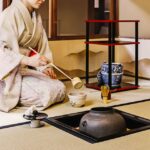
The route concludes at Gion Corner. The experience description frames Gion Corner as a place where traditional shows are held. Here’s the key practical point: tickets to shows or private tea houses are not included.
So plan your expectations accordingly. You may be able to see the venue and take in the atmosphere, but you’re not paying this $21 tour price to guarantee entry to a specific performance. If you want a show ticket as part of your night, you’ll need to arrange that separately.
Still, ending here makes sense. You start with a theater-related landmark (Minamiza), move through streets tied to the daily movement and culture, and then finish at a performance venue area. That arc helps the evening feel like one experience instead of disconnected stops.
Yasaka Shrine Lit Up: Why the Quiet Finish Changes the Night
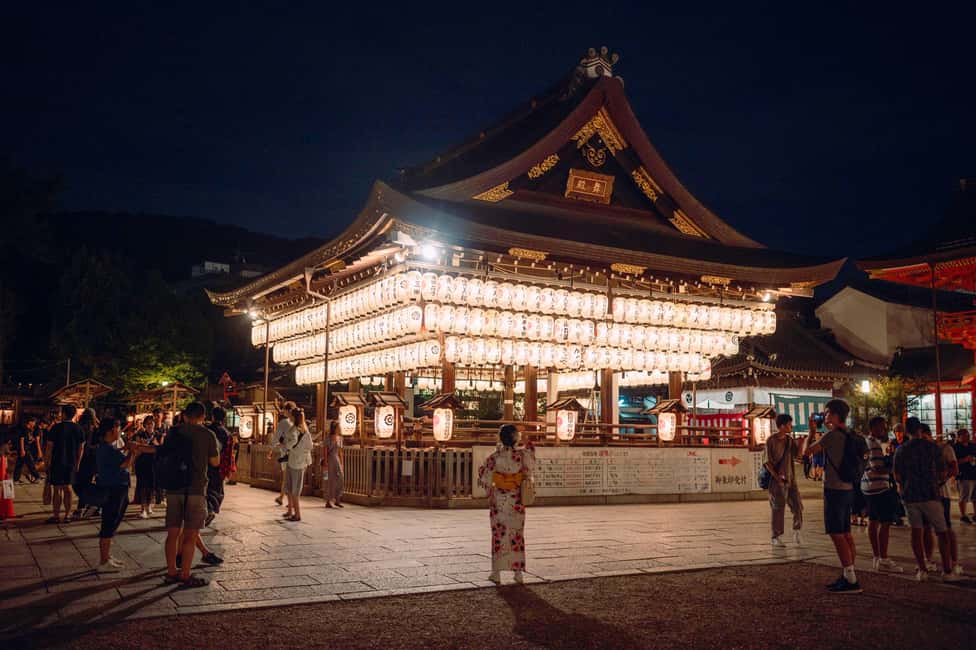
The tour description also includes time near Yasaka Shrine, described as lit up and peaceful at night. Even if your final steps are toward Gion Corner, this kind of stop can be a mood reset.
Gion at night can turn into a loop of lantern light and quick photo stops. A shrine moment, especially one described as peaceful, helps you come up for air. You get a change in pace, and your photos stop looking like the same frame repeated. More important, the guide’s stories usually land better when you’re not standing shoulder-to-shoulder.
If you like experiences that end on a calmer note, this is the kind of detail that makes the whole tour feel thoughtfully timed.
The Guide Is the Product: Spanish Storytelling From Simé
This is a story-led tour, and that means your guide quality matters. The experience includes a Spanish-speaking expert who specializes in the history, culture, and secrets of Gion. One named guide, Simé, was praised for being explainable, clear, and good at handling the group smoothly.
That kind of guiding does two useful things for you:
- It turns landmarks into context, so you understand why each stop connects to the next.
- It keeps the group moving in a way that helps you stay engaged instead of watching other people rush ahead.
Small groups make it easier for questions too. If you care about what you’re seeing, this format gives you a real chance to ask—without the guide having to shout over 50 people.
Price and Value: What You Pay for, and What You Still Need to Budget
The tour price is listed at $21 per person, for a 150-minute walk. The value is mostly in the guide-led pacing and the fact that it includes all local taxes and handling fees, so you shouldn’t face surprise add-ons mid-tour.
What isn’t included matters as you plan your evening:
- Transportation to and from the meeting point
- Food or drinks
- Tickets to shows or private tea houses
So, where does $21 “show up” in real life? You’re buying time plus interpretation. The tour is designed to be a compact, guided route through recognizable Gion highlights—done with a small group and Spanish narration. That’s a lot more cost-effective than trying to piece together the same stops on your own while also finding accurate, respectful explanations on the spot.
If you’re the type who wants to end the night with a show, plan a little extra budget for tickets. Otherwise, treat the tour as a culture walk where the venue context is included, and the performance itself is optional.
Logistics That Affect Your Experience (Meeting Point and Timing)
You meet at Minamiza Theater. The guide will be waiting with a blue flag with a panda logo, so you can spot them easily. The coordinates are listed as 35.0034444, 135.7724632.
This is close to public transport, which helps because you’re walking through a dense area. Also, the tour says it’s not wheelchair accessible, though it is accessible for baby strollers. If you rely on mobility support, it’s smart to consider that before committing.
And one more small reality check: this tour has a maximum group size of 15, but your actual comfort will still depend on how many people are in the neighborhood at that hour. Plan for normal Gion foot traffic.
Who Should Book This Gion at Night Walk?
This tour fits best if you want:
- A guided night walk focused on geisha culture and local traditions
- Spanish-language storytelling with a small group feel
- Iconic Gion highlights like Minamiza, Tatsumi Bridge, Hanamikoji Street, and a finish near Yasaka Shrine/Gion Corner
It’s less ideal if you’re expecting a private tour or strict silence. One guest noted crowdiness, and night photography in Gion can’t be controlled.
Also, read your booking expectations carefully. One complaint described confusion around payment expectations for what was assumed to be free-tip based. Your tour price is clearly listed and includes fees and taxes, but if you’re coming from a background of tip-based walking tours, I’d treat this as a “confirm upfront” situation. You’ll avoid disappointment.
Should You Book This Tour or Skip It?
If you want a 150-minute, Spanish-led evening walk that links Gion’s landmarks to geisha culture and local tradition, this is a solid choice for the money—especially because taxes and guide time are included in the price. The best parts are clearly the guide’s clarity (including Simé’s style) and the small-group pacing that helps the stories feel personal.
I’d reconsider only if you’re extremely sensitive to crowds or if you need guaranteed access to shows, since tickets aren’t included. If you do book, come ready for a respectful nighttime neighborhood experience, not a quiet museum line.
FAQ
FAQ
Where does the tour start?
The meeting point is Minamiza Theater (Kyōto Minami-za). The guide will be holding a blue flag with a panda logo. The coordinates provided are 35.0034444, 135.7724632.
How long is the Gion at Night tour?
The duration is 150 minutes.
What language is the guide?
The live tour guide speaks Spanish fluently.
What’s the maximum group size?
The tour has a maximum of 15 travelers.
Is the tour wheelchair accessible?
No, it is not wheelchair accessible.
Is food or drinks included?
No, food and drinks are not included.
Are show tickets included at Gion Corner or any private tea houses?
No. Tickets to shows or private tea houses are not included.
Does the tour price include local taxes and fees?
Yes, it includes all local taxes and handling fees, with no hidden costs during the tour.
Is free cancellation available?
Yes. You can cancel up to 24 hours in advance for a full refund.
If you want, tell me your travel dates and whether you want this mainly for photos, geisha culture stories, or both, and I’ll suggest a simple plan for pairing it with dinner nearby.