REVIEW · KYOTO
Kyoto: Izakaya Nightlife Tour with Local Guide
Book on GetYourGuide →Operated by Hero tour Japan · Bookable on GetYourGuide
Kyoto at night feels like a secret you can taste. I like this experience because izakaya hopping removes the usual ordering stress, and because guide Hiro turns casual meals into real talk about Japanese everyday life. One catch: you’ll walk around after dark, so comfortable shoes matter, and it may not suit everyone with mobility limits.
You meet at Minamiza (南座), the famous Kabuki theatre near Gion Shijo and Kyoto Kawaramachi stations, then you head to a local izakaya or two before a guided evening through Gion areas. You also get the bonus of guide photos sent after the tour, which is handy when your night starts to blur.
In This Review
- Key things you should know
- From Minamiza to nomikai mode: what this night feels like
- How the guide makes izakaya hopping work (and why you’ll appreciate it)
- The first stop: beer, dinner, and local snacks without the menu headache
- Moving through Kiyamachi and Pontocho: lantern streets with real character
- Gion after dark: history you can see without turning it into a museum
- Food and drinks: what you get for about $80 (and what to plan for)
- Pace, walking, and comfort: the practical stuff that can make or break it
- What it’s really like with guide Hiro (based on past experiences)
- Price and booking value: when $80 is actually a good deal
- Should you book this Kyoto izakaya nightlife tour?
- FAQ
- How long is the Kyoto izakaya nightlife tour?
- Where do I meet for the tour?
- Is the tour in English?
- Does the price include food and drinks?
- Will I be ordering food myself?
- Are there one or two izakaya restaurants?
- What should I bring?
- Is transportation to the meeting point included?
- Is it wheelchair accessible?
Key things you should know
- Your guide handles the ordering so you can focus on eating, not decoding menus.
- You’ll get food and drinks value (2500 yen) included, in addition to the guided experience.
- Starting point is easy to find at Minamiza (南座), near Gion Shijo and Kyoto Kawaramachi stations.
- Expect an after-dark Gion walk plus nearby streets like Kiyamachi and Pontocho areas.
- Photos are part of the deal—the guide takes pictures and sends them after.
- Private group format means a more personal pace and room for questions.
From Minamiza to nomikai mode: what this night feels like
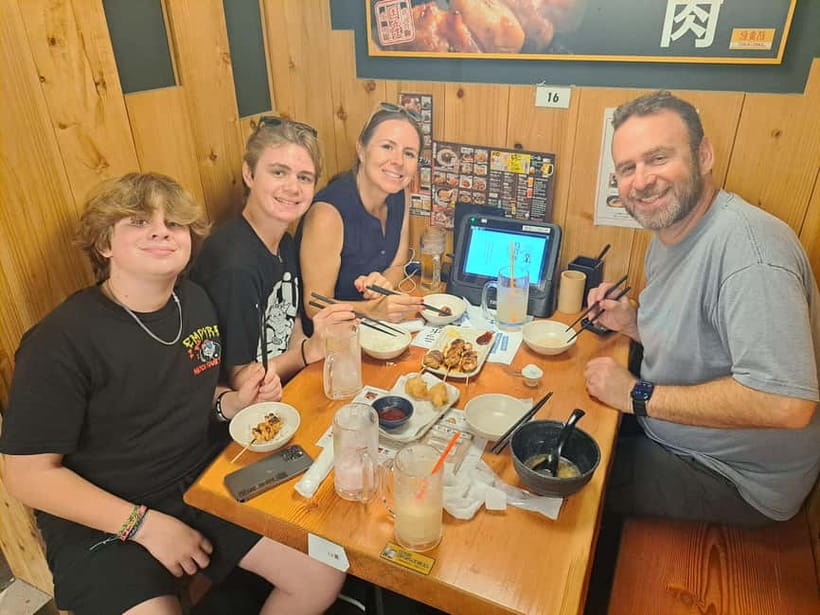
Meeting at Minamiza (南座) is smart. It’s a real, central Kyoto landmark, not some random corner, and it puts you close to the action around Gion Shijo and Kyoto Kawaramachi. The tour is built for an easy start: get your bearings fast, meet your English-speaking guide, and head out while the city is switching into evening mode.
The vibe is nomikai—that after-work and after-dark pub energy where people relax, snack, sip, and talk. Instead of treating Kyoto nightlife like something you have to “figure out,” the guide helps you slide into the flow. In plain terms, you’ll spend less mental effort on logistics and more on actually tasting what Kyoto people eat and drink when they’re not performing for tourists.
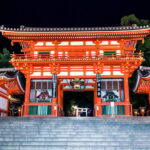
You’ll also feel the difference between “sites” and “street life.” I like that this tour keeps you moving through the character areas around Kiyamachi, Pontocho, Gion, and Yasaka, where lantern light and narrow streets make Kyoto feel more lived-in. And with guide Hiro’s attention to questions, the night isn’t just about food—it becomes a window into how people think and live day to day.
You can also read our reviews of more guided tours in Kyoto
How the guide makes izakaya hopping work (and why you’ll appreciate it)
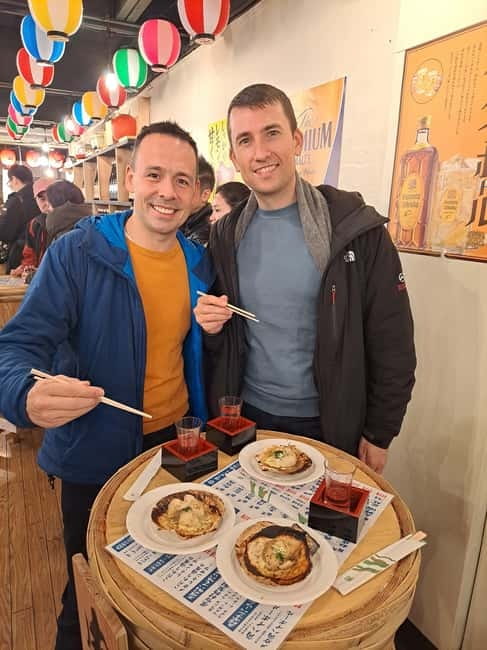
The heart of the tour is that your guide manages the ordering and negotiating. That matters more than it sounds, especially in izakayas where the menu language and ordering rhythm can be confusing if you don’t speak Japanese. You’re not stuck waiting, pointing, or hoping your translation app saves the night. You get the chance to eat what the place does best, at a pace that keeps things fun instead of frantic.
Guide Hiro stands out because he doesn’t just point out restaurants. He’s described as fluent in English, and in at least one case also comfortable in German. More important, he’s the kind of guide who actually answers questions about Japanese everyday life—things like how people socialize, what norms look like, and what to watch for once you’re off the tour.
This is also where you’ll feel the value of having an actual local in front of you. Izakayas are social spaces, not just food counters. Being able to ask, react, and keep the night moving smoothly is the difference between eating at one spot and having a real nightlife experience.
The first stop: beer, dinner, and local snacks without the menu headache
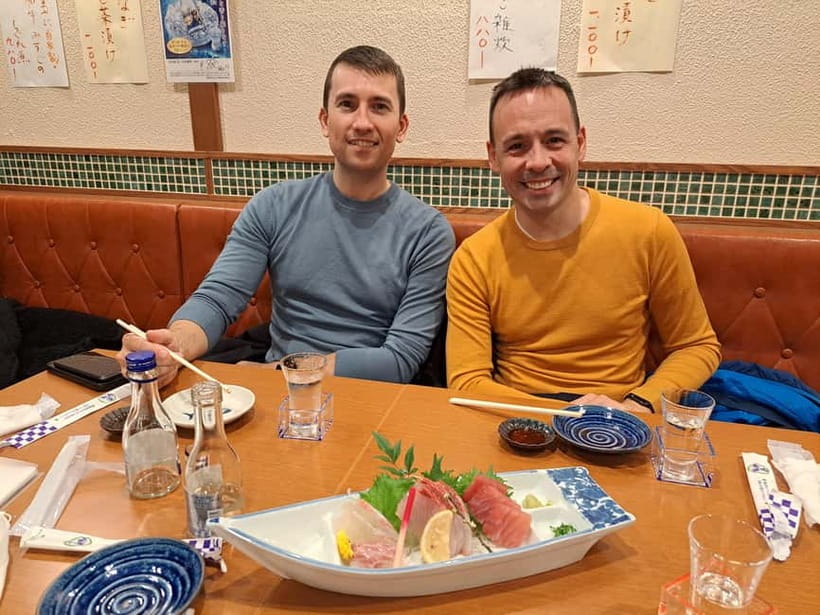
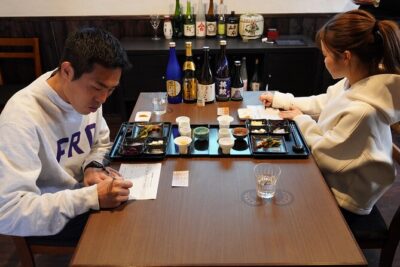
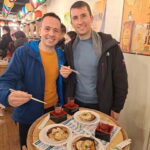
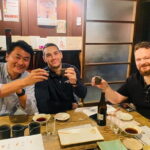
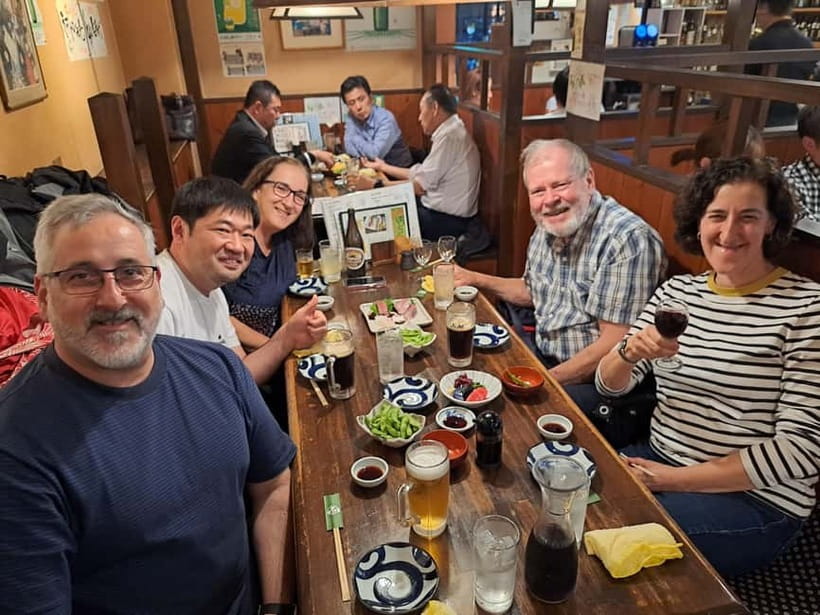
You start with about an hour at a local izakaya stop. The experience includes beer, dinner, and local snacks, plus food tasting. The big win here is that you’re supposed to be hungry, so you can lean into the variety.
The included amount is 2500 yen per person in food and drinks value. That doesn’t mean you’re limited to exactly that—if you want more, you’d cover personal expenses beyond the included value. But it does mean you’re not walking into Kyoto nightlife thinking, Will this add up fast? You can plan around the included tasting and let the night be a real experience instead of constant price math.
If you’re the type who worries about ordering wrong, this part removes that pressure. If you’re the type who loves “try everything” travel meals, this part works too because the format is designed for variety. And from what you’ll likely see at tables nearby, it’s a normal Kyoto rhythm: grilled skewers, casual small plates, shared bites, and drinks that arrive when the mood is right.
Moving through Kiyamachi and Pontocho: lantern streets with real character
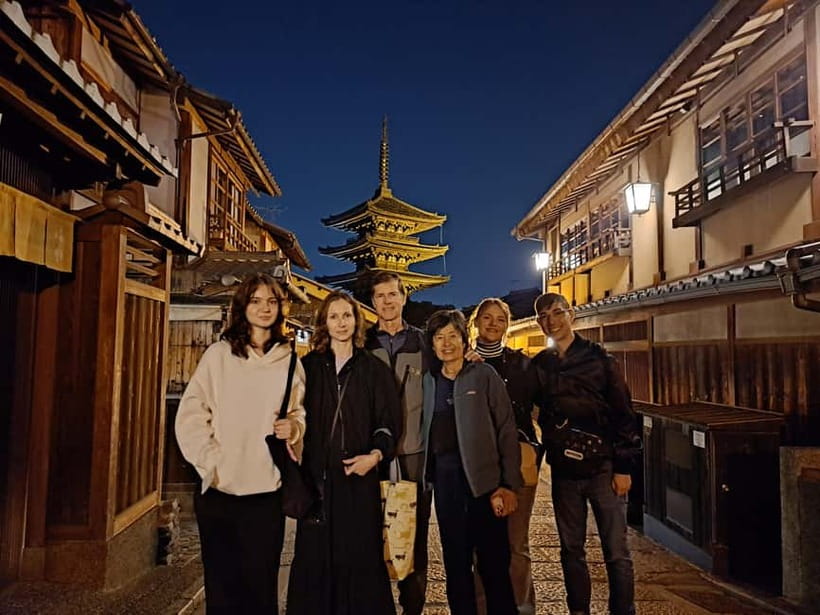
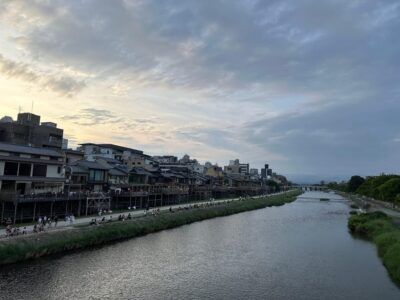
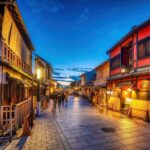
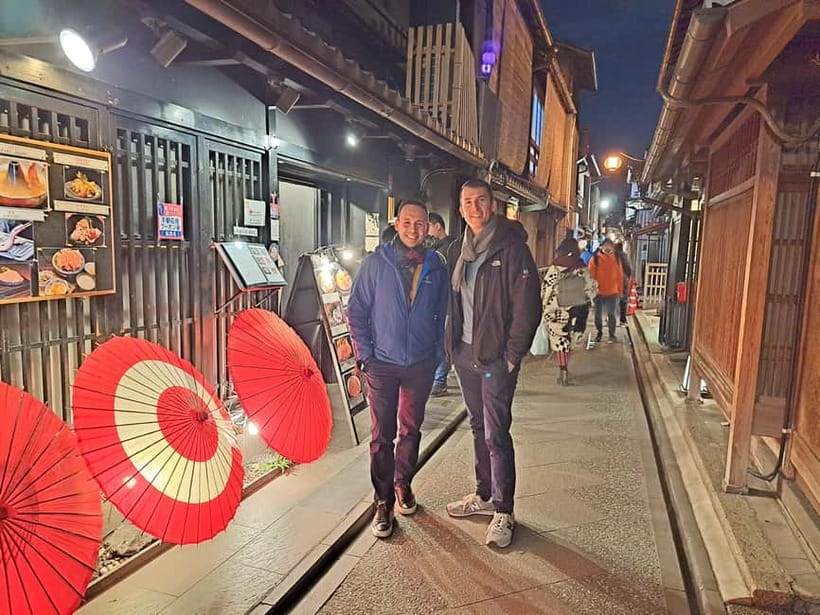
After the first izakaya stop, the night expands beyond the dining room. The tour highlights areas like Pontocho, including the narrow alleyway vibe with traditional wooden buildings lined up close together. Even if you’ve seen photos, at night the alley feels different: the light is warmer, the sounds are closer, and the whole street seems designed for lingering.
Kiyamachi and the riverside-side neighborhoods also matter because they show a Kyoto you don’t get in daytime temple circuits. You’re seeing where people go when they want atmosphere and conversation—places where the street itself is part of the scene.
What I like about this walking portion is that it turns the guide’s knowledge into something practical. You’re not just staring at buildings. You’re learning what to look for and why the area works the way it does after dark. And because it’s guided, you don’t waste time guessing which streets are actually worth slowing down for.
Gion after dark: history you can see without turning it into a museum
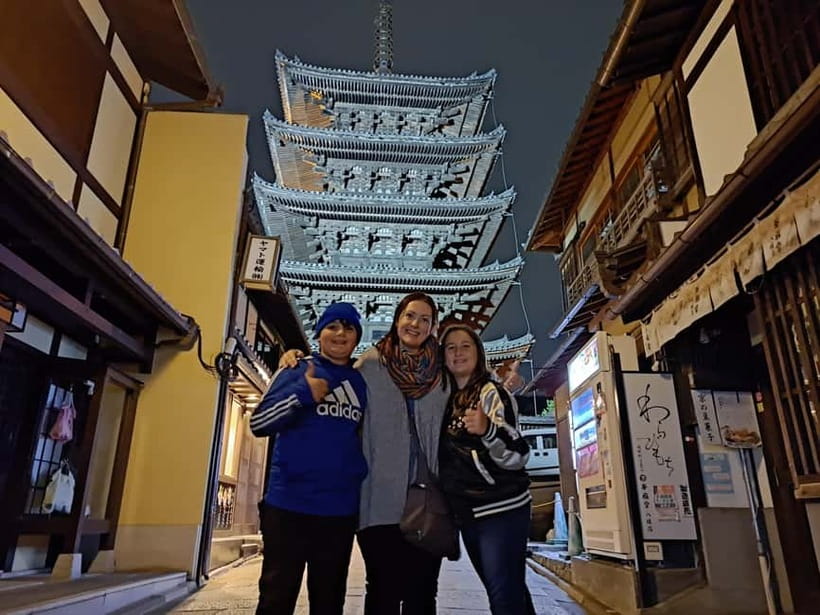
The guided portion includes Gion for about an hour. Gion is the obvious name, but the after-dark version is the part that surprises people. It’s where the famous geisha district feeling meets modern nightlife, so you get a mix of old-world streets and today’s energy.
I like that the tour doesn’t force it into a history lecture. Instead, it treats Gion as a living neighborhood where people still move through daily life, and where nightlife exists alongside cultural reputation. You’ll get a sense of how entertainment and social life overlap in Kyoto, and you’ll likely notice the way the streets “hold” conversations—small spaces, light reflecting off wood and paper, and the steady hum of patrons heading in and out.
If you’re hoping for big views or dramatic landmarks, you might not get that here. This experience is about atmosphere and everyday culture. If you want quiet, still-photo Kyoto, you’ll probably prefer daytime sights. If you want Kyoto that feels like it’s actually happening, Gion at night hits the mark.
You can also read our reviews of more nightlife experiences in Kyoto

Food and drinks: what you get for about $80 (and what to plan for)
At $80 per person for a roughly 3-hour experience, you’re paying for more than dinner. You’re paying for three things: guided restaurant access, local ordering help, and a structured route through Kyoto nightlife areas.
Here’s the value logic: the tour includes food and drinks worth 2500 yen, plus the guide. In places like Kyoto, the cost of a couple of drinks and a meal can climb quickly, so having that included amount reduces uncertainty. The guide also helps you avoid the “wrong place, wrong time” mistake—choosing spots that look right but don’t feel local.
So what should you plan for?
- Come hungry, since the tour is designed around you actually tasting.
- Expect at least one izakaya stop, and the format may include hopping between 1 or 2 restaurants depending on the flow.
- Bring a little extra budget for personal extras if you want more than the included drink and food value.
One more detail: the guide takes pictures and sends them after the tour. That means you can relax during the night and not worry about juggling a camera while you’re eating and walking.
Pace, walking, and comfort: the practical stuff that can make or break it
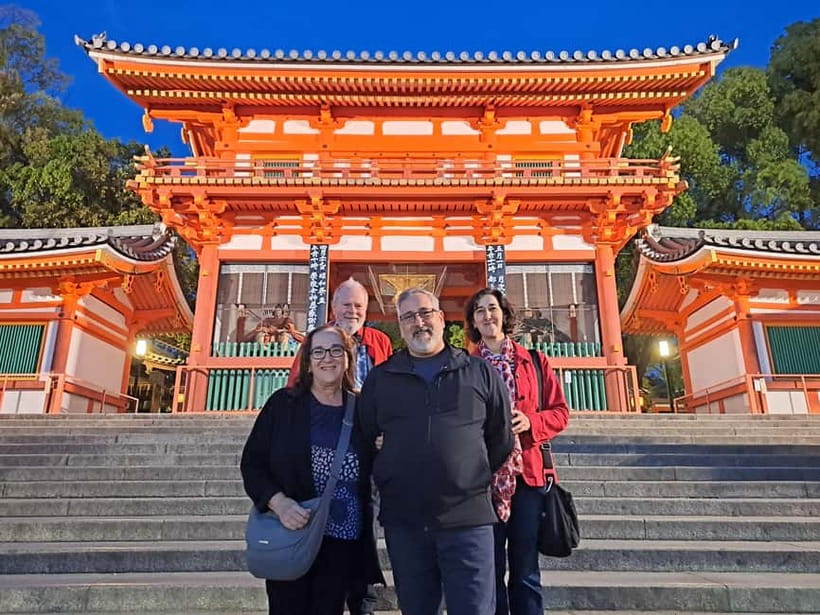
This is a walking-and-eating evening. The tour is listed as wheelchair accessible, but it also says it’s not suitable for people with mobility impairments. That contradiction is worth treating seriously. Since the experience involves after-dark strolling through multiple areas and getting in and out of restaurants, you should confirm your specific needs with the provider before booking.
For most people, the main practical advice is simple: wear comfortable shoes. You’re out for 3 hours, after sunset, and the route takes you through lively areas around Gion and nearby streets. Also, the tour notes you should be hungry before you start—this isn’t a light snack crawl.
On timing, the tour is flexible by start time based on availability, and it’s a private group. That private format can be a big deal if you like asking lots of questions or if you don’t want to feel rushed by a larger group schedule.
What it’s really like with guide Hiro (based on past experiences)
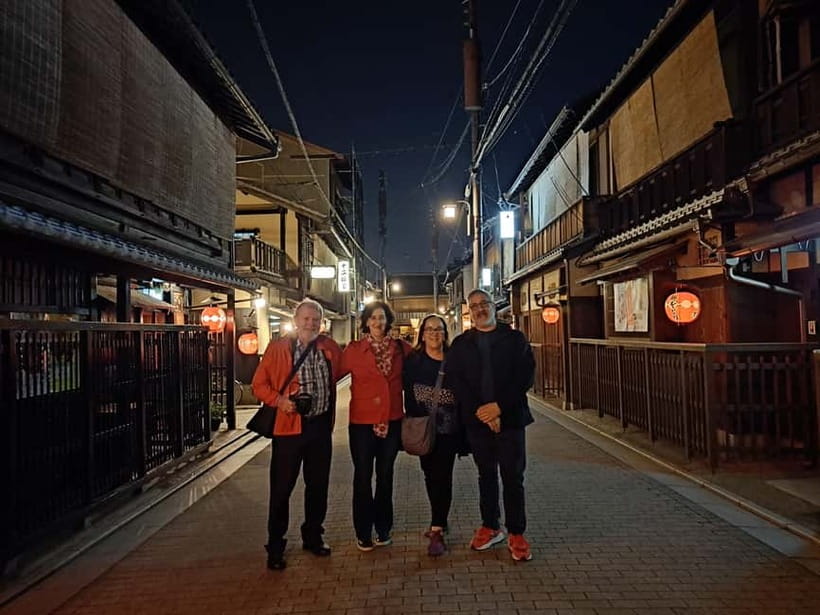
Guide Hiro comes through as the kind of host who cares about more than the route. In the best versions of this tour, you don’t just learn restaurant names—you get explanations about Japanese culture and everyday life that you can carry home. People describe him as friendly, personable, and genuinely happy to guide.
He’s also described as fluent in English, and one account notes he had good German too. Even if your Japanese is limited, you’re not left stranded. You can ask, point out what you’re curious about, and get answers that help you decode what you’re seeing while you walk.
A small but meaningful touch: one experience mentions he reached out via WhatsApp before the meet-up to get to know the group. You may or may not get that exact message, but it fits the overall impression—Hiro tends to make the night feel less awkward and more like spending time with a knowledgeable friend.
Price and booking value: when $80 is actually a good deal
Let’s be honest: $80 for 3 hours can sound pricey until you break it down. The included 2500 yen in food and drinks offsets part of the cost, but the real value is the guide doing the hard parts—ordering, pacing, and steering you toward places that fit the vibe.
If you were to plan this yourself, you’d likely run into one or more problems:
- you’d spend time translating menus,
- you might end up in restaurants that look good but don’t feel local,
- and you’d be guessing which streets make the most sense after dark.
Paying for the guide compresses all that into one smooth evening. For couples, solo travelers who want a social meal without language stress, and anyone who loves food culture, it’s a straightforward value trade.
Just keep expectations grounded: this is not a full-on all-night bar crawl. It’s a focused introduction to Kyoto’s izakaya scene plus a guided nighttime walk in Gion.
Should you book this Kyoto izakaya nightlife tour?
Book it if you want Kyoto nightlife that’s guided, edible, and culture-focused without the language headaches. It’s a strong choice if you like questions, good food-and-drink pacing, and seeing places like Pontocho and Gion in the evening when Kyoto really turns on the lights.
Skip it (or confirm details first) if you have mobility constraints and worry about walking at night. Also skip it if you only want major sight highlights and wide-open scenery—this tour is about small streets, pub atmosphere, and local rhythm.
If you’re on the fence, think of it this way: you’re buying the shortcut to a better night out. With Hiro handling ordering and explanations, you get more Kyoto for less mental work, and that’s exactly what good guided travel should do.
FAQ
How long is the Kyoto izakaya nightlife tour?
It runs for about 3 hours.
Where do I meet for the tour?
The meeting point is Minamiza (南座).
Is the tour in English?
Yes, the live guide is listed as English-speaking.
Does the price include food and drinks?
Food and drinks are included with a value of 2500 yen per person at the izakaya restaurants.
Will I be ordering food myself?
No. The guide will negotiate or order foods and drinks for you.
Are there one or two izakaya restaurants?
The tour is designed for 1 or 2 izakaya restaurants, depending on the plan for the night.
What should I bring?
Wear comfortable shoes, since you’ll do walking during the tour. You should also be hungry before you go.
Is transportation to the meeting point included?
No. Transportation to Minamiza is not included.
Is it wheelchair accessible?
It lists wheelchair accessible, but it also states the tour is not suitable for people with mobility impairments, so you should confirm your needs with the provider due to the walking involved.