REVIEW · KYOTO
Kyoto: AuthenticMatcha&TeaCeremonyExperienceinaTraditional
Book on GetYourGuide →Operated by Jナビ株式会社 · Bookable on GetYourGuide
A tea ritual, taught with calm precision. In Kyoto, this experience is all about matcha-making hands-on learning in a quiet tatami room, paired with Uji matcha and seasonal sweets. You’ll watch the key steps first, then do the motions yourself, with English and Japanese guidance to keep it comfortable for foreigners. One thing to keep in mind: it’s a serene, low-key activity, so it may feel short if you’re looking for lots of sightseeing.
I like that the format is simple and beginner-friendly: observe, then practice. The goal is that you understand what you’re doing, not just what you’re tasting. The setting matters too, with the warm feel of wood and the gentle scent of tatami mats creating the kind of calm that makes the ritual work.
At $49 per person for about an hour, it’s priced like an instructor-led cultural lesson, not like a quick tasting. If you want a real slice of Kyoto hospitality, this is a solid value. Also, it’s a private group, and it’s wheelchair accessible, which helps if your travel style needs that flexibility.
In This Review
- Key things I’d circle before you go
- Kyoto townhouse tea room: why the atmosphere matters
- Starting at Hotel Rakurakuan: how the experience begins
- Watching the demonstration: learning etiquette without pressure
- Whisking matcha with a bamboo whisk: the moment it clicks
- Tasting Kyoto Uji matcha and seasonal Japanese sweets
- How long is enough? (and why one hour can be ideal)
- Price and value: $49 for instructor-led tea culture
- Who should book this tea ceremony in Kyoto
- Should you book it? My practical take
- FAQ
- How long is the Kyoto tea ceremony experience?
- Where do I meet for the experience?
- What’s included in the price?
- What languages are available during the tea ceremony?
- Is this activity wheelchair accessible?
- Is free cancellation available?
Key things I’d circle before you go
- Tatami-room calm in a Kyoto townhouse: you’re not doing this in a crowded demo space
- Watch first, then whisk yourself: etiquette and technique are explained step-by-step
- Kyoto Uji matcha plus seasonal sweets: the pairing is part of the experience, not an afterthought
- English and Japanese guidance: you won’t be left guessing what the host expects
- Private group feel: the pacing stays comfortable and personal
- Bamboo whisk matcha ritual: the calming part is also the practical part
Kyoto townhouse tea room: why the atmosphere matters
Kyoto doesn’t do tea ceremony like a show for tourists. Here, you step into a traditional townhouse setting where the pace slows down on purpose. Expect a quiet, serene environment in a tatami room, with the kind of warmth you only notice once you stop rushing.
That atmosphere isn’t just decoration. Tea ceremony works because your senses have time to catch up. The scent of tatami mats, the steady rhythm of the host, and the respectful stillness in the room all help you understand the point: this isn’t only about flavor. It’s about attention.
And because it’s suited for beginners and foreigners, you’re not expected to already know the etiquette. Instead, the setting gives you a gentle framework, so you can follow along and participate.
You can also read our reviews of more tours and experiences in Kyoto.



Starting at Hotel Rakurakuan: how the experience begins
You’ll meet at Hotel Rakurakuan, at 452 Tenshi-nuki-dori, Shimogyo-ku, Kyoto (600-8456). When you arrive, the experience is run with the quiet mood you’d expect for tea—no frantic setup, no run-around.
It also helps that this is a private group, which usually means the schedule stays clean and the instructor can focus on your group’s pace. If you’re traveling with a partner, a friend, or even on a honeymoon, that personal feel comes through strongly in the way the session is handled.
One more practical note: the tea ceremony itself is listed as about 40 minutes. Plan the rest of the hour for the full flow—settling in, the demonstration, and then your own matcha preparation.
Watching the demonstration: learning etiquette without pressure
The session begins with a tea demonstration, and that first phase is important. You start by observing a tea master (the instructor) explain the basic etiquette and techniques. This is where you learn what matters before you touch the tools.
What you’re really gaining here is confidence. Without background, tea ceremony can feel intimidating. This structure helps because you can see how the movements connect to the etiquette. You’re not thrown into doing everything immediately; you get a model to follow.
From the feedback you can take inspiration from, the best part seems to be how clearly the steps are explained. People appreciated being able to perform the motions themselves after being guided, with an approach that feels personal rather than robotic.
If you’re the type who likes to understand the why, this phase gives you that. You’ll better grasp why the room stays quiet, why the order matters, and how the ritual is meant to be done with intention.
Whisking matcha with a bamboo whisk: the moment it clicks
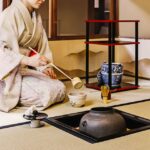
After the demonstration, you prepare your own matcha using a bamboo whisk. This is the practical centerpiece of the whole experience, and it’s exactly what makes it more than a passive tasting.
Matcha is different from regular green tea. It’s not steeped in the same way, and the whisking technique affects the texture and overall experience. In a well-run ceremony, you feel the calming rhythm as you whisk and watch the tea come together.
The session is designed for beginners, so don’t worry if you haven’t done anything like this before. The instructor provides English and Japanese guidance, which matters because tea ceremony is full of small cues—how to hold, when to move, and when to pause. Those cues are easier when someone can explain them in a language you fully understand.
This is also where the tone turns personal. One participant described the experience as having a personal touch while still being informative. That usually happens when the instructor keeps the focus on your group and checks that you’re doing the steps the right way.
Tasting Kyoto Uji matcha and seasonal Japanese sweets
Then comes the part your taste buds are waiting for: you sip Kyoto’s Uji matcha, served alongside seasonal Japanese sweets. The matcha is described as rich and aromatic, and you’ll likely notice that the tea’s character isn’t just about bitterness or sweetness. It’s about balance.
Seasonal sweets matter because they’re designed to match the time of year and the tea. Even if you don’t know the traditions, the pairing tends to make sense once you try both. The sweetness and texture can soften the matcha’s intensity, while the matcha helps keep the sweets from tasting one-note.
If you like this flavor enough, pay attention to what you’re tasting. One reviewer mentioned buying the matcha they served because it was that good. That’s a great sign for value, because it means the tea itself isn’t just filler. It’s part of the quality of the experience.

How long is enough? (and why one hour can be ideal)
This experience runs for about 1 hour. The tea ceremony portion is listed at 40 minutes, so you’re not stuck for an entire afternoon.
Is it long enough to feel meaningful? For many people, yes. Tea ceremony isn’t about stacking attractions. It’s about learning a ritual and carrying that calm away with you. You get the demonstration, you get to do the whisking, and you get to taste the result with sweets.
The potential drawback is also tied to the time: if you’re expecting a long, story-heavy cultural immersion, this may feel brief. Still, for travelers who want something focused and authentic without blowing a big chunk of their day, the length is actually a strength.
Price and value: $49 for instructor-led tea culture
At $49 per person, you’re paying for an instructor-led, hands-on cultural lesson in a traditional setting. What’s included is meaningful: the tea ceremony experience, an experienced instructor, matcha, seasonal sweets, and guidance in English and Japanese.
A big value point here is that you’re not only watching. You’re preparing matcha yourself with the bamboo whisk. That makes your money go into the part you remember and repeat mentally afterward.
It’s also a private group. Private doesn’t automatically mean expensive, but it does tend to improve pacing and attention, especially with something as detail-driven as tea ceremony etiquette.
If you’re budgeting for Kyoto, this is the kind of activity that can make your trip feel more grounded. It’s not just a photo stop; it’s a practiced cultural moment.
Who should book this tea ceremony in Kyoto
I’d point this toward travelers who want quiet authenticity more than high-volume entertainment.
You’ll likely love it if you:
- want a beginner-friendly introduction to Japanese tea etiquette
- enjoy learning by watching first, then doing
- prefer calm, respectful experiences over crowded attractions
- are on a honeymoon or date and want something thoughtful and memorable
- need English support during the activity
It may not be the best fit if you:
- want a fast-paced schedule with lots of walking
- expect big sightseeing moments during the session
- are uncomfortable in a quiet tatami room setting
Should you book it? My practical take
Yes, I think you should book this if you want an honest Kyoto cultural experience that’s structured for beginners and still feels personal. The combination of a traditional setting, hands-on matcha preparation with a bamboo whisk, and tasting Uji matcha with seasonal sweets hits the right balance between learning and enjoyment.
You can also feel good about it being private and guided in English and Japanese, which reduces the usual stress of doing ceremony activities in a foreign country. If you’re the kind of traveler who likes calm, good instruction, and the satisfaction of doing something yourself, this is a strong choice.
If you only want a quick tea flavor without instruction, then spend your time on something more flexible. But for most travelers seeking a real Kyoto moment, this is worth your hour.
FAQ
How long is the Kyoto tea ceremony experience?
The experience lasts about 1 hour, with the tea ceremony itself listed at around 40 minutes.
Where do I meet for the experience?
You meet at Hotel Rakurakuan in Kyoto. The address is 452 Tenshi-nuki-dori 3-chome, Shimogyo-ku, Kyoto 600-8456.
What’s included in the price?
The price includes the tea ceremony experience, an experienced instructor, matcha tea, and seasonal Japanese sweets, with English and Japanese guidance.
What languages are available during the tea ceremony?
The instructor provides guidance in English and Japanese.
Is this activity wheelchair accessible?
Yes, the experience is listed as wheelchair accessible.
Is free cancellation available?
Free cancellation is available up to 24 hours in advance for a full refund.